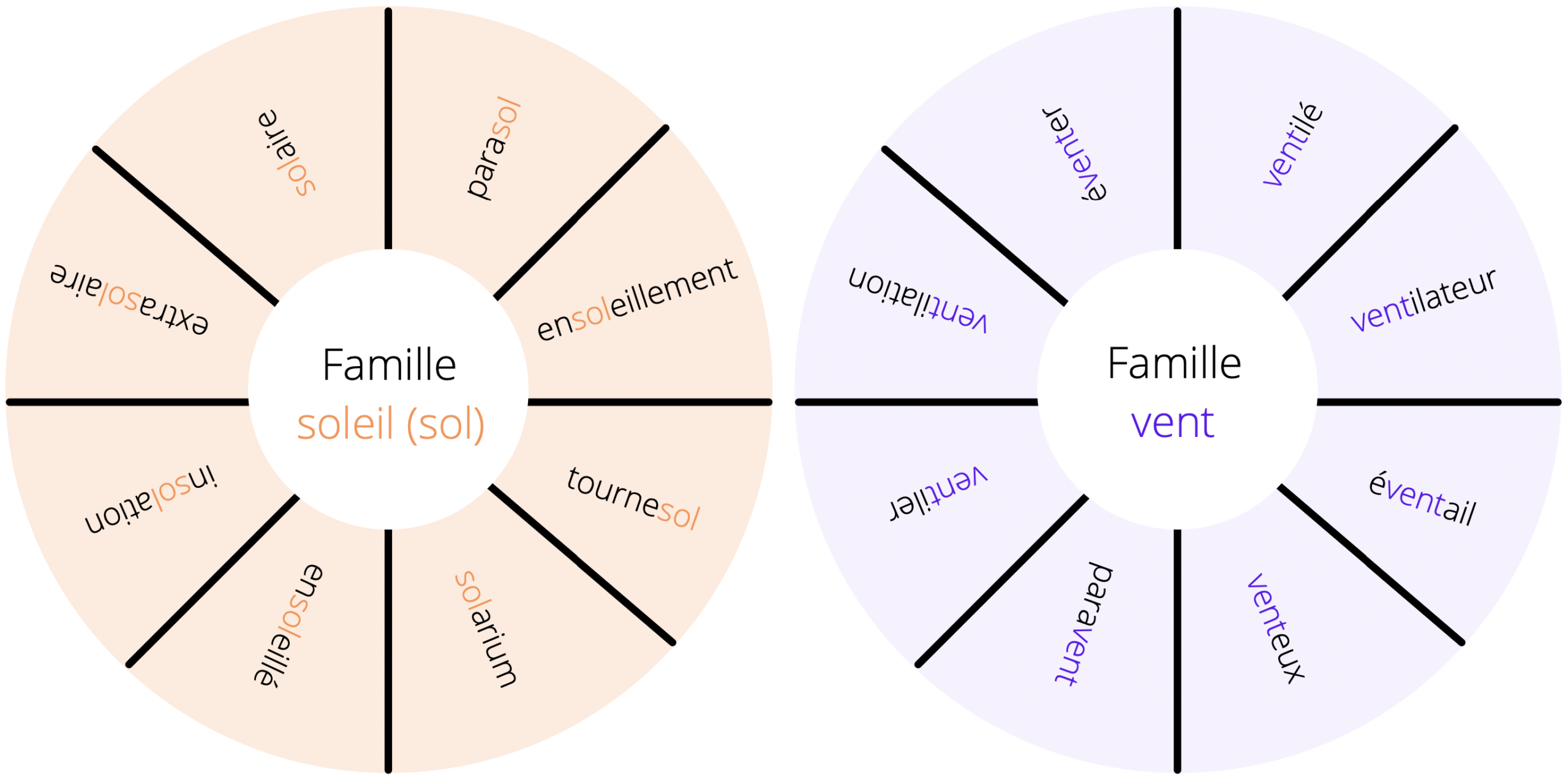
Ah, le français! It's a language filled with romance, poetry, and… winds? Yes, winds! We’re diving into la famille de vent – the family of wind – and trust me, it’s more exciting than it sounds. Grab your café au lait, settle in, and let's explore this breezy topic.
What exactly is the family of wind? Well, it’s not some quirky reality TV show. Instead, it’s the collective term for all the different types of wind described in French. Each wind has its own name, its own personality, and its own impact. Isn't that charming?
The Usual Suspects: Basic Winds
Let's start with the basics. You probably already know some.
Le Vent: The Generic Wind
First, we have le vent. This is the generic word for wind. Simple, right? It's like saying "the car" instead of specifying a specific model. Le vent can be gentle or fierce, a mere zephyr or a raging gale. It's the umbrella term for everything we’re about to discuss.
La Brise: The Breeze
Next up, la brise. Ah, la brise! This is the gentle breeze, the kind that whispers through the trees on a summer afternoon. It's the wind that barely rustles the curtains and makes you want to sip lemonade on a porch swing. So delicate and refreshing!
Regional Winds: The Specifics
Now, things get interesting. France, being a geographically diverse country, has a whole host of regional winds, each with its own unique character. Ready to travel the country… through wind?
Le Mistral: The Rhone Valley's Fury
The most famous, perhaps, is le Mistral. This is a strong, cold, northwesterly wind that barrels down the Rhone Valley in southeastern France. It’s known for its intensity and can blow for days, even weeks! Imagine a relentless, icy blast straight from the Alps. Not exactly a picnic on the beach, is it? It's said to clear the skies and purify the air, but it can also be a bit of a nuisance. Locals have learned to live with it, though. They even have special names for the days when it blows particularly hard!
La Tramontane: The Pyrenees' Partner
Then there's la Tramontane. This wind originates in the Pyrenees mountains and sweeps across the Languedoc-Roussillon region. Like the Mistral, it's a cold, dry wind, but it’s often accompanied by bright sunshine. Think of it as the Mistral’s sunnier, slightly less aggressive cousin. It is a cleansing wind though, just as fierce in its way.
Le Sirocco: A Hot Breath from the Sahara
Let’s switch gears and head to the Mediterranean coast. Here, we encounter le Sirocco. This is a hot, dry wind that originates in the Sahara Desert and blows northward across the Mediterranean Sea. It can bring dust storms and oppressive heat. Le Sirocco often precedes changes in the weather, a fact not lost on the sailors of old!

L'Autan: The Wind of Two Seas
In the region of Toulouse and the surrounding area, you'll encounter l'Autan. This wind is interesting because it can blow from either the southeast (bringing warm, humid air from the Mediterranean) or the west (bringing dry air from the Atlantic). It's known for its unpredictable nature and its ability to affect people’s moods! Some say it can make you irritable or even a little… fou (crazy!). Imagine a wind that messes with your mind!
More Nuances: Little Breezes and Powerful Storms
But wait, there's more! The French language has words for even the subtlest variations in wind.
Le Zéphyr: A Gentle West Wind
A Zéphyr is a gentle west wind, often associated with springtime and renewal. It's a soft, pleasant breeze that heralds warmer weather. Picture yourself in a meadow, surrounded by wildflowers, with a Zéphyr caressing your face. Pretty idyllic, isn’t it?
La Rafale: A Sudden Gust
On the other end of the spectrum, we have la rafale. This is a sudden, short burst of wind – a gust. It can be a playful puff or a more forceful surge. It’s the kind of wind that might snatch your hat off your head unexpectedly!
La Bourrasque: A Violent Squall
And for something a little more dramatic, there’s la bourrasque. This is a sudden, violent squall, often accompanied by rain or snow. It's the kind of wind that can uproot trees and capsize boats. Not something you want to encounter on a casual stroll!
Why So Many Names for Wind?
You might be wondering, why so many words for wind? Well, think about it. For centuries, people in France, especially those living in rural areas and along the coast, depended on the wind for their livelihoods. Farmers relied on it to dry their crops, sailors depended on it to navigate the seas, and millers used it to power their windmills. Knowing the different types of wind and their characteristics was crucial for survival.

The French language, with its rich vocabulary and nuanced expressions, reflects this deep connection to the natural world. And isn't it beautiful that a phenomenon as invisible as the wind can have such a diverse and expressive family?
Learning about la famille de vent is more than just memorizing words. It’s about understanding the French relationship with nature, appreciating the subtleties of language, and recognizing the power and beauty of the world around us. So, the next time you feel a breeze on your face, take a moment to consider which member of la famille de vent is paying you a visit. It's a fun way to connect with the language and the culture.
And with that, I think it’s time for another café au lait. À bientôt!