Bonjour mes amis! Come sit, come sit. Let's talk French! Today, we're diving into something seemingly simple, but wonderfully useful: the passé composé of the verb croire (to believe). Trust me, it's easier than you think. Grab a croissant and let's get started.
What is the passé composé, anyway? It’s one of the most common past tenses in French. Think of it as the equivalent of "I believed" or "I have believed" in English. We use it to talk about completed actions in the past. And the verb croire? Oh, it's fundamental. Believing is part of being human, right? So, knowing how to say you believed something is pretty important.
The Formula: A Little Bit of Help
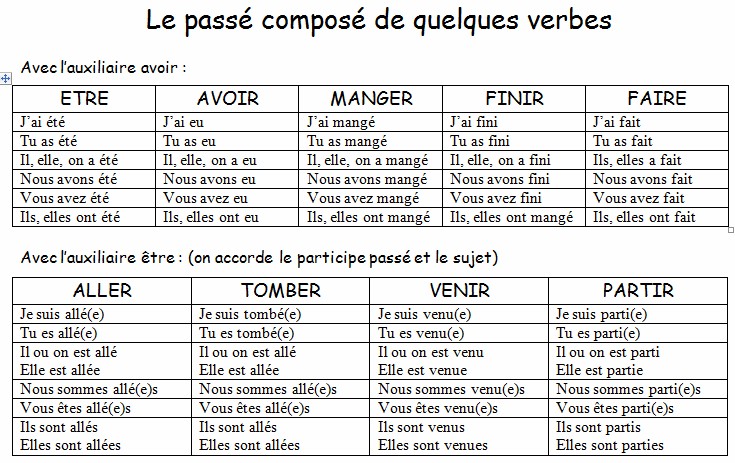
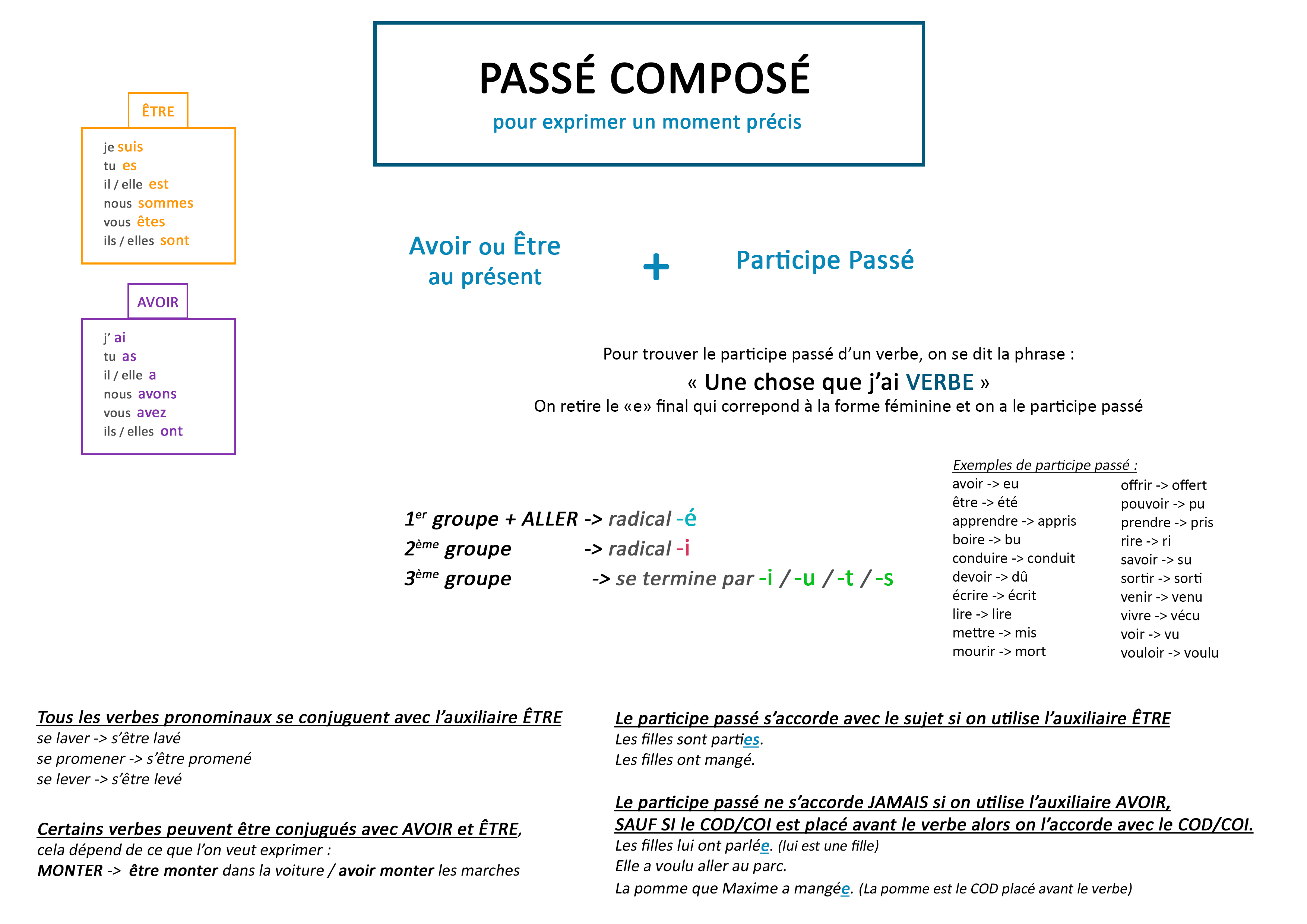
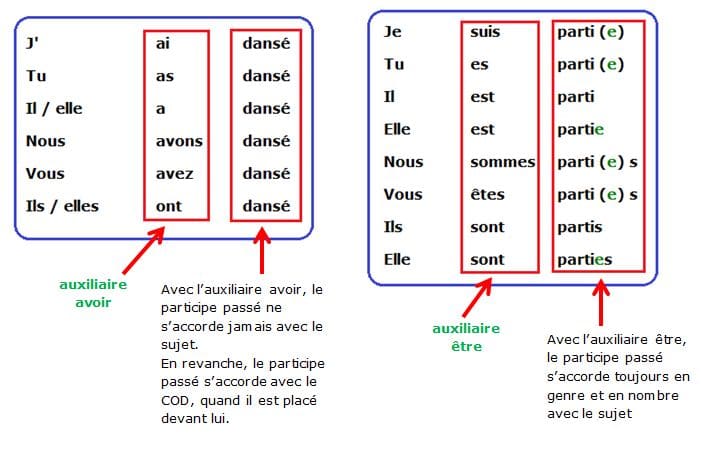
The passé composé isn't just croire on its own. Oh no, it's a team effort! It needs an auxiliary verb – either avoir or être – plus the past participle of the verb. In the case of croire, we use avoir. Lucky us! Avoir is a very common helper.
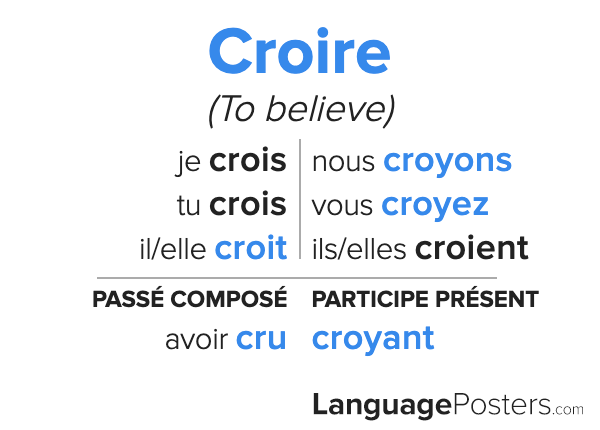
And the past participle of croire? It's cru. Short, sweet, and to the point. So, now we know the pieces: avoir + cru.
Now, let's put it all together, shall we?
Conjugating Croire in the Passé Composé
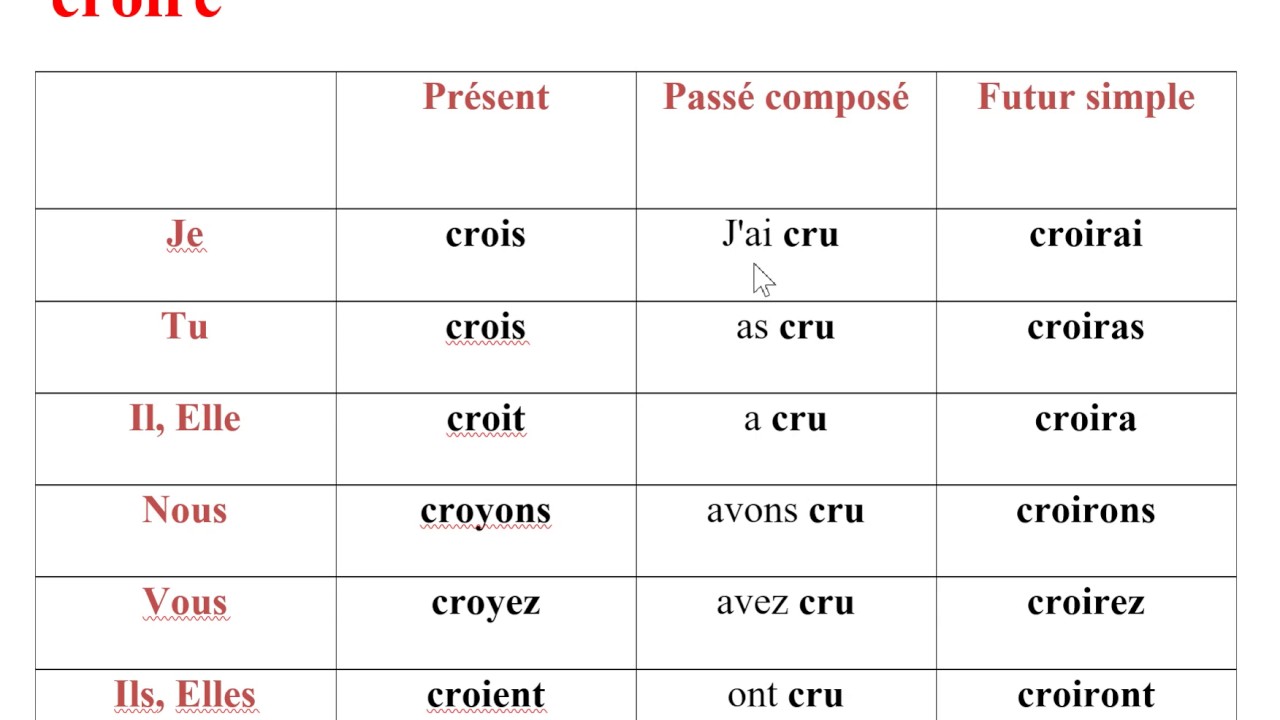
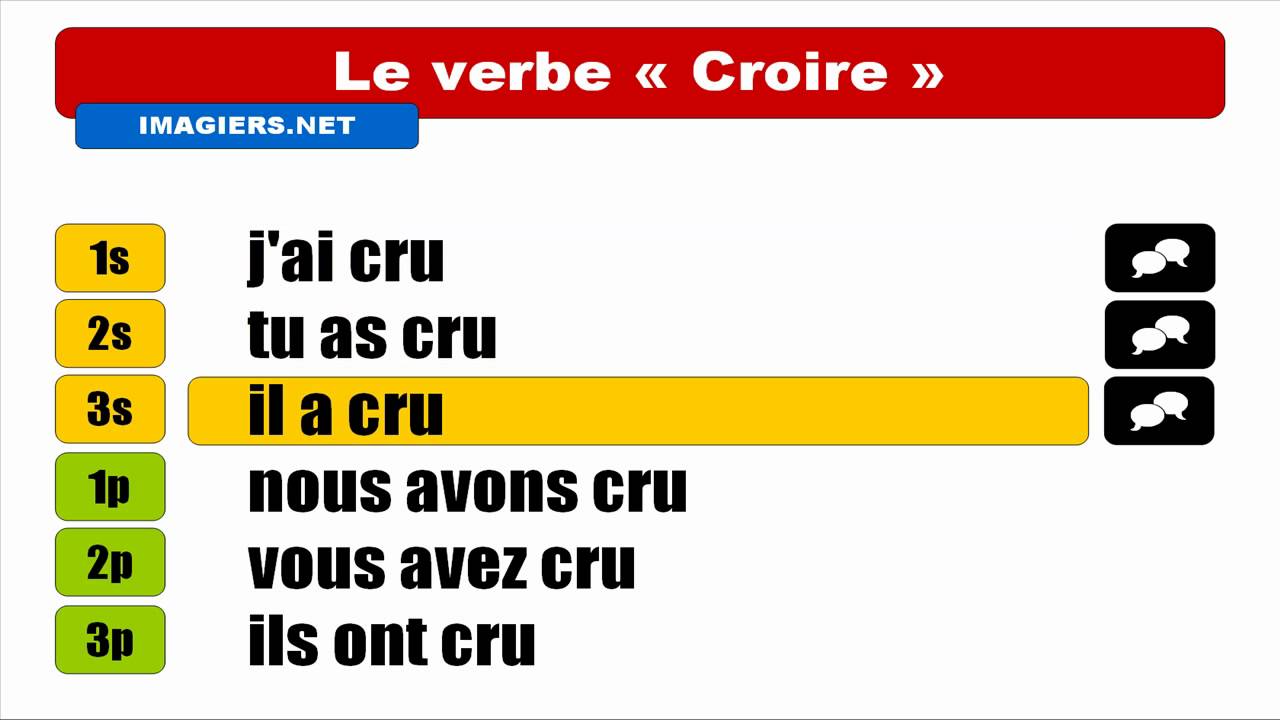
Ready for the full picture? Here's how croire looks in the passé composé for all the different pronouns:
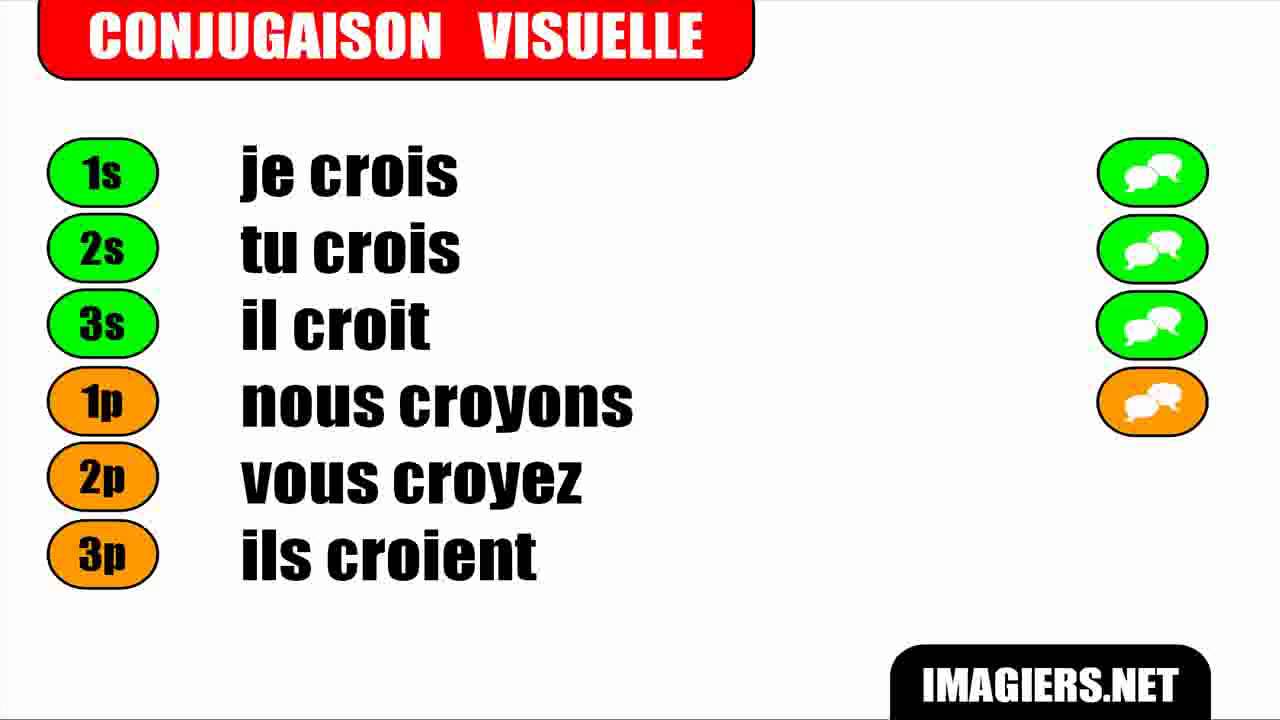
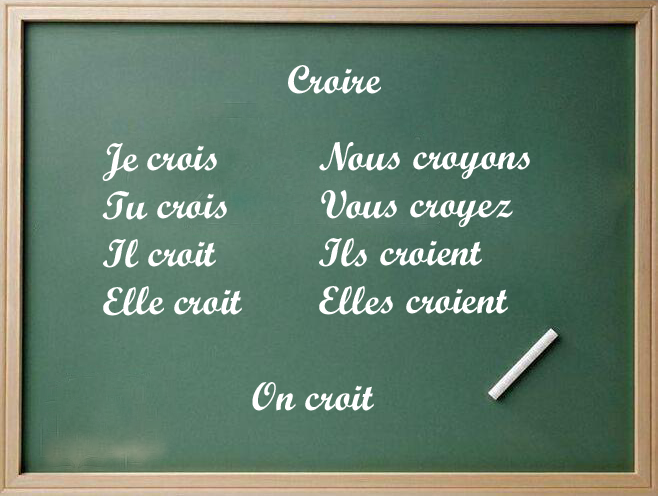
Je crois – I believe (present tense – just for a little context!)
J'ai cru – I believed/I have believed
Tu crois – You believe (present tense)
Tu as cru – You believed/You have believed
Il/Elle/On croit – He/She/One believes (present tense)
Il/Elle/On a cru – He/She/One believed/has believed
Nous croyons – We believe (present tense)
Nous avons cru – We believed/We have believed
Vous croyez – You believe (present tense)
Vous avez cru – You believed/You have believed
Ils/Elles croient – They believe (present tense)
Ils/Elles ont cru – They believed/They have believed
See? Not so scary, is it? The pattern is consistent. Just conjugate avoir, add cru, and voilà! You're expressing belief in the past.

Examples in Action: Let's Get Practical
Okay, theory is good, but examples are even better. Let's see croire in action. This is where it gets fun!
J'ai cru que tu venais. – I believed that you were coming.
Tu as cru tout ce qu'il t'a dit ? – You believed everything he told you?
Elle a cru en ses rêves. – She believed in her dreams.
Nous avons cru à la magie quand nous étions enfants. – We believed in magic when we were children.
Vous avez cru que c'était une bonne idée ? – You believed that was a good idea?
Ils ont cru aux promesses du politicien. – They believed the politician's promises.
Notice how croire can be followed by que (that) or à (in/to), depending on what you believed in or that.
Here's a little side note. Sometimes, you might see sentences like: "Je l'ai cru". What does that mean? Here, "le" (or "la" if the person is feminine) replaces a previously mentioned person. It translates to "I believed him/her." Tricky, but keep an eye out for it!
Negative Forms: Disbelief in the Past
What if you didn't believe? No problem! We just add ne...pas around the auxiliary verb avoir.

Je n'ai pas cru. – I didn't believe/I haven't believed.
Tu n'as pas cru à mon histoire. – You didn't believe my story.
Il n'a pas cru un mot de ce qu'elle a dit. – He didn't believe a word of what she said.
Nous n'avons pas cru qu'il était coupable. – We didn't believe he was guilty.
Vous n'avez pas cru que c'était possible. – You didn't believe it was possible.
Elles n'ont pas cru au Père Noël après l'âge de six ans. – They didn't believe in Santa Claus after the age of six.
See? Just slip the ne...pas around avoir. It’s all about placement!
Questions: Asking About Belief
How do we ask if someone believed something? There are a few ways!
As-tu cru...? – Did you believe...? (formal, uses inversion)
Est-ce que tu as cru...? – Did you believe...? (more common, uses "est-ce que")
Tu as cru...? – You believed...? (informal, question mark at the end)
For example:
As-tu cru à mes mensonges ? – Did you believe my lies? (formal)
Est-ce que tu as cru à cette histoire ? – Did you believe this story? (common)
Tu as cru qu'il allait gagner ? – You believed he was going to win? (informal)
A Little Digression: The Power of Belief
Speaking of croire, isn't belief a powerful thing? Think about all the things people have achieved because they believed they could. Landing on the moon? Curing diseases? Writing beautiful music? It all starts with belief. But I digress... back to French grammar!
Common Mistakes (and How to Avoid Them!)
Let's address some common pitfalls. One frequent mistake is forgetting the auxiliary verb avoir entirely! Don't just say "J'ai cru!" You need that j'ai.
Another mistake is using the infinitive croire instead of the past participle cru. Remember, cru is the correct form for the passé composé.
Finally, don't get mixed up with other tenses! The passé composé is for completed actions. If you're describing a continuous belief in the past, you might need the imparfait (another topic for another day!).

Why This Matters
Why should you bother learning all this? Because knowing how to express past belief opens up a whole new world of communication. You can talk about your childhood memories, your past experiences, your changes in opinion. It allows you to tell your story, and that's what language is all about, n'est-ce pas?
Going Further
Now that you have a grasp of croire in the passé composé, practice makes perfect! Try writing your own sentences. Think about things you used to believe but don't anymore. Think about people you believed in. The more you use it, the more natural it will become.
Resources to Help You
Want to keep learning? Here are a few suggestions:
Online French grammar websites: Sites like Lawless French and ThoughtCo offer clear explanations and exercises.
French textbooks: A good textbook will have plenty of examples and practice activities.
Language exchange partners: Find a native French speaker to practice with. Speaking is the best way to improve!
So, my friends, we've reached the end of our little French lesson for today. I hope you feel a little more confident with the passé composé of croire. Remember, learning a language is a journey, not a race. Be patient with yourself, enjoy the process, and keep believing in your ability to learn!
À bientôt!