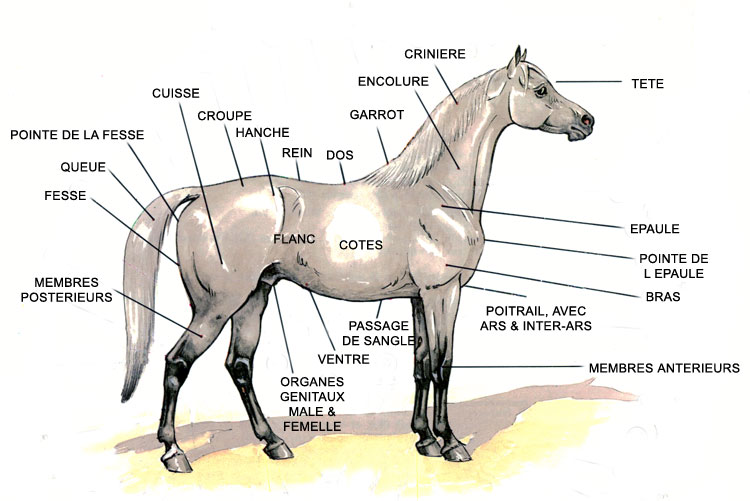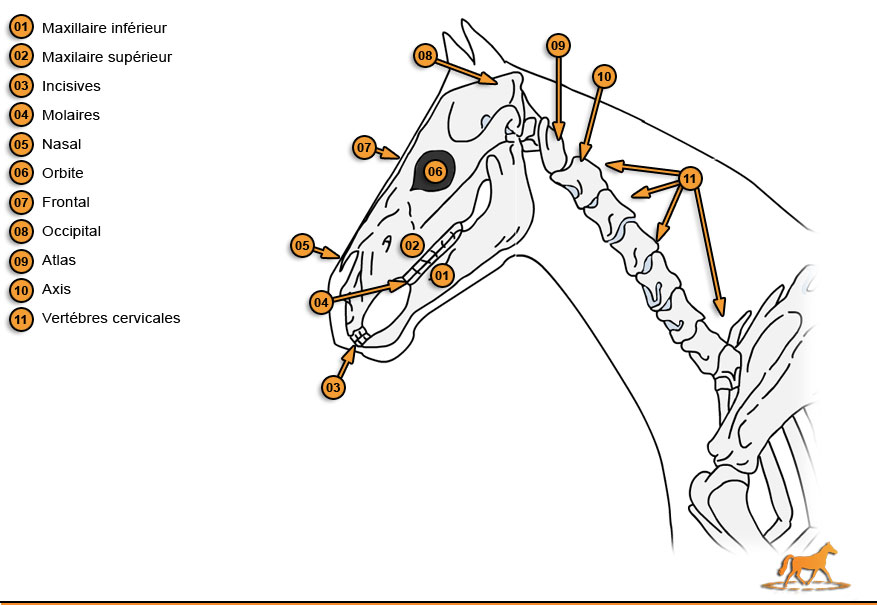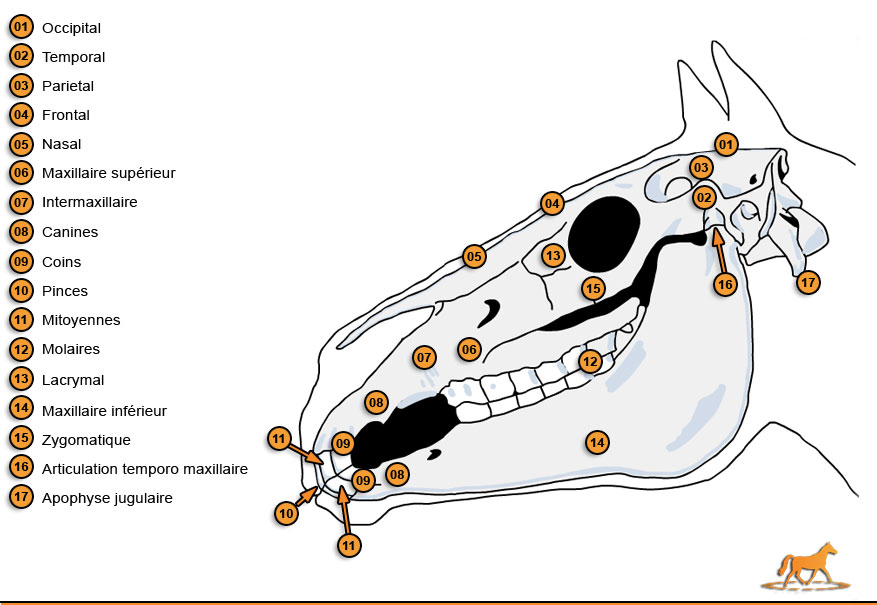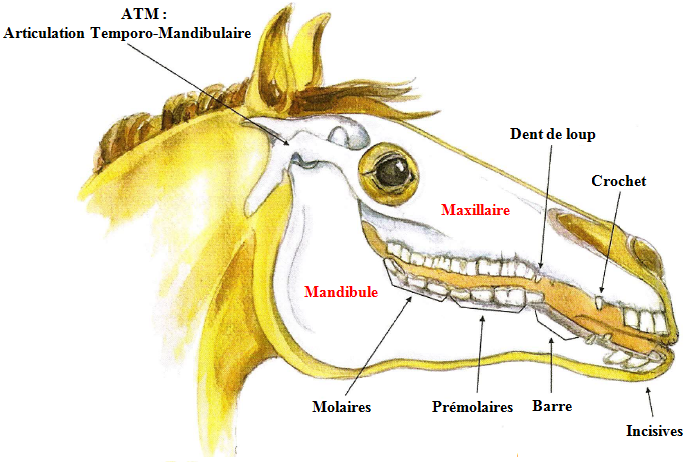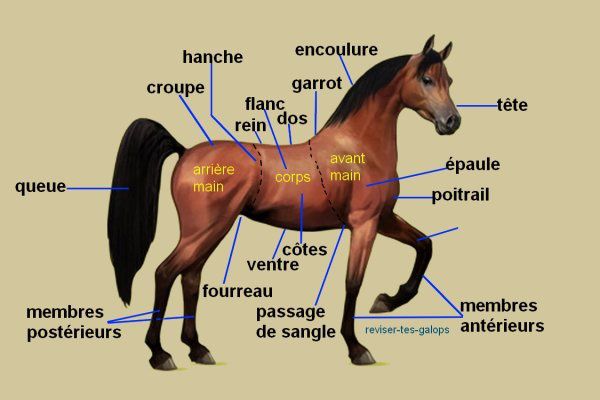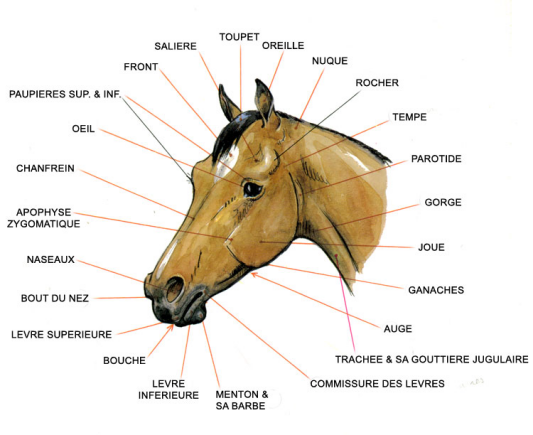
Ah, "Parties de la Tête du Cheval"... Sounds intriguing, doesn't it? Like some secret society or maybe even a slightly bizarre culinary dish! But it's neither. It's simply French for... wait for it... "Parts of the Horse's Head."
Don't run off just yet! I know, I know, not exactly dinner party conversation. But stick with me. There's a charm to knowing the names of things, even if those things are, well, equine facial features.
The Basics: Un Petit Tour
Alright, so where do we start? Let's imagine a beautiful cheval, standing proud and strong. We're talking about the anatomy of its noble head, a landscape of muscles, bones, and expressive features. Think of it as a very specific, very fascinating, map.
First, you have the front. Obvious, right? But in French, it’s “le front”. Visualize stroking a horse's forehead. Feel that gentle curve? C'est le front!
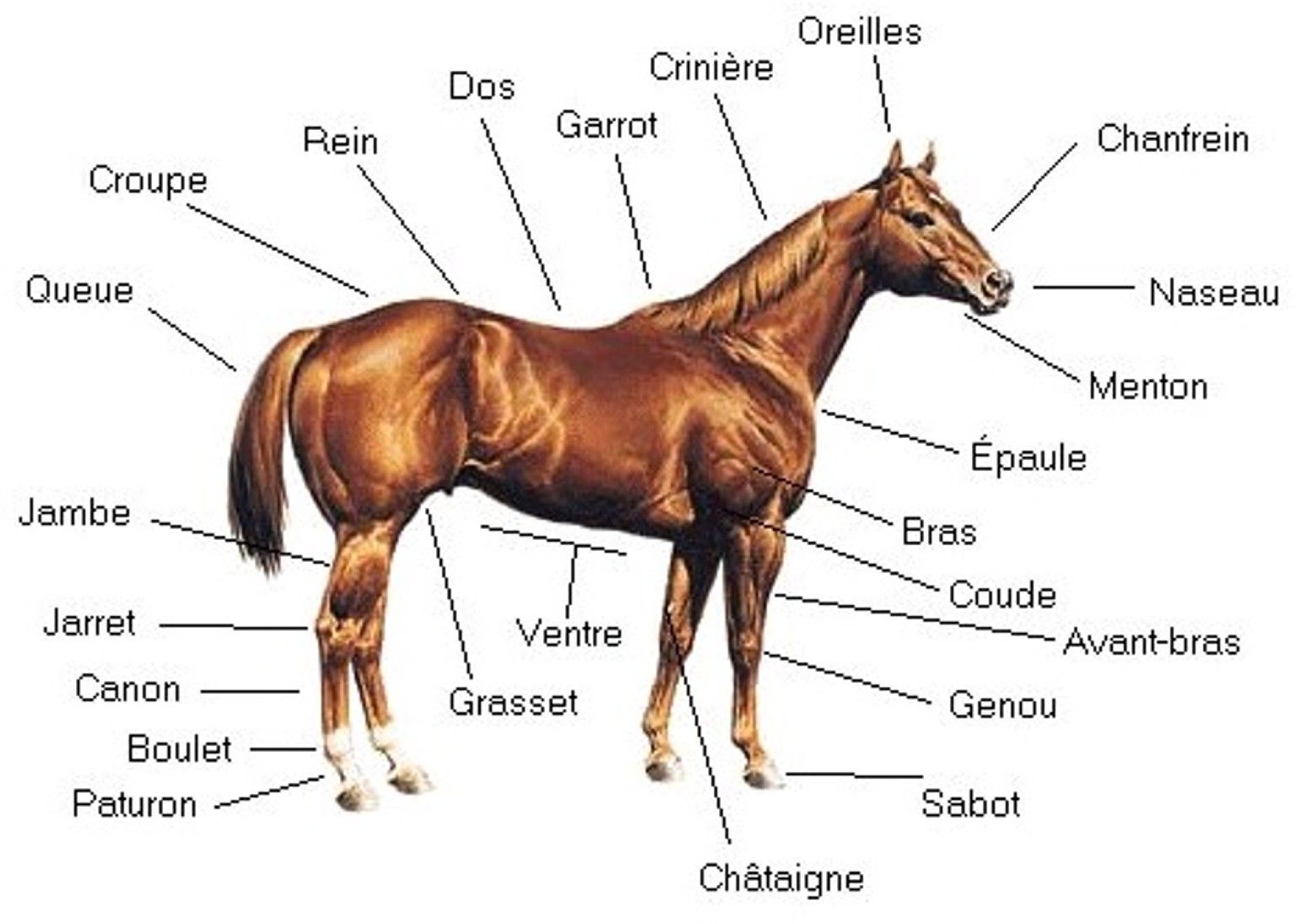
Next, les oreilles. The ears. Always twitching, always listening. So expressive! Ever watched a horse respond to the slightest sound? It’s all in those ears.
And then we have les yeux, the eyes. Big, dark, and full of wisdom, or maybe just looking for a tasty apple. Can you imagine the world through a horse’s eyes? It’s a thought worth pondering. They are the windows to the soul, even for a horse!

Then comes le chanfrein, which is a fancy word for the bridge of the nose. From the top of the forehead down to the nostrils. It's a key feature that defines a horse's profile. Think of those Roman noses on some breeds. That's some serious chanfrein!
More Details: Getting Specific
Ready to dive a little deeper?
Let’s talk about les naseaux. The nostrils! These aren't just little holes; they're powerful intake valves for air, especially when a horse is galloping at full speed. Watch them flare!

And what about la bouche, the mouth? Equipped with strong teeth for grinding down grasses and hay, and surprisingly sensitive lips that can pick up even the smallest grain of oats. Imagine the delicate precision!
Then, we have les ganaches. The jowls. Those fleshy areas on either side of the lower jaw. They fill out as the horse matures. Sometimes you see a bit of drool… but let’s not dwell on that!
Don't forget le menton, the chin. Perhaps not as prominent as a human chin, but it's there. That subtle curve completing the lower part of the head.
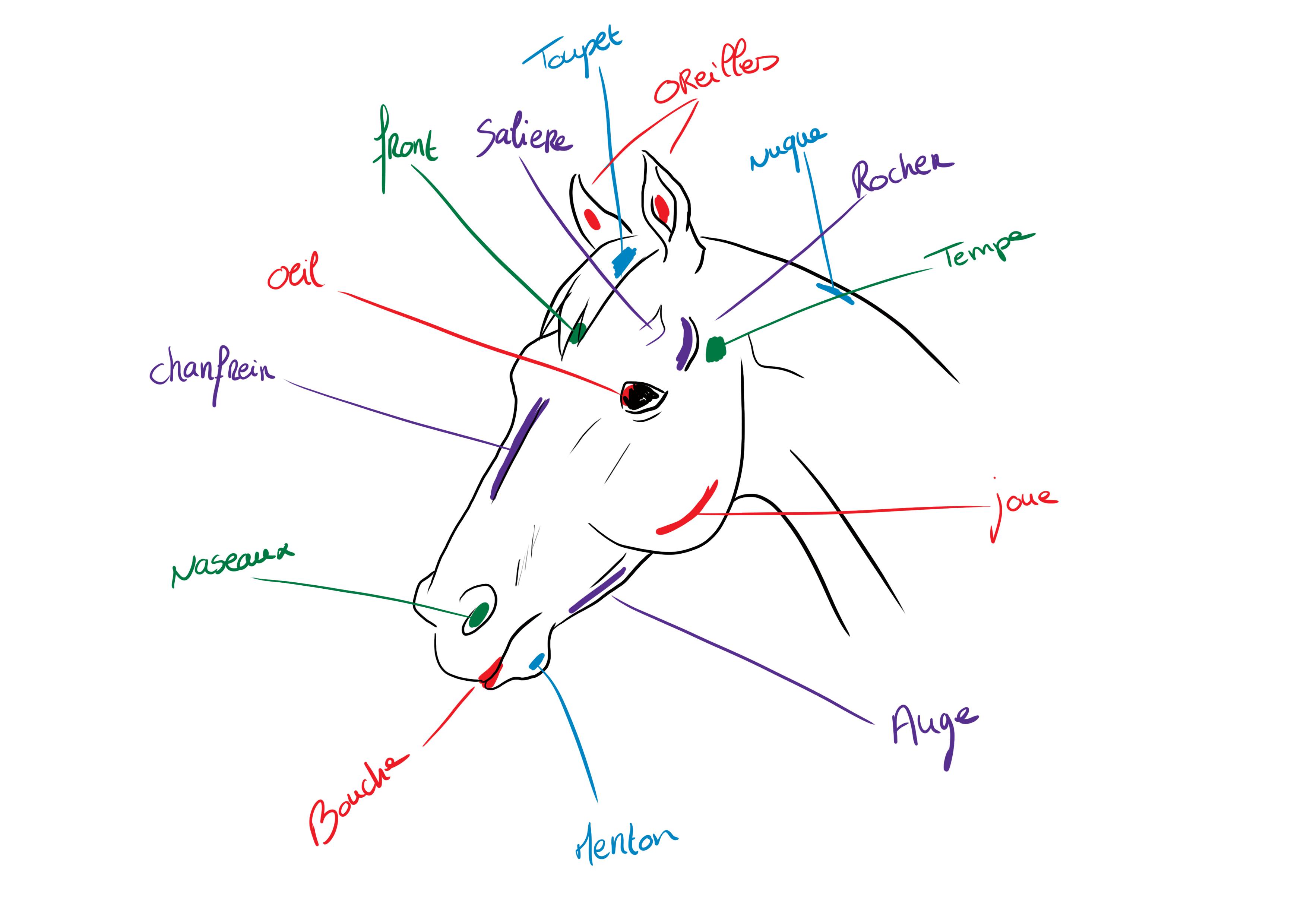
And finally, la nuque, the poll. This is the highest point of the neck, just behind the ears. It’s a crucial area for communication between horse and rider. A subtle shift in weight, a slight rein pressure... it all starts at the poll.
Why Bother? A Little Digression
Okay, I know what you might be thinking: "Why do I need to know all this?" Fair question! But consider this: knowing the names of things gives you a deeper appreciation for them. Think of learning the different parts of a flower, or the constellations in the night sky. It's not just about memorization; it's about connection.
Plus, if you ever find yourself at a French equestrian event, you'll be able to impress everyone with your sophisticated vocabulary! 😉

It also deepens your understanding if you happen to be working with horses. Communicating with vets, farriers, or even just describing your horse to a friend becomes more precise and informed.
Beyond the Words: A Feel-Good Ending
So, "Parties de la Tête du Cheval"... it's more than just a list of French words. It's an invitation to appreciate the beauty and complexity of these magnificent animals.
Maybe next time you see a horse, you'll take a moment to observe its yeux, its chanfrein, its oreilles. You'll appreciate the way each part works together to create a creature of grace and power. And who knows? Maybe you'll even impress someone with your newfound knowledge of French equestrian terminology.
And isn't that a lovely thought? Now, if you’ll excuse me, I think I’ll go find a picture of a horse. Or maybe even an apple… for inspiration, of course!