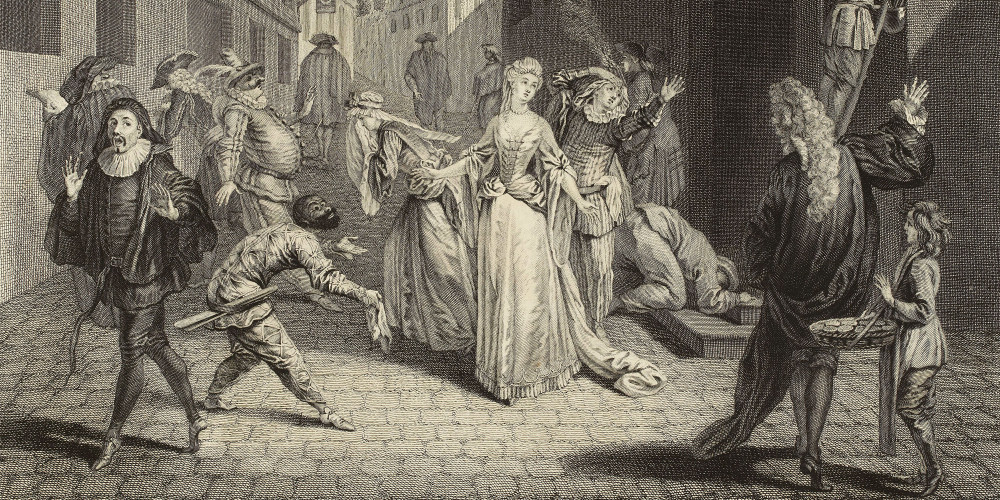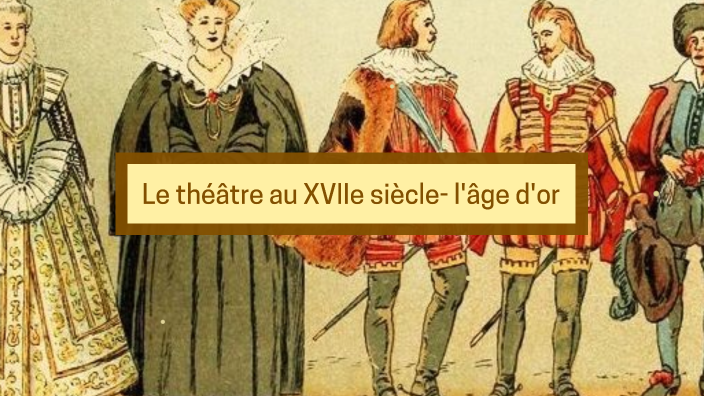
Salut les amis! Ever dreamt of time-traveling? Well, put down that flux capacitor (unless you actually have one!), because today we're diving headfirst into 17th-century France, a world of powdered wigs, elaborate costumes, and, you guessed it, some seriously juicy theatre. Think Netflix, but live, even more dramatic, and without the option to binge-watch (patience, mes amis, patience!).
A Stage Set for Drama: What Was 17th-Century France Like?
Picture this: Louis XIV, the Sun King, is shining bright (and probably blinding people with his diamond-encrusted everything). France is booming, arts are flourishing, and everyone who's anyone wants to be seen at the theatre. It was the era of absolutism, where the king held all the power, and the arts were used, in part, to showcase that power. But it wasn’t just about showing off; theatre was also a mirror reflecting society's values, anxieties, and, of course, its sense of humour.
Key Players in the Theatrical Game
So, who were the big names lighting up the stage? Let's meet our all-star cast:
- Molière: The king of comedy! Think of him as the French Shakespeare, but funnier (don't tell the Bard I said that!). Tartuffe, Le Misanthrope, L'Avare... his plays are timeless classics poking fun at hypocrisy and societal absurdities.
- Corneille: Master of tragedy and moral dilemmas. His plays, like Le Cid, are filled with noble characters wrestling with duty, love, and honour. Get ready for some serious internal conflict!
- Racine: Another titan of tragedy, but with a focus on intense emotions and psychological depth. Phèdre is a powerhouse of a play exploring forbidden desires and the destructive power of passion. Prepare for heartbreak!
The Rules of the Game: Classical Theatre's Code
Now, 17th-century theatre wasn't just a free-for-all. There were rules, darling, rules! These rules were inspired by the writings of Aristotle, so get ready for a little bit of literary history.
The Three Unities
These are the cornerstones of classical French theatre. Think of them as the golden rules:
- Unity of Action: One main plot, no messy subplots distracting from the main event. Keep it focused, people!
- Unity of Time: The play's action should take place within a 24-hour period. Talk about a pressure cooker!
- Unity of Place: All the action happens in a single location. No globetrotting adventures here.
These rules might sound restrictive, but they actually pushed playwrights to be incredibly creative within those boundaries. It’s like being asked to create a masterpiece using only three colours - the limitations can be surprisingly inspiring.
Decorum and Verisimilitude
Decorum meant that characters had to behave according to their social status. Kings acted like kings, servants acted like servants (mostly). Verisimilitude meant that the play had to be believable. No dragons or magic spells here (unless you were sneaking them in under the radar!). The goal was to reflect reality, but in a heightened, dramatic way.
Going to the Theatre: A Night Out in 17th-Century Paris
Okay, so you've managed to snag a ticket to the hottest show in town. What can you expect?
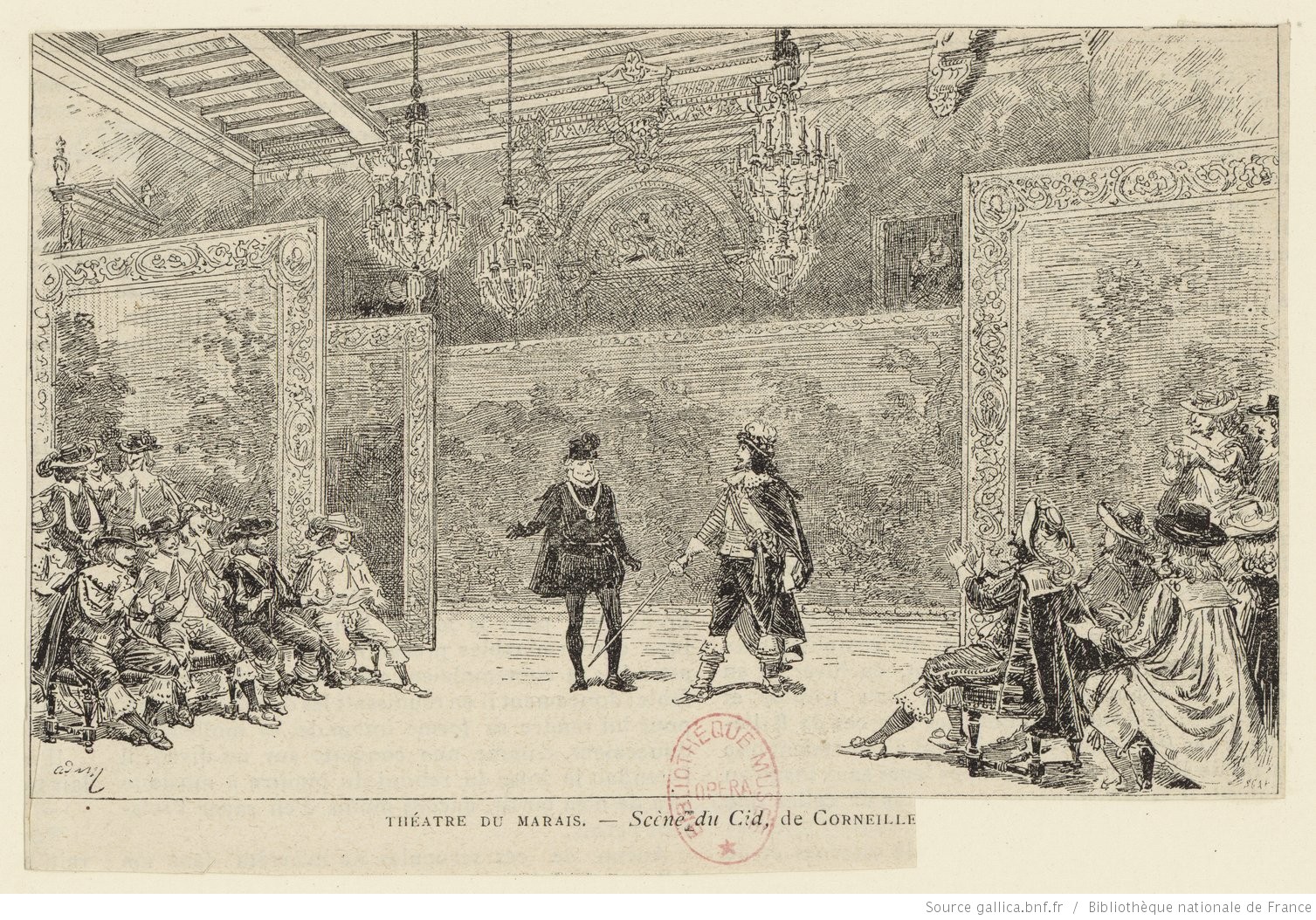
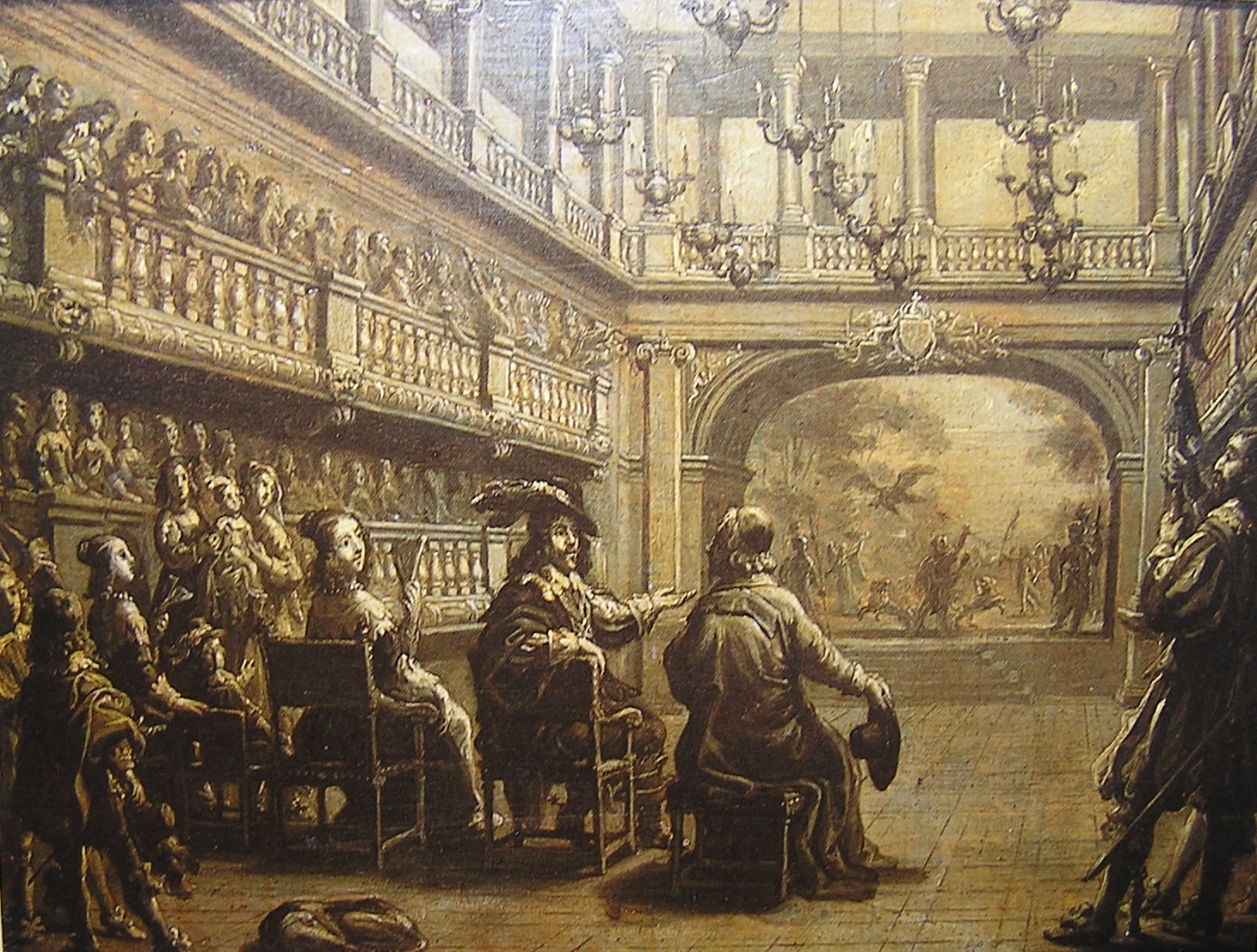
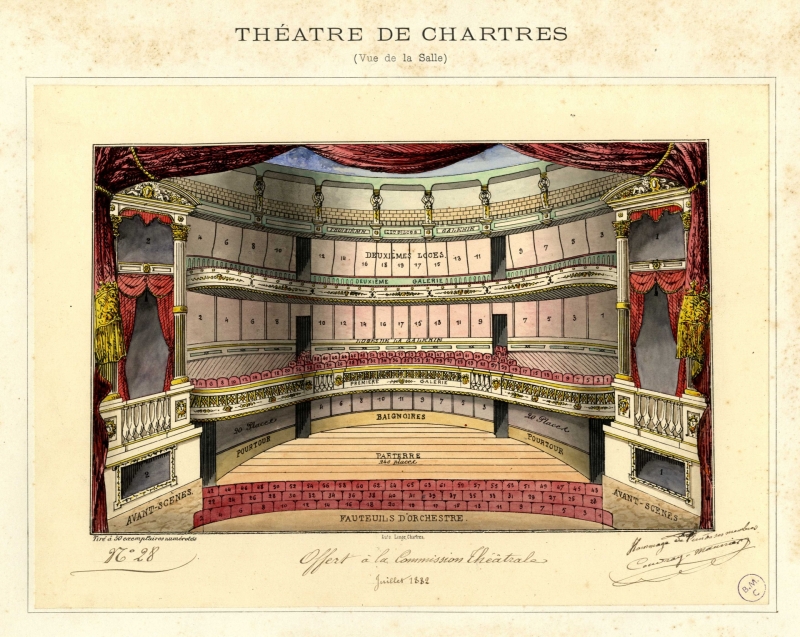
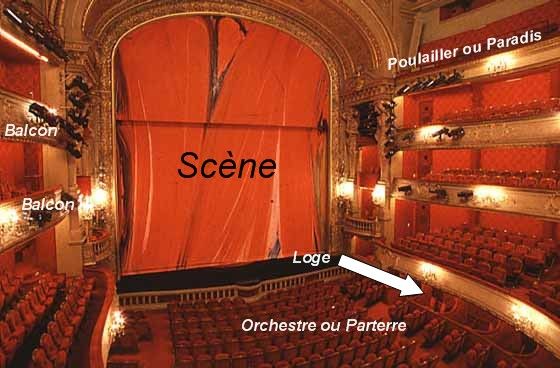
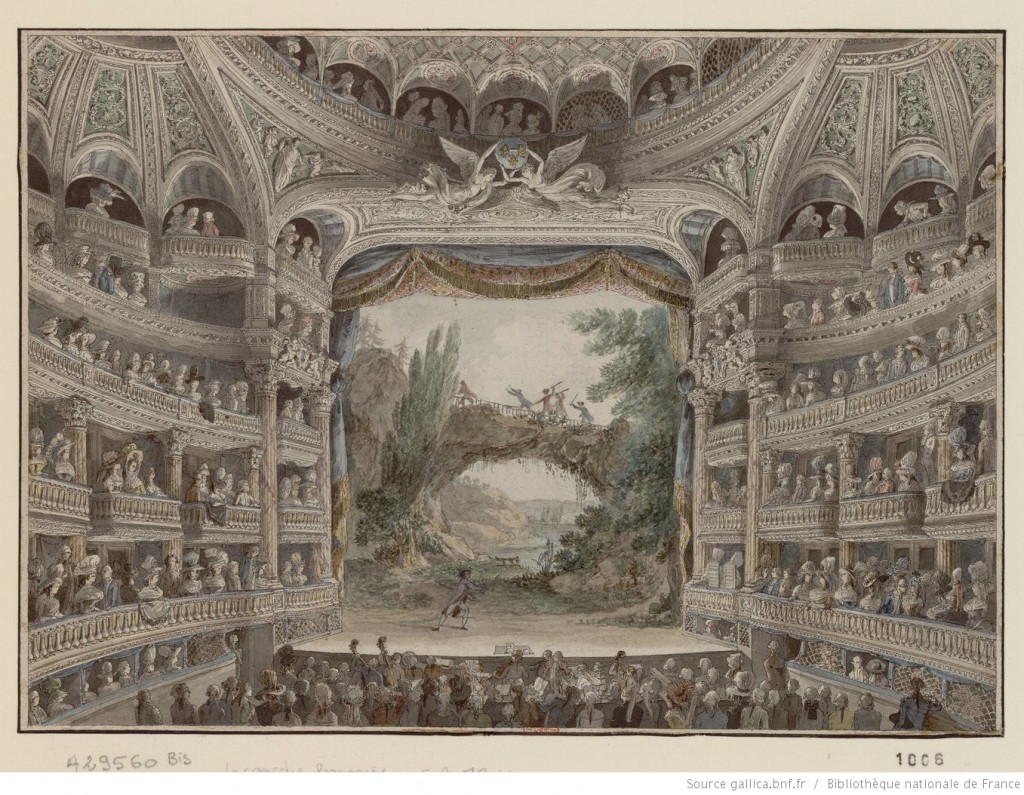
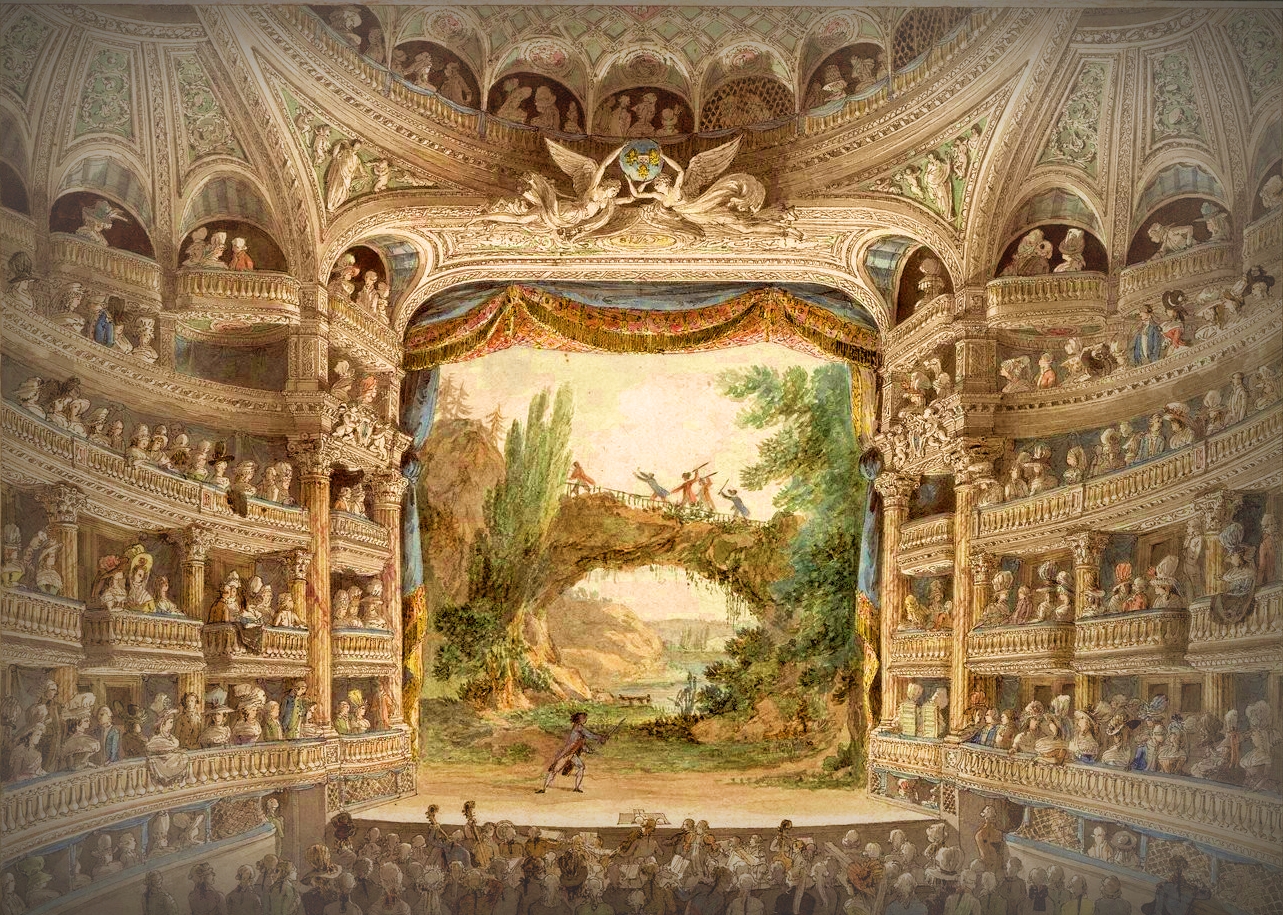
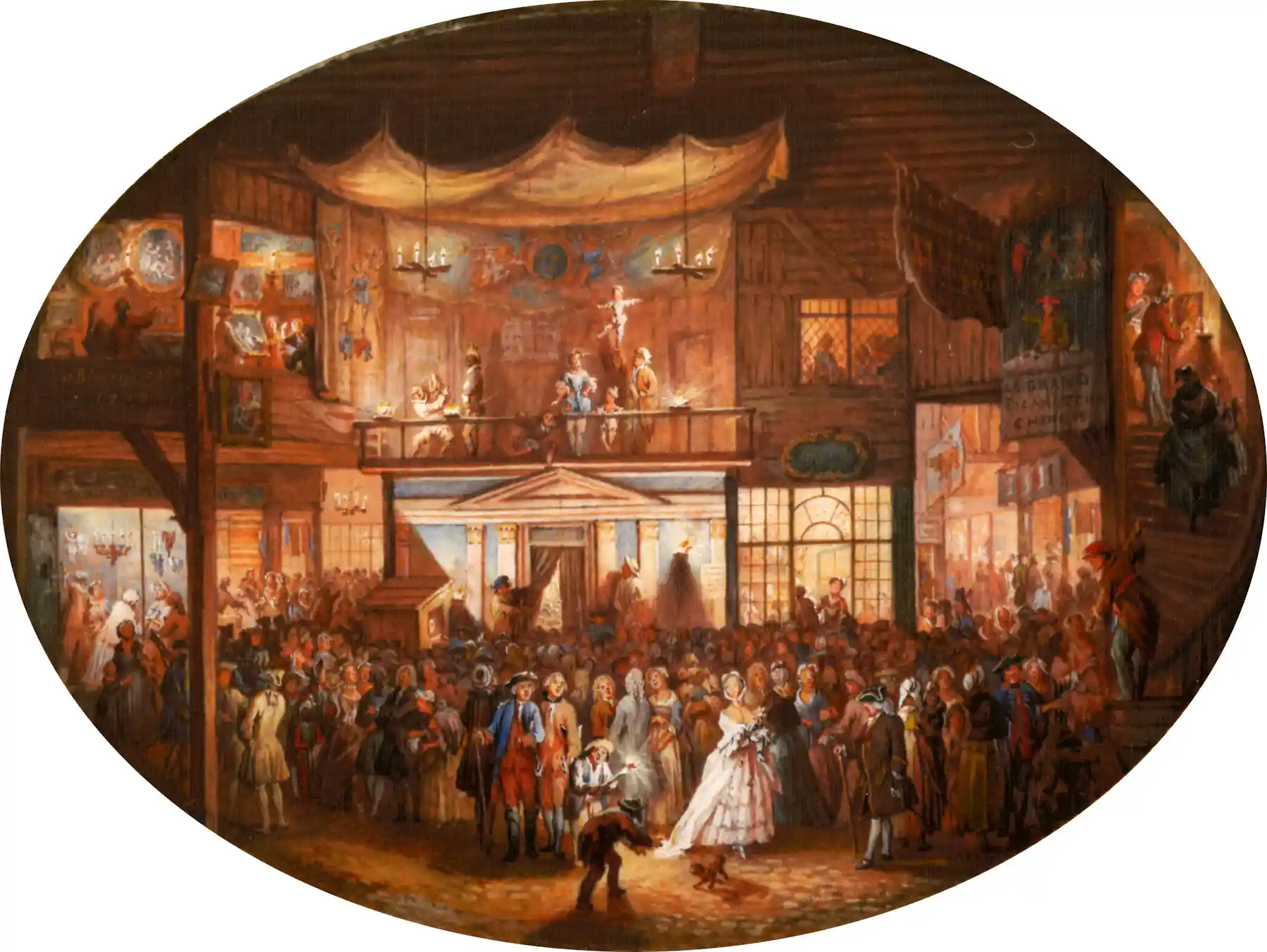
- The Venue: Theatres like the Hôtel de Bourgogne or the Théâtre du Marais weren't exactly luxurious. Think crowded, noisy, and dimly lit.
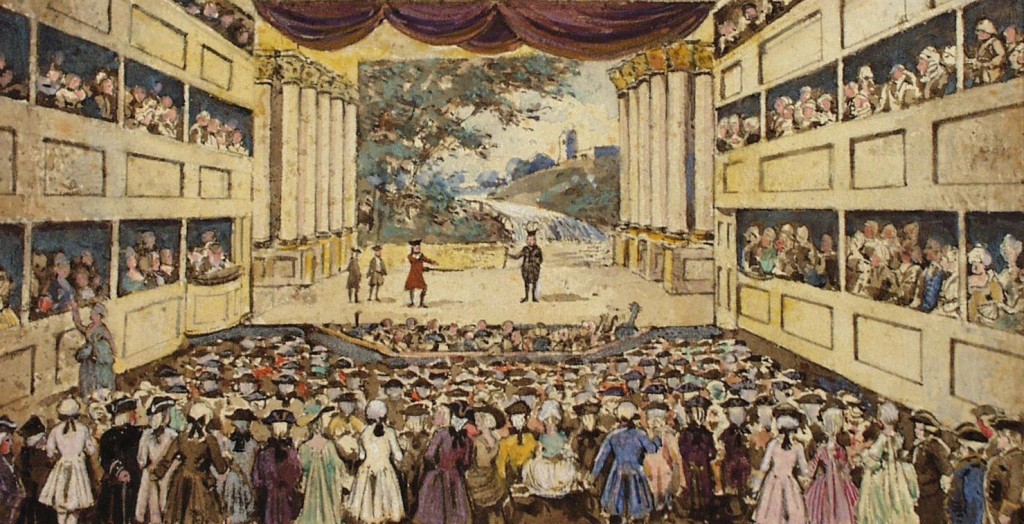
- The Audience: A mix of social classes, from nobles in their finest silks to commoners packed like sardines in the pit (the area in front of the stage). Expect lively commentary and audience participation!
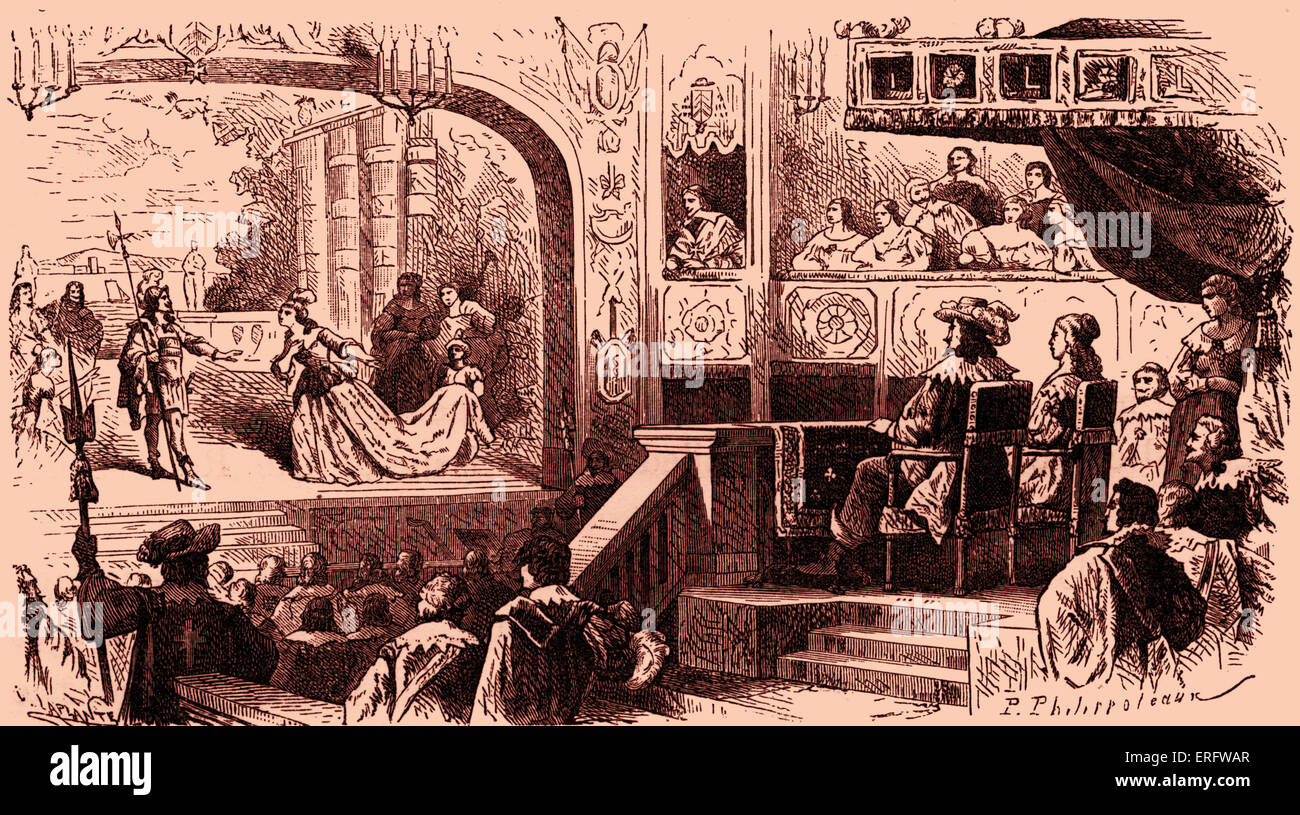
- The Performance: Actors would wear elaborate costumes, recite their lines with dramatic flair, and project their voices to be heard above the din. Expect grand gestures and passionate delivery!
- Intermission Entertainment: Short farces or musical interludes to keep the audience entertained between acts. Think of it as the 17th-century equivalent of movie trailers.
Pro Tip: If you wanted to make a statement, you could even sit on the stage! It was a popular (and very visible) spot for wealthy patrons to show off their status. Talk about being part of the show!

Why Should You Care? The Enduring Legacy
So, why should you care about plays written centuries ago? Because these plays are more than just historical artifacts; they're timeless explorations of the human condition. Molière’s comedies still make us laugh because hypocrisy and vanity are still alive and well today. Corneille’s tragedies still resonate because we all face difficult choices and wrestle with our own sense of duty. Racine's plays remind us that emotions can be powerful and destructive forces.
Bringing the Classics to Life Today
You don't have to be a scholar to appreciate these plays. There are plenty of ways to engage with them in a modern context:

- Read the Plays: Many translations are available, making them accessible to a wider audience.
- Watch Performances: Look for modern interpretations of classical plays in your local theatre scene.
- Explore Film Adaptations: There are numerous film versions of Molière, Corneille, and Racine's works.
- Listen to Podcasts: Many podcasts discuss classical literature and theatre, providing insightful commentary and analysis.
Fun Fact: Did you know that Molière supposedly died on stage during a performance of Le Malade Imaginaire (The Imaginary Invalid)? Talk about dedication to your craft!
A Final Act: Connecting the Past to the Present
Think about it: in a world obsessed with instant gratification and fleeting trends, there's something deeply satisfying about engaging with works that have stood the test of time. The themes explored in 17th-century French theatre – love, loss, ambition, betrayal – are still relevant today. By understanding the past, we can gain a better understanding of ourselves and the world around us.
So, the next time you find yourself caught in a web of drama (whether it's at work, in your family, or just your own internal monologue), remember the characters of Molière, Corneille, and Racine. They remind us that even in the midst of chaos and conflict, there's always room for humour, reflection, and a little bit of theatrical flair. And who knows, maybe you'll even find inspiration for your own performance on the stage of life!
/stickers-interieur-theatre-du-17eme-siecle-vue-du-19eme-siecle.jpg.jpg)