Okay, picture this: I'm stuck in Parisian traffic, honking galore, the sun beating down like a grumpy landlord demanding rent. Suddenly, I spot a scooter weaving through the chaos, the rider sporting a smug little grin. He zips past, seemingly oblivious to the gridlock, thinking he's accomplished some Herculean feat. And I couldn't help but think, "Dude, you're still stuck in the same traffic jam as the rest of us!" Ah, human nature... It's in moments like these that I find myself pondering the wisdom of the ages, specifically, a certain little fly and her rather inflated sense of self. You know the one...
Speaking of wisdom, have you ever heard of La Mouche du Coche, that little fable by Jean de La Fontaine? If not, buckle up, because it’s a classic that’s surprisingly relevant even today – especially when you're stuck in Parisian traffic with a particularly smug scooter rider. And if you have heard of it, well, maybe it's time for a refresher!
The Tale of the Overconfident Fly
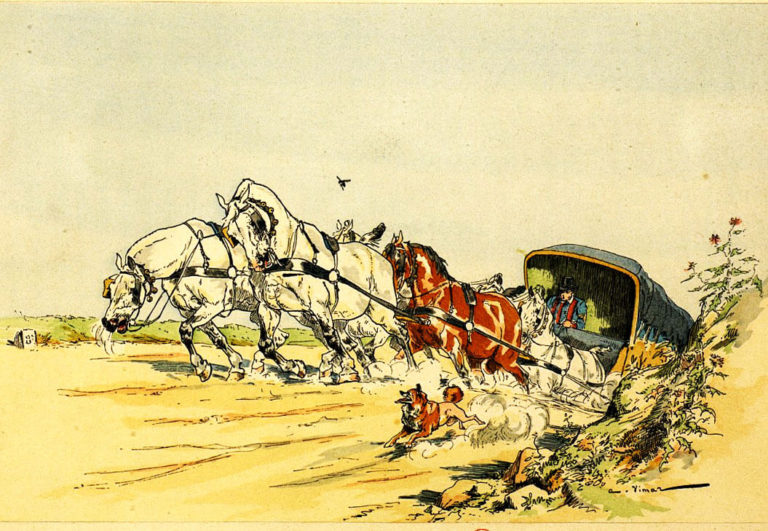
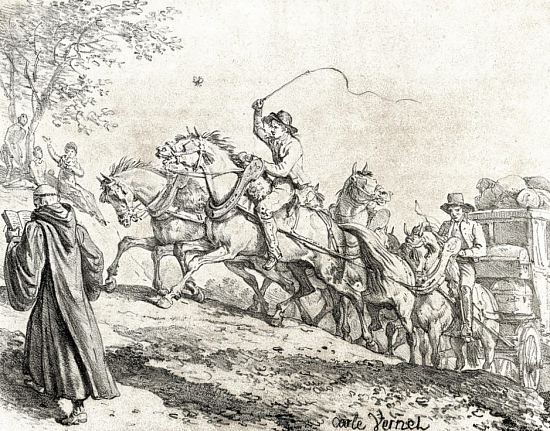
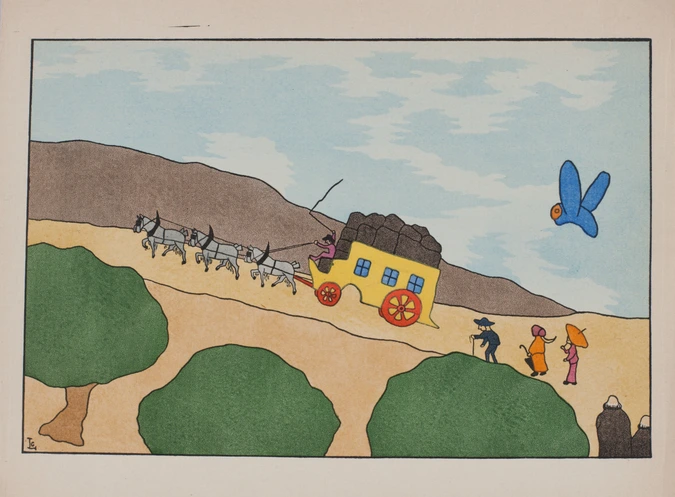
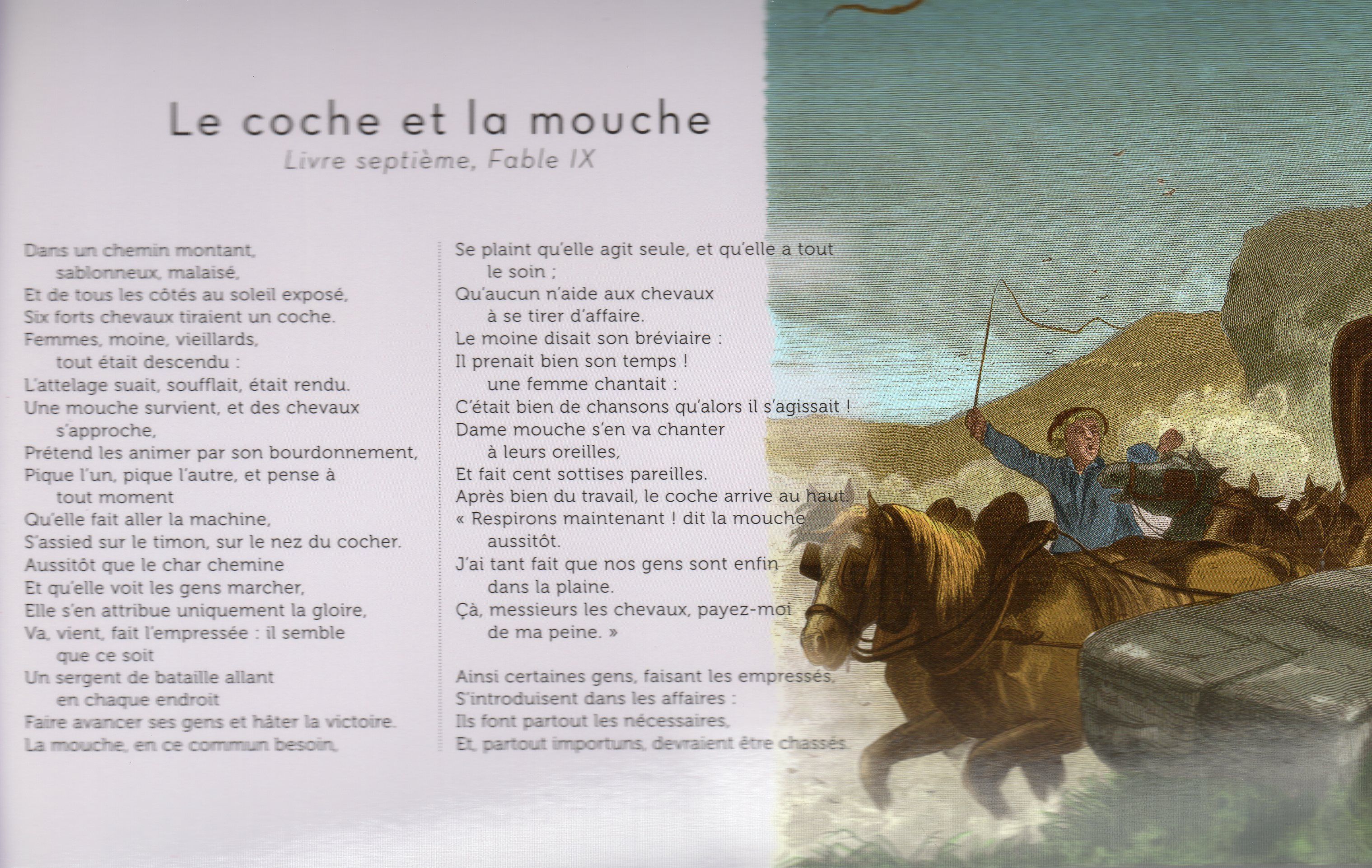
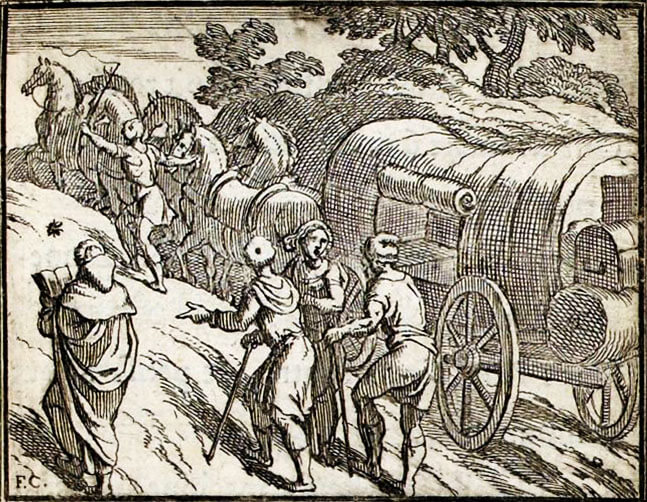
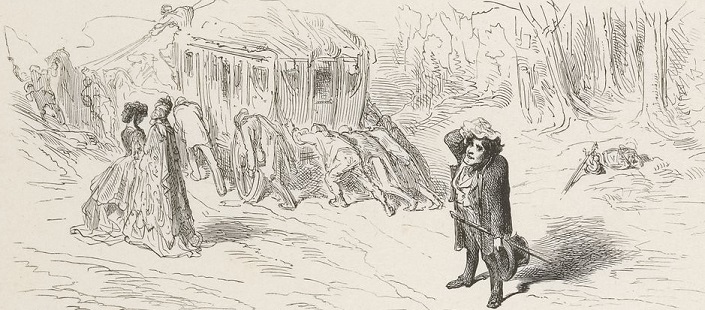
The story is simple, but the message is profound. A fly, buzzing around a horse-drawn carriage, starts to believe it's actually contributing to the carriage's progress. Seriously. She thinks she's the engine of the whole operation! She stings the horses (which, let's be honest, is just rude), buzzing loudly as if shouting encouragement. And at the end of the journey, she proudly declares, "We have arrived!" to the coachman, fully convinced she played a pivotal role in the safe arrival of all the passengers to their destination.
Ridiculous, right? That's the point. The fly, in her immense ego, has completely misjudged her importance. She's a nuisance, at best, and completely inconsequential, at worst. The fable's moral, as La Fontaine himself points out, is about those who exaggerate their own importance, those who think they're indispensable when, in reality, they're just buzzing around, annoying everyone.
Breaking Down the Fable: The Fly's Delusion
Let's dissect the fly's delusion, shall we? Because, honestly, we've all been a bit like that fly at some point in our lives. Maybe not buzzing and stinging (hopefully not stinging!), but definitely overestimating our impact on things. I know I have. Tell me I'm wrong!
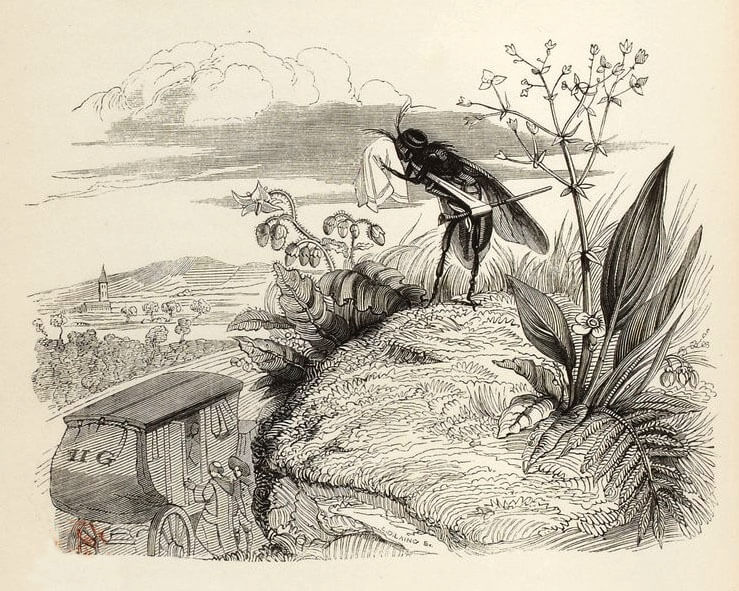
- The Illusion of Control: The fly feels like she's in control because she's there. She's buzzing, she's moving, she's doing something. But her actions have no real effect. This is a classic example of confusing activity with productivity. Have you ever spent hours on a task that ultimately didn't matter? Yep, you were the fly.
- Misinterpreting Causation: The fly sees the carriage moving and assumes she's responsible. She fails to recognize the true drivers of the situation: the horses, the coachman, the road itself. This is a common cognitive bias: confusing correlation with causation. Just because two things happen at the same time doesn't mean one caused the other.
- The Need for Recognition: The fly craves validation. She wants the coachman to acknowledge her contribution, to thank her for her hard work. This highlights our inherent human need for recognition and appreciation. But sometimes, that need can lead us to inflate our own role.
So, What's the Point? Relevance Today?
Okay, a talking fly in a carriage sounds a bit… antiquated. So, why should we care about this centuries-old fable today? Because the core message is timeless. Think about it…
- In the Workplace: How many times have you seen someone take credit for a team effort, exaggerating their individual contribution? Or maybe you've been that person? (Don't worry, we won't tell.) La Mouche du Coche reminds us to be humble and to recognize the contributions of others.
- In Politics: The political landscape is riddled with "flies" who claim credit for successes while conveniently ignoring their failures (or the contributions of others). The fable encourages us to be critical thinkers, to question the narratives we're presented with, and to look beyond the self-serving pronouncements.
- In Social Media: Social media is practically a breeding ground for "mouches du coche." People curate their online personas to project an image of success and influence, often exaggerating their achievements and contributions. This fable reminds us to be mindful of the illusions of social media and to focus on genuine connection and contribution. Let's be honest, who hasn't posted something online, hoping for validation? Me included!
- In Personal Relationships: Even in our personal lives, we can fall into the trap of the "mouche du coche." We might overestimate our importance in a relationship or take credit for successes that were the result of mutual effort. The fable encourages us to practice humility and to appreciate the contributions of others.
Avoiding the "Mouche du Coche" Trap
So, how do we avoid becoming the annoying fly? Here are a few tips:
- Practice Self-Awareness: Be honest with yourself about your strengths and weaknesses. Recognize your limitations and avoid overestimating your abilities. This takes real work, folks!
- Give Credit Where It's Due: Acknowledge the contributions of others. Be generous with praise and recognition. Share the spotlight.
- Focus on Collaboration: Understand that most achievements are the result of collaboration. Value teamwork and recognize the importance of each team member's contribution.
- Stay Humble: Cultivate a sense of humility. Remember that success is often the result of luck, circumstance, and the support of others.
- Ask yourself, "Am I really helping, or am I just buzzing around and annoying everyone?" This is the golden question!
The Bigger Picture: Humility and Perspective
Ultimately, La Mouche du Coche is a fable about humility and perspective. It's a reminder that we are all part of something bigger than ourselves and that our individual contributions, while important, should be viewed in the context of the larger whole. It's easy to get caught up in our own little worlds and to overestimate our importance. But by cultivating humility and perspective, we can avoid becoming the annoying fly and instead contribute meaningfully to the world around us.
Think of it this way: instead of being the fly buzzing around the carriage, be the well-oiled wheel that quietly and efficiently helps the carriage reach its destination. Less buzz, more substance.
And the next time you're stuck in Parisian traffic, just remember the little fly. It might help you maintain a sense of perspective (and maybe even a little humor) amidst the chaos. Just don't sting anyone.




_-_The_fly_and_the_ant_(La_mouche_et_la_fourmi)_-_Fables_by_La_Fontaine_-_(MeisterDrucke-1065100).jpg)