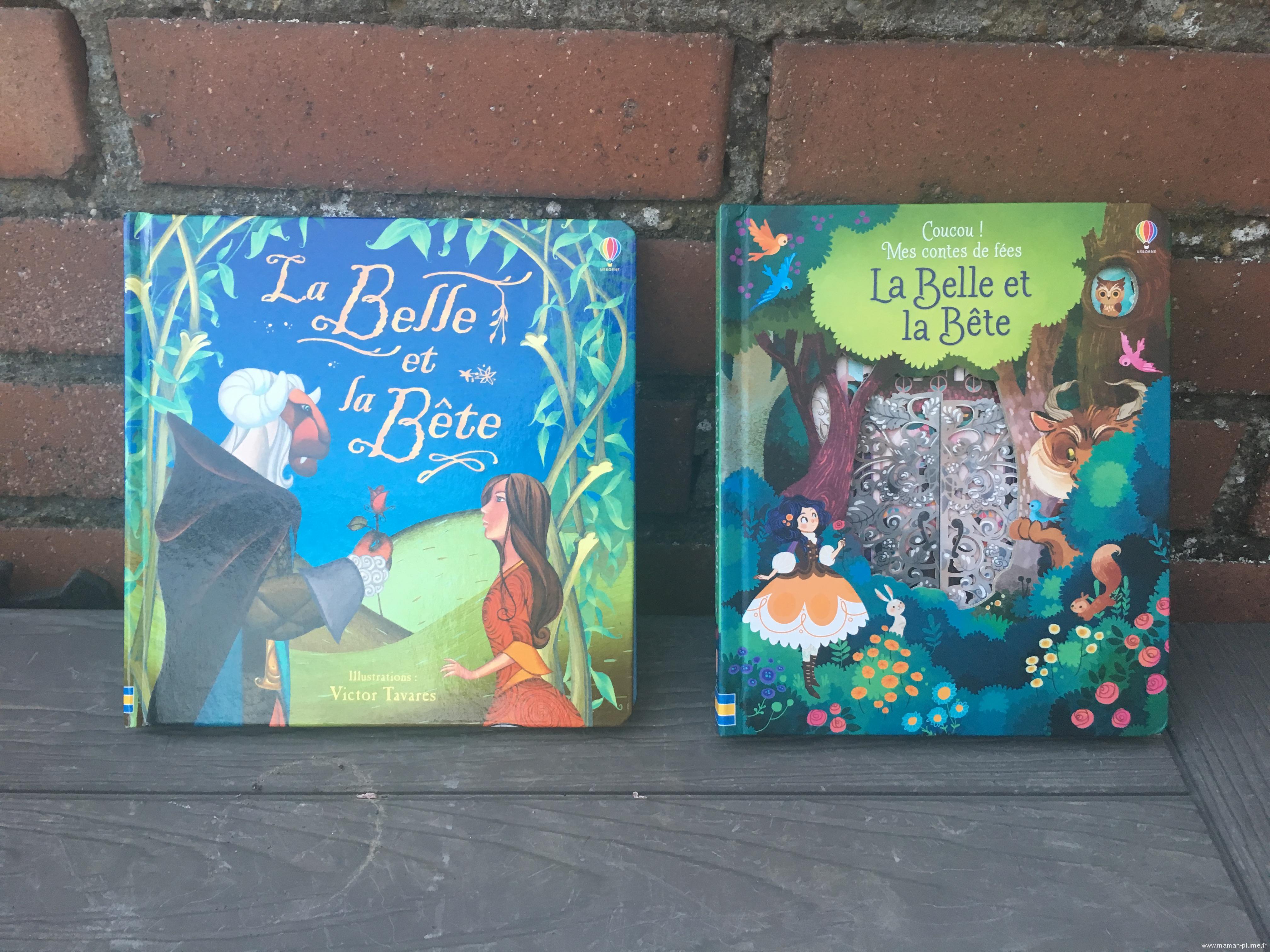
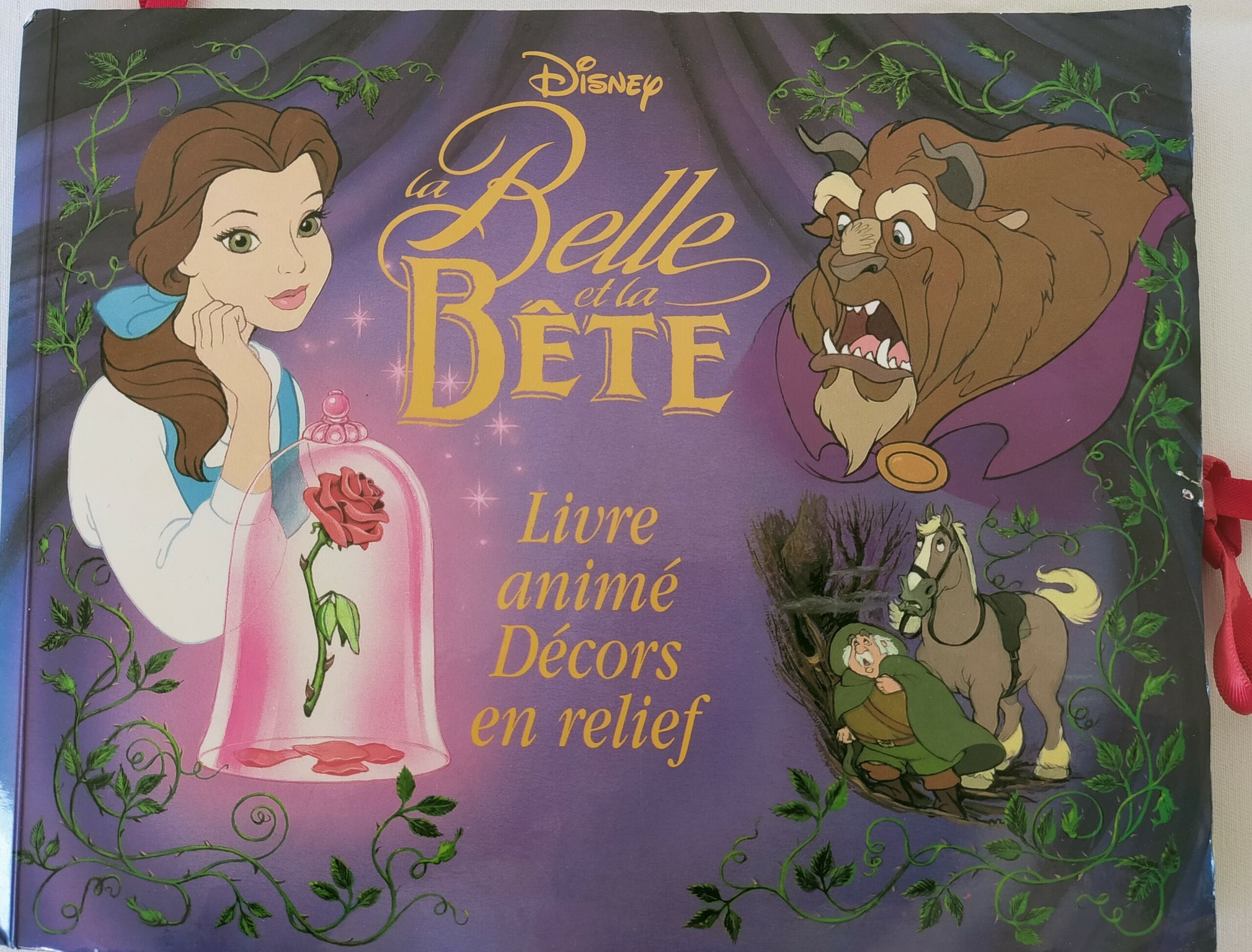
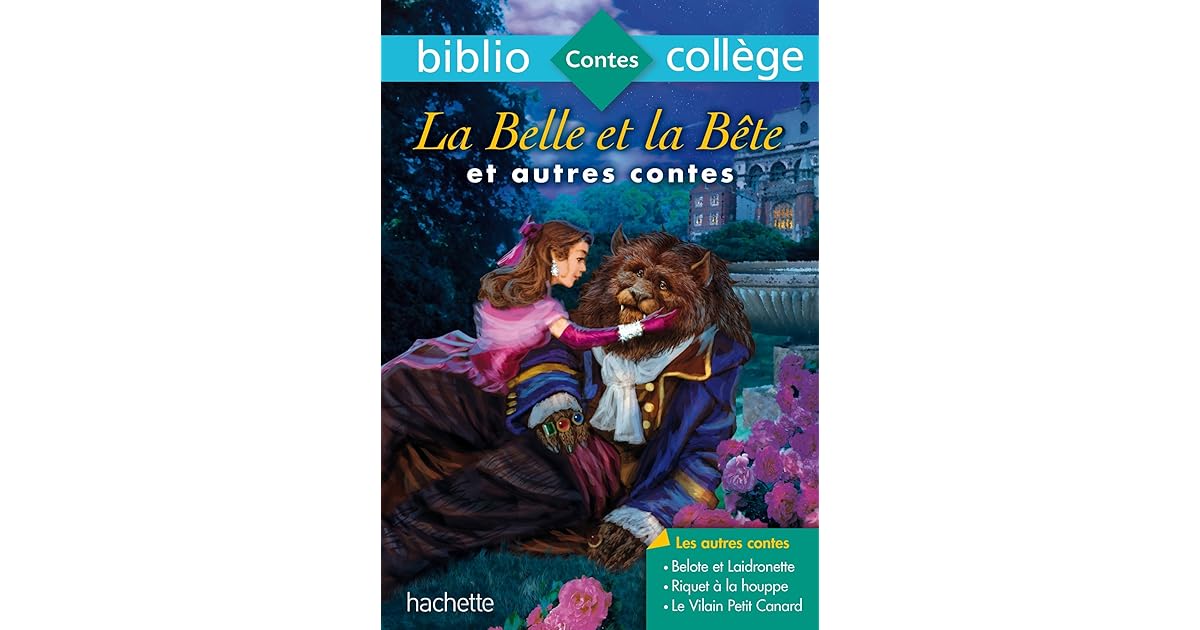
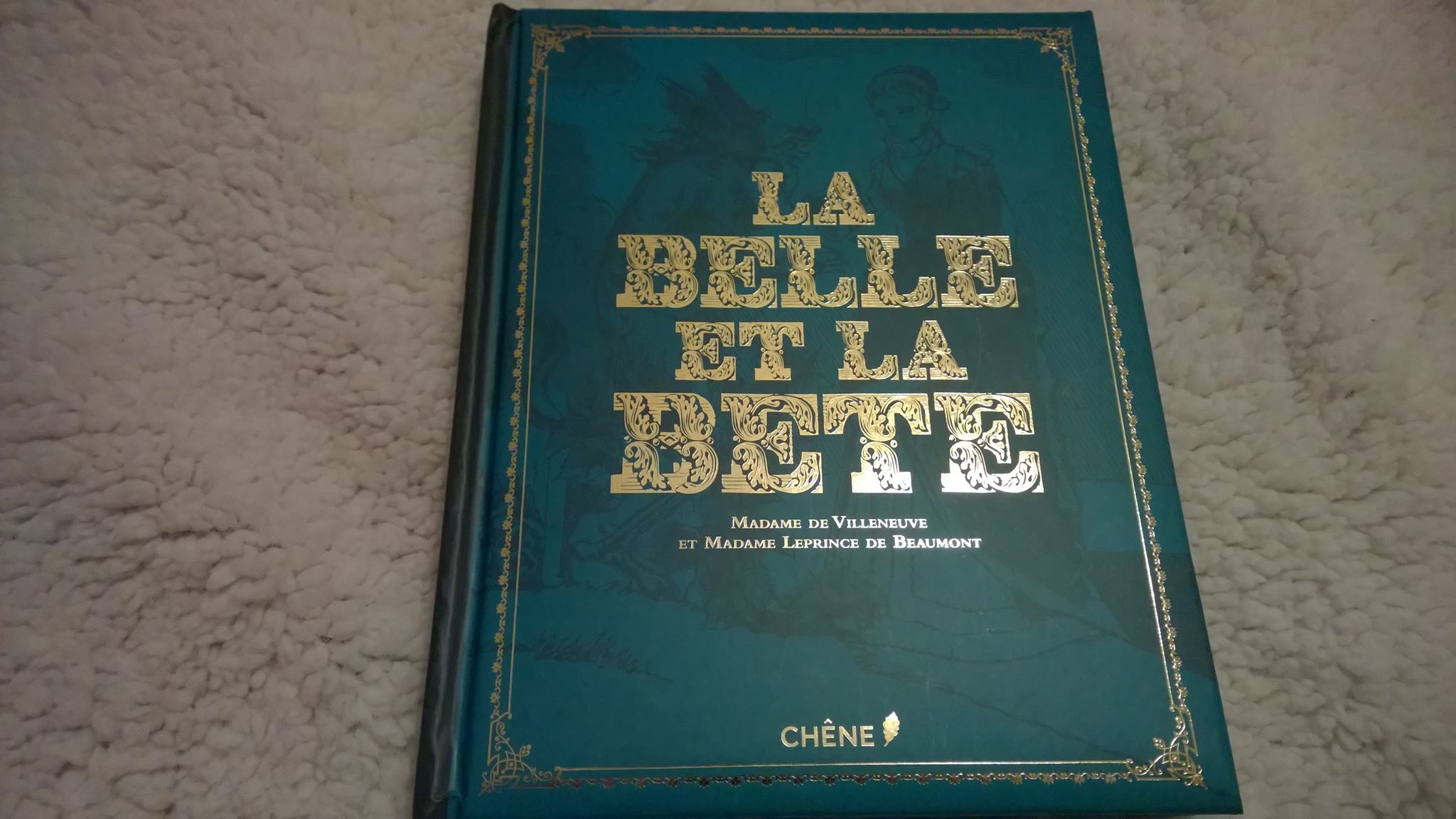
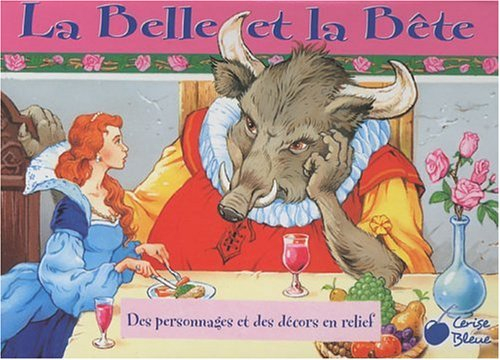
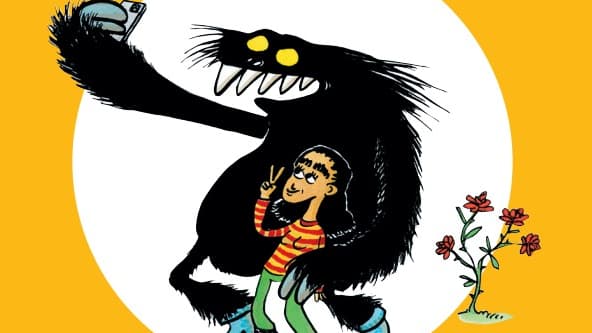
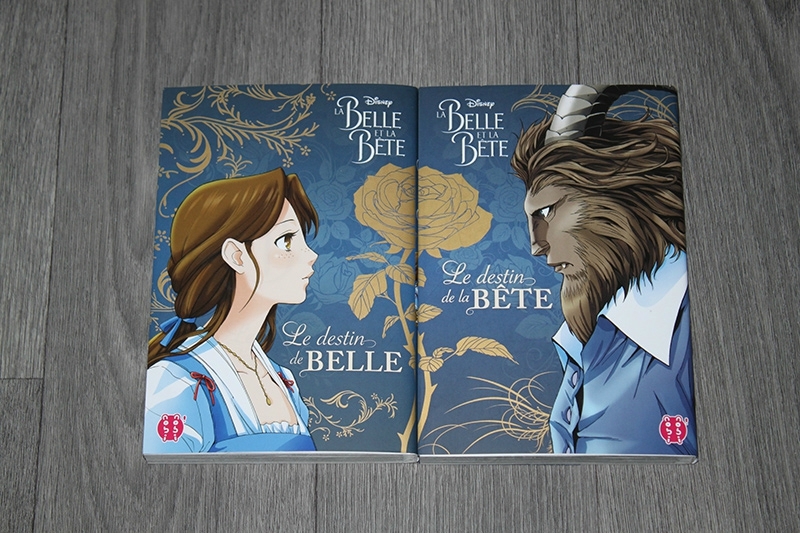
Okay, imagine this: I'm at a flea market, totally lost in a sea of vintage teacups and slightly dusty books. And there it is, nestled between a biography of Marie Antoinette (so predictable) and a collection of old postcards: a worn copy of La Belle et la Bête. Not the Disney version, mind you, but an older, classic edition. The cover was faded, the pages smelled of musty paper, but something about it just screamed "take me home!" Anyone else get that feeling with old books? Just me? Okay, moving on...
That little adventure got me thinking, you know? We all think we know La Belle et la Bête. Disney cartoons, Broadway shows, Emma Watson rocking a yellow dress... but how much do we actually know about the original story? Turns out, there's a lot more to unpack than talking candlesticks and a magic rose.
The Fairy Tale's Roots: Beyond the Mouse
La Belle et la Bête isn’t just some sugary sweet love story cooked up in a Hollywood studio. It’s a fairy tale, and fairy tales, let’s be honest, are often way darker and more complicated than we remember from childhood. (Remember Hansel and Gretel? That gingerbread house wasn't exactly Airbnb-approved.)
The most famous version of La Belle et la Bête comes from Gabrielle-Suzanne Barbot de Villeneuve, published in 1740. But even she wasn't working in a vacuum! Folktales about animal bridegrooms and cursed princes had been floating around for centuries. Think of it like a story passed down through generations, each storyteller adding their own little twist. Villeneuve’s version is much longer and more intricate than what we're used to, with lots of backstory about Belle's family and the Beast's origins. It's like the extended director's cut of a classic movie!
Why is this important?
- Understanding the origins gives context. You see the story not just as a romance, but as a reflection of the societal values and anxieties of the time.
- It highlights the difference between the original and its adaptations. The Disney version is beautiful, but it simplifies the story considerably.
- You get to sound super smart at your next cocktail party. "Oh, La Belle et la Bête? Yes, a classic reworking of ancient folktales..." Boom. Instant intellectual.
The Themes That Still Resonate (Even Today!)
So, what makes La Belle et la Bête endure? It's not just the enchanted castle and the talking furniture (though those are pretty cool). The story touches on some pretty deep themes that are still relevant today. I'm talking about things like:
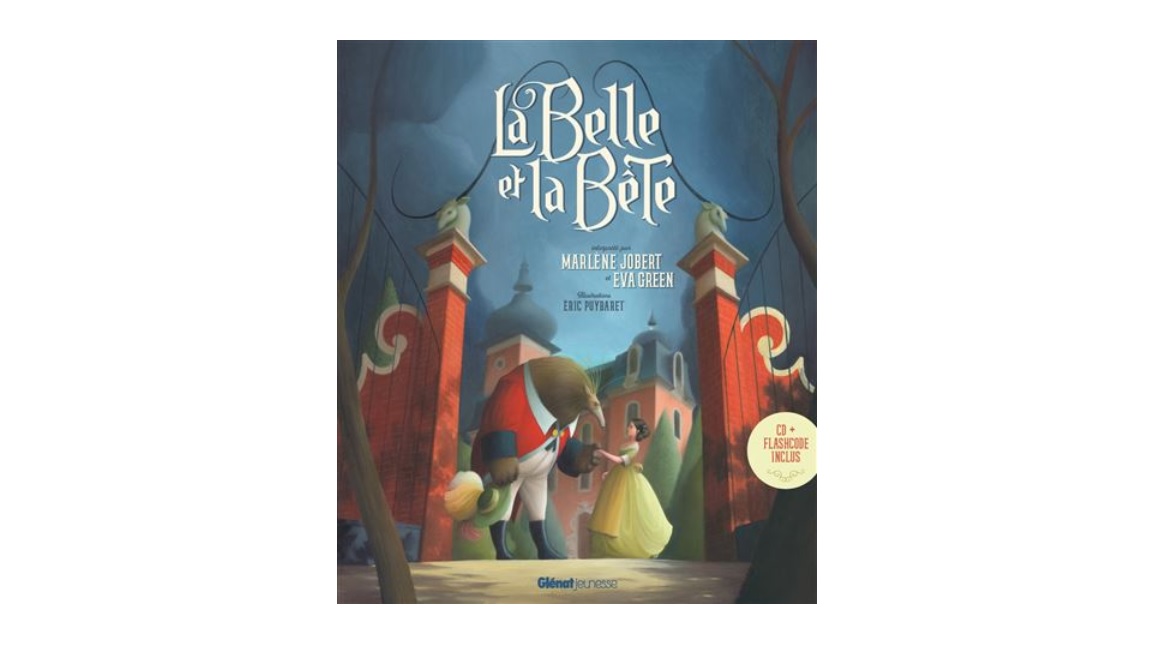
- Inner Beauty vs. Outer Appearance: This is the big one, right? Belle learns to look beyond the Beast's terrifying exterior and see the kind heart within. It’s a powerful message about judging people based on character, not looks. A message we could ALL use a reminder of.
- Sacrifice and Duty: Belle sacrifices her own freedom and happiness to save her father. This highlights the importance of family and the willingness to put others before yourself. No pressure, though!
- Redemption and Transformation: The Beast is a flawed character who undergoes a profound transformation. He learns to be kind, compassionate, and selfless. It's a story about hope and the possibility of change, even for the grumpiest of us.
- Forced Marriage and Female Agency: Okay, this is where it gets a little complicated. While the story ultimately celebrates love, it also starts with Belle being forced to live with the Beast. It raises questions about consent and female agency, especially in the context of arranged marriages, which were more common when the story was written. You know, food for thought!
Think about it: these themes are everywhere in modern media. From superhero movies to romantic comedies, we’re constantly grappling with the idea of inner beauty, sacrifice, and redemption. La Belle et la Bête just packages it in a particularly charming and timeless way.
Beyond the Plot: Little Details You Might Have Missed
Now, let’s dig into some of the nitty-gritty details of the original story that often get glossed over in adaptations. Prepare to have your Disney-fied world rocked!
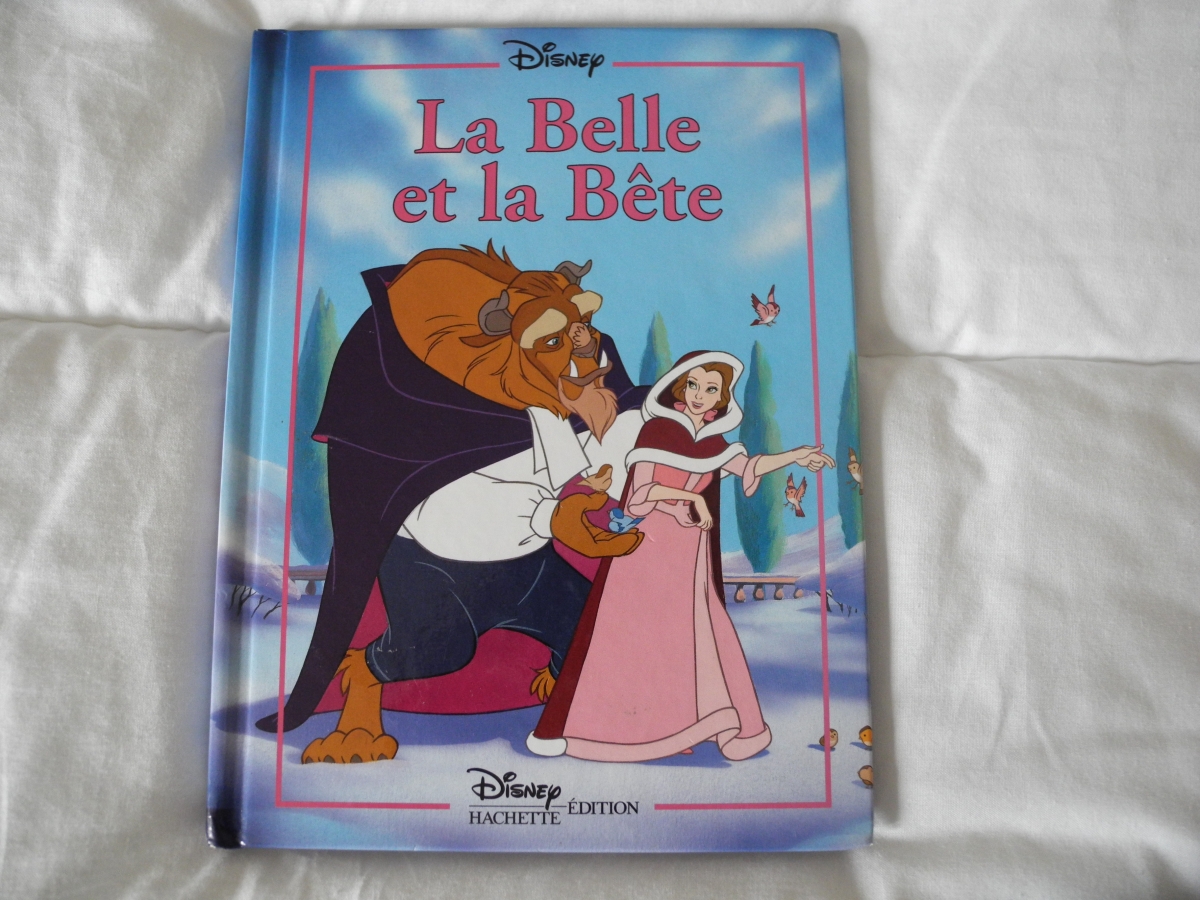
- Belle's Sisters: In Villeneuve's version, Belle has two incredibly jealous and unpleasant sisters. They’re constantly scheming to ruin her life and are basically the opposite of supportive siblings. (Anyone else relate to having a not-so-great sibling relationship? No? Just me again?)
- The Beast's Backstory: The Beast's transformation isn't just random; it's the result of a specific curse placed upon him for his cruelty and lack of compassion. Knowing the reason behind his beastly form makes his redemption even more meaningful.
- The Magic Rose: In some versions, the rose isn't just a countdown timer for the Beast's transformation; it also represents his lost humanity. Each falling petal signifies a fading piece of his soul. Deep, right?
- The Importance of Dreams: Belle often has dreams that reveal secrets about the Beast's past and guide her towards the truth. Dreams, in fairy tales, are never just random occurrences. They're often coded messages or glimpses into the future.
A Quick Note on Translations
If you're planning on reading La Belle et la Bête in French (which I highly recommend, by the way!), keep in mind that there are different editions and translations. Some translations might be more accessible than others, depending on your level of French. Don't be afraid to shop around and find a version that suits your reading style. And remember, even native speakers sometimes need to consult a dictionary! Don't be discouraged.
Why Read the Original? (Seriously, Though)
Okay, I know what you’re thinking: "Why should I bother reading the original when I can just watch the Disney movie?" Good question! Here’s my (totally unbiased) opinion:

- It's richer and more complex: The original story has more depth and nuance than any adaptation. You get a deeper understanding of the characters' motivations and the underlying themes.
- It connects you to history: Reading a classic fairy tale is like stepping back in time. You get a glimpse into the cultural values and beliefs of the era in which it was written.
- It challenges your assumptions: The original story might surprise you! It might challenge your preconceived notions about love, beauty, and happily ever after.
- It's just plain fun: Let's be honest, reading a good story is always enjoyable. And La Belle et la Bête, in its original form, is a truly captivating and unforgettable tale.
So, the next time you're looking for a fairy tale with a little more substance, I encourage you to pick up a copy of La Belle et la Bête. You might be surprised by what you discover. And who knows, maybe you'll even find your own enchanted castle hidden somewhere in the pages. (Okay, probably not. But a girl can dream, right?)
And if you do stumble upon a talking teapot, be sure to let me know!