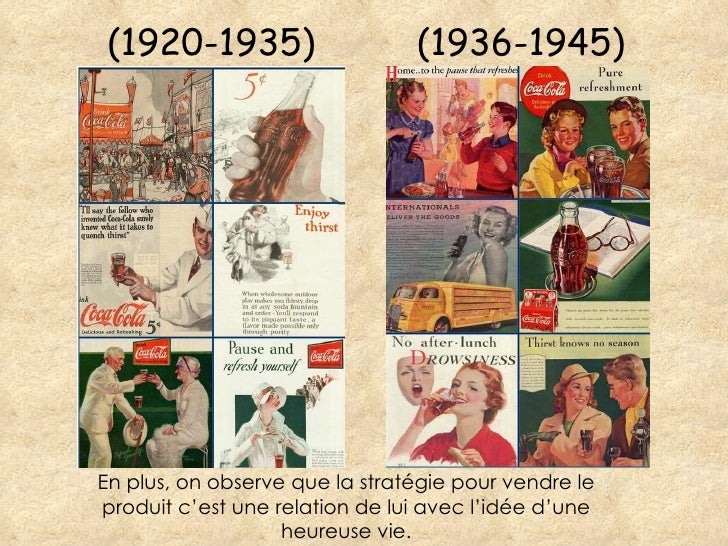
Okay, imagine this: you’re strolling through Paris in, like, 1850. Picture the scene – horse-drawn carriages, cobblestone streets, the whole shebang. And suddenly, BAM! A brightly coloured poster plastered on a wall catches your eye. It's… well, it's advertising something. Maybe it's a new type of cough syrup, or a fancy hat. The point is, it's trying to sell you something. That, my friends, in a nutshell, is where our story begins. Advertising, like fashion, like pain au chocolat, has a history – a long, winding, often hilarious, history.
La Publicité: Bien Plus Qu'Une Simple Vente
Advertising. La Publicité. It's everywhere, right? Online, on TV, plastered on billboards, even whispered in sponsored podcasts. You can't escape it! But have you ever stopped to think about where it all came from? It's not like cavemen were drawing ads for the latest model of sharpened stone axe, although… wouldn’t that be a sight to see?
The evolution of advertising in France is a fascinating journey that mirrors the country’s social, economic, and technological transformations. From those early, simple posters to the slick, sophisticated campaigns we see today, la publicité has always been a reflection of the times.
Les Débuts: Affiches et Crieurs Publics
Forget targeted ads on Instagram. Back in the day, things were much more… direct. Think of it: no internet, no television. So how did people find out about new products and services? Two main ways:
- Crieurs publics: Literally, "public criers." These were basically human megaphones, wandering the streets and shouting out announcements. Imagine someone yelling about a discount on cheese all day!
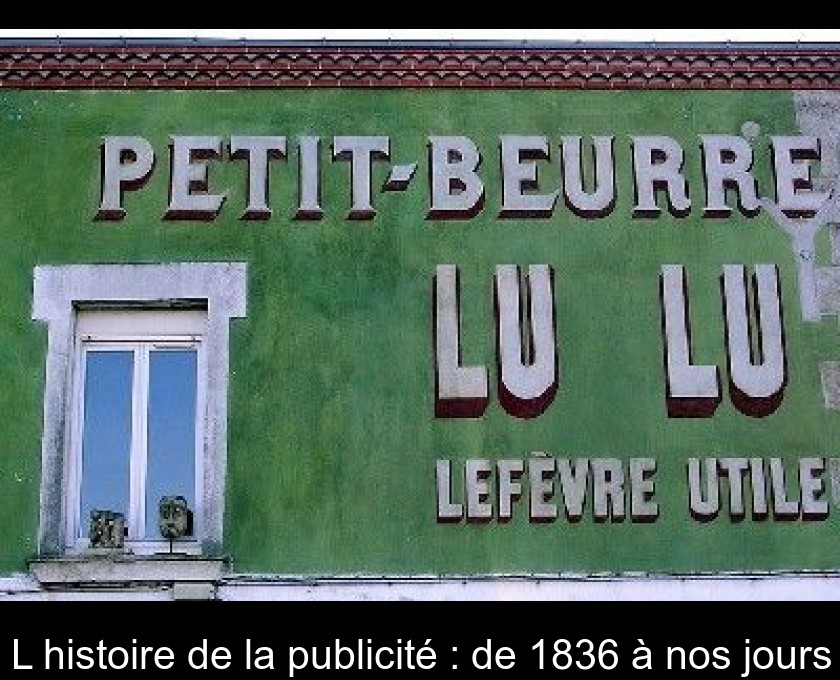
- Affiches: Posters. Simple, eye-catching, and often hand-painted. These were the OGs of visual advertising.
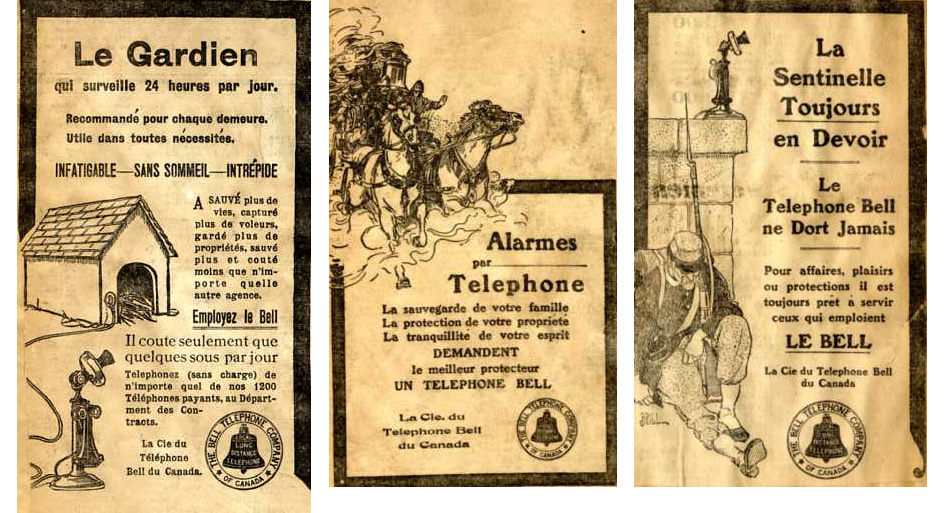
These early posters, often featuring bold typography and striking illustrations, were the predecessors of modern advertising. They were simple, direct, and aimed to capture the attention of passersby in a bustling urban environment. Think of them as the pre-internet version of pop-up ads, except… less annoying? (Maybe?).
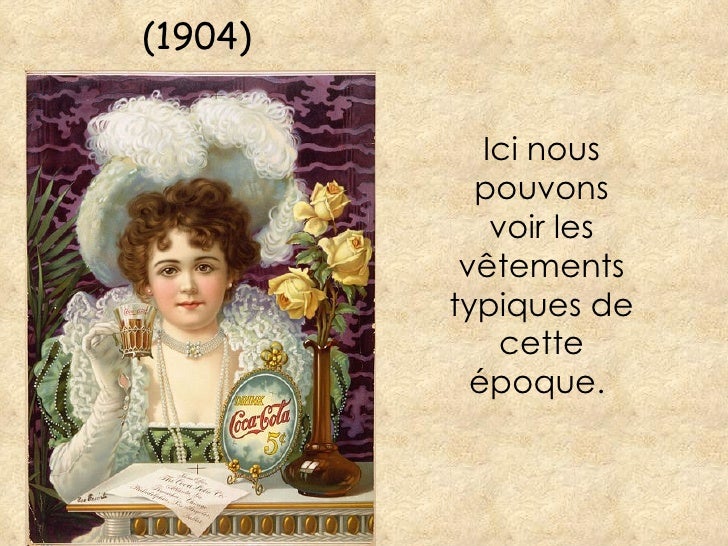
These posters were crucial for announcing everything from theatre performances to the arrival of new products. Artists like Henri de Toulouse-Lautrec actually made a name for themselves by creating these posters, elevating them to an art form. So, next time you see a beautifully designed vintage poster, remember its humble beginnings as a humble advertising tool.

L'Ère de la Presse Écrite: La Naissance du Marketing
Fast forward a bit, and suddenly, there's newspapers! Gasp! This meant a whole new avenue for advertising. And with this new platform came new strategies.
- Announcements: Simple, factual listings of products and services. Think of them as the classified ads of their day. "For sale: One slightly used horse-drawn carriage." Exciting, right?
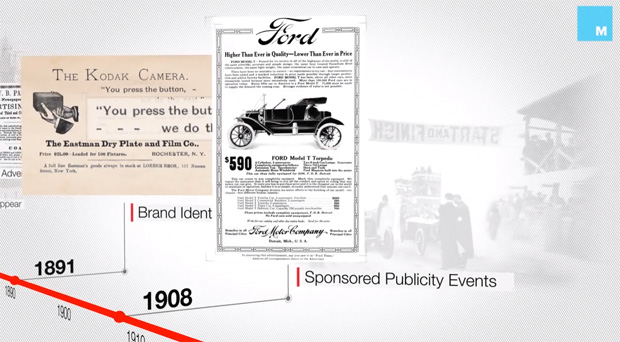
- Branding: The first attempts to establish a brand identity. It was no longer just about selling a product; it was about creating a image.
The rise of department stores in the late 19th century, like Le Bon Marché in Paris, also played a crucial role. These stores used advertising extensively to attract customers, showcasing their wide range of products and creating a sense of excitement around shopping. (Shopping was a destination, not just a chore!). They were masters of creating a whole "experience" around buying things, and advertising was a key part of that.
Also important to note, these early ads began to move past simply stating the facts about a product. They began to tap into people's emotions and aspirations. This was the birth of marketing as we know it. Pretty clever, huh?

Le 20ème Siècle: L'Âge d'Or de la Publicité
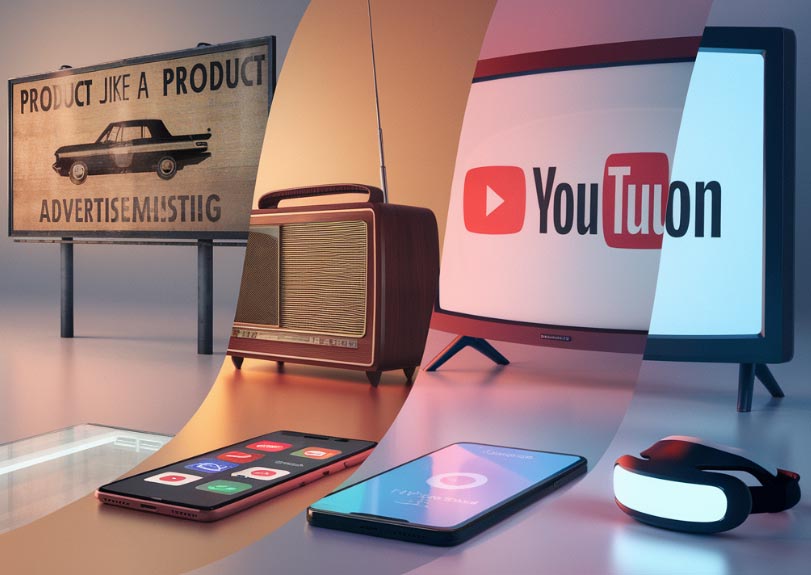
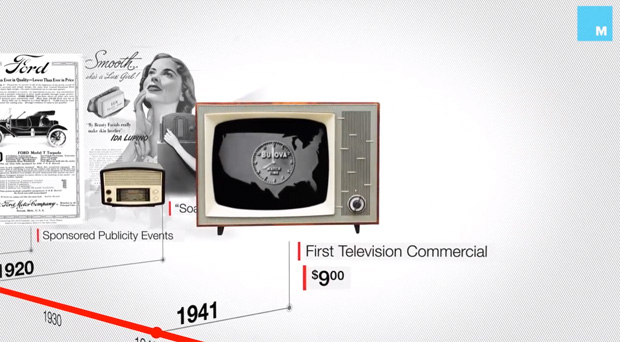
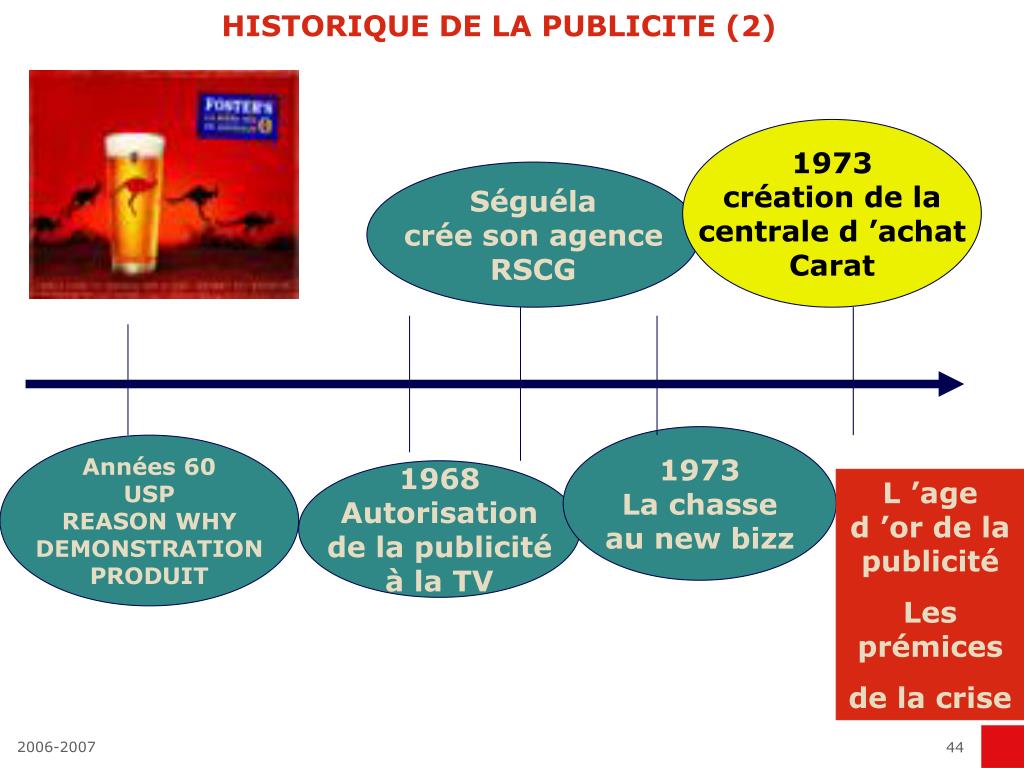
The 20th century was when French advertising really came into its own. Technological advancements like radio and television opened up entirely new possibilities for reaching audiences.
- Radio: Jingles! Catchy slogans! Radio advertising was all about grabbing attention and embedding a message in people's heads. Think of those earworm songs you just can't get rid of.
- Television: Visuals! Storytelling! Television advertising allowed for more complex and engaging narratives, creating a deeper connection with consumers.
This was also the era of iconic French advertising campaigns that are still remembered today. Think of brands like Dior and Chanel, which used advertising to create a sense of luxury and sophistication. They weren't just selling perfume; they were selling a dream. (And honestly, who hasn't dreamt of being transported to a glamorous Parisian world?)
The influence of American advertising techniques also became apparent during this period. But French advertising maintained its unique flair, emphasizing elegance, humor, and a certain je ne sais quoi. French ads often had a more artistic and sophisticated sensibility, appealing to the country's cultural values.

L'Ère Numérique: La Publicité Personnalisée
And now, we arrive at the present day. The digital age has completely transformed the advertising landscape. The internet, smartphones, and social media have created a world where advertising is more personalized, targeted, and pervasive than ever before.
- Online advertising: Banners, pop-ups, sponsored content. It's all about reaching the right people at the right time.
- Social media advertising: Influencer marketing, targeted ads on platforms like Facebook and Instagram. It's all about creating engagement and building relationships with consumers.
Data is king in the digital age. Advertisers use vast amounts of data to understand consumer behavior and preferences, allowing them to create highly targeted campaigns. Think about how creepy it is when you search for something online, and then suddenly you see ads for that exact thing everywhere you go. That's data in action! (Spooky, but effective.)
But despite all the technological advancements, the fundamental principles of advertising remain the same. It's still about capturing attention, communicating a message, and persuading people to buy something. The tools may have changed, but the goal is the same. Only now, that 'something' can be anything from a physical product to an ideology or a cause.
Alors, Pourquoi Est-ce Important?
So, why should you care about the history of advertising? Well, for starters, it's fascinating! But more importantly, understanding how advertising has evolved can help us become more critical consumers. When we understand the techniques that advertisers use to influence us, we can be more aware of their messages and make more informed decisions.
Advertising is also a reflection of our society. It tells us what we value, what we aspire to, and what we fear. By studying the history of advertising, we can gain a deeper understanding of ourselves and our culture. Plus, all those vintage ads are just plain cool!
From those humble posters in the 19th century to the sophisticated digital campaigns of today, the history of French advertising is a testament to the power of creativity, innovation, and persuasion. And who knows what the future holds? Maybe one day, we'll be bombarded with holographic ads that follow us down the street. (Hopefully not!). But one thing is for sure: advertising will continue to evolve and adapt to the changing world around us, always trying to grab our attention and sell us something. That, my friends, is a story that will never get old.