
Salut, mes amis ! Ever feel like you're just uttering words into the void, hoping someone actually understands what you mean? Well, buckle up, because today we're diving into the surprisingly chic world of French sentence structure. Forget dusty grammar books; we're talking about the art of crafting phrases that flow, that sing, and that get your message across with panache. Think of it as your personal guide to speaking French like a true Parisian – or at least, understanding them better!
Les Bases, Chérie: Sentence Types
Before we get into the nitty-gritty, let's establish some fundamental building blocks. French sentences, just like their English counterparts, come in several basic flavors. Knowing these types will help you not only understand what's being said, but also inject some variety into your own speaking and writing.
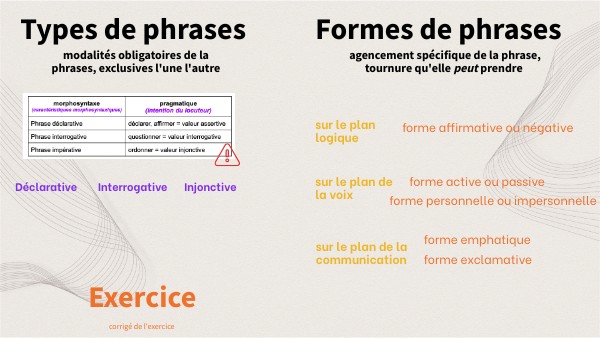
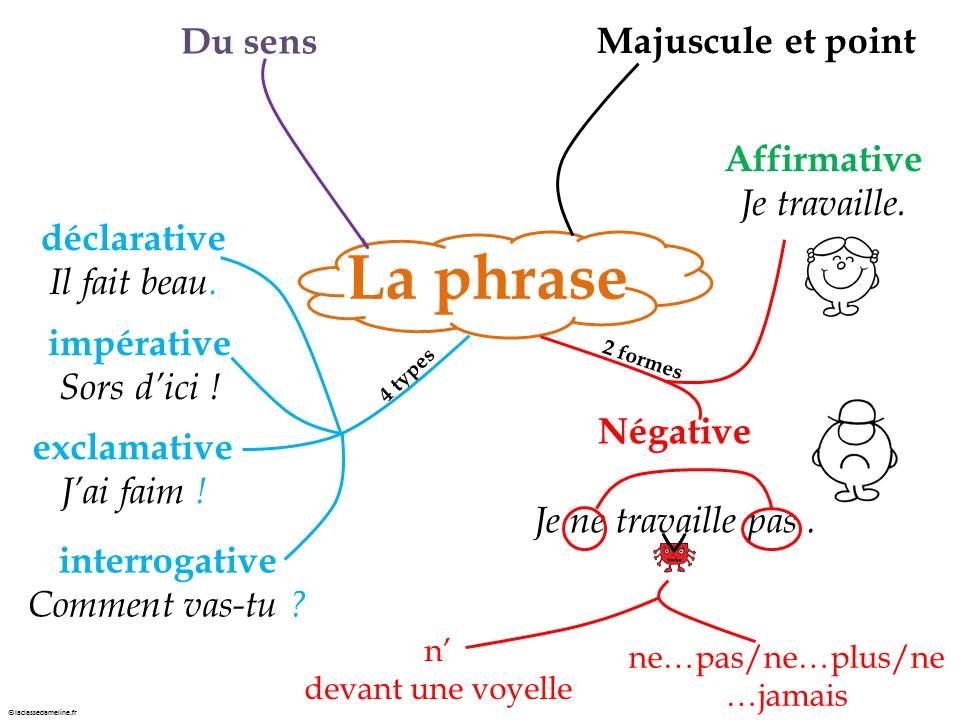
La Déclarative (Declarative)
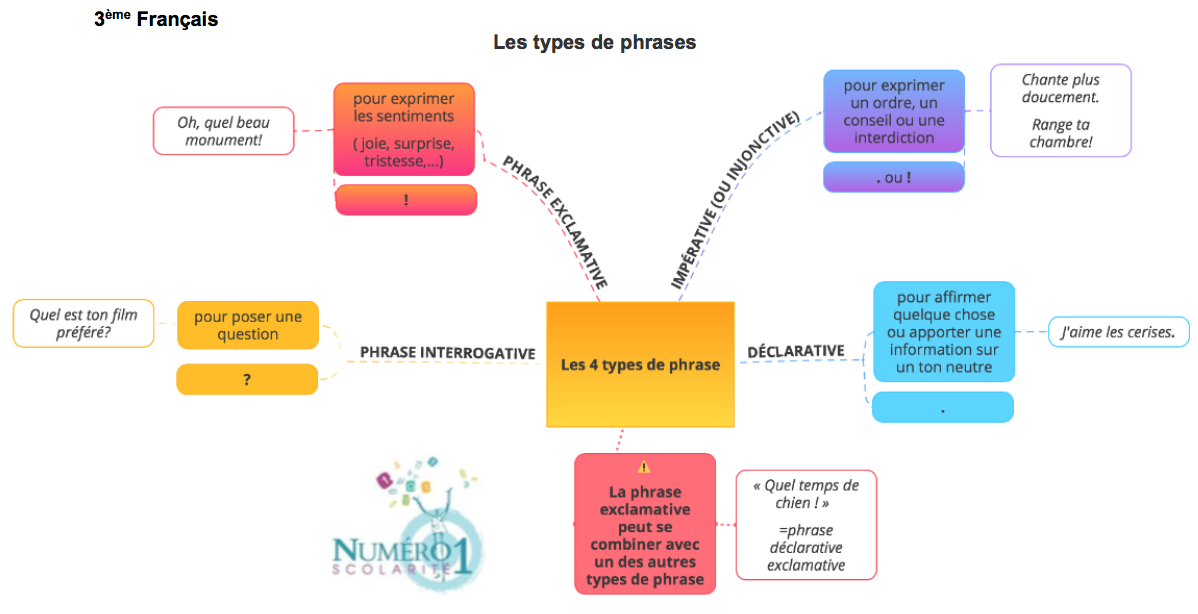
This is your everyday, run-of-the-mill statement. It simply declares something. Think of it as the "just the facts, ma'am" of sentence structures.
Example: Je bois du café. (I drink coffee.) Riveting, I know, but essential! It's the foundation upon which all other sentences are built. You’ll hear declarative sentences everywhere – from ordering your café au lait to discussing the latest trends in fashion.
L'Interrogative (Interrogative)
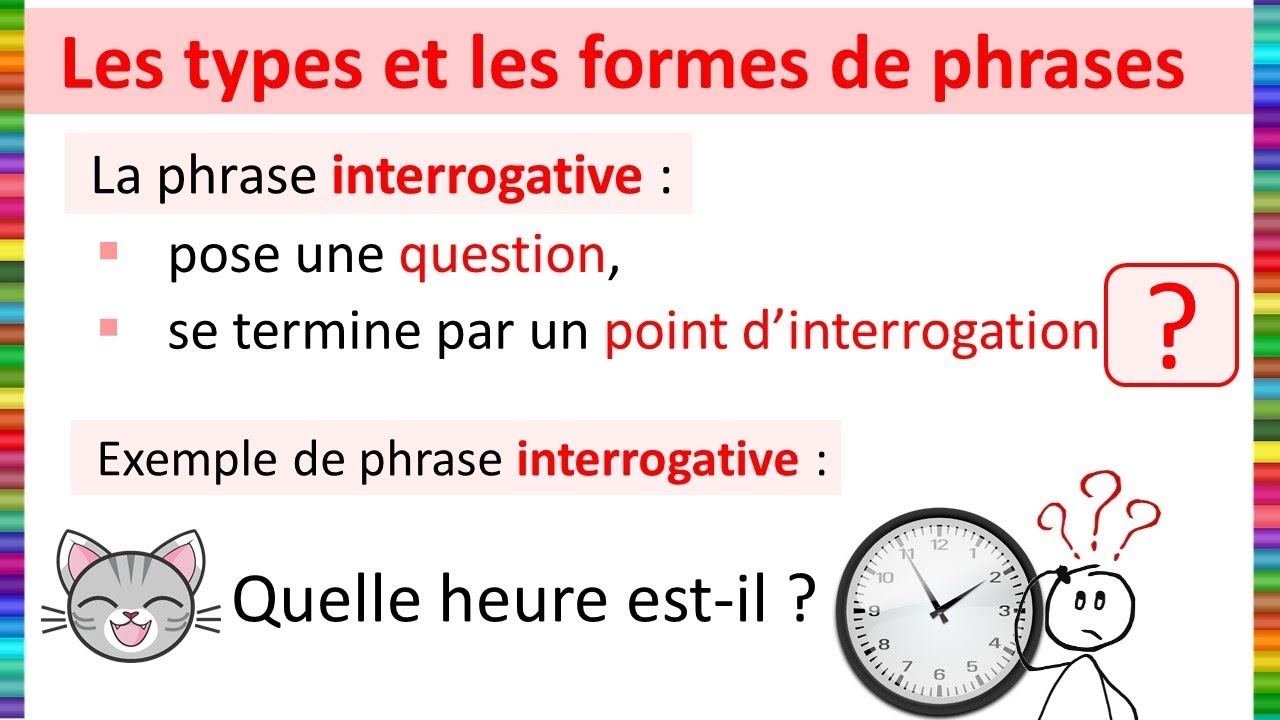
Ready to ask questions? Alors, c'est le moment! Interrogative sentences are used to, well, interrogate! There are several ways to form questions in French:
- Intonation: Simply raising your voice at the end of a declarative sentence. Tu aimes le fromage? (You like cheese?) - This is the most informal way.
- Est-ce que: Add "est-ce que" before a declarative sentence. Est-ce que tu aimes le fromage? (Do you like cheese?) - A slightly more formal option.
- Inversion: Invert the subject and verb. Aimes-tu le fromage? (Do you like cheese?) - This is the most formal and often used in writing.
Remember, the choice depends on the context and your desired level of formality. Think of it as choosing the right accessories for your outfit – you wouldn't wear a baseball cap to a black-tie event, would you?
L'Impérative (Imperative)
Need to give instructions or commands? This is where the imperative mood comes in. It's used to tell someone to do something, and it's often used without a subject pronoun (tu, vous, nous).

Examples:
- Mange! (Eat!)
- Écoutez! (Listen!)
- Allons-y! (Let's go!) – a classic French expression.
However, be careful! Using the imperative without "s'il vous plaît" (please) can sound a bit rude. Think of it as adding a sprinkle of sugar to make your command go down a little smoother.
L'Exclamative (Exclamatory)
Want to express excitement, surprise, or any other strong emotion? Exclamatory sentences are your best friend! They usually end with an exclamation point (!).
Examples:
- Quel beau paysage! (What a beautiful landscape!)
- Comme c'est incroyable! (How incredible it is!)
- Formidable! (Fantastic!) - Short, sweet, and to the point.
These are perfect for when you're admiring the Eiffel Tower at sunset or finally finding that perfect vintage dress. Don't be afraid to let your emotions show!
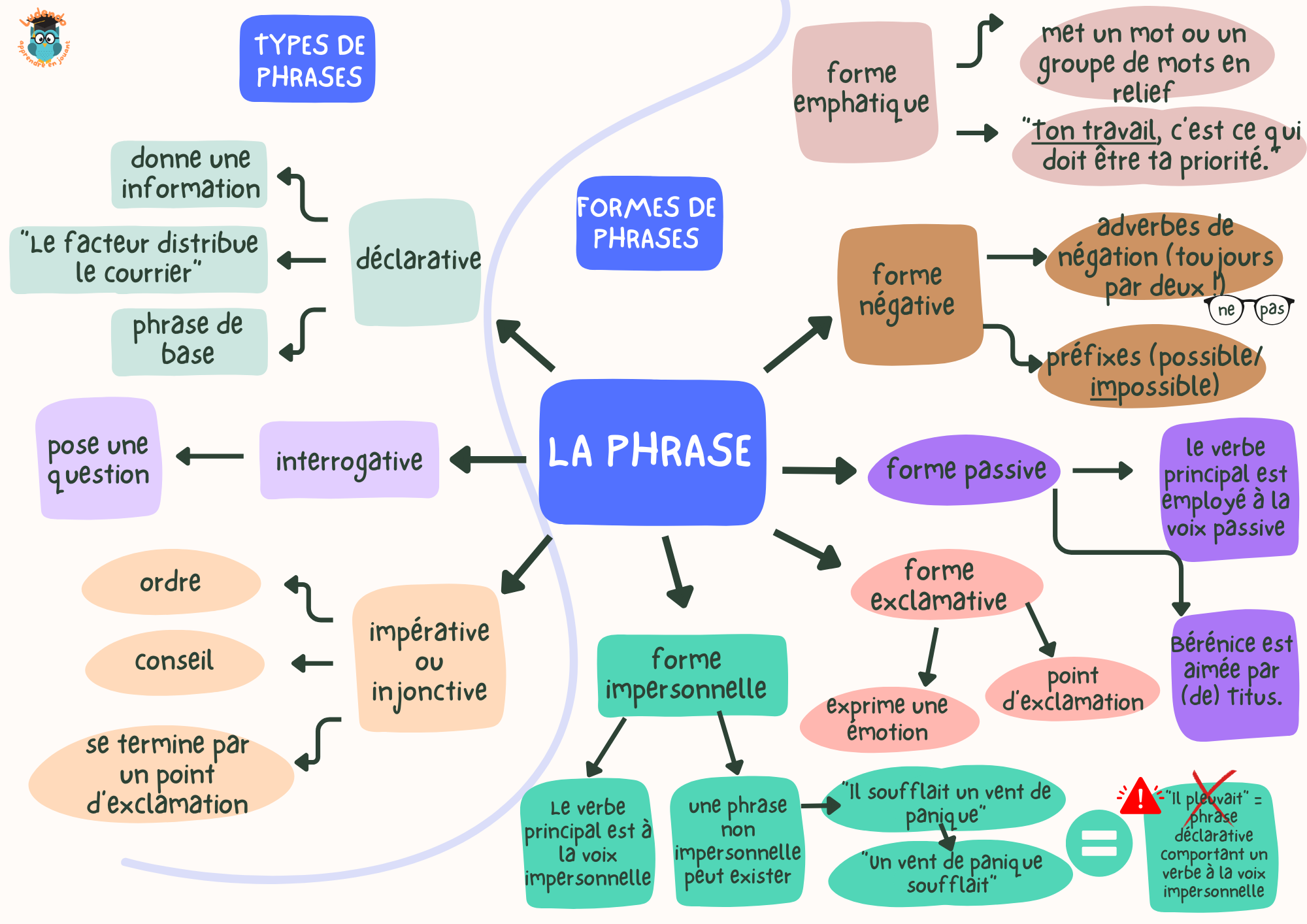
Forme de la Phrase: Positive, Négative, and Interrogative-Négative
Now that we've covered the types of sentences, let's explore the forms they can take. This is where things get a little more nuanced, but trust me, it's worth understanding.
La Forme Affirmative (Positive Form)
This is the basic, straightforward way of expressing something. It simply states that something is true.
Example: J'aime le vin. (I like wine.) – Who doesn't, right?
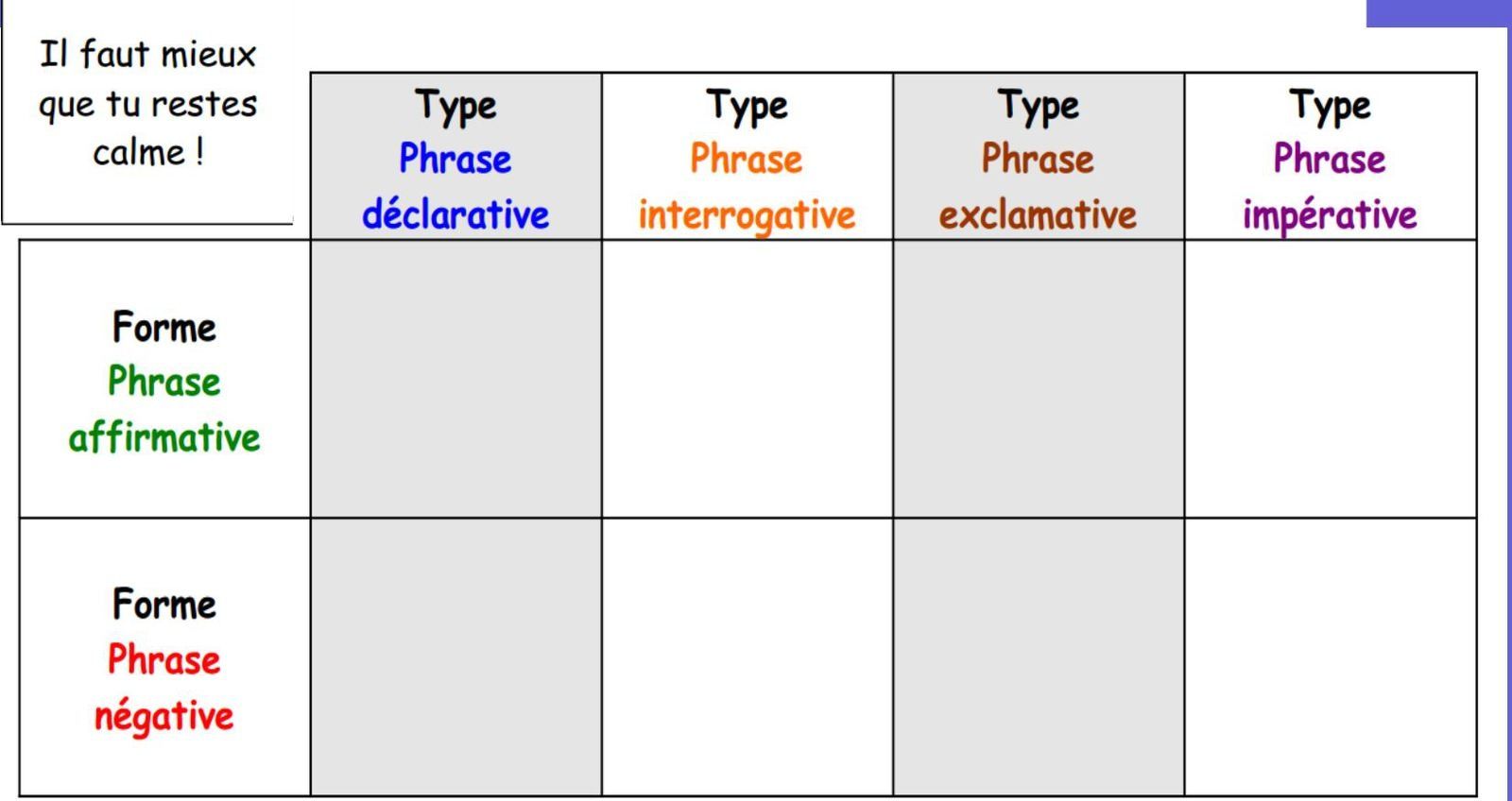
La Forme Négative (Negative Form)
To express the opposite of something, we use the negative form. In French, this is usually done by placing "ne...pas" around the verb.
Example: Je ne bois pas de café. (I don't drink coffee.) – Sacrilege, I know, but some people prefer tea!
Other common negative expressions include:
- Ne...jamais (never): Je ne vais jamais à l'opéra. (I never go to the opera.)
- Ne...plus (no longer, not anymore): Je ne mange plus de viande. (I no longer eat meat.)
- Ne...rien (nothing): Je ne vois rien. (I see nothing.)
- Ne...personne (nobody): Je ne connais personne ici. (I don't know anyone here.)
Mastering the negative form is crucial for expressing your preferences, opinions, and limitations. It's the key to saying "non" gracefully, which is an art in itself!

La Forme Interrogative-Négative (Negative Interrogative Form)
Want to ask a question in the negative? This form combines the interrogative and negative structures. Think of it as questioning the absence of something.
Example: Ne bois-tu pas de café? (Don't you drink coffee?) – Maybe you're surprised by someone's choice.
You can also use "est-ce que" for a less formal approach: Est-ce que tu ne bois pas de café?
This form is often used to express surprise, doubt, or even a bit of skepticism. It's perfect for those moments when you want to politely challenge someone's statement.
Petits Conseils: Practical Tips for Perfecting Your Phrases
- Listen to native speakers: Immerse yourself in French podcasts, movies, and music. Pay attention to how they structure their sentences and the nuances of their pronunciation.
- Read French literature: From Proust to Prévert, reading French literature is a fantastic way to expand your vocabulary and improve your understanding of sentence structure.
- Practice, practice, practice! Don't be afraid to make mistakes. The more you practice, the more natural your French will become.
- Don't be afraid to ask questions: If you're unsure about something, don't hesitate to ask a native speaker or consult a grammar resource.
- Embrace the quirks: French has its own unique rules and exceptions. Embrace them and don't try to force it to fit into English grammar.
Le Mot de la Fin: Bringing it All Together
Learning about sentence structure isn't just about mastering grammar rules. It's about unlocking a deeper understanding of French culture and communication. It's about expressing yourself with clarity, confidence, and a touch of joie de vivre. Whether you're ordering a croissant at a Parisian café, discussing philosophy with friends, or simply enjoying a good book, understanding these basic sentence structures will help you navigate the French-speaking world with ease and grace. So, go forth and parlez français! The world awaits your eloquently constructed sentences!






![[Pdf] Les Types Et Les Formes De Phrases Guide Complet - Internet](https://i.ytimg.com/vi/o5VBmHD49WE/maxresdefault.jpg)


