Okay, so last week, I was chilling in my garden, trying (and failing) to read a particularly dense philosophical book. A tiny buzzing creature landed right on the page! My first reaction? Pure panic. I swatted it away like my life depended on it. Turns out, it was "just" a bee. But it got me thinking: why was I so freaked out? Was it a bee? A wasp? Honestly, at that moment, I couldn't tell the difference. And that, my friends, is why we're here today!
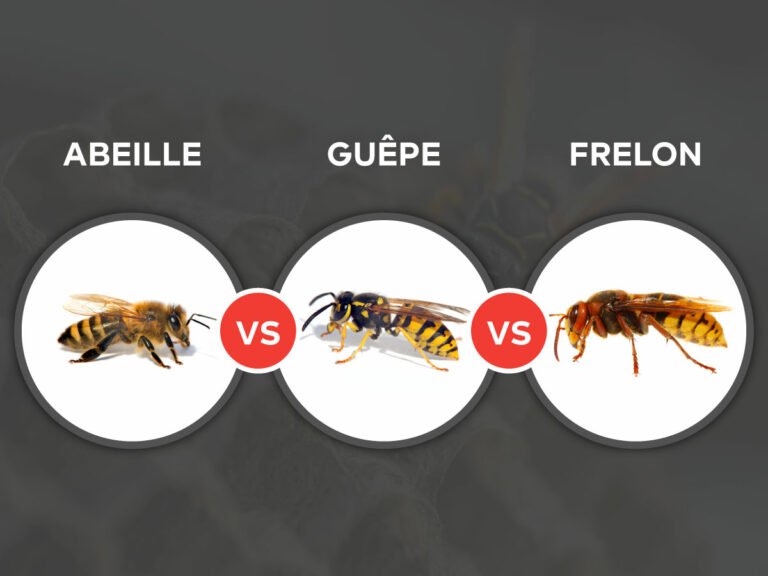
Let's talk about the age-old question: wasp or bee? Both are striped, both buzz, and both can sting you if you're unlucky (or, like me, wave books around aggressively). But fear not! There are ways to tell them apart. No more unnecessary swatting – unless, you know, it's a particularly aggressive hornet. Then, swat away! (Just kidding… mostly).
The Obvious Differences (or, "What your Eyes Can Tell You")
Alright, Sherlock Holmes, grab your magnifying glass (figuratively, of course... unless you really want to). We're going to look for clues. Here's a breakdown of the key visual differences:
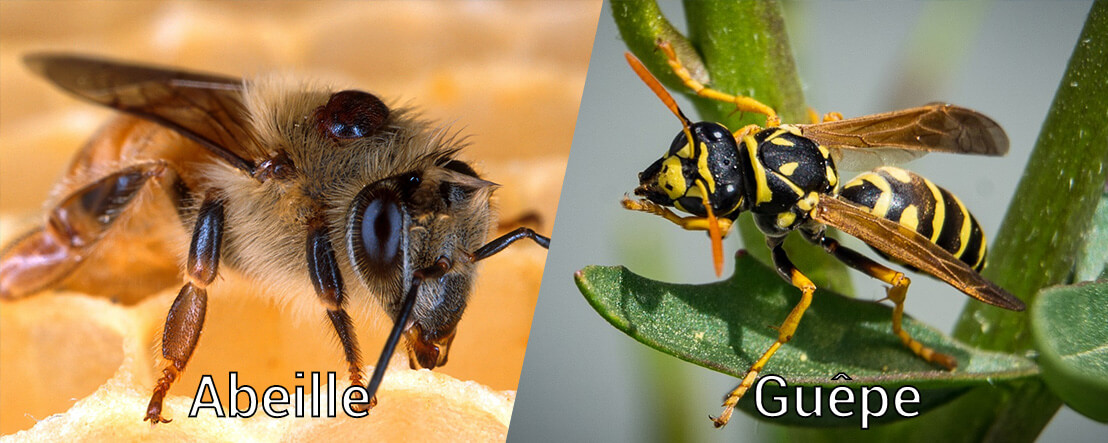
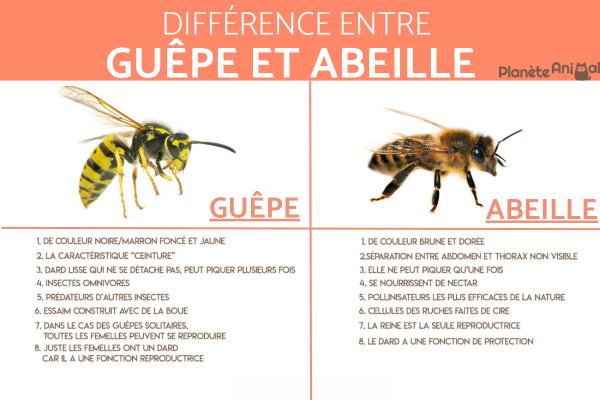
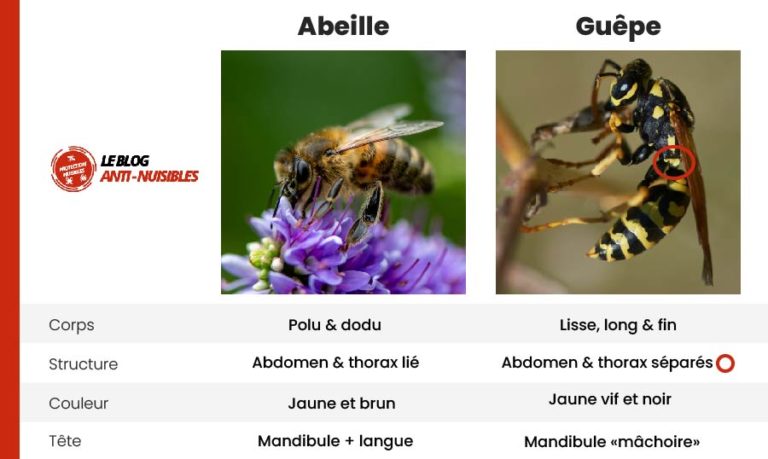
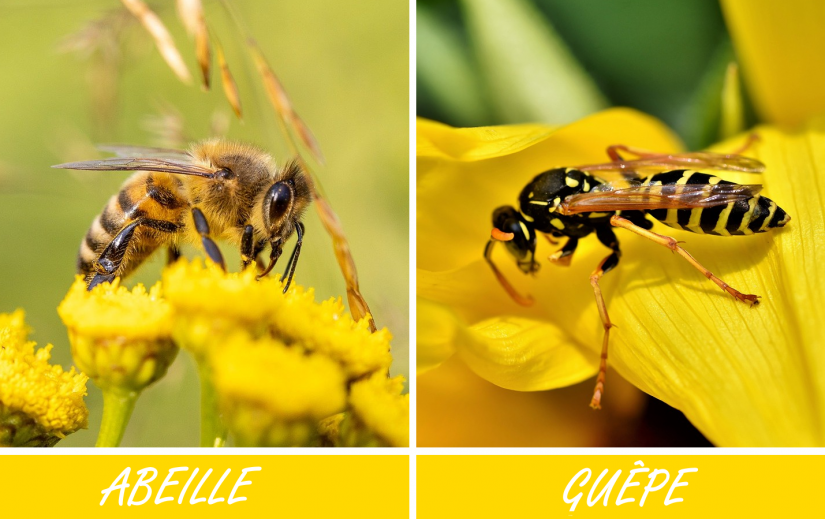
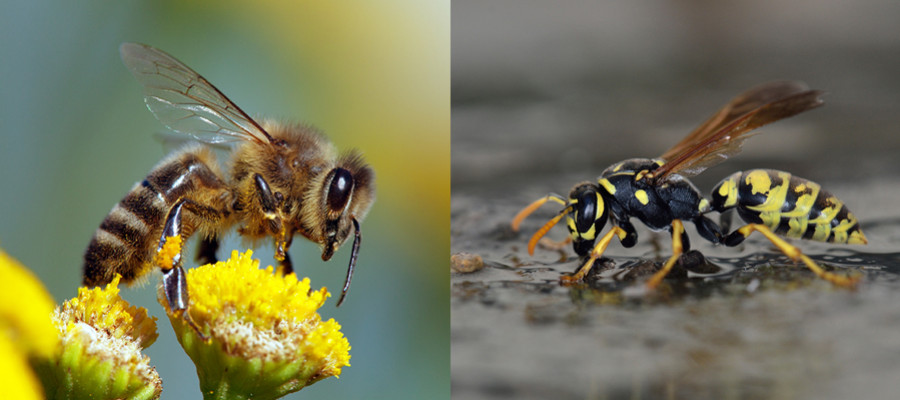
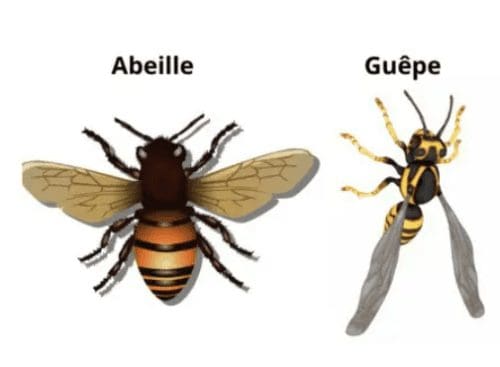
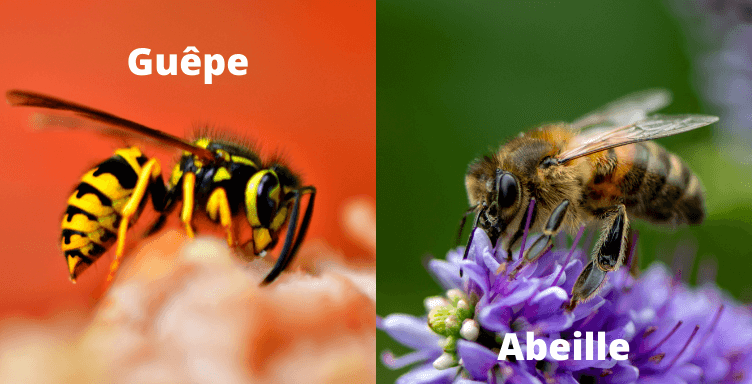
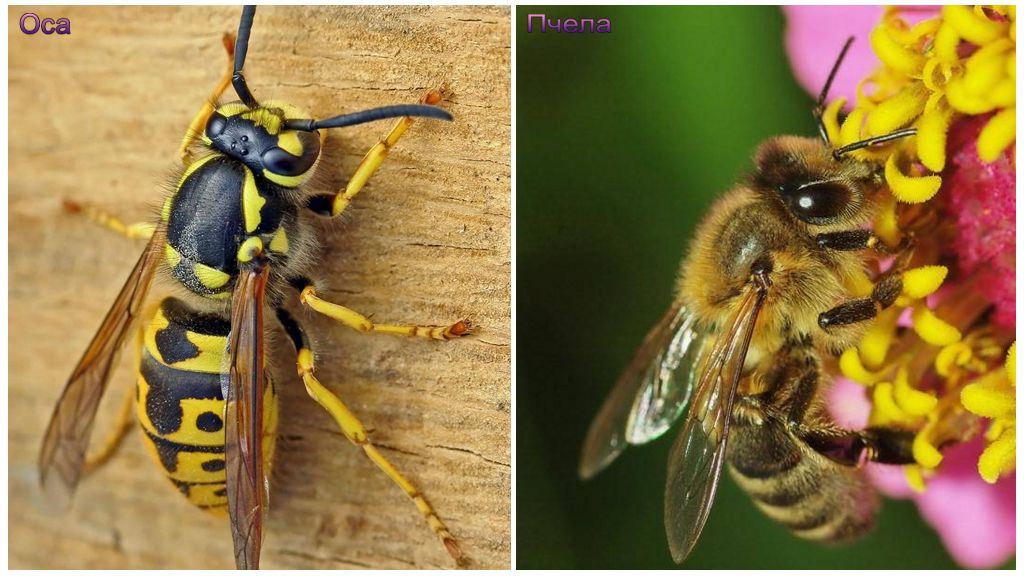
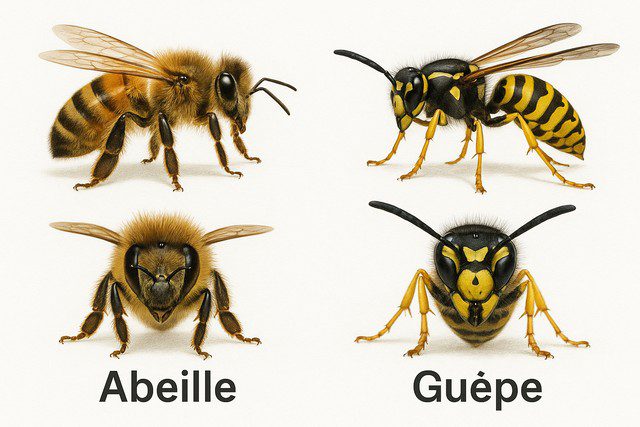
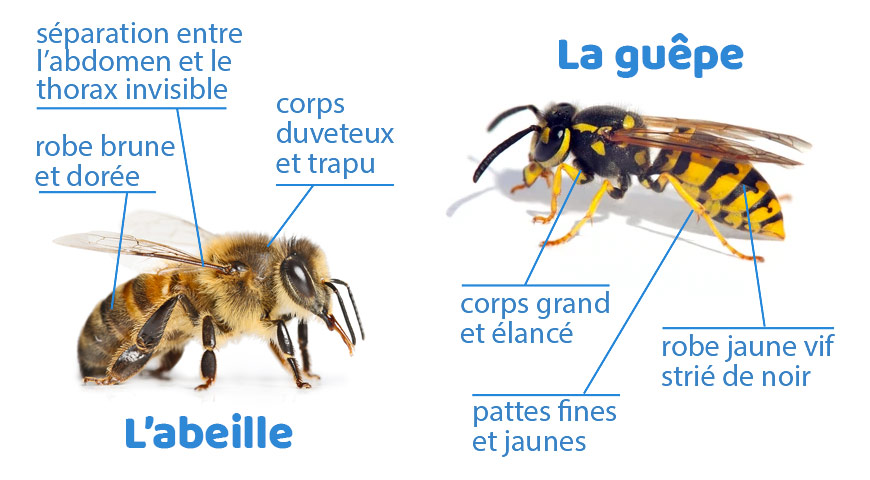
- The Body Shape: Think of it this way: bees are fluffy, wasps are sleek. Bees are generally rounder and fuzzier, like tiny, buzzing teddy bears. Wasps, on the other hand, have a much more defined waist – a very noticeable constriction between the thorax and abdomen. They’re basically the supermodels of the insect world.
- The Color: While both can be yellow and black, the intensity and pattern differ. Bees tend to have more muted yellows and browns mixed in. Wasps often boast bolder, brighter, and more contrasting black and yellow stripes. Some wasps even have red or white markings! Showoffs.
- Hairiness (or Lack Thereof): Remember the "fluffy teddy bear" analogy? Bees are hairy! This helps them collect pollen. Wasps are much less hairy, appearing smoother and more polished. Think of it as a bee wearing a fur coat and a wasp sporting a sleek leather jacket.
- Legs: Okay, this one’s a little trickier to see when they're zipping around, but it's worth noting. Bees’ legs are often thicker and have specialized structures for carrying pollen (pollen baskets). Wasp legs are thinner and less specialized.
(Side note: I’m simplifying things a bit here. There are thousands of species of bees and wasps, and some blur the lines. But these are good general guidelines.)
Beyond the Looks: Lifestyle Clues
If you're still unsure, observing their behavior can also provide clues:
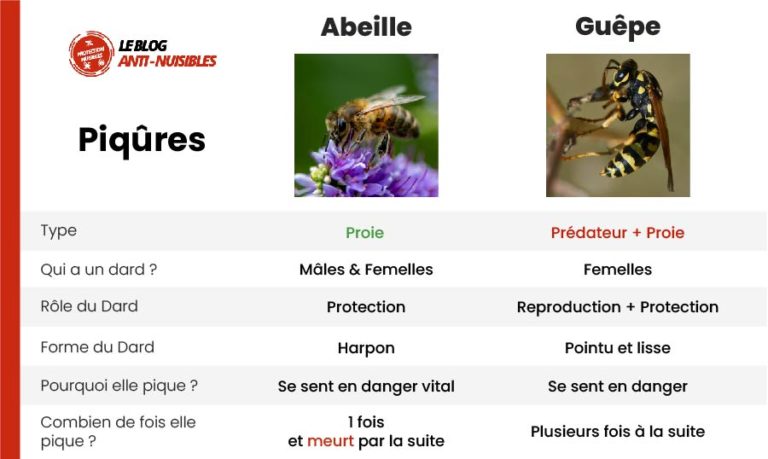
- What are they doing? Bees are often seen visiting flowers, diligently collecting nectar and pollen. Wasps, while they might visit flowers occasionally, are more likely to be found scavenging for food – think picnicking on your burger or raiding your garbage can.
- Their Nests: Beehives are often large, complex structures, usually made of wax. Wasp nests can be papery and often smaller, built in various locations – under eaves, in trees, or even underground.
So, next time you encounter a buzzing insect, take a deep breath (but not too deep, you don’t want to inhale it!), observe its features, and use these tips to identify it. You might just save yourself from an unnecessary freak-out! And, hey, maybe you'll even impress your friends with your newfound insect knowledge. You'll be the coolest entomologist at the barbeque. (Okay, maybe not, but you'll definitely know the difference between a bee and a wasp!)