Salut! Ever heard of "Demain, dès l'aube, à l'heure où blanchit la campagne, je partirai"? No? Don't worry! We're about to dive into this little gem, and trust me, it's way more interesting than it sounds. Think of it as poetry for people who think poetry is boring (but it's not, right?).
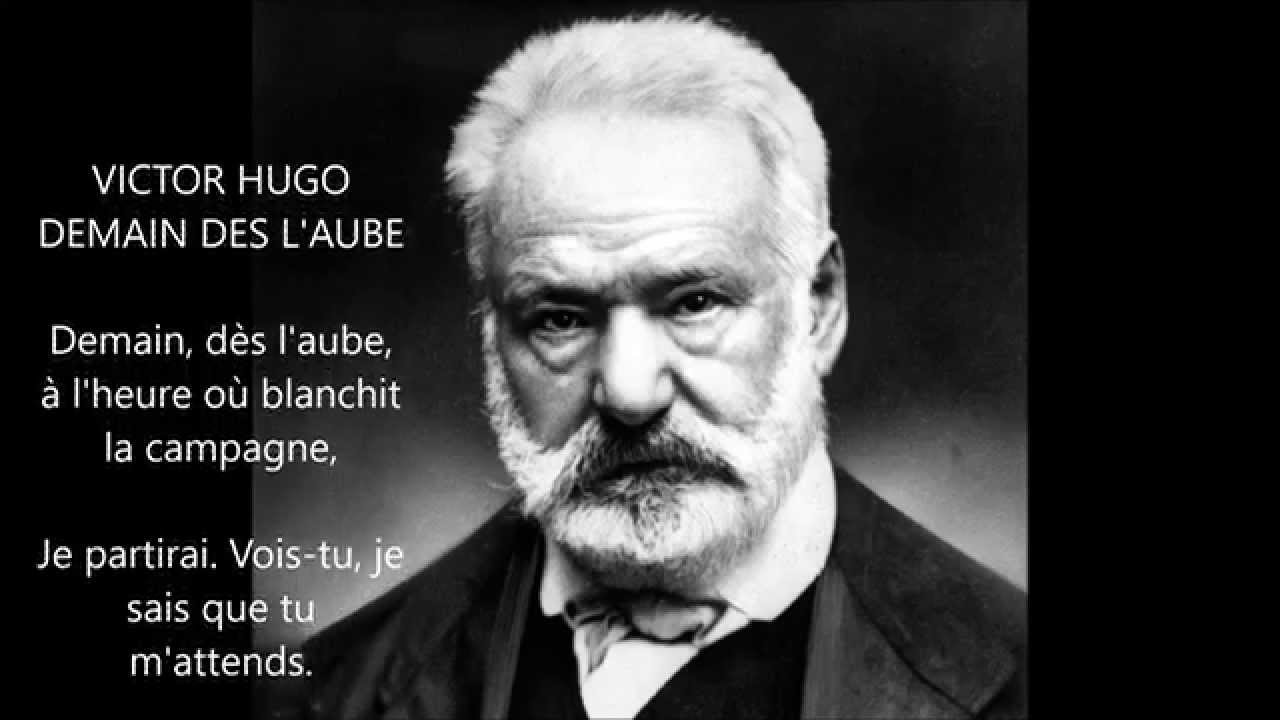
So, what is it? Well, it's a line from a super famous poem by Victor Hugo. Yeah, that Victor Hugo. Les Misérables guy. Hunchback of Notre Dame dude. Big name.
But before you roll your eyes and think "Oh no, not another classic," hang on! This poem, “Demain, dès l'aube,” isn’t about revolution or gargoyles (though, wouldn’t that be cool?). It's much more personal. It's a heart-wrenching journey to visit his deceased daughter, Léopoldine. Get your tissues ready...just kidding (sort of!).
The Dawn Departure: Let's Break It Down
Okay, let's dissect that first line, because it’s the one we're focusing on. Ready? Here we go!
"Demain" - Tomorrow
Demain. Tomorrow. Simple, right? But tomorrow always holds a certain weight, doesn’t it? Especially when it's a big tomorrow. This isn't just any Tuesday; it’s a tomorrow loaded with grief, hope, and a pilgrimage.
"Dès l'aube" - At Dawn
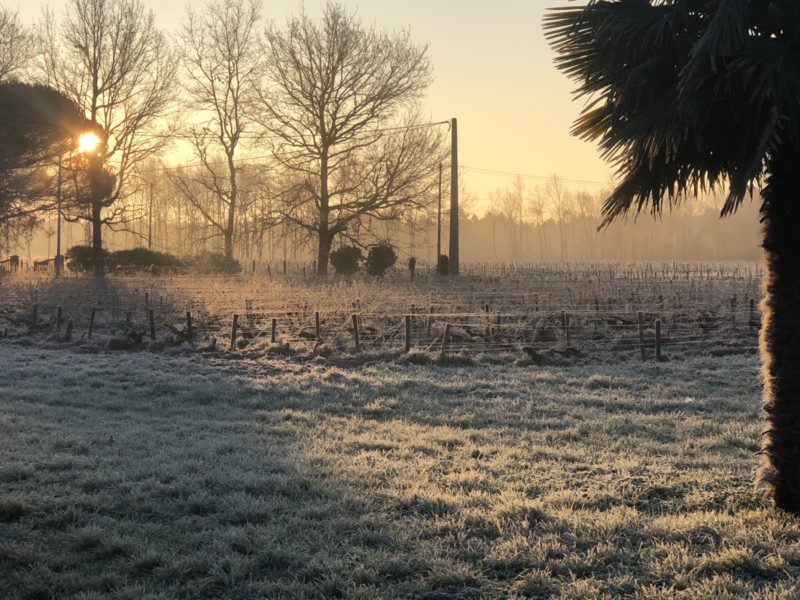
Dès l'aube. At dawn. Picture it: the sky is just beginning to lighten. The air is crisp. Maybe there's dew on the grass. Talk about atmospheric! Why dawn? Well, dawn often symbolizes new beginnings, hope, and a fresh start. Irony alert: Hugo is going to visit a grave.

Fun fact: Did you know that historically, people thought dawn had magical properties? Superstition galore! Maybe Hugo was hoping for a little bit of that magic. (Probably not, but let's imagine!)
"À l'heure où blanchit la campagne" - At the Hour When the Countryside Whitens
À l'heure où blanchit la campagne. At the hour when the countryside whitens. Okay, this is where it gets poetic! Forget "sunrise." Hugo paints a picture with words. "Whitens"? That's a deliberate choice. Think of the mist hanging low in the fields, the early morning frost, everything bathed in a pale light. It's evocative!
Why "whitens," though? Maybe it's the purity associated with the color white. Or maybe it represents the fading of life. It's up to you to decide! That's the beauty of poetry, n'est-ce pas?
"Je partirai" - I Shall Leave
Je partirai. I shall leave. Simple. Direct. No frills. He's going. No ifs, ands, or buts. This journey is happening. The commitment is clear, right from the start. It sets the tone for the rest of the poem.
Why This Line Is So Freaking Memorable
So, why does this line stick in your head? There are a few reasons. First, the rhythm is beautiful. It flows. It's like music. Say it out loud! (Go on, nobody's watching...or are they?).
Second, it’s incredibly visual. Hugo makes you see that early morning countryside. You can almost feel the chill in the air, and you can smell the damp earth. This is what good poetry does! It assaults your senses (in a good way!).
Third, it's relatable. We've all had those moments where we commit to something, where we know we have to do something, no matter how difficult. That "Je partirai" is a statement of intent that resonates. Whether it's visiting a loved one, starting a new job, or finally cleaning out that junk drawer, we all understand the feeling of bracing ourselves for something important.
Beyond the Literal: What Does It Really Mean?
Okay, let's go deeper. The whole poem is an elegy – a lament for the dead. Léopoldine died tragically young in a boating accident. (Seriously, grab those tissues). So, this isn't just a trip to the countryside; it's a journey to confront grief, memory, and loss.

The simplicity of the language, contrasted with the profound emotion, is what makes it so powerful. He's not using fancy metaphors or complicated symbolism (well, not too much). He's just telling you he's leaving at dawn to visit his daughter's grave. But the weight of that simple statement is immense.
The image of the "whitening countryside" can be interpreted as a symbol of the fading light of Léopoldine's life. It's a visual representation of her passing, of the emptiness her death left behind. See? We’re getting all deep and meaningful now!
"Demain, dès l'aube" in Pop Culture (Kind Of)
You might not hear people quoting Victor Hugo every day (unless you hang out with particularly literary types). But the feeling of this line has seeped into our culture. Think of any movie scene where someone sets off on a difficult journey. The early morning light, the determination in their eyes…that's the spirit of "Demain, dès l'aube."
Plus, countless songs and poems borrow that imagery of dawn as a time of reflection and renewal. It’s a timeless theme, thanks in part to Hugo and his poignant poem. He really struck a nerve.

So, Why Should You Care?
Look, you don’t have to become a Hugo expert overnight. But hopefully, this little exploration has shown you that even a line from a 19th-century French poem can be interesting, relatable, and even a little bit fun. It's a reminder that even in the face of profound sadness, there's beauty to be found in the world, even if it's just in the way the light hits the countryside at dawn.
Next time you're up early, take a moment to notice the light. Think about "Demain, dès l'aube." Maybe, just maybe, you'll see the world a little differently.
And hey, if nothing else, you can now drop that phrase at your next dinner party and sound super cultured! Bonne chance! (Good luck!).
One last quirky fact: Victor Hugo was a seriously prolific writer. I mean, seriously. He wrote novels, poems, plays, essays…the man was a machine. Imagine having to grade all that homework!