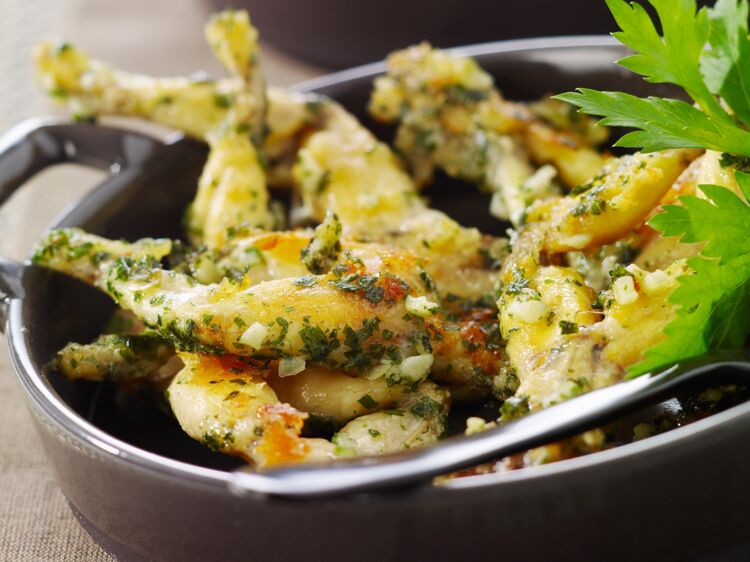
Ok, so picture this: I'm backpacking through France, utterly lost in some ridiculously charming village that smells perpetually of lavender and freshly baked bread. My French is, shall we say, atroce, but I’m determined to experience “authentic” French cuisine. I stroll into a tiny bistro, the kind with red checkered tablecloths and grumpy-looking waiters (you know the type, right?). I bravely point at a dish on the handwritten menu – assuming it’s some kind of fancy chicken. Turns out, it wasn't chicken... but let’s just say it was an eye-opening culinary adventure involving tiny little legs. That, my friends, was my first encounter with cuisse de grenouille. And trust me, it wasn't the last!
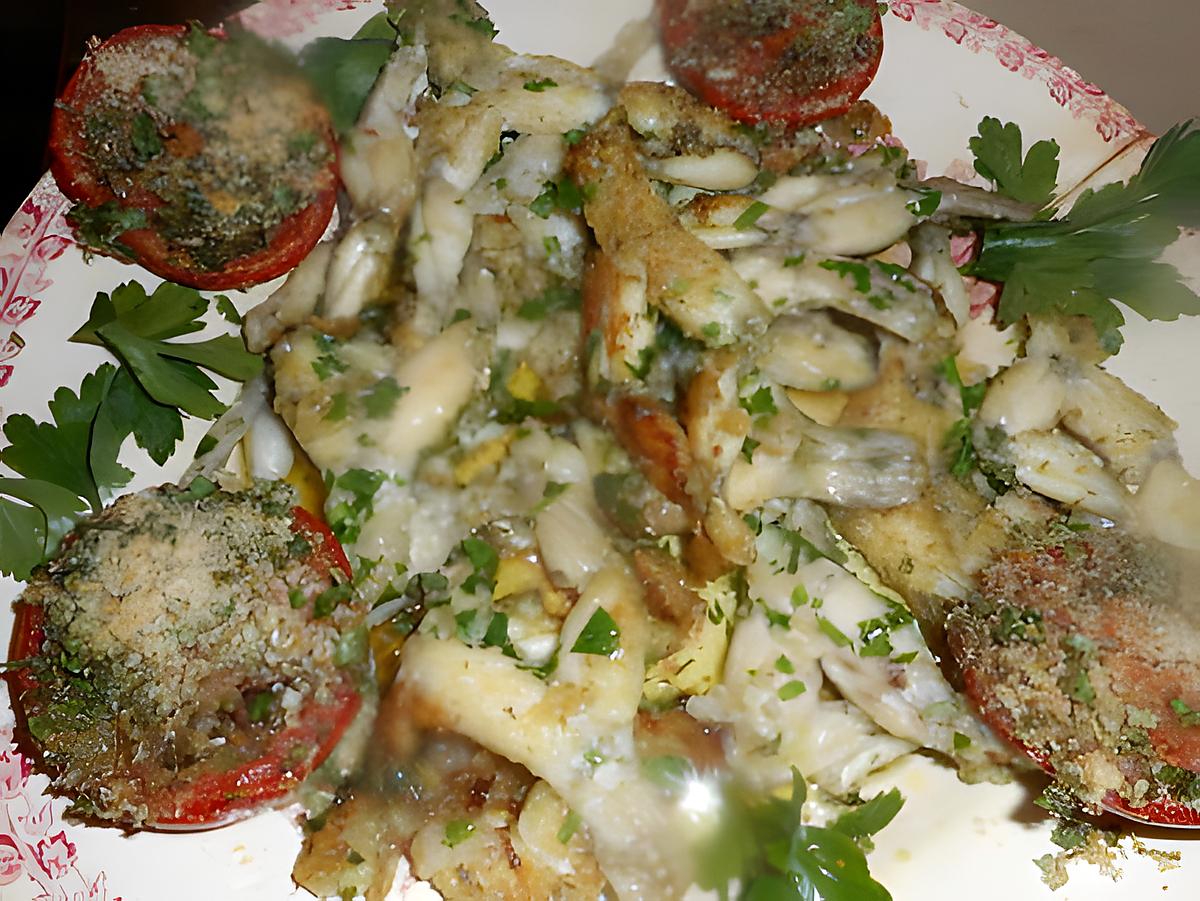
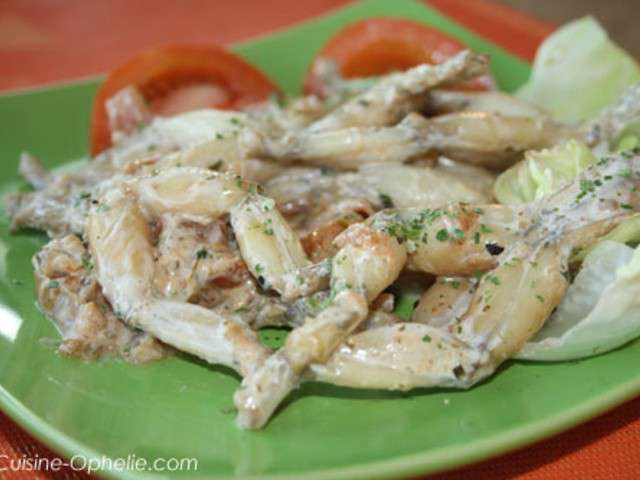
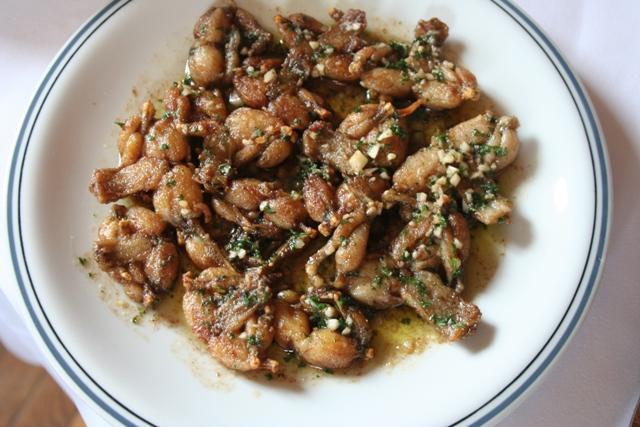
So, what exactly is cuisse de grenouille à la Provençale? Glad you asked! It’s basically frog legs (yes, actual frog legs!) cooked in a classic Provençal style, meaning with plenty of herbs, garlic, and tomatoes. Think sunshine and the South of France served on a plate. Don’t knock it ‘til you try it, seriously. You might surprise yourself!
Why Frog Legs? Are You Kidding Me?
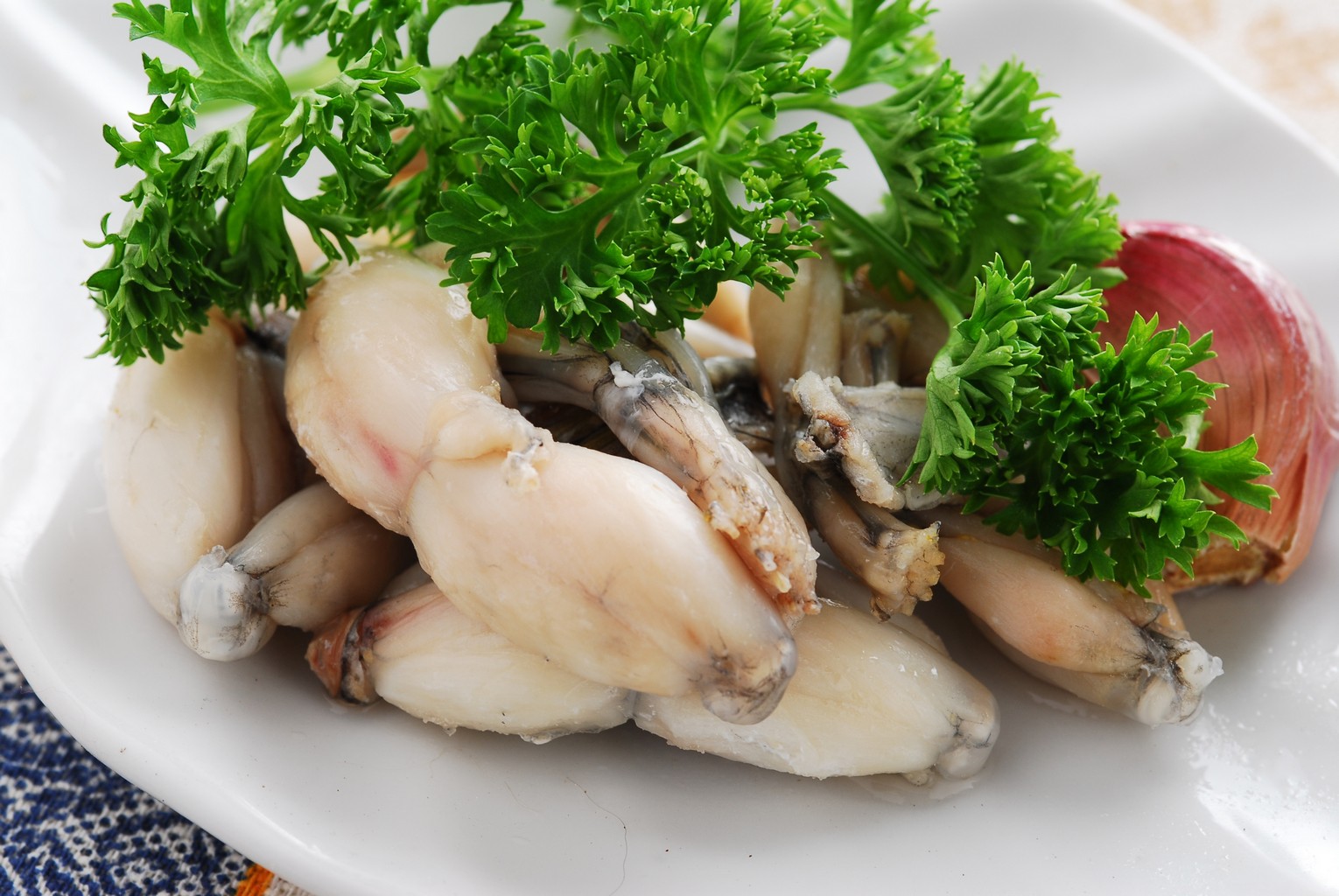
I know, I know. The thought of eating frog legs might sound…well, a bit out there. But hear me out! Frog legs are a delicacy in many cultures, not just France. They are surprisingly low in fat and high in protein, and their texture is often compared to chicken. And before you get all judgmental, remember that many people eat snails (escargots) which honestly, are probably more… visually challenging.
Fun fact: the practice of eating frogs goes back a long time! Some archaeological studies suggest that people have been eating them for thousands of years!

Cuisse de Grenouille à la Provençale: The Magic is in the Provençal Twist!
What sets cuisse de grenouille à la Provençale apart from other frog leg preparations is the emphasis on fresh, vibrant flavors. The Provençale element is all about:
- Tomatoes: Ripe, juicy tomatoes are essential. Think sun-dried, crushed, or even a simple fresh tomato sauce.
- Garlic: Loads and loads of garlic. Seriously, don't be shy.
- Herbs de Provence: This classic blend typically includes thyme, rosemary, oregano, and savory. It brings that unmistakable Southern French aroma and flavor.
- Olive Oil: Good quality extra virgin olive oil is a must. It adds richness and helps everything caramelize beautifully.
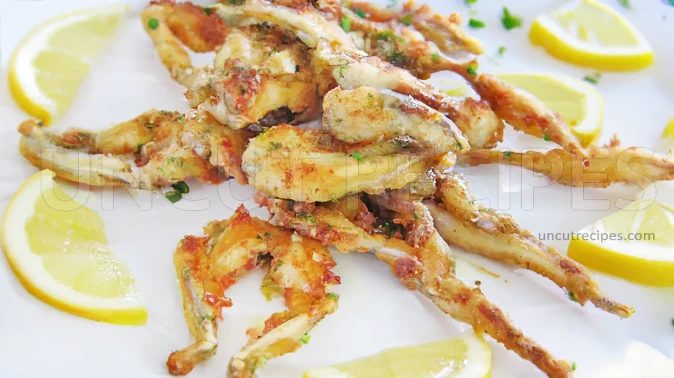
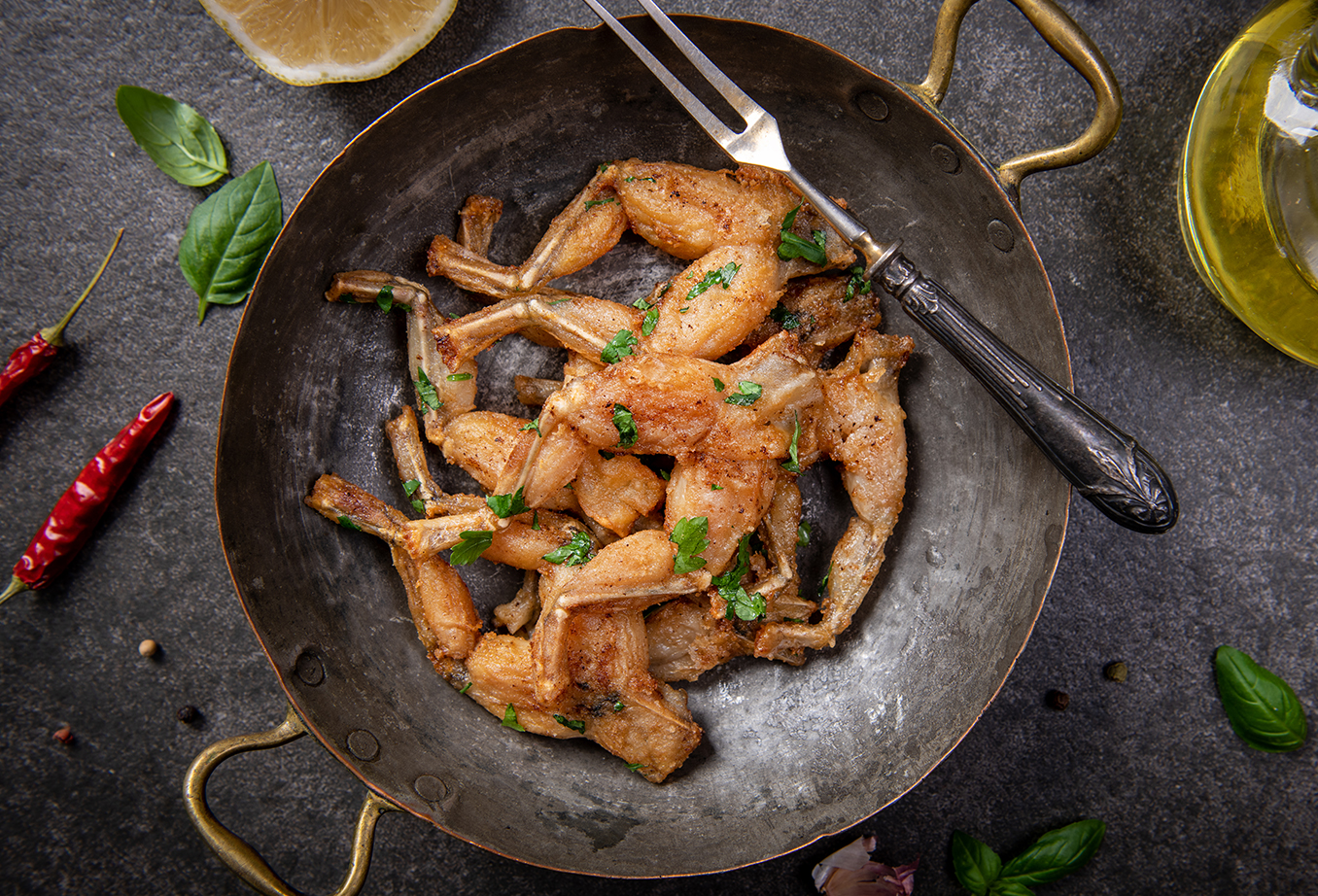
The frog legs are usually dredged in flour, sautéed in olive oil until golden brown, then simmered in a tomato-based sauce with the herbs and garlic. The result is a tender, flavorful dish that’s surprisingly satisfying.
(Side note: you can adjust herbs to your liking! Experiment and find your favorite ratio).

How to Eat Frog Legs (Like a Pro)
Okay, so you’ve braved it and ordered cuisse de grenouille à la Provençale. Now what? Here's the thing: don't be intimidated! Just pick one up (they're small!), and nibble. There isn’t a lot of meat on each leg, but what’s there is delicious! You may have to use your hands a bit, but that’s part of the fun!
(Another side note: don't worry about making a mess, everyone does!)
Where to Find It (Or Make It!)
If you’re in France, you might find cuisse de grenouille à la Provençale on the menu of traditional bistros or restaurants specializing in regional cuisine. If you’re not in France… well, you might have to hunt around! Some French restaurants outside of France might offer it.
But the best option? Try making it yourself! There are tons of recipes online. It's easier than you think (especially if you can find frog legs!) Bon appétit!


![Cuisses de grenouilles à la provençale [2]](https://www.ma-petite-recette.fr/photos_recettes/base/grande/c/cuisses_de_grenouilles_a_la_provencale__2.webp)