Okay, okay, imagine this. I'm in Paris, right? Sipping a café, trying to look all intellectual. Suddenly, a very chic Parisian asks me for directions. "Excusez-moi, Madame... vous parler anglais?" My brain. Freezes. Parler? How do I conjugate parler right now under pressure? I mumbled something about "un petit peu" and pointed vaguely down the street. Mortified, I vowed to never let the present tense get the better of me again. So, let's talk about it, shall we?
Le Présent: The Foundation of French
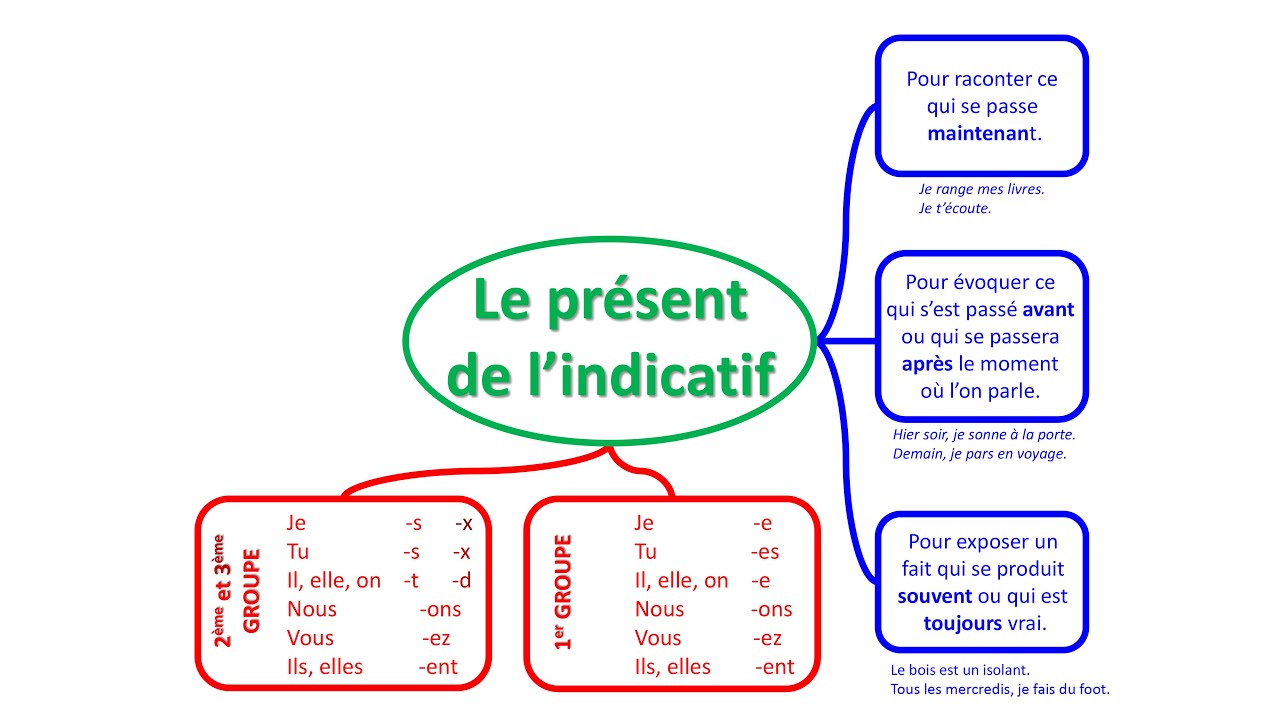
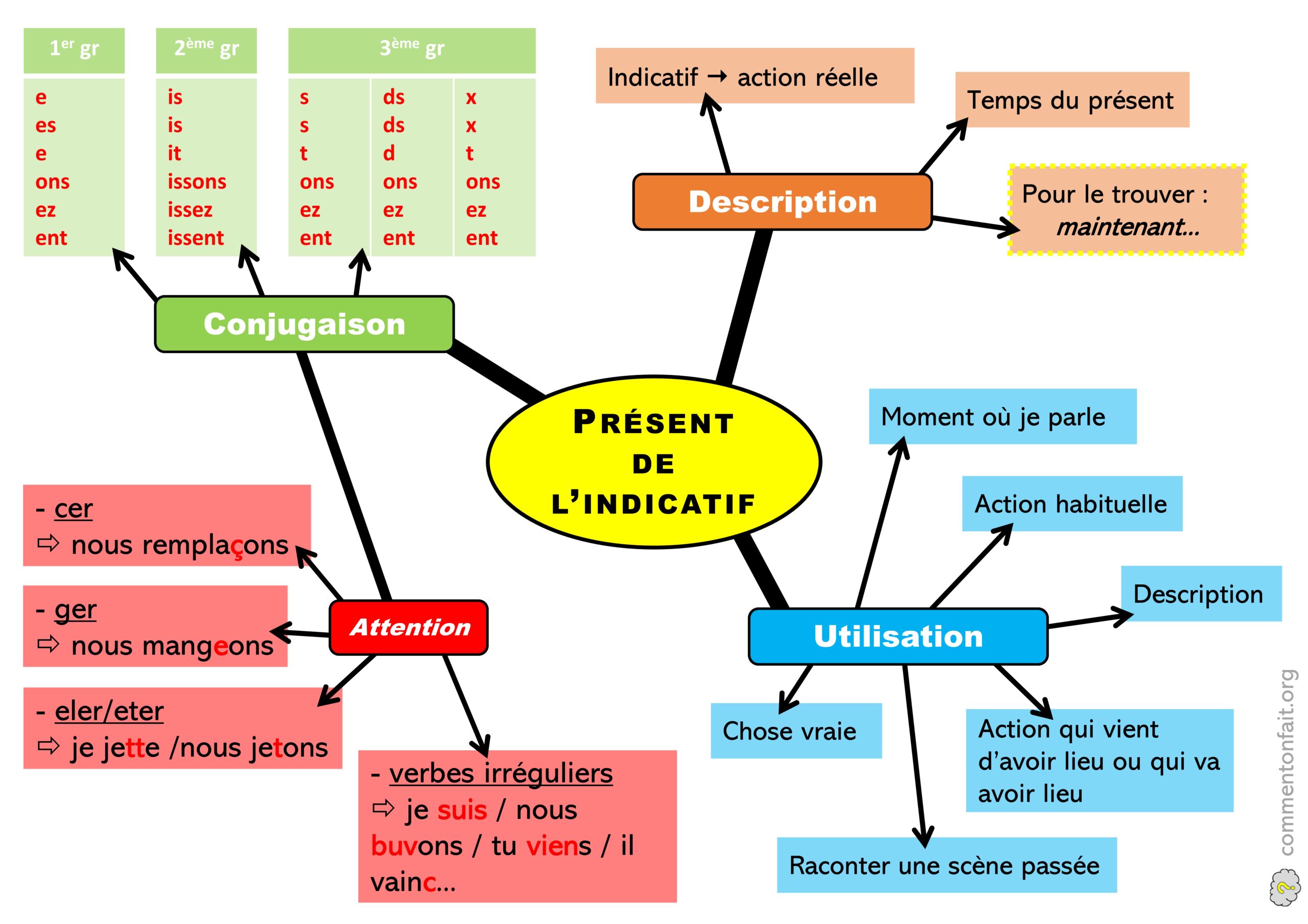
The présent de l'indicatif, or present indicative, is the workhorse of French verbs. It's what you use to talk about what you are doing, what you do regularly, or general truths. It's the foundation upon which all other tenses are built. Mastering it is essential for, you know, actually communicating in French. (Trust me, learning from awkward Parisian encounters isn't the best way.)
Regular Verbs: The Easy Peasy Stuff
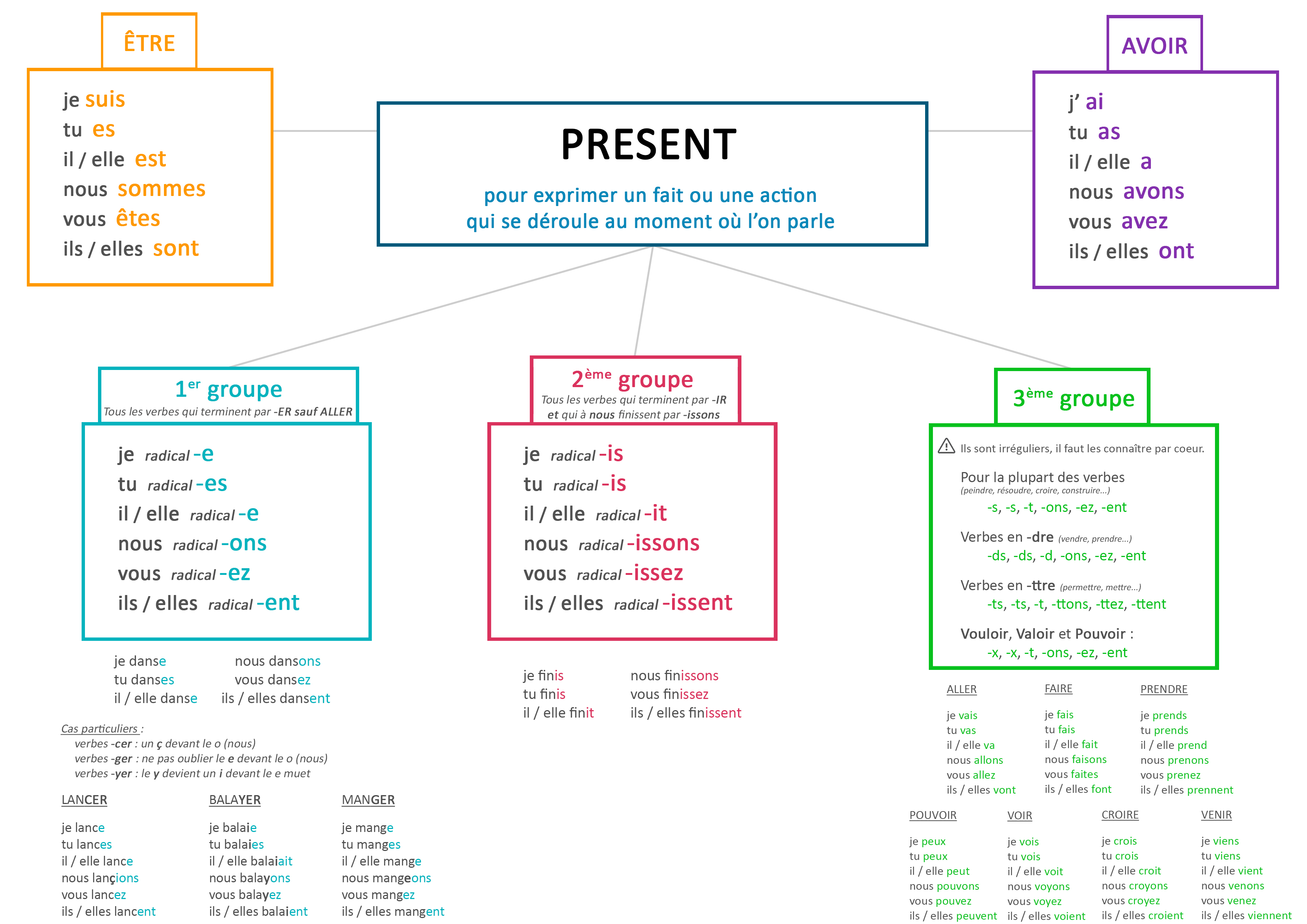
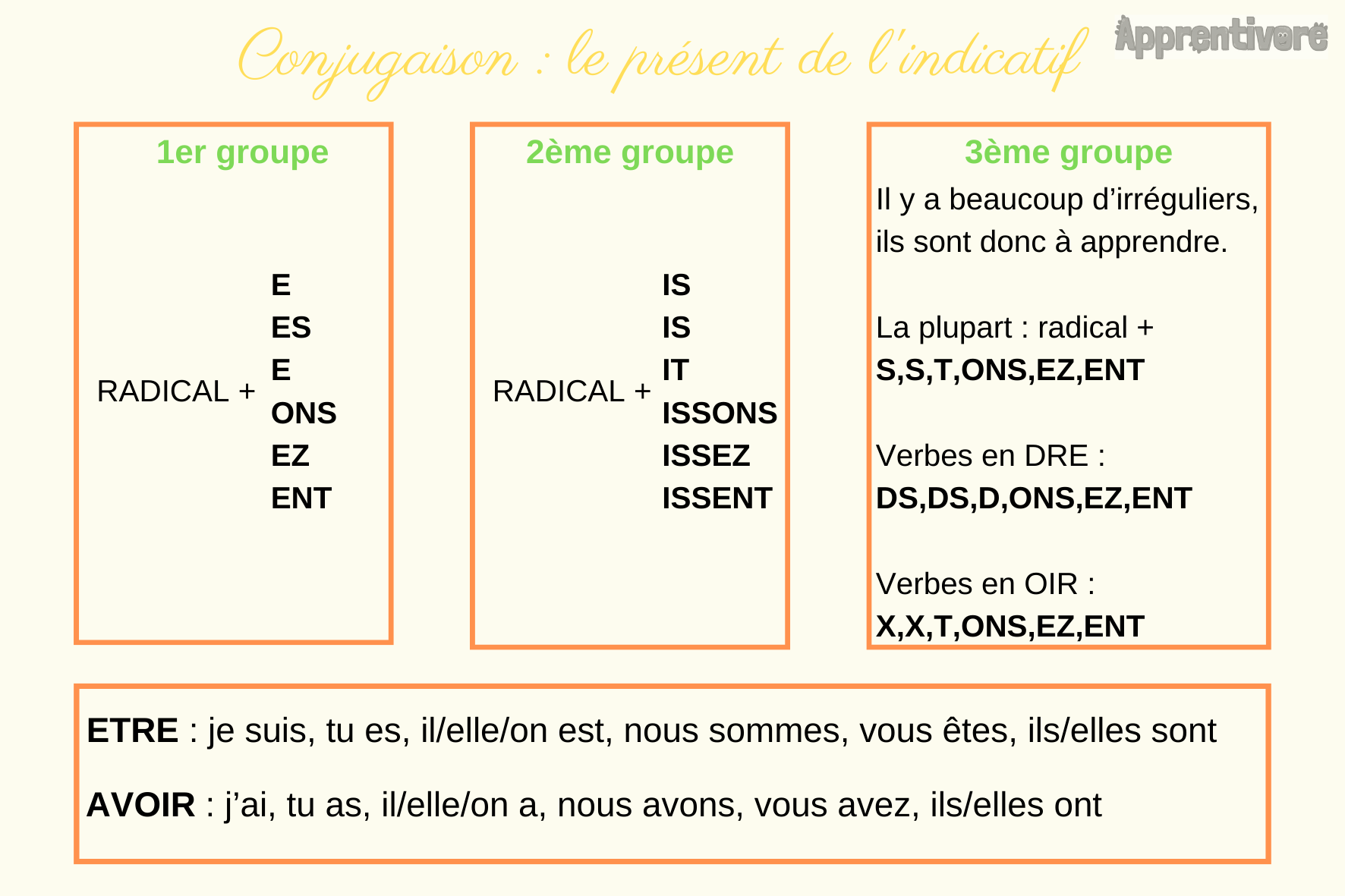
Let's start with the good news: regular verbs follow predictable patterns. There are three main groups, based on their infinitive ending:
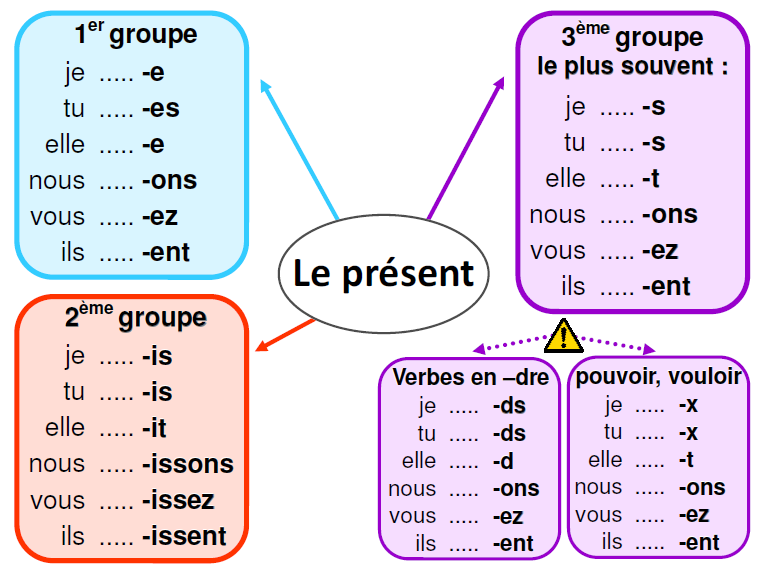
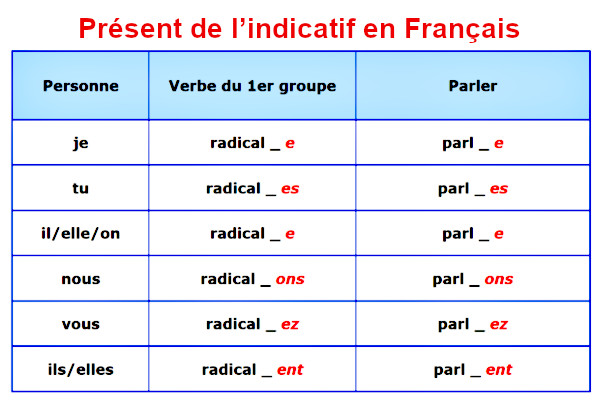
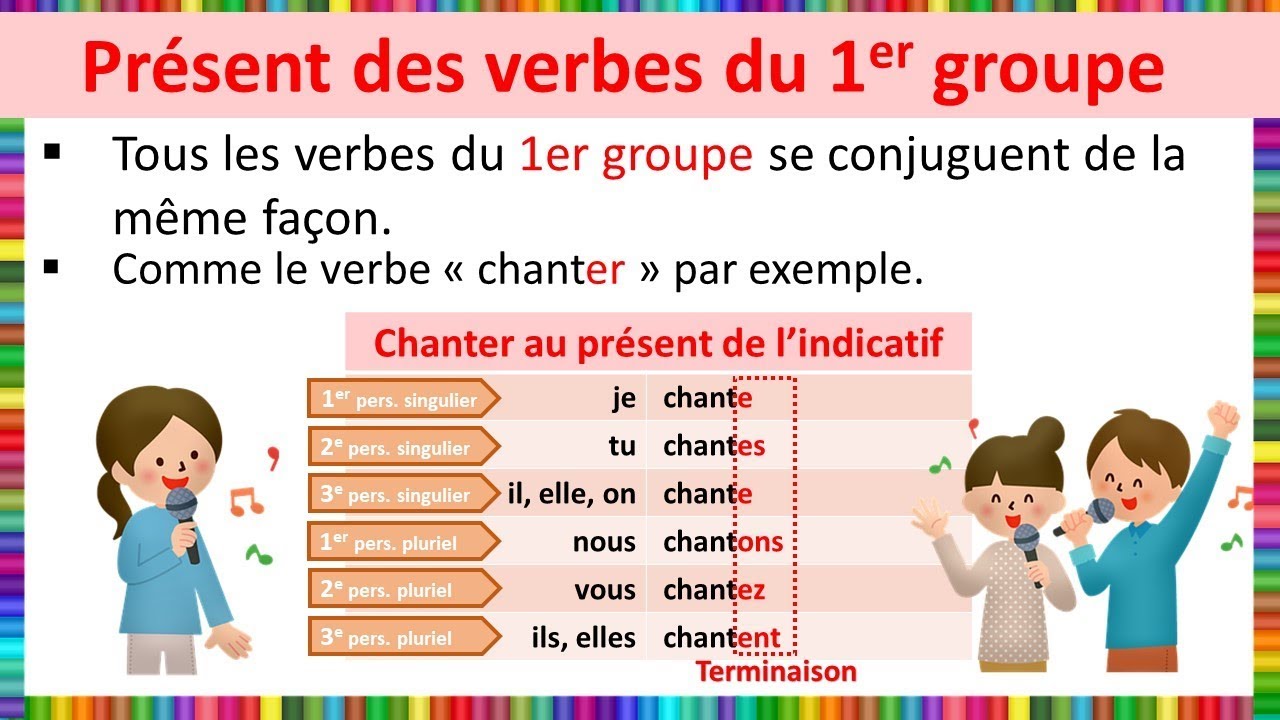
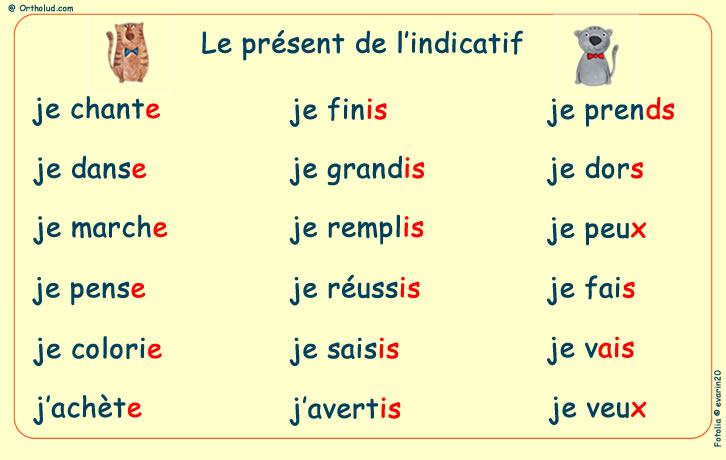
- -er verbs: These are the most common! Think parler (to speak), manger (to eat), aimer (to like). You just drop the -er and add the appropriate ending:
- Je parle
- Tu parles
- Il/Elle/On parle
- Nous parlons
- Vous parlez
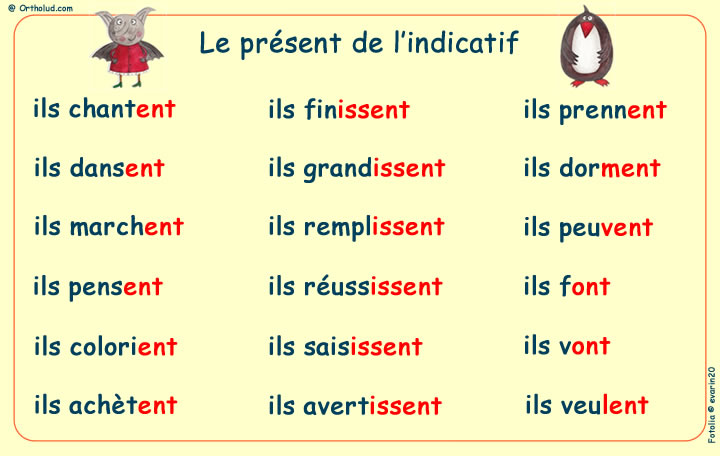
- Ils/Elles parlent
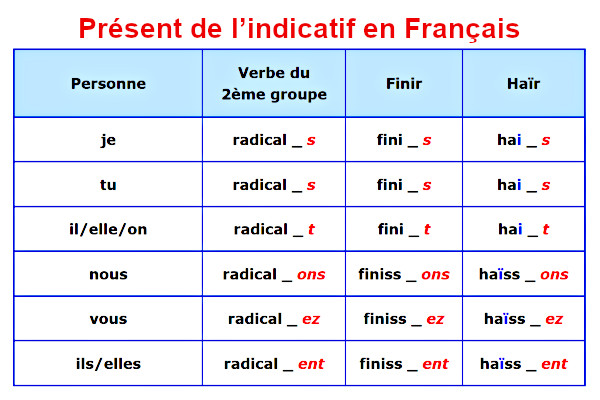
- -ir verbs: Less common, but still manageable. Think finir (to finish), choisir (to choose).
- Je finis
- Tu finis
- Il/Elle/On finit
- Nous finissons
- Vous finissez
- Ils/Elles finissent
- -re verbs: These guys are a bit different, like vendre (to sell), attendre (to wait).
- Je vends
- Tu vends
- Il/Elle/On vend
- Nous vendons
- Vous vendez
- Ils/Elles vendent
Irregular Verbs: The Quirky Bunch
Now, for the not-so-good news: there are irregular verbs. Lots of them. These guys don't follow the rules, so you have to memorize them. But don't panic! Some are more common than others, so focus on those first. (I’m looking at you, être and avoir!) They really are the most important.
Here are a few key irregular verbs in the present tense:
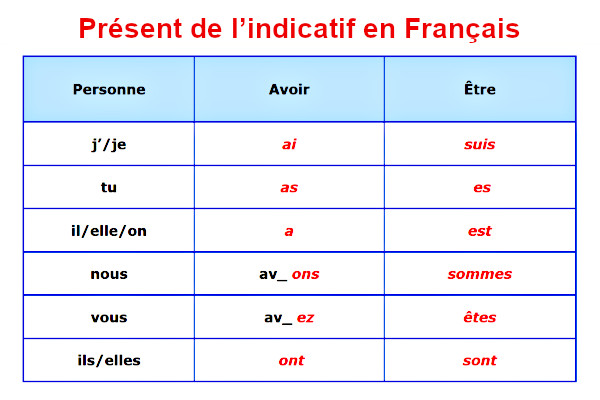
- Être (to be): Je suis, tu es, il/elle/on est, nous sommes, vous êtes, ils/elles sont
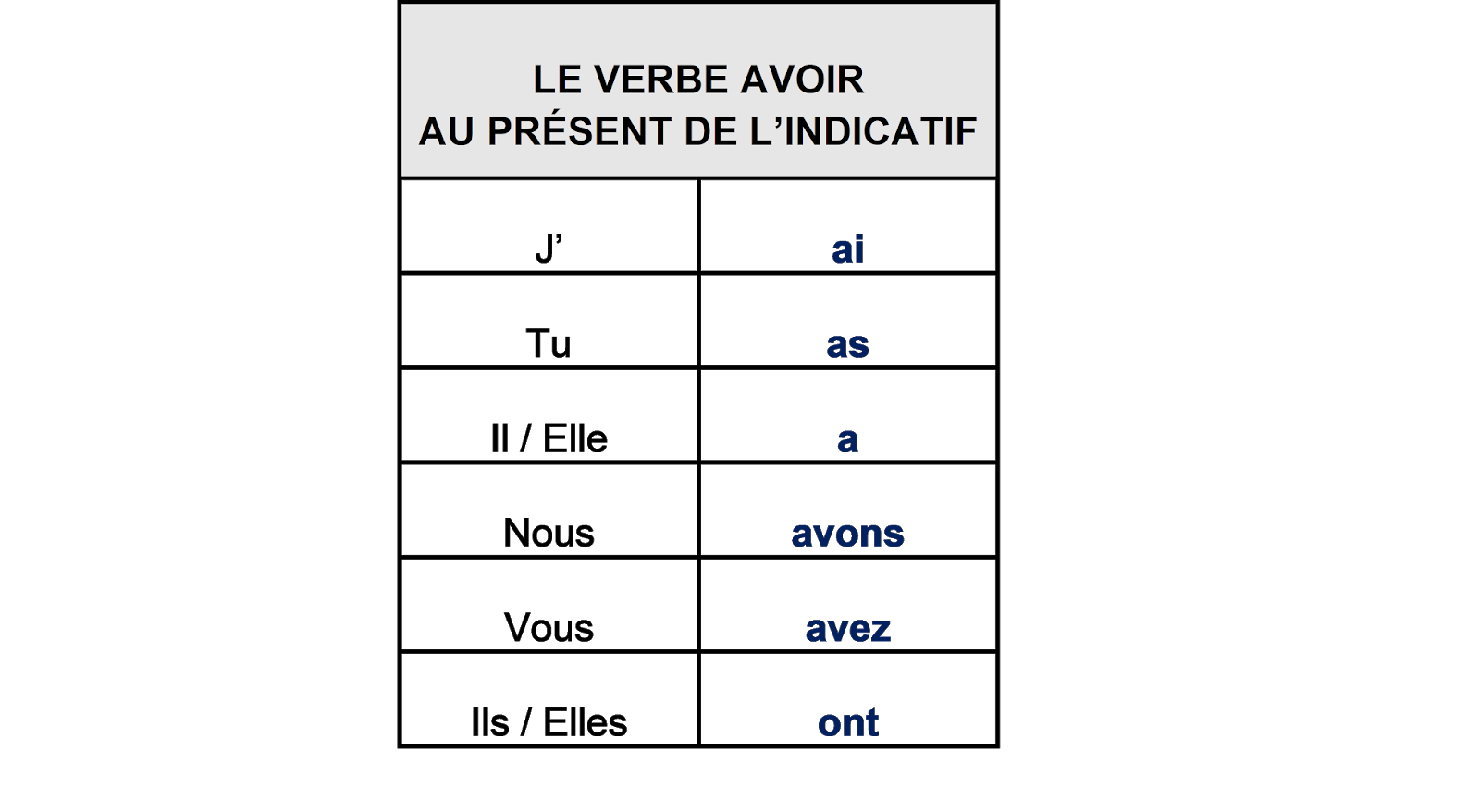
- Avoir (to have): J'ai, tu as, il/elle/on a, nous avons, vous avez, ils/elles ont
- Aller (to go): Je vais, tu vas, il/elle/on va, nous allons, vous allez, ils/elles vont
- Faire (to do/make): Je fais, tu fais, il/elle/on fait, nous faisons, vous faites, ils/elles font
Pro tip: flashcards are your friend! Practice them religiously, and soon you'll be conjugating like a pro. (Or at least, not freezing up when asked for directions.)
Using the Present Tense in Real Life
Okay, so you know how to conjugate. But when do you use it? Here are a few common situations:
- Describing current actions: Je lis un livre (I am reading a book).
- Stating facts: Paris est la capitale de la France (Paris is the capital of France).
- Expressing habitual actions: Je bois du café tous les matins (I drink coffee every morning).
- Making general statements: Les chats aiment dormir (Cats like to sleep).
So, there you have it! A whirlwind tour of the present indicative. It might seem daunting at first, but with practice, you'll get the hang of it. And who knows, maybe next time I'm in Paris, I'll be the one giving directions. (Probably not, but a girl can dream!)