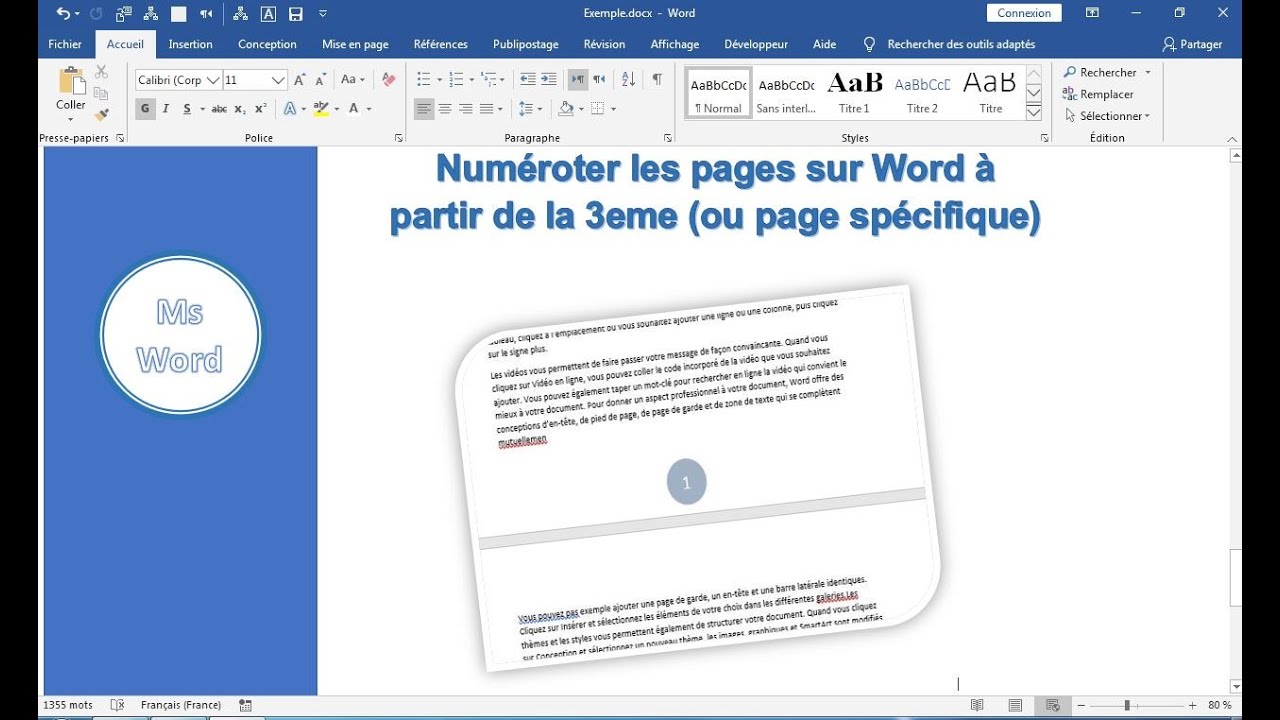
Okay, imagine this. I was frantically putting together a report the night before the deadline (as one does, amirite?), and I kept messing up the page numbers. Like, the title page was page "1," then the table of contents was "2," and the actual content... well, it started at "3." Which is fine, except the prof wanted the content to start at "1." Cue panic. Anyone else been there? Don't lie.
This whole saga led me down a rabbit hole of word processing settings. Turns out, correctly numbering pages, especially when you want to skip the title page (or any introductory pages), is a surprisingly common problem. So, let's tackle this beast together!
La Solution: Breaks, Breaks, and More Breaks!
The secret ingredient? Section breaks. Think of them like little invisible fences that tell your word processor, "Okay, this section is separate from the previous one." (I know, profound, right?). This allows us to have different headers, footers, and—most importantly—page numbering schemes for different parts of our document.
Here’s the basic idea:
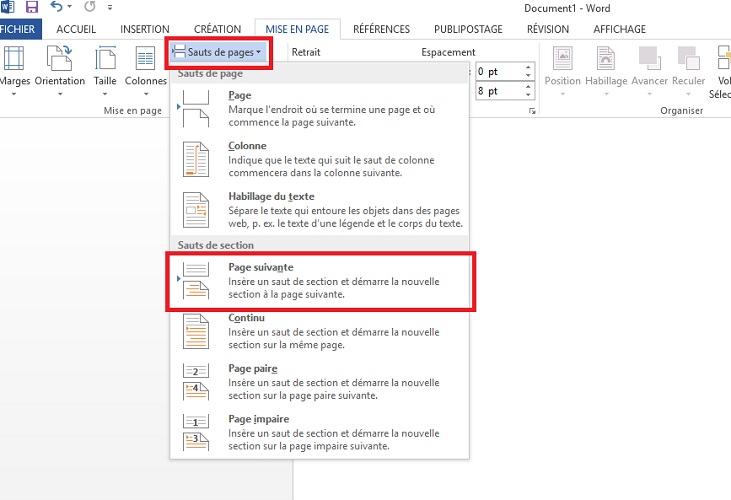
- Insert a Section Break (Next Page): Place your cursor at the end of your title page (or the last page before you want the real numbering to begin). Go to "Layout" (or "Page Layout," depending on your word processor) and find the "Breaks" option. Choose "Next Page" under the "Section Breaks" category.
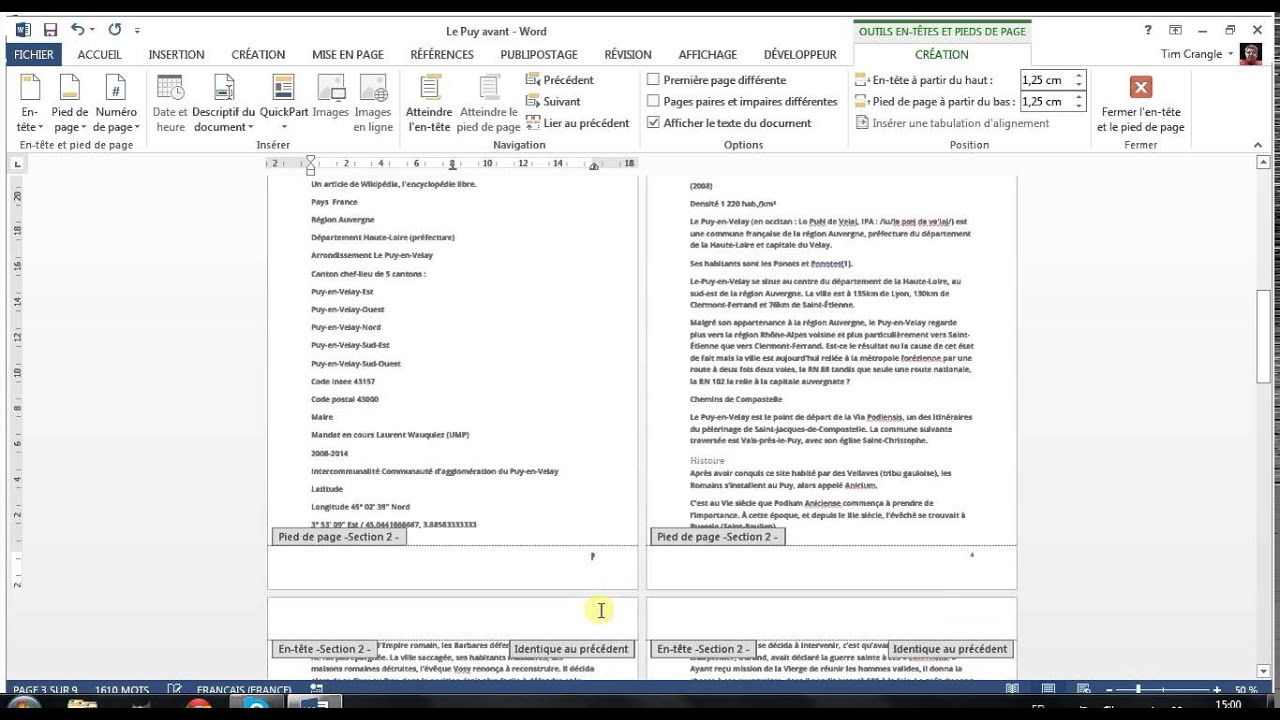
- Unlink the Footer (or Header) in the New Section: This is crucial! Double-click in the footer (or header) of the second section (the one after the title page). You should see a button that says something like "Link to Previous" or "Same as Previous." Click it to disable it! If it’s highlighted, it's linked. If it's not, you're good to go!
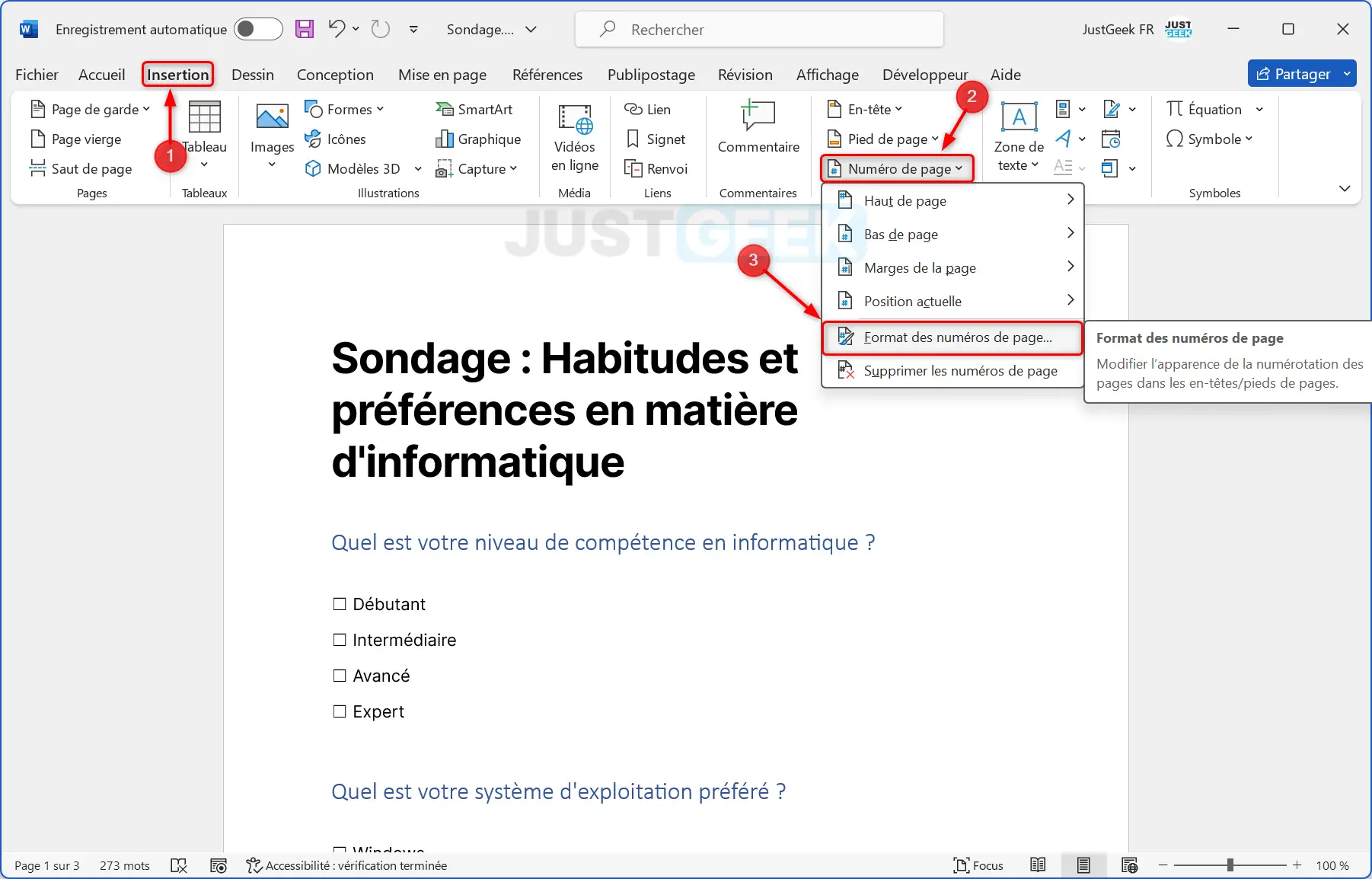
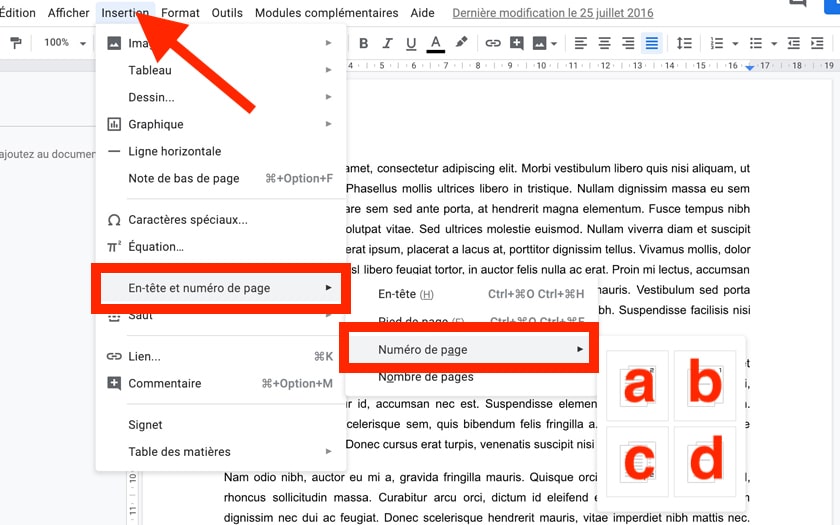
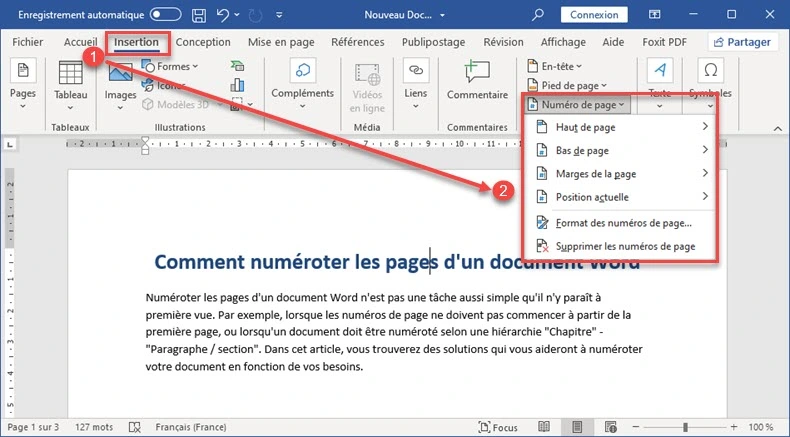
- Insert Page Numbers: Now, go to "Insert" and then "Page Number." Choose your desired style (bottom right, top center, whatever floats your boat).
- Format Page Numbers: This is where the magic happens. After inserting the page number, right-click on it and choose "Format Page Numbers." In the dialogue box, you'll see an option to "Start at." Change this to "1" (or whatever number you want your content to start at).
Voilà! Your content pages should now be correctly numbered, while the title page is blissfully ignored. You can now go back and delete the page number from the title page (or any other introductory pages) without affecting the rest of the document. Seriously, try it!
Petites Astuces Supplémentaires (Bonus Tips!)
- Table of Contents: Don't forget to update your table of contents after you've adjusted the page numbers! Most word processors have an "Update Table" option.
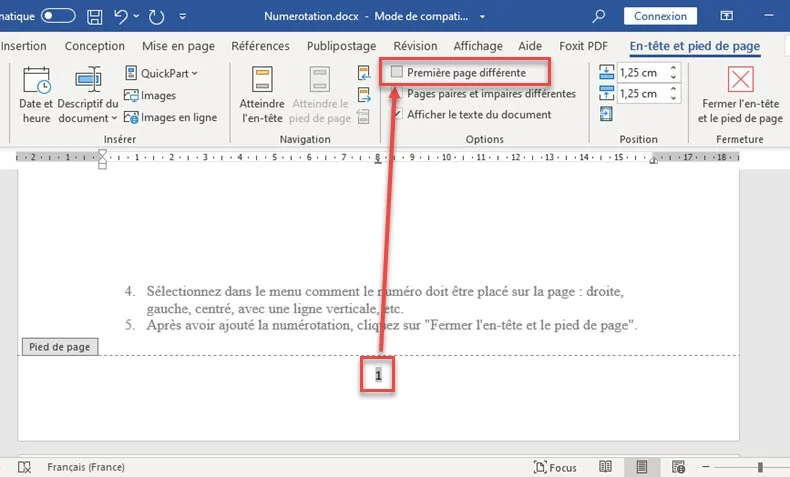
- Different First Page: Some documents require a completely different header/footer on the first page of a section. Look for a "Different First Page" option in the header/footer settings.
- Multiple Sections: You can use this technique to create even more complex numbering schemes. For example, you might use Roman numerals for the preface and Arabic numerals for the main content.
So there you have it. Page numbering, demystified! Go forth and create beautifully formatted documents. And remember, section breaks are your friends. Trust me on this one. Good luck!