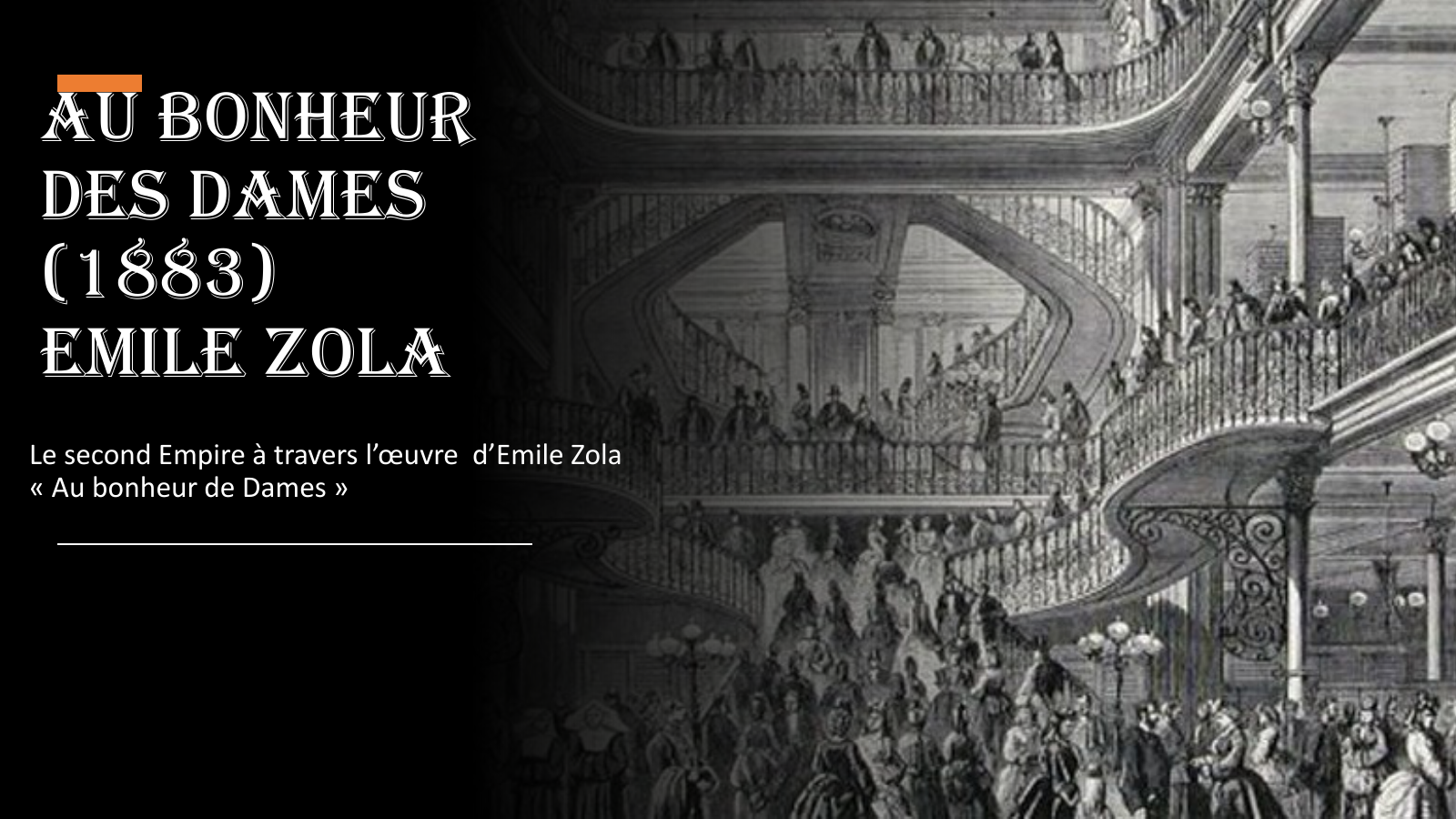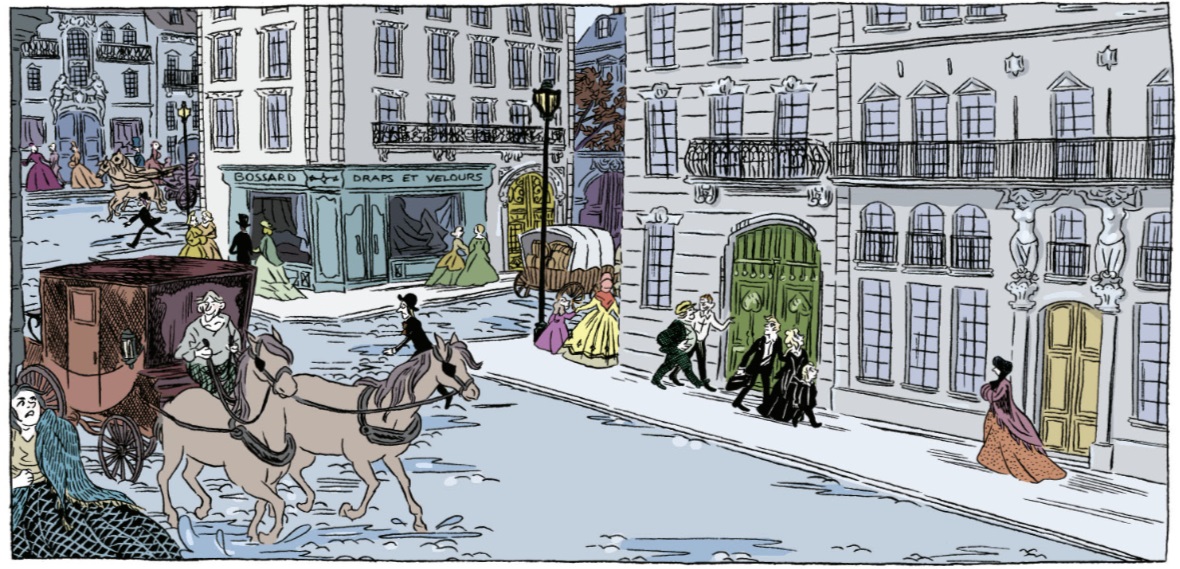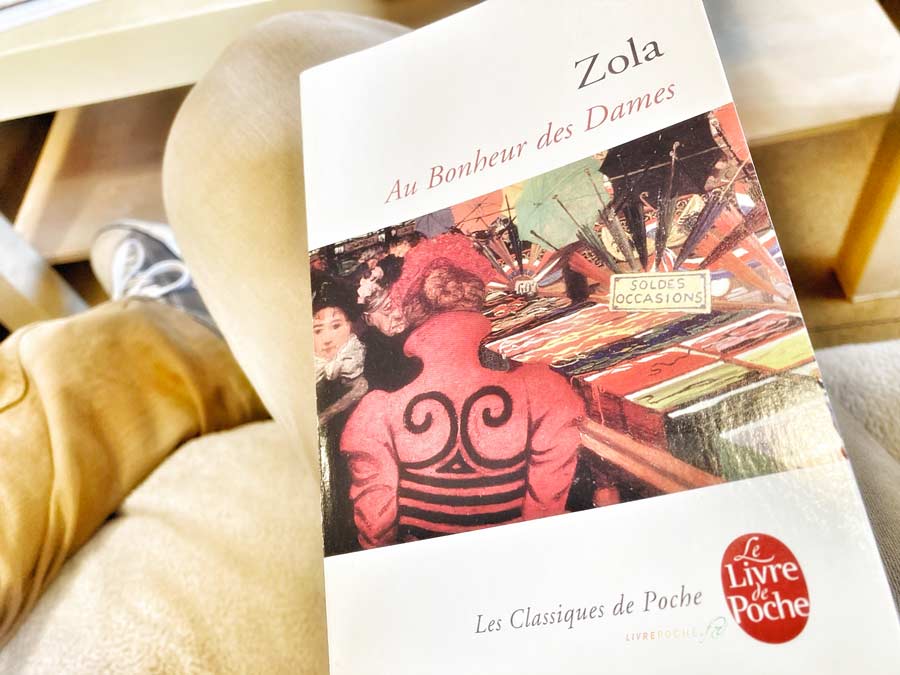
Okay, so picture this: me, last Saturday, trying to find the perfect little black dress. I swear, navigating the racks at the mall was like entering a combat zone. Pushy sales assistants, screaming kids, and an endless sea of sequins… I was about to give up and just wear pajamas to the party when it hit me: This is basically a real-life version of Au Bonheur des Dames, isn't it?
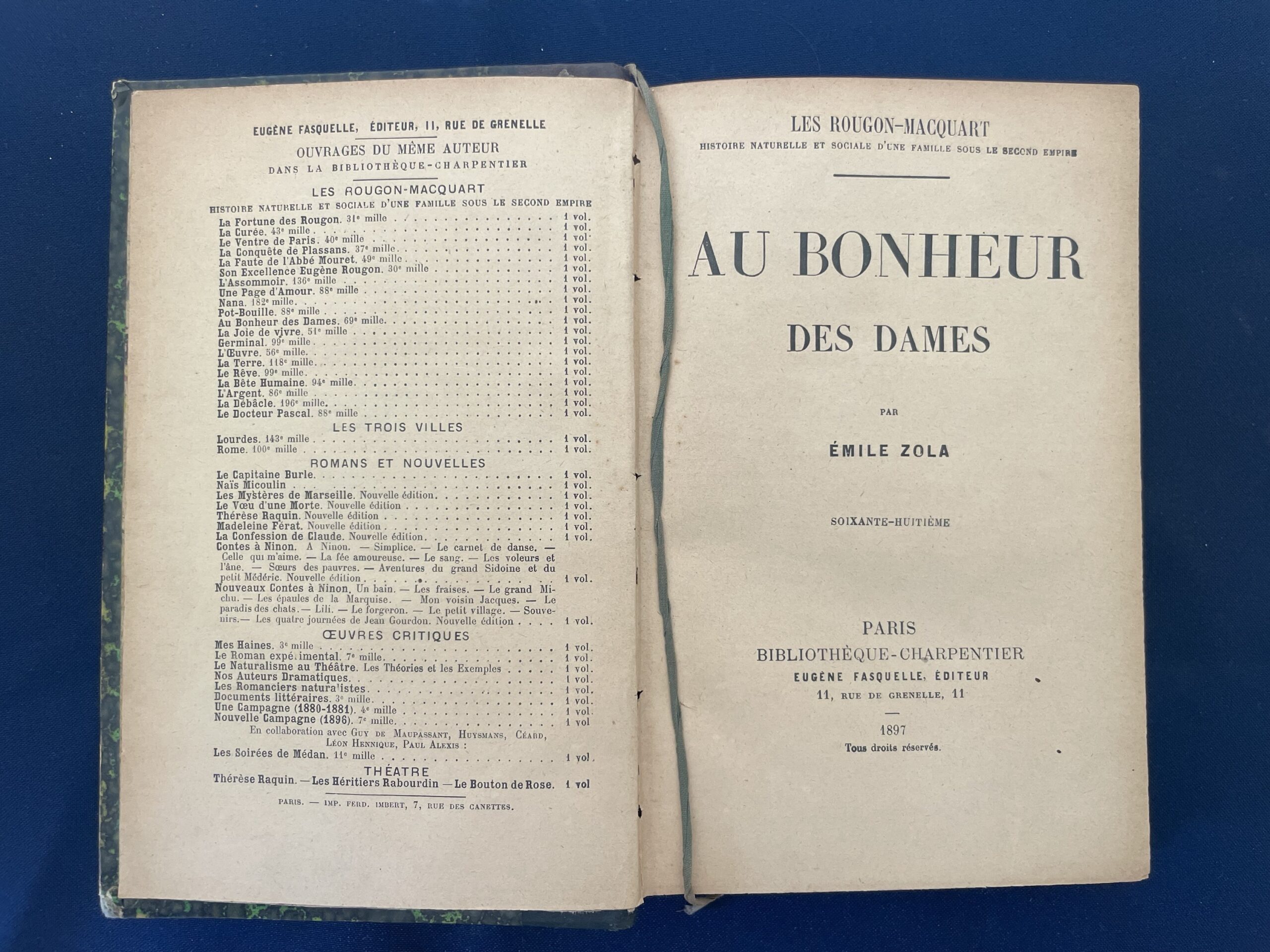
And that, my friends, is where we dive into the wonderful (and slightly terrifying) world of Émile Zola’s masterpiece. You know, the one about a department store that devours everything in its path?
Zola and the Rise of the Department Store: A Love-Hate Relationship
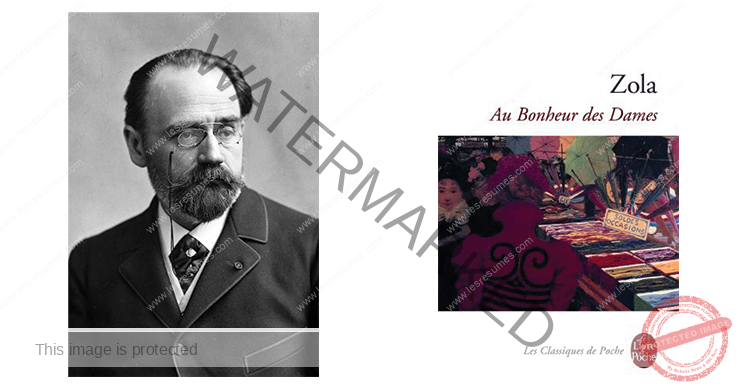
Zola, that brilliant, grumpy realist, wasn't exactly known for writing fluffy romance novels. He was all about showing the gritty, ugly truth of things, and Au Bonheur des Dames is no exception. The novel centers around Denise Baudu, a young woman from the provinces who arrives in Paris and gets a job at the titular department store. Think of it as the 19th-century equivalent of landing a gig at Amazon, only instead of selling everything online, they sell everything under one ridiculously opulent roof.
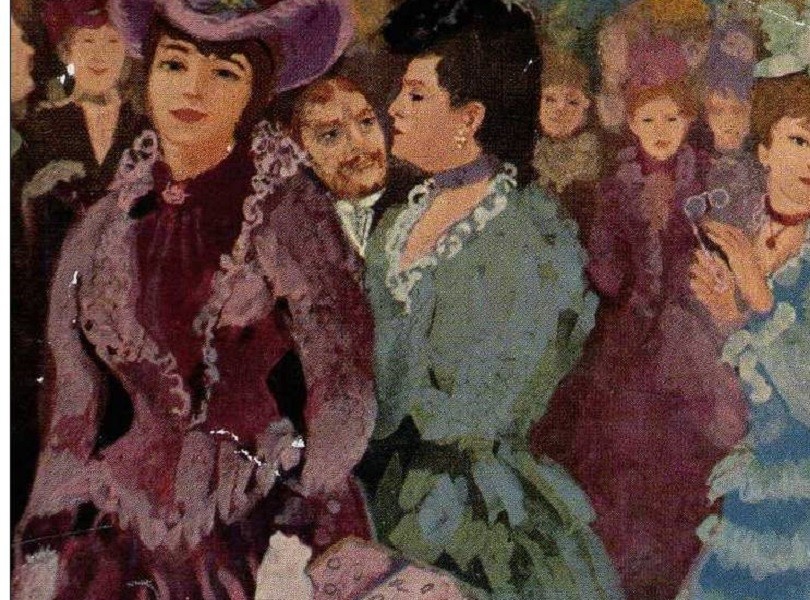
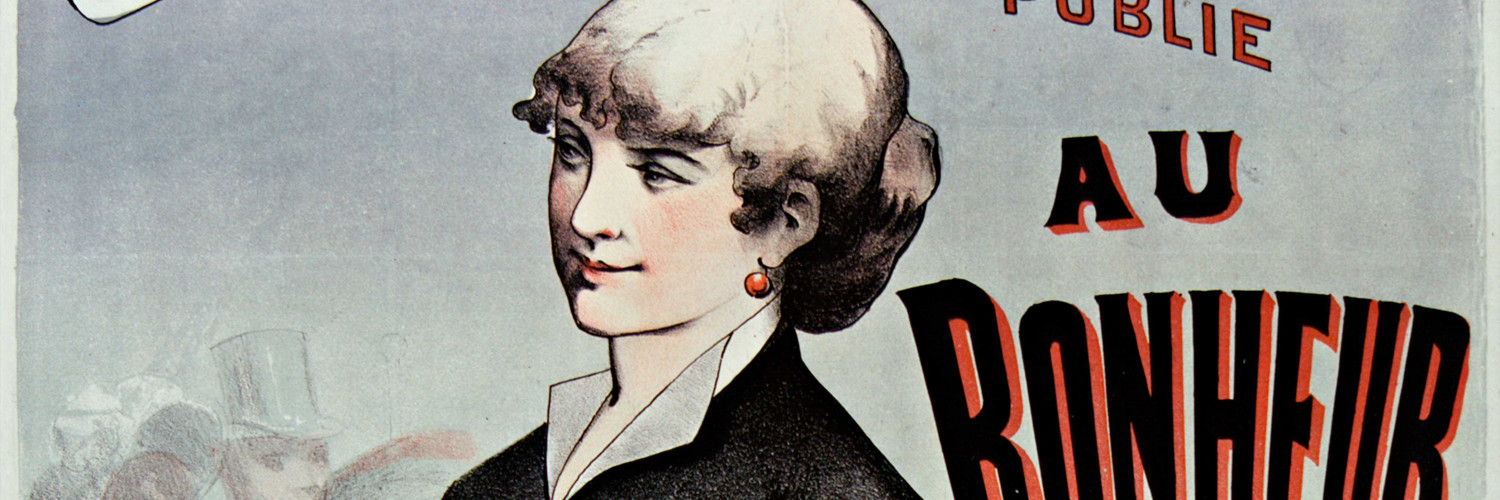
Zola was fascinated by the rise of department stores in Paris during the Second Empire. These weren't your grandma's little boutiques. We're talking massive emporiums, temples of consumerism, complete with dazzling displays, seductive advertising, and…well, cutthroat business practices. He even did a ton of research, visiting the Bon Marché (which served as a major inspiration for the book) and interviewing employees. Imagine him, scribbling furiously in a notebook, observing the shoppers with a mix of awe and suspicion. Priceless!
It's More Than Just Shopping: Themes Explored
Now, Au Bonheur des Dames isn't just about pretty dresses and shiny shoes. Zola uses the department store as a lens to explore some seriously important themes:

- Capitalism vs. Tradition: The department store is a symbol of modern capitalism, crushing the smaller, family-owned businesses that represent traditional ways of life. Think of the old-fashioned shops struggling to compete with the overwhelming power of Au Bonheur des Dames. Ouch! (And totally relatable, right?)
- The Power of Advertising and Consumerism: Zola shows how advertising manipulates desires and creates needs where none existed before. Ever felt like you needed that new gadget, even though you had no idea what it did five minutes ago? Yeah, Zola gets it.
- The Changing Role of Women: While the department store offered women employment opportunities, it also exploited them with low wages and long hours. Plus, it played on their desires, reinforcing societal expectations about beauty and fashion. Double-edged sword, much?
- Social Darwinism: This is Zola, after all. He explores the idea of "survival of the fittest" in the business world, with Au Bonheur des Dames ruthlessly eliminating its competition. It's not pretty, but it's undeniably gripping.
Denise Baudu: The Underdog We Root For
Denise, our protagonist, is basically the opposite of the flashy, materialistic world she finds herself in. She's humble, honest, and hard-working. She starts out as a simple salesgirl, but gradually rises through the ranks. Her journey is fascinating because it’s not a straightforward "rags to riches" story. She faces plenty of challenges, including sexism, envy, and the constant pressure to conform to the store's values.
It's easy to admire Denise's resilience. She refuses to be corrupted by the department store's allure and maintains her integrity throughout the novel. Which, let’s be honest, is way more than I can say for myself after spending an afternoon at Sephora. (Oops, did I say that out loud?)
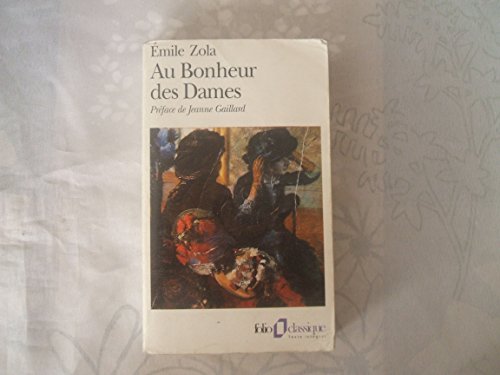
Octave Mouret: The Charming (But Problematic) Owner
Ah, Octave Mouret, the owner of Au Bonheur des Dames. He's charismatic, ambitious, and a total womanizer. He's also a marketing genius. He understands how to tap into women's desires and create a shopping experience that's both addictive and intoxicating. He is the embodiment of modern capitalism. He is the guy who creates an irresistible sales event every month. But…he's also a bit of a jerk. He sees women as objects to be manipulated and conquered. This definitely makes him a complex and morally ambiguous character. We are not really sure whether we should love him or hate him. He’s the classic example of a character you love to hate. You know what I mean?
The dynamic between Denise and Octave is at the heart of the novel. He's attracted to her honesty and simplicity, while she's drawn to his power and ambition. Their relationship is filled with tension and conflict, and it's never quite clear whether they truly understand each other. It's complicated, to say the least.
Why Should You Read It? (Even If You Hate Shopping)
Okay, so maybe you’re not exactly thrilled by the idea of reading a book about a department store. I get it. But trust me on this one. Au Bonheur des Dames is so much more than just a historical novel about shopping. It’s a story about:

- Ambition and Innovation: The rise of the Au Bonheur des Dames embodies the spirit of progress and the desire to create something new and extraordinary.
- The Price of Progress: Zola doesn't shy away from showing the dark side of capitalism, the exploitation of workers, and the destruction of traditional values.
- Human Nature: At its core, Au Bonheur des Dames is a story about human desires, ambitions, and the struggle to find meaning in a rapidly changing world.
Plus, it's a fascinating glimpse into 19th-century Paris. Zola's descriptions are so vivid that you can almost smell the perfumes and hear the rustling of silk dresses. It’s like taking a trip back in time, without the need for a time machine (or a really uncomfortable corset).
Is it still relevant today?
Absolutely! Think about it. We're still bombarded with advertising. We're still obsessed with consumerism. And big corporations are still crushing smaller businesses. Au Bonheur des Dames may have been written over a century ago, but its themes are just as relevant today as they were then.

Next time you're tempted to buy something you don't really need (ahem, that extra pair of shoes), remember Denise Baudu and the seductive allure of Au Bonheur des Dames. Maybe, just maybe, you'll think twice before swiping that credit card. Or maybe not. No judgement here. We've all been there!
So, go ahead and give Au Bonheur des Dames a read. You might be surprised by how much you enjoy it. And who knows, maybe it'll even change the way you think about shopping. Or at least, give you something to ponder while you're standing in line at the checkout counter. Just try not to get trampled in the process!
Bonne lecture! (Happy reading!)