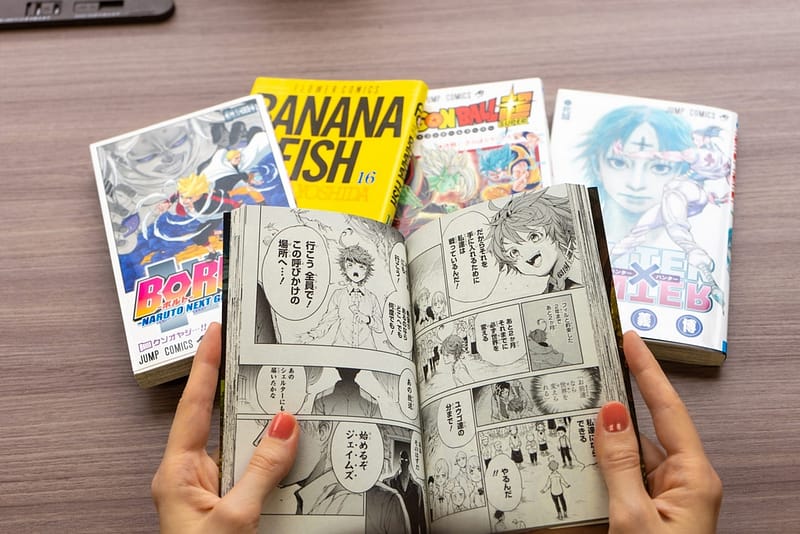
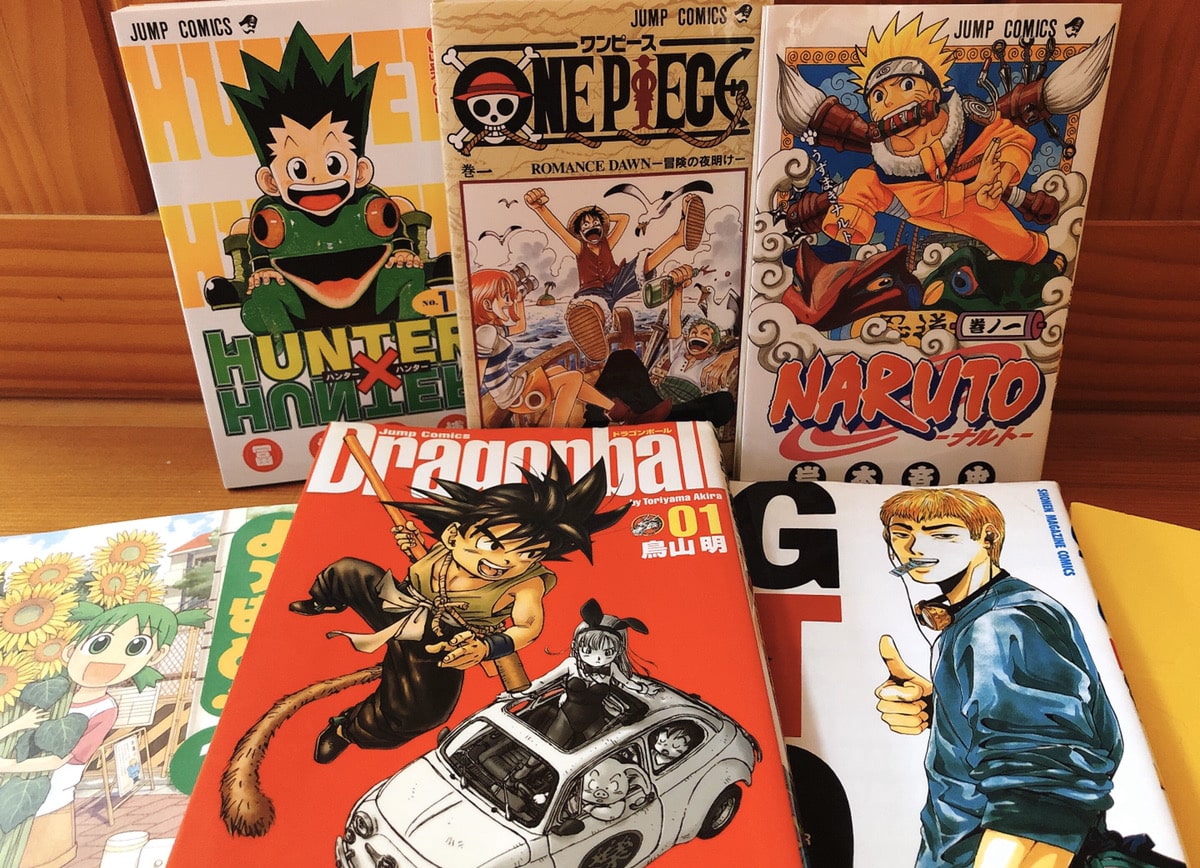
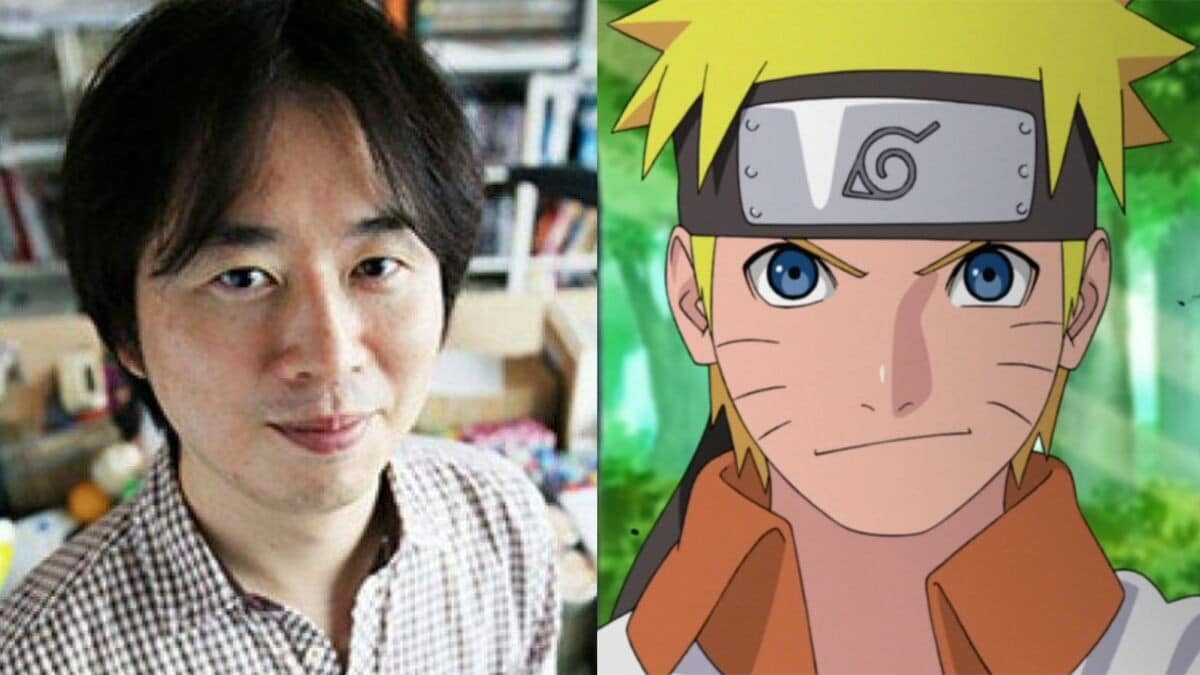
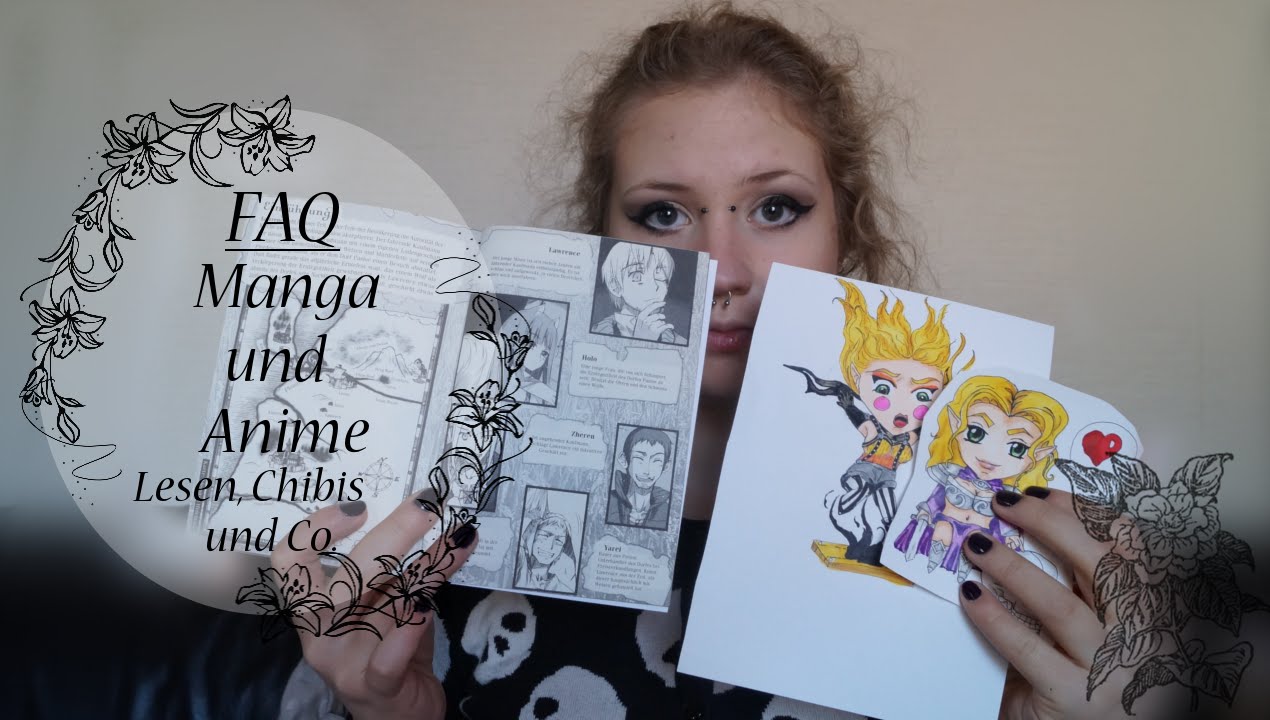
Ok, confession time. I remember the first time I picked up a manga. I was at a convention, overwhelmed by the colours and the…well, the everything. I grabbed a volume of Naruto (because, you know, classic!) and flipped it open, ready to dive in. Except… I was immediately lost. Speech bubbles pointing every which way, panels going in directions I didn't expect. I felt like I was trying to read a secret code designed specifically to confuse me. I ended up just staring at the pretty pictures and then sheepishly putting it back. Anyone else been there? Don't worry, you're not alone! And that's why we're here today: to demystify the art of reading manga!
So, you've got this awesome-looking book in your hands. Now what? Let's break it down. It's easier than you think, promise!
The Cardinal Rule: Right to Left!
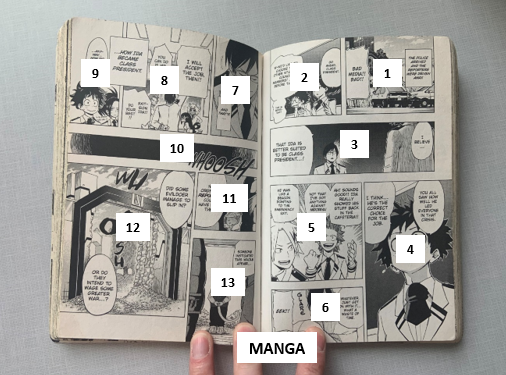
This is the big one. The one that trips everyone up at first. Unlike Western comics and books that you read from left to right, manga is read from right to left. Yes, really. I know, it feels weird. Your brain will fight you on this. But stick with it. Think of it as a fun little brain exercise!
Here's how it works:
- Start with the back cover: Yep, the back. Flip the manga over and admire the artwork. Get a feel for the vibe.
- Open to what you think is the "last" page: This is actually the first page of the story.
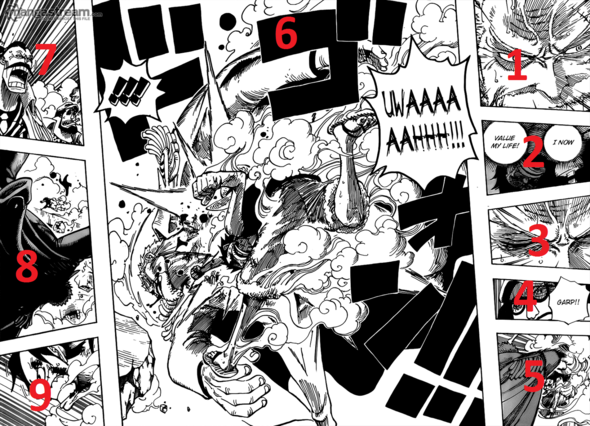
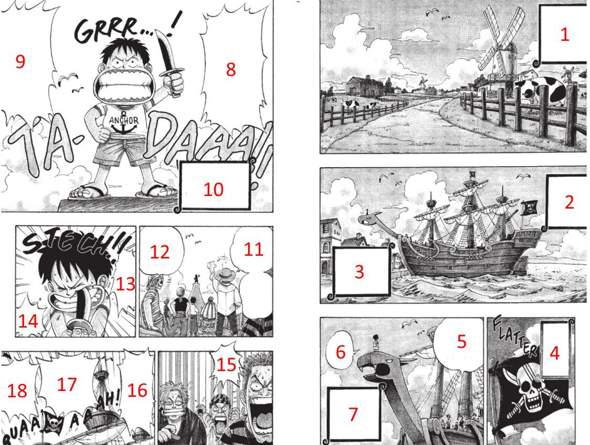
- Begin reading from the top right panel: This is your starting point for each page.
- Move across the page: Continue reading the panels from right to left, then move down to the next row and repeat.
- Turn the page: And keep going!
See? Not so scary, right? Just a little…backwards.
Decoding the Panels: A Visual Guide
Okay, so you're reading right to left. Great! But manga panels can be arranged in all sorts of creative ways. Sometimes they're straightforward grids, other times they're dynamic and overlapping. It can be a bit… much.
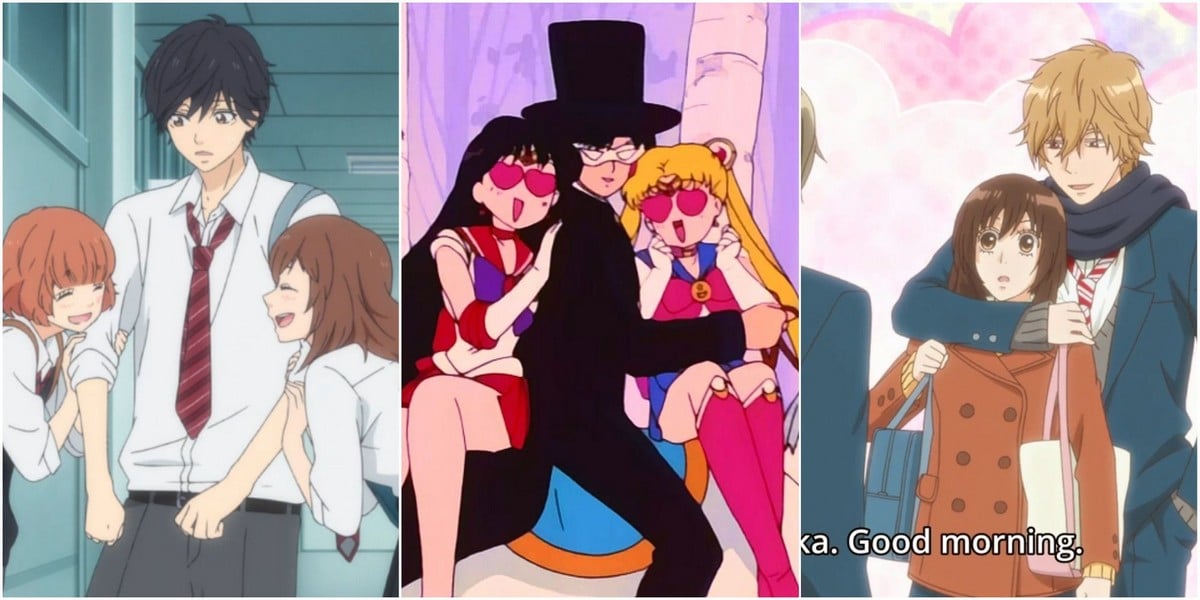
Here's a panel-reading survival guide:
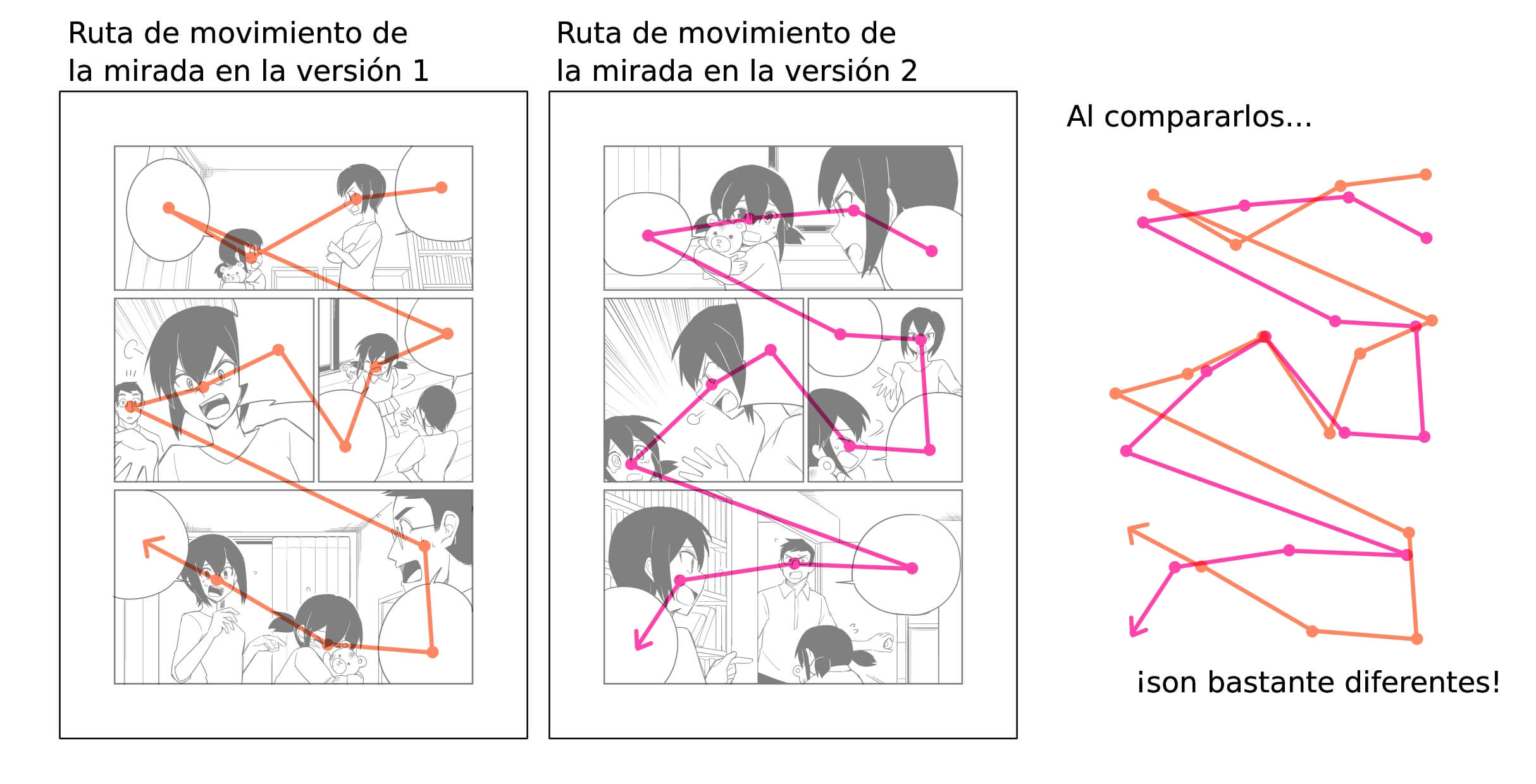
- Follow the flow: Generally, panels are arranged to guide your eye. Look for visual cues like arrows (sometimes subtle), lines, and the overall composition of the page.
- Pay attention to size and shape: Bigger panels usually indicate more important moments or dramatic reveals. Oddly shaped panels can add emphasis or a sense of movement. A panel that breaks the border on the page is usually really important (think: intense emotional moments or impactful action scenes).
- Overlapping panels: These often indicate that the actions in those panels are happening simultaneously or in close succession.
The best way to get used to this is to just practice! The more manga you read, the more intuitive it becomes. You'll start to instinctively know where to look next. (And hey, if you get lost, just backtrack a little. No shame in that!)
Decoding the Dialogue: Speech Bubbles and Sound Effects
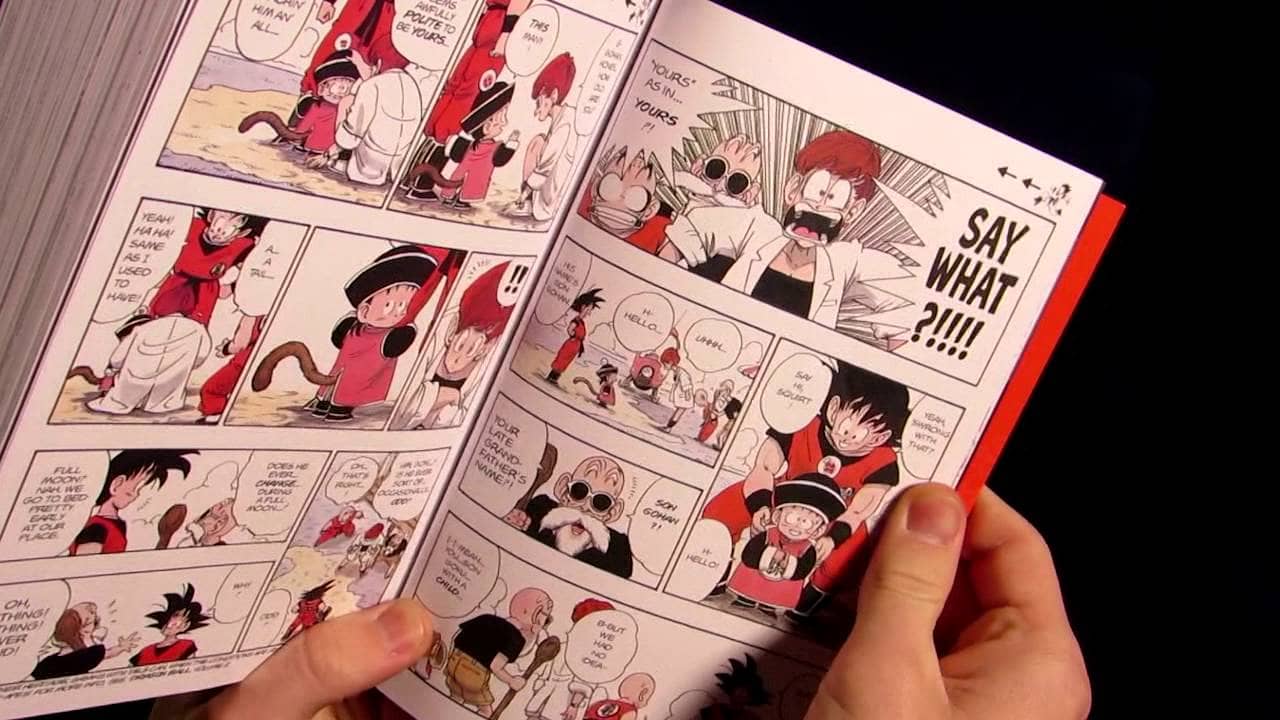
Alright, let's talk about the bubbles! Speech bubbles in manga come in all shapes and sizes, and they can tell you a lot about what's going on.
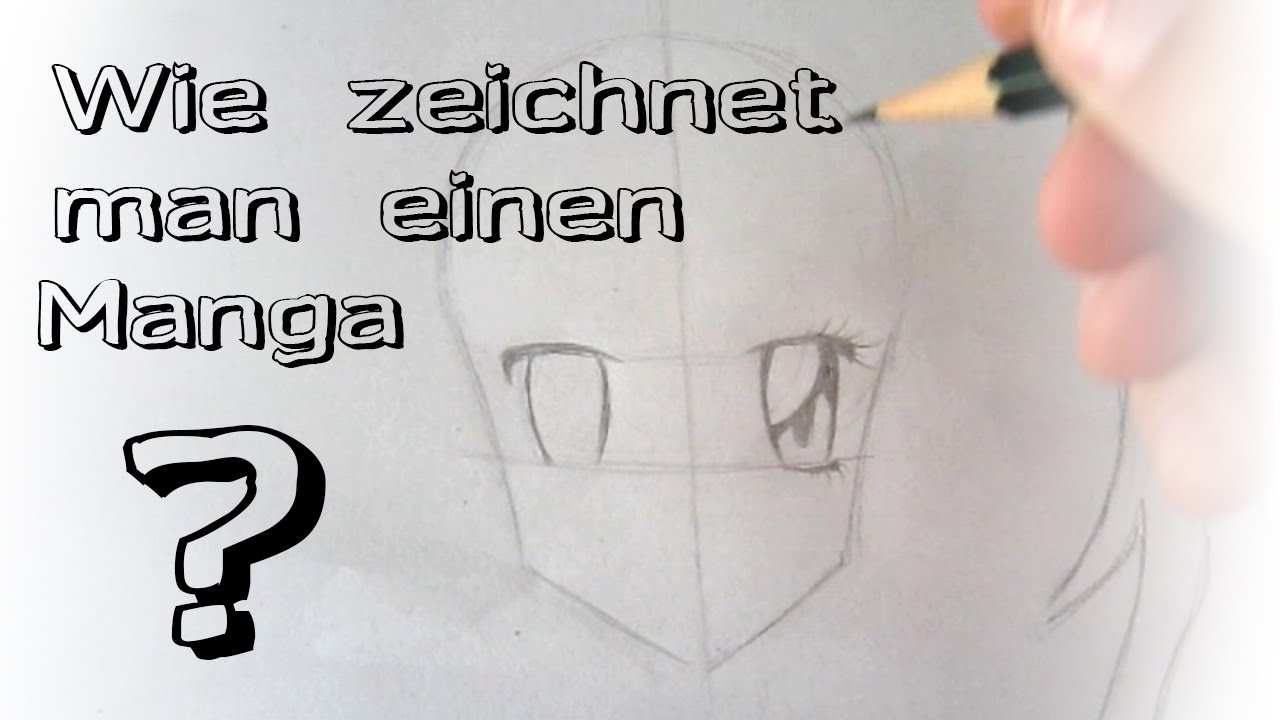
Speech Bubble Breakdown:
- Standard bubbles: These are your regular dialogue bubbles. They usually contain the character's words. Nothing too fancy.
- Thought bubbles: These are often cloud-shaped and indicate a character's internal thoughts. Think of them as the character's inner monologue.
- Screaming bubbles: These are often jagged and spiky, conveying yelling or shouting. Expect lots of exclamation points! (!!!)
- Whispering bubbles: These might be dotted or fainter, suggesting a softer tone of voice.
- Bubbles with tails: The tail points to the character who is speaking. If the tail points to multiple characters, it means they are speaking in unison.
Don't forget the onomatopoeia (sound effects)! Manga is full of them. These are usually written in katakana (a Japanese script) and can add a lot of flavour to the action. Think "Wham!" "Boom!" "Sizzle!" but often in Japanese characters. Sometimes, they're even incorporated into the artwork itself! (Which, let's be honest, is pretty darn cool.)
Visual Language: Beyond the Words
Manga is a highly visual medium. It relies heavily on visual cues to convey emotion, mood, and information. Learning to "read" these cues will enhance your understanding and enjoyment of the story.
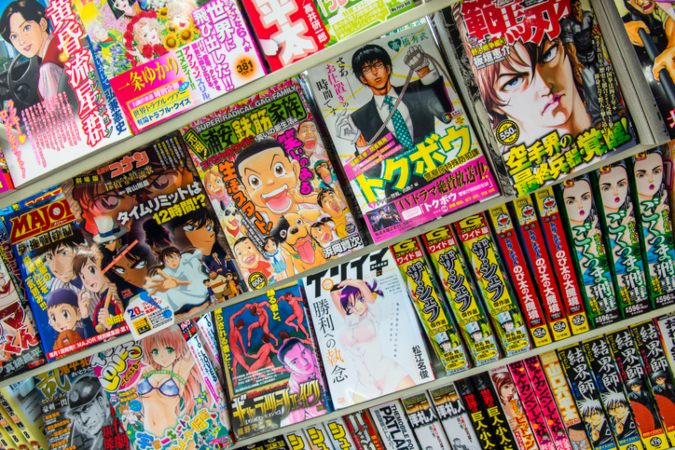
Key Visual Cues to Watch Out For:
- Facial expressions: Manga characters are masters of exaggerated expressions. Pay attention to their eyes, mouths, and eyebrows. A single raised eyebrow can speak volumes!
- Sweatdrops: These little droplets of sweat are a classic manga trope. They usually indicate embarrassment, awkwardness, or nervousness.
- Anger marks: These little cross-shaped marks on a character's head indicate (surprise!) anger or irritation.
- Backgrounds: Pay attention to the backgrounds! They can often set the mood or foreshadow events. A dark and stormy background might indicate trouble ahead.
- Speed lines: These lines are used to convey movement and speed. The more lines, the faster the action!
- Chibi: When characters are drawn in a super-deformed, cute style to denote humor or a cute moment.
These are just a few examples. As you read more manga, you'll start to notice other recurring visual motifs and learn to interpret them.
Tips for the Manga Newbie
So, you're armed with the knowledge. Now what? Here are a few extra tips to help you on your manga-reading journey:
- Start with something you're interested in: This seems obvious, but it's important! Choose a genre or series that you already know you enjoy. If you like action, start with Attack on Titan. If you prefer romance, try Fruits Basket.
- Don't be afraid to ask for help: If you're struggling to understand something, don't be afraid to ask a friend or look it up online. There are tons of resources available to help you learn more about manga.
- Read slowly at first: Don't try to rush through it. Take your time and really absorb the artwork and the story.
- Don't give up: It might feel awkward at first, but I promise it gets easier. Just keep practicing, and you'll be reading manga like a pro in no time.
- Embrace the culture: Manga is deeply rooted in Japanese culture. Learning about Japanese customs and traditions can enhance your understanding and appreciation of the stories.
- Have fun! This is the most important tip of all. Reading manga should be enjoyable. If you're not having fun, try a different series or genre.
And there you have it! Your guide to reading manga. Go forth and explore the wonderful world of Japanese comics! Happy reading! (And don't forget to read from right to left!)