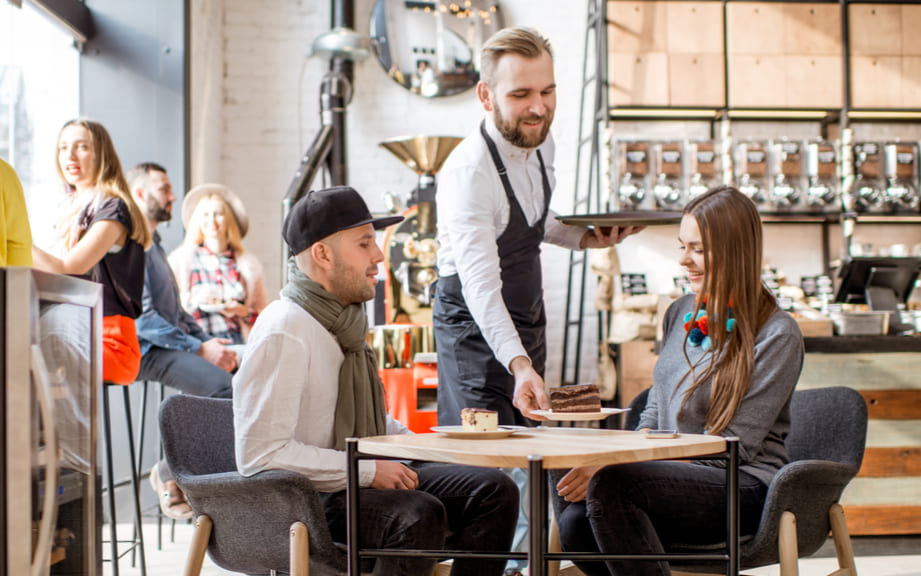
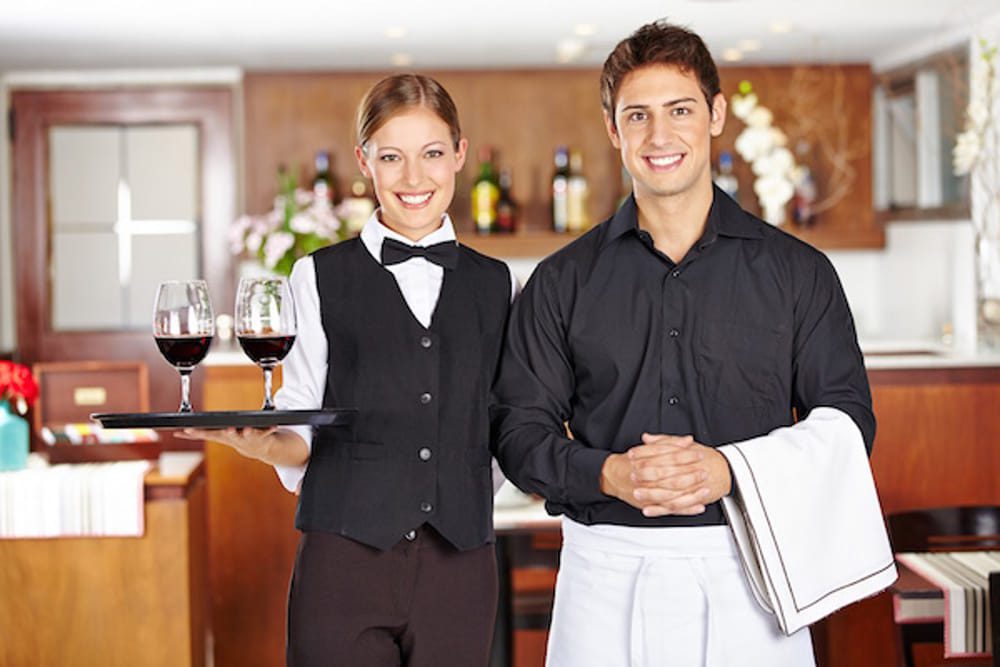
Alors, on se pose et on papote un peu? Today's topic: waiters! But specifically, waiters in French. Because, let's be honest, ordering a croissant isn't quite the same as ordering, say, a massive steak frites, is it?
So, how do you call a waiter in French? Hold on to your berets, mes amis, because it's not quite as straightforward as you might think. It's not just one word, oh no! We've got options! Let's dive in, shall we?
The Classic: Garçon!
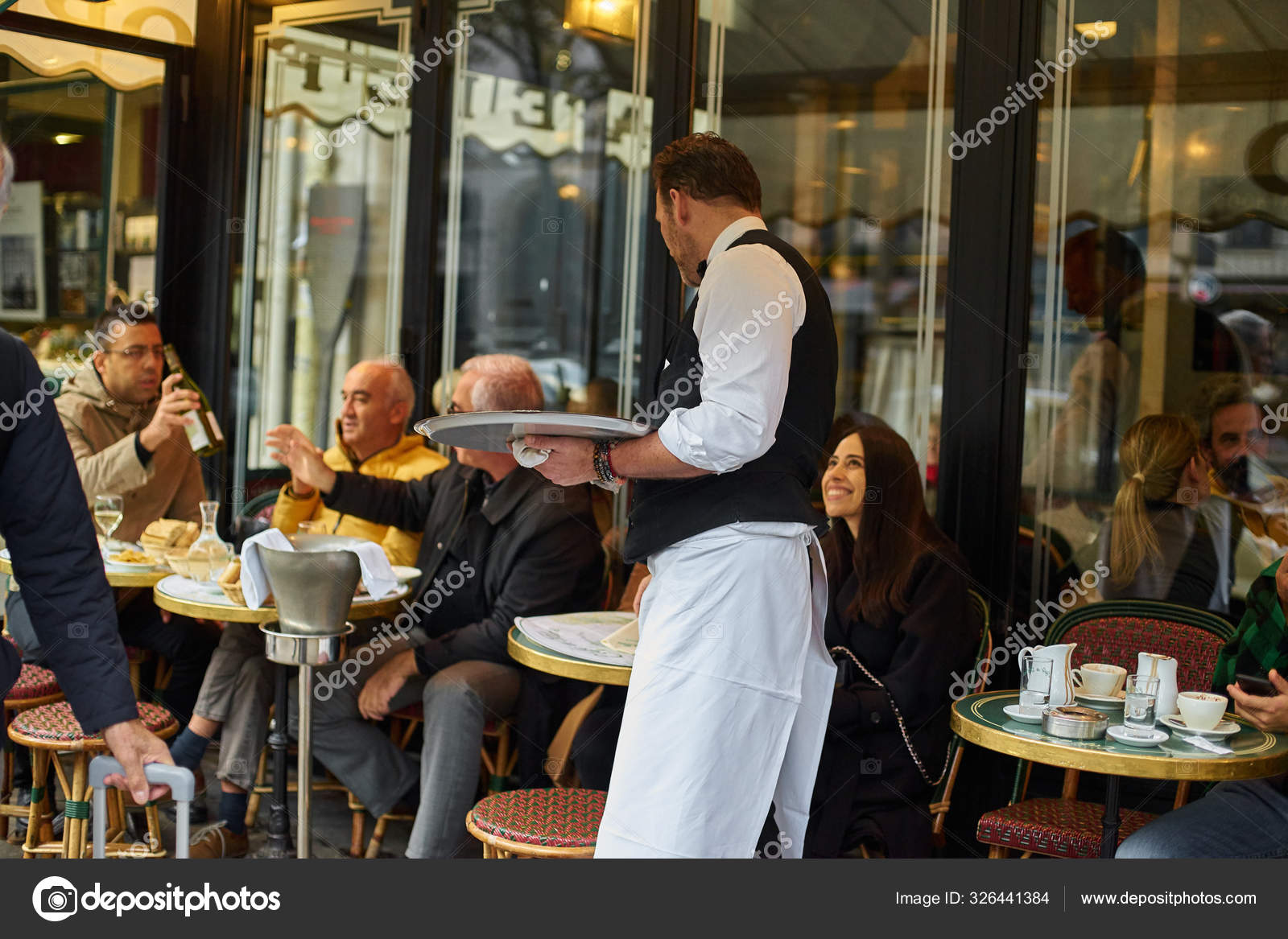
Ah, Garçon!. The word that probably pops into your head when you think of a French waiter. It's like, the stereotypical call, right? You imagine some posh Parisian café, and someone dramatically shouting "Garçon!" across the room.
But here's the thing: It's... a little bit outdated. "Garçon" actually means "boy." Think about it. Would you want to be called "boy" at your job? Probably not, right?
So, while you can use it, especially if you're aiming for that old-timey vibe (and maybe wearing a striped shirt and a beret for extra effect!), it's generally considered a bit… well, a bit rude. Let's just say it's not winning any awards for politeness these days. Unless you're time-traveling to the 1920s, maybe reconsider.
And besides, imagine shouting "boy!" to a female waiter? Talk about awkward! (And potentially offensive!) So, Garçon!: use with extreme caution, and only if you want to risk a serious side-eye from your serveur.
The Safer Bets: Monsieur and Madame
Okay, so if "Garçon!" is a bit of a minefield, what's the alternative? Well, this is where the magic of basic French politeness comes in. Simply use Monsieur (for a male waiter) or Madame (for a female waiter).

Easy peasy, lemon squeezy! It's polite, it's respectful, and it avoids any potential misunderstandings. And honestly, who doesn't appreciate a little bit of politeness? I mean, wouldn't you want to be called "Mr." or "Ms." at your job?
Just remember to say it loud enough to get their attention! A quiet "Monsieur" mumbled under your breath isn't going to cut it. You want to be heard, but not obnoxiously loud, of course. Think "confident but not crazy."
For example, you could say, "Excusez-moi, Monsieur" or "Pardon, Madame" to get their attention before launching into your order. It's like a little verbal lubricant that greases the wheels of conversation, you know?
Et voilà! Instant politeness boost. You're practically fluent now!
The Pro Move: Catching Their Eye First
Okay, this is next-level waiter-attracting skills. Forget shouting across the room (seriously, don't do that). Instead, try to make eye contact first.

You know, the subtle glance, the slight nod... the "I'm ready to order but I'm not going to be that annoying tourist" look. If you can catch their eye, it's much more effective (and less disruptive) than yelling. Plus, you avoid the whole "Garçon!" debacle entirely!
This requires a little patience, of course. You can't just stare intensely at the waiter until they feel uncomfortable. That's just creepy. Instead, make brief eye contact, then look away, then maybe glance back again. It's like a little silent communication dance. Are you ready to be a dance partner?
And once you have their attention, a simple "Monsieur" or "Madame" will work wonders. They'll know you're ready, they'll appreciate the politeness, and you'll avoid sounding like you're summoning a servant from a period drama.
Ordering Like a Boss: Some Useful Phrases
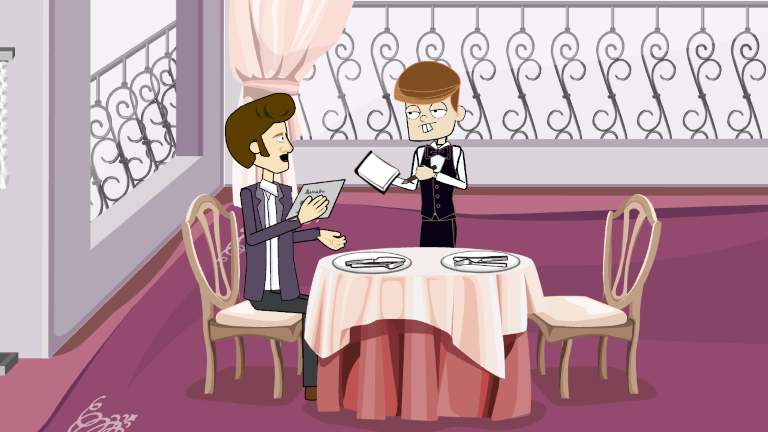
Alright, so you've got the waiter's attention. Now what? Time to order! Here are a few handy phrases to impress your serveur and avoid any ordering mishaps:
- Je voudrais... (I would like...) - This is your go-to phrase for ordering anything. It's polite and direct. "Je voudrais un café, s'il vous plaît." (I would like a coffee, please.)
- Pourriez-vous me recommander...? (Could you recommend...?) - Perfect for when you're feeling indecisive. "Pourriez-vous me recommander un bon vin rouge?" (Could you recommend a good red wine?)
- L'addition, s'il vous plaît. (The bill, please.) - The magic words at the end of the meal.
- Est-ce que vous avez...? (Do you have...?) - Use this to inquire about something specific. "Est-ce que vous avez du pain sans gluten?" (Do you have gluten-free bread?)
- C'est délicieux! (It's delicious!) - A great way to show your appreciation for the food.
Pro tip: Always, always, ALWAYS say "s'il vous plaît" (please) and "merci" (thank you). It goes a long way in France!

Think of it like this: imagine how you would feel serving someone who's nice and polite, versus someone who's demanding and rude. Yeah, exactly.
Beyond the Basics: Tipping in France
Okay, quick detour to talk about tipping. Because nobody wants to accidentally commit a faux pas, right?
In France, tipping is a little different than in some other countries, like the US. Service is usually included in the bill (service compris), so you're not required to tip.
However, it's customary to leave a small tip – maybe a few euros – if you're particularly happy with the service. Think of it as a little "thank you" for a job well done.
How much? Well, there's no hard and fast rule. Some people leave a euro or two, others might round up the bill. It really depends on your own discretion. But remember, it's not obligatory! So don't feel pressured to leave a huge tip if you don't want to.

Just don't leave zero! That could be seen as… well, a little ungracious. A small token of appreciation is always appreciated.
Final Thoughts: Be Polite, Be Patient, Be French! (Kind Of…)
So, there you have it! Your crash course in summoning a waiter in French. Remember: Monsieur and Madame are your friends, eye contact is key, and politeness is always a winner.
And don't worry too much about getting it perfect. The French appreciate the effort, even if you stumble over your words a little. In fact, a little bit of linguistic awkwardness can sometimes be charming!
The most important thing is to be respectful and patient. After all, the waiters are usually busy and trying their best. A little bit of kindness goes a long way, wherever you are!
Now, go forth and conquer the French culinary scene! And maybe send me a postcard from that fancy Parisian café? Bon appétit!