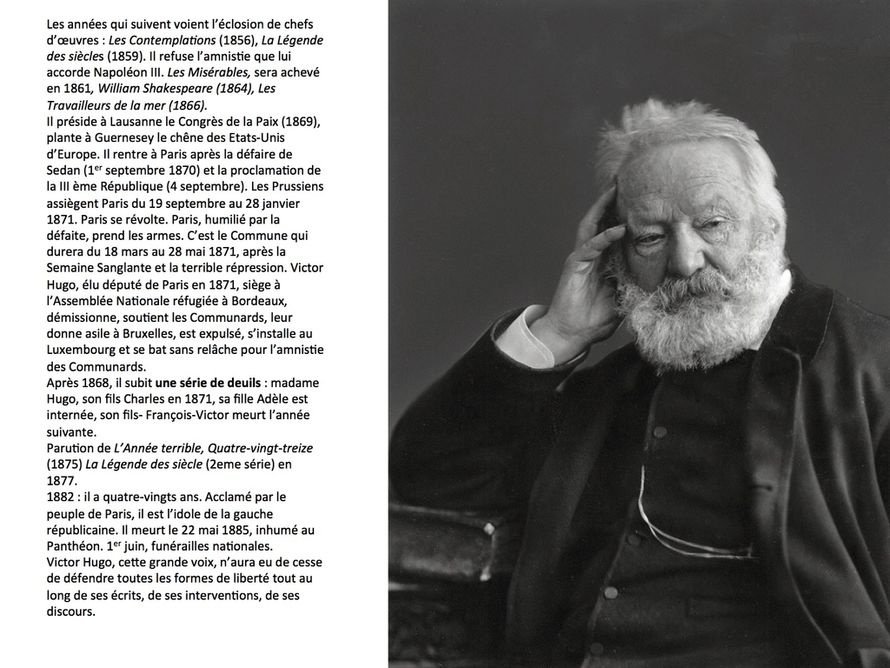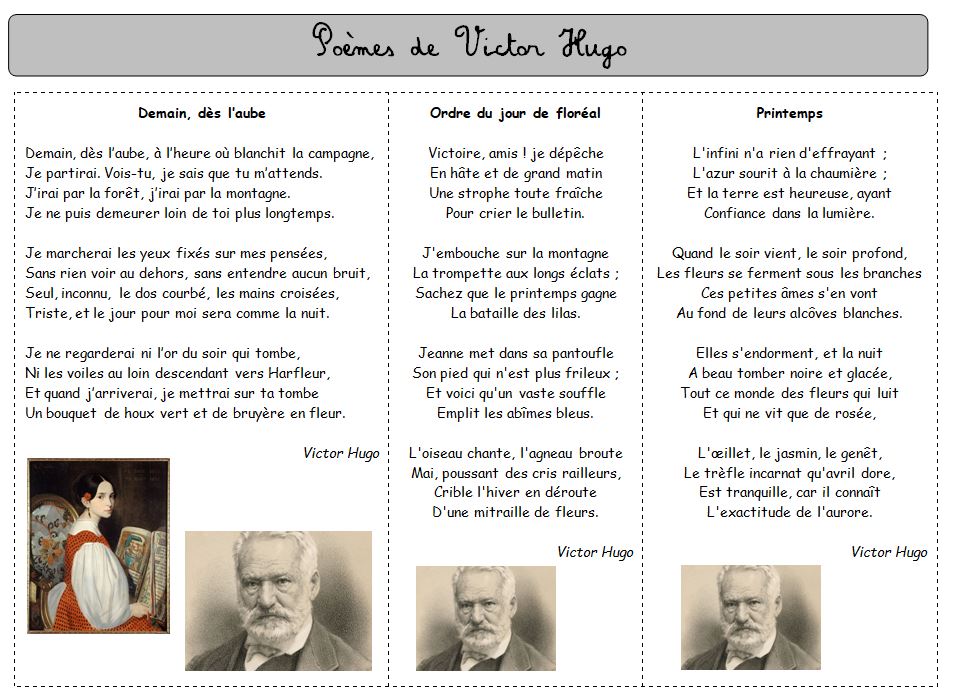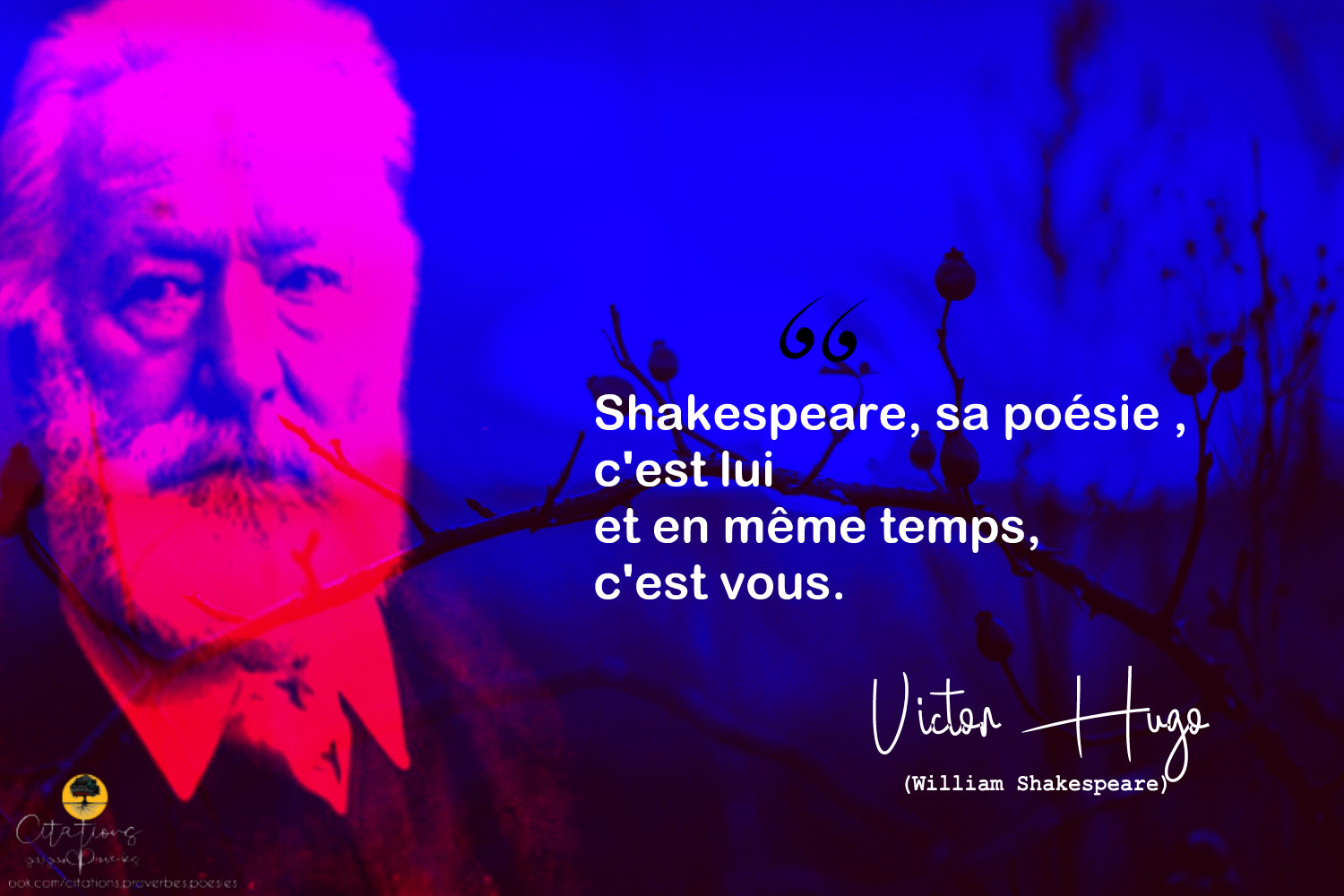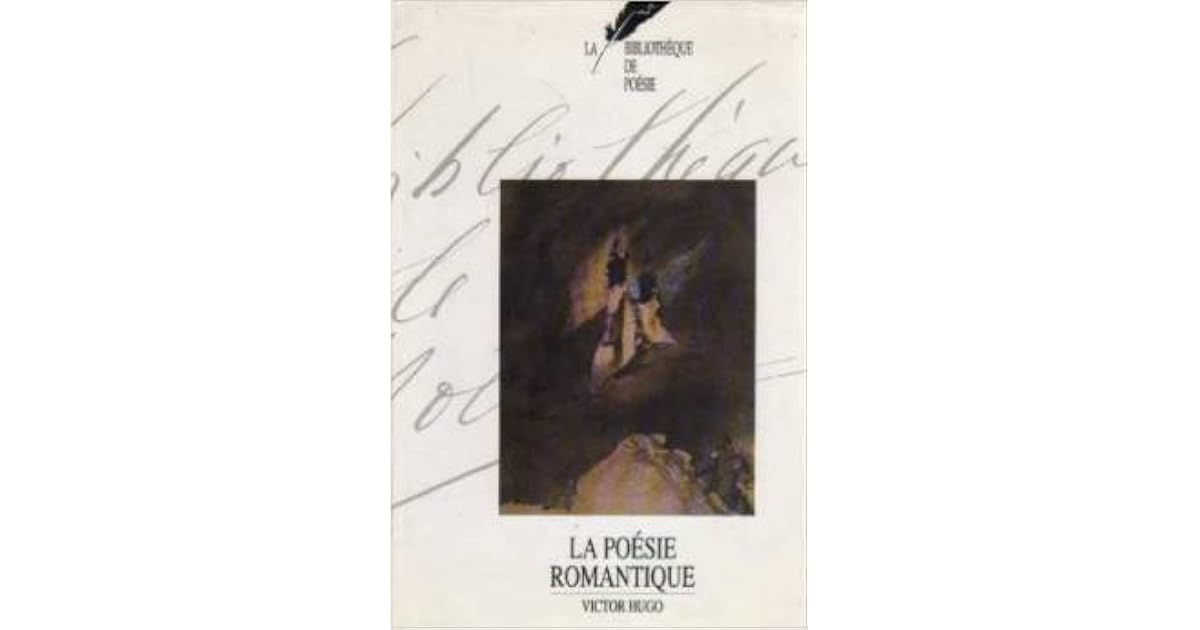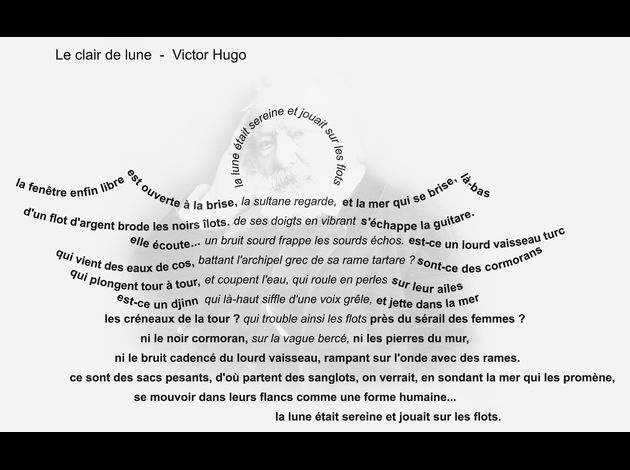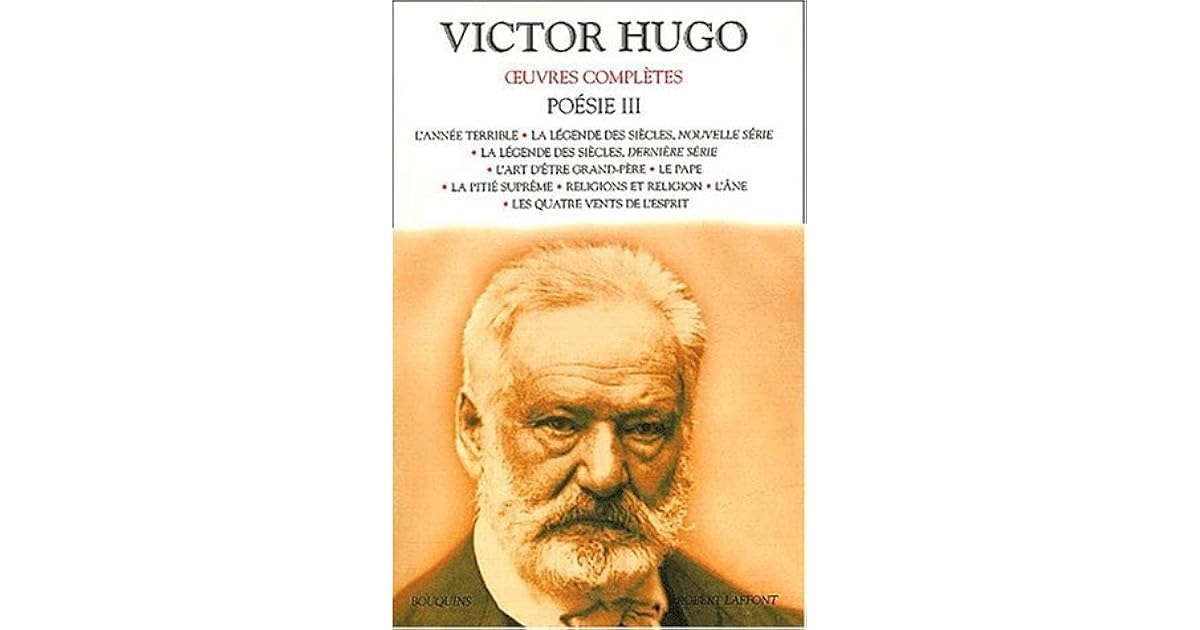
Victor Hugo. Just the name conjures up images of sweeping Parisian boulevards, dramatic barricades, and tales of love, loss, and redemption. But beyond Les Misérables and Notre-Dame de Paris lies a vast ocean of poetry, a world of lyrical beauty and profound thought that's often overlooked. Let's dive in, shall we? Forget stuffy classrooms; we're going to explore Hugo's poetry in a way that's as delightful as a Parisian café au lait on a crisp autumn morning.
Victor Hugo: Beyond the Blockbusters
Okay, so you know Hugo wrote those epic novels. Bravo! But his poetic output was even more prolific. He published over 20 collections of poetry throughout his lifetime, exploring everything from the intimate joys of family life to grand philosophical questions about humanity and the universe. Think of him as the literary equivalent of a multi-instrumentalist – he wasn't just good at one thing; he was a maestro of words in all their forms.
Why Poetry Matters (Even Now!)
In our fast-paced, digital world, why should we bother with poetry? Well, for starters, it's a brilliant way to slow down and appreciate the beauty of language. It's like taking a mental spa day. Plus, poetry has a unique power to evoke emotions and insights that prose sometimes misses. It can be a mirror reflecting our own experiences or a window into different perspectives. Think of it as mindful meditation, but with more rhyme and reason (sometimes!).
Diving into Hugo's Verse: Where to Start
Feeling intimidated? Don't be! Here's a beginner's guide to navigating the world of Victor Hugo's poetry:
- Les Contemplations: This collection is considered one of his masterpieces. It's deeply personal, exploring themes of love, loss, and the natural world. It's divided into two parts, "Autrefois" (Yesterday) and "Aujourd'hui" (Today), reflecting a before-and-after perspective on life and grief.
- La Légende des siècles: A panoramic view of human history, told through a series of epic poems. It's ambitious, grand, and full of powerful imagery. Perfect for when you're feeling like conquering the world (or at least your to-do list).
- Les Châtiments: A fiery collection of political poems written in exile, denouncing Napoleon III's regime. Think of it as Hugo's Twitter feed, but in verse.
- Les Rayons et les Ombres: A collection featuring a variety of themes, from love and nature to philosophical reflections. It shows the full range of Hugo's poetic talent.
Decoding Hugo: Tips for Modern Readers
Hugo's language can sometimes feel a bit archaic. Here are a few tips to help you unlock its beauty:

- Read aloud: Poetry is meant to be heard. Reading aloud helps you appreciate the rhythm and flow of the language.
- Look up unfamiliar words: Don't be afraid to use a dictionary! Understanding the nuances of the words is key to understanding the poem's meaning.
- Consider the context: Think about the historical and social context in which the poem was written. What was Hugo trying to say?
- Don't overthink it: Sometimes, the best way to appreciate poetry is simply to let it wash over you. Don't worry about analyzing every single line; just feel the emotions and imagery.
Hugo in Pop Culture (Yes, Really!)
Believe it or not, Hugo's influence extends beyond literature. Here are a few unexpected places you might find echoes of his work:
- Musicals: Les Misérables is the obvious example, but did you know that other Hugo works have been adapted for the stage?
- Movies: From classic adaptations of his novels to films inspired by his themes, Hugo's stories continue to resonate with filmmakers.
- Music: Composers have set Hugo's poems to music for centuries. Listen to some French art songs (mélodies) to experience the beauty of his words in a new way.
- Street Art: Murals and graffiti inspired by Les Misérables and other Hugo works can be found in cities around the world, a testament to his enduring legacy.
A Modern Take: Hugo for the Instagram Generation
Want to bring Hugo into the 21st century? Try this:

- Create visual interpretations of his poems: Use photos, illustrations, or even short videos to capture the essence of a particular verse. Share them on social media with the hashtag #HugoToday.
- Translate his poems into modern slang: Imagine Valjean speaking in millennial slang. Hilarious, right? It's a fun way to engage with the text and make it more accessible.
- Use his poems as inspiration for your own writing: Let Hugo's themes and style inspire your own poetry or prose.
Finding Your Inner Hugo: A Practical Exercise
Ready to get creative? Try this simple exercise:
- Choose a Hugo poem: Pick one that resonates with you, even if you don't fully understand it.
- Identify the central theme: What is the poem about? Love, loss, nature, social justice?
- Write your own poem: Using the same theme as Hugo's poem, write your own verse. Don't worry about perfection; just let your emotions flow.
- Share your creation (optional): Share your poem with a friend, family member, or online writing group.
This isn't about becoming the next Victor Hugo; it's about tapping into your own creativity and expressing yourself through the power of language. Embrace the process, have fun, and don't be afraid to experiment.

Parisian Vibes: Channeling Hugo's Spirit
Want to feel like you're strolling along the Seine with Victor Hugo himself? Here are a few tips:
- Listen to French music: From Edith Piaf to Serge Gainsbourg, immerse yourself in the sounds of Paris.
- Visit a museum: The Musée Victor Hugo in Paris is a must-see for any fan. But even a visit to your local art museum can spark your imagination.
- Enjoy a simple pleasure: A croissant and coffee, a walk in the park, a good book – embrace the small joys of life, just as Hugo did.
- Embrace imperfection: Hugo's characters are often flawed, but it's their imperfections that make them so relatable. Don't strive for perfection; embrace your own unique quirks and vulnerabilities.
A Final Thought: Poetry in Everyday Life
Victor Hugo’s poetry, like a vintage wine, gets better with time. It challenges us, comforts us, and ultimately, reminds us of the beauty and complexity of the human experience. The next time you're feeling overwhelmed by the daily grind, take a moment to read a poem, any poem. Allow its rhythm and imagery to transport you, even just for a few minutes. You might be surprised at how much it can refresh your perspective. After all, poetry isn't just something to be studied in a classroom; it's a way of seeing the world, a way of connecting with our emotions, and a way of finding beauty in the ordinary. And who knows, maybe you'll even discover your inner poet along the way. So, grab a book of verses, pour yourself a glass of something nice, and let the words of Victor Hugo, or any poet, remind you that even in the midst of chaos, there is always beauty to be found. À bientôt!