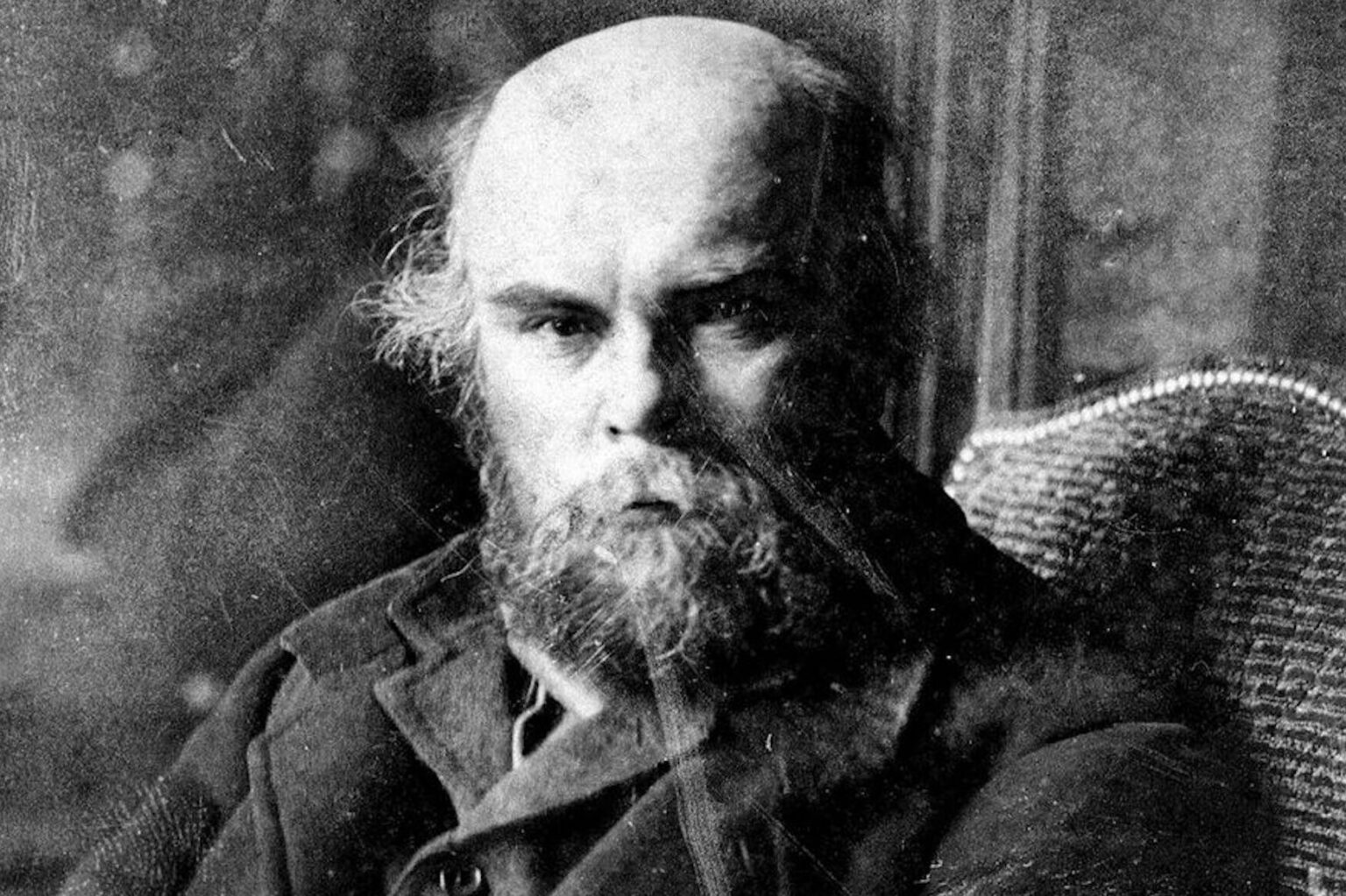
Okay, picture this: me, age 17, desperately trying to impress a girl with my "deep" knowledge of poetry. I’d just discovered Verlaine (thanks, slightly pretentious English teacher) and thought I was so profound reciting his stuff. I even tried to serenade her with a particularly melodramatic reading of… well, let’s just say it involved moonlight and possibly a vaguely suicidal declaration of love. Cringe, I know. But hey, we all start somewhere, right? That girl, bless her heart, probably still has nightmares about it. Anyway, that embarrassing episode did lead me down a very interesting rabbit hole: Verlaine's La Bonne Chanson. And trust me, it's way more than just melodramatic moonlight sonnets.
Verlaine in Love (Or, the Poet and the Pupil)
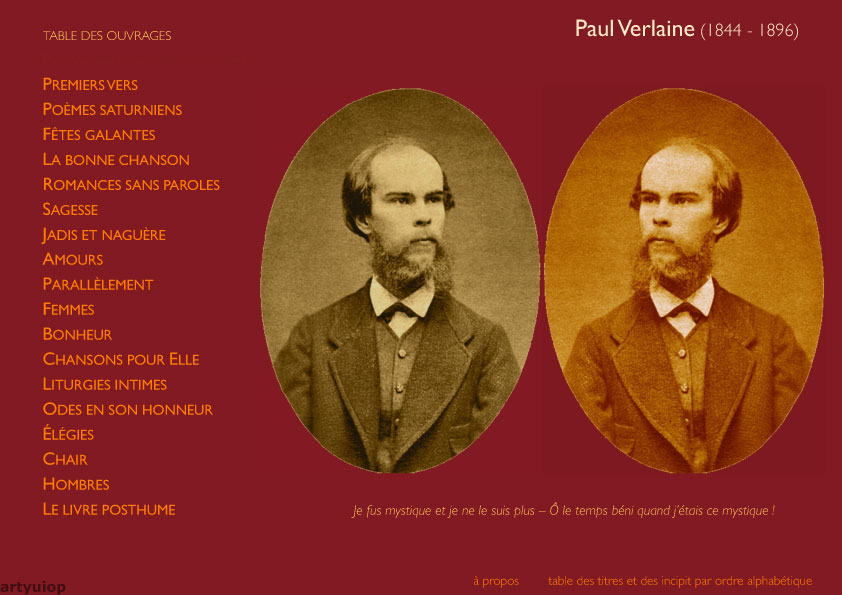
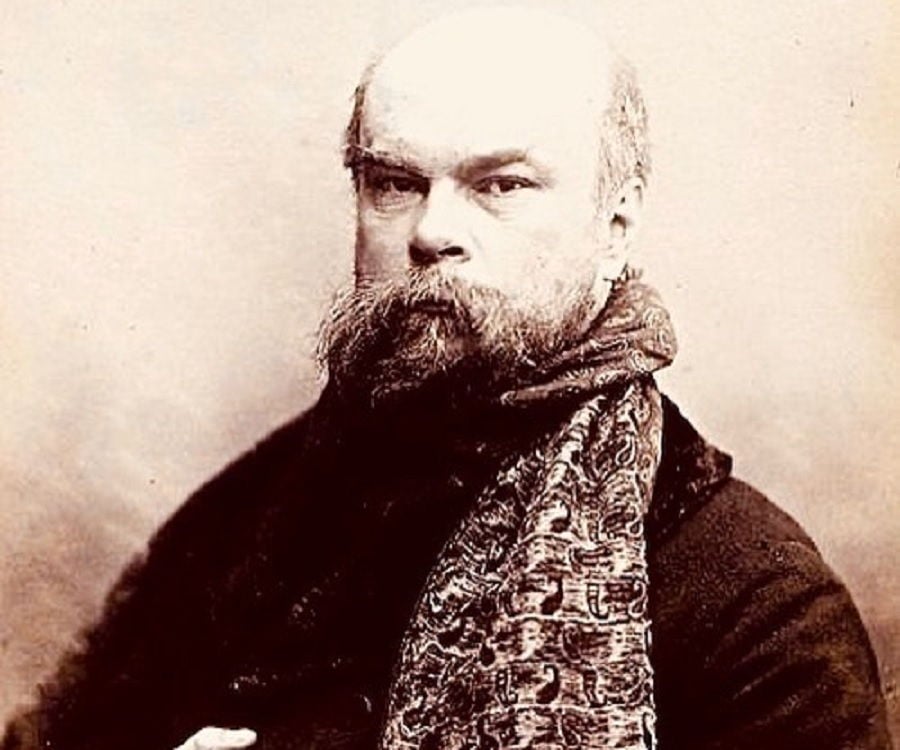
La Bonne Chanson, or "The Good Song" if your French is a little rusty (no judgement here!), is a collection of poems Verlaine wrote while he was head-over-heels for Mathilde Mauté. Yes, that Mathilde, the one he eventually married. Remember, this is Verlaine we're talking about. Things are never simple. He was, let's just say, a complicated guy. Alcohol, absinthe, a rather tumultuous relationship with Rimbaud…the whole shebang. But before all that drama exploded (spoiler alert!), there was this brief, shining moment of genuine, seemingly pure affection for Mathilde. And La Bonne Chanson is a testament to that.
Now, I know what you’re thinking: "Love poems? Groundbreaking." Sarcasm duly noted. But stick with me! What makes this collection so interesting is the evolution of Verlaine's style within it. We see him moving away from the more Parnassian influences and really finding his voice, his musicality, his…well, his Verlaine-ness if that makes any sense. He becomes less about perfectly sculpted images and more about capturing feeling, mood, atmosphere. It’s like he’s finally letting go and letting his heart sing, albeit in a beautifully crafted, slightly melancholy way. Which, let’s be honest, is totally on brand for him.
The Collection: A Closer Look
La Bonne Chanson consists of 18 poems, tracing the progression of Verlaine's courtship of Mathilde. Think of it as a poetic diary of falling in love. A very Verlaine poetic diary, mind you.
- "Avant que tu ne t'en ailles": This opening poem is like a nervous confession, a plea for Mathilde's attention. It’s tentative, full of anticipation, and a little bit anxious. He’s basically saying, "Please don't go before I get a chance to tell you how I feel!" We've all been there, right?
- "Voici des fruits, des fleurs, des feuilles et des branches": Probably one of the most famous poems in the collection, this is a beautiful offering of nature’s bounty. Think of it as a poetic bouquet. He’s not just giving her flowers; he’s giving her everything, metaphorically speaking. It's a declaration of his complete devotion.
- "Le son du cor s'afflige vers les bois": This poem introduces a darker, more melancholic tone. The sound of the horn echoes through the woods, suggesting a sense of loss and longing. Remember, this is Verlaine! There's always a hint of darkness lurking beneath the surface.
- "Donc, ce sera par un clair jour d'été": This poem anticipates a future filled with happiness and love. He envisions a bright summer day, symbolizing the joy he hopes to share with Mathilde. It’s almost idyllic in its simplicity. Almost.
- "L'hiver a cessé": Spring arrives, bringing with it a sense of renewal and hope. Verlaine uses the imagery of the changing seasons to reflect the blossoming of his love for Mathilde. Think of it as a poetic springtime for his soul.
And so on…each poem contributes to the larger narrative of their courtship. There are poems about shared walks, stolen glances, quiet moments of intimacy, and the overwhelming feeling of being completely and utterly in love. It's all very romantic, even if you know how the story ultimately ends (and trust me, it's not a fairy tale). You kind of get the sense that he is trying to create a perfect version of reality, a romanticized version to convince himself as much as Mathilde.
Musicality and Symbolism: Verlaine's Signature Style
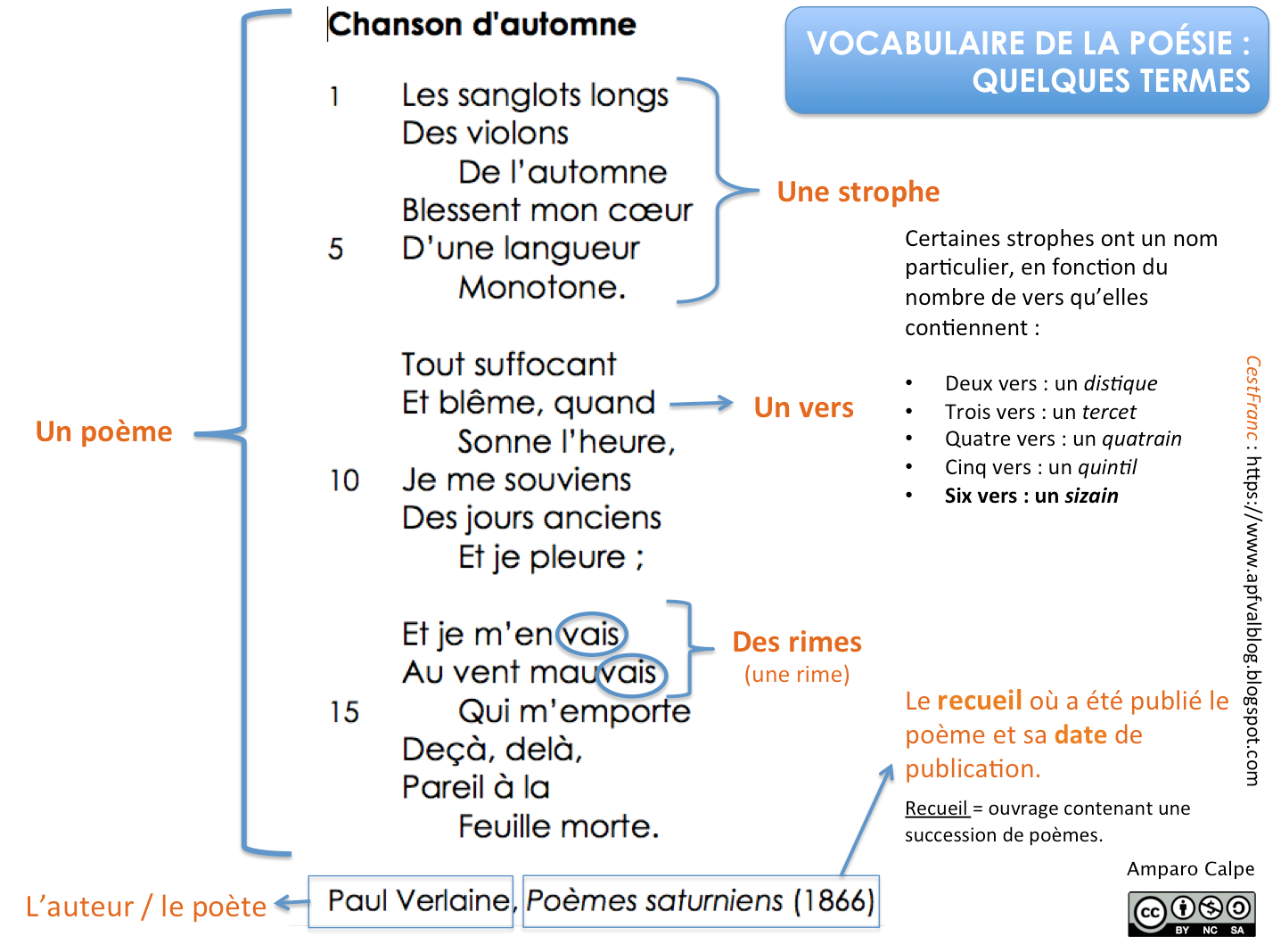
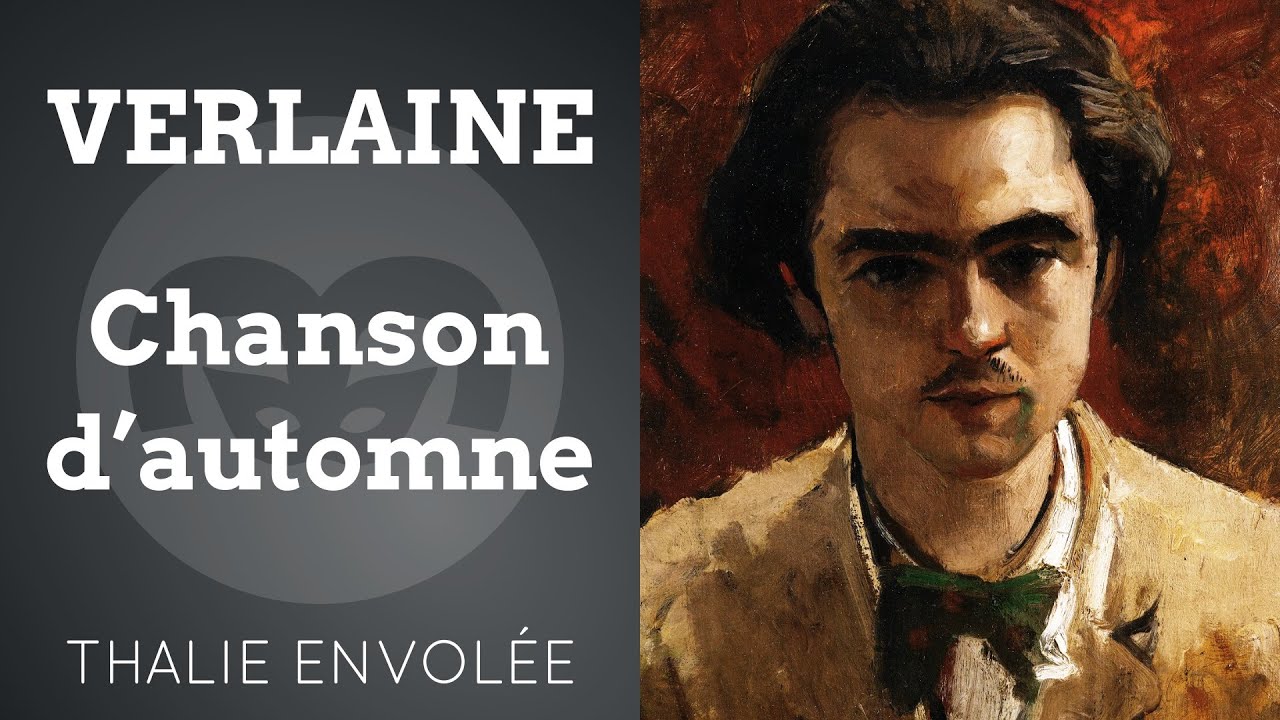
One of the most striking aspects of La Bonne Chanson is its incredible musicality. Verlaine was obsessed with the sound of language, and he masterfully used alliteration, assonance, and rhythm to create poems that are as pleasing to the ear as they are to the mind. In fact, many of the poems were set to music by composers like Gabriel Fauré (who wrote an amazing song cycle based on the collection) and Claude Debussy. This further underscores the inherent musicality of the verses. Try reading them aloud – you’ll see what I mean! It’s like listening to a song, even without the melody.
Furthermore, the use of symbolism is rife throughout the collection. Nature plays a significant role, with imagery of flowers, trees, and seasons used to represent various aspects of love and emotion. Light and darkness are also recurring motifs, symbolizing hope and despair, joy and sorrow. This is classic Symbolist poetry, after all. Verlaine is using these symbols not just to describe things, but to evoke feelings, to create a sense of atmosphere, to transport the reader to a different realm. It is his way of making the intangible, tangible.
Why Should You Care About Old Love Poems?
Okay, valid question. Why should you, in the 21st century, bother with a collection of 19th-century love poems written by a troubled French poet? Well, a few reasons:
- Timeless Emotions: Even though the language and the context are different, the emotions Verlaine explores in La Bonne Chanson are universal. Love, desire, hope, fear, joy, sorrow…these are all feelings that resonate with us regardless of when or where we live.
- Poetic Mastery: Verlaine was a master of his craft. His use of language, imagery, and rhythm is simply breathtaking. Studying his work can help you appreciate the beauty and power of poetry.
- Historical Context: La Bonne Chanson offers a fascinating glimpse into the cultural and intellectual landscape of 19th-century France. It provides insight into the Symbolist movement, the role of women in society, and the complexities of romantic relationships.
- It's Not All Sunshine and Roses: While the collection starts off with a sense of optimism and hope, there's always a hint of melancholy lurking beneath the surface. This reflects Verlaine's own complex personality and the turbulent nature of his life. It’s not a sugar-coated version of love; it's a realistic portrayal of its joys and sorrows.
And honestly, because it's a cool story! A poet in love, creating beautiful art from his emotions…it's pretty inspiring, even if the relationship ultimately crashed and burned in spectacular fashion. Think of La Bonne Chanson as a snapshot of a brief, shining moment of happiness in a life that was otherwise filled with darkness and turmoil. It is a reminder that even in the midst of chaos, beauty and love can still exist.
So, next time you're feeling a little bit romantic (or just want to impress someone with your deep knowledge of French poetry), give La Bonne Chanson a try. You might be surprised at what you discover. And hey, if it doesn't work out with your crush, at least you'll have some beautiful poems to comfort you. Trust me, I speak from experience. 😉