Salut les amis! Ever feel like French grammar is a giant, intimidating monster lurking in the shadows? Well, fear not! Today, we're going to tackle something that might sound scary – the passé simple of the verb "s'asseoir" (to sit down). But trust me, it's not as bad as it seems. In fact, we're going to make it fun! (Yes, fun and French grammar in the same sentence. I dare you to faint.)
Now, you might be thinking, "The passé simple? Isn't that, like, super formal and only used in books?" And you're partly right. It's not something you'll hear every day in casual conversation. But understanding it unlocks a whole new level of French comprehension and appreciation, and opens doors to so much cool literature. Plus, knowing it makes you sound incredibly cultured, even if you only use it to tell your cat you "sat down" yesterday. (Don't judge me, we all talk to our pets!)
"S'Asseoir": Let's Break it Down
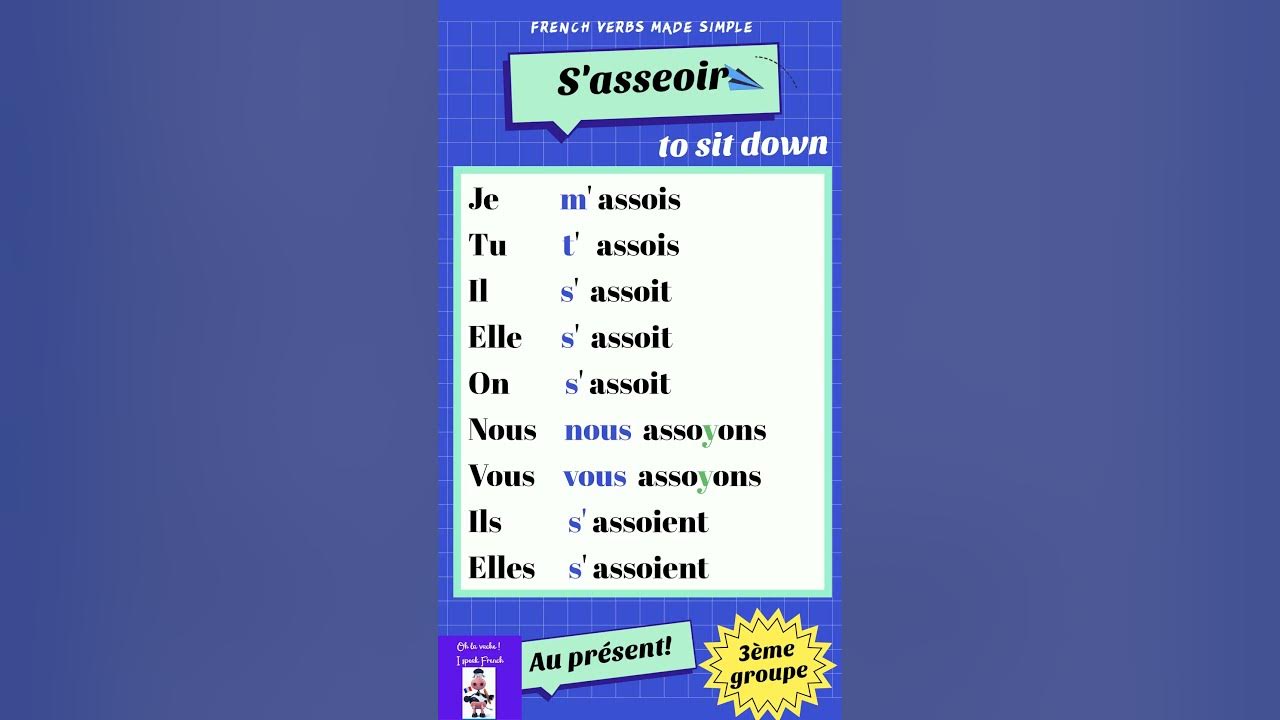
First, let's remember what "s'asseoir" means: to sit down, to take a seat. It's a reflexive verb, meaning it uses a reflexive pronoun ("se"). This adds a little twist, but nothing we can't handle. Think of it as the verb saying, "I'm sitting myself down." Cute, right?
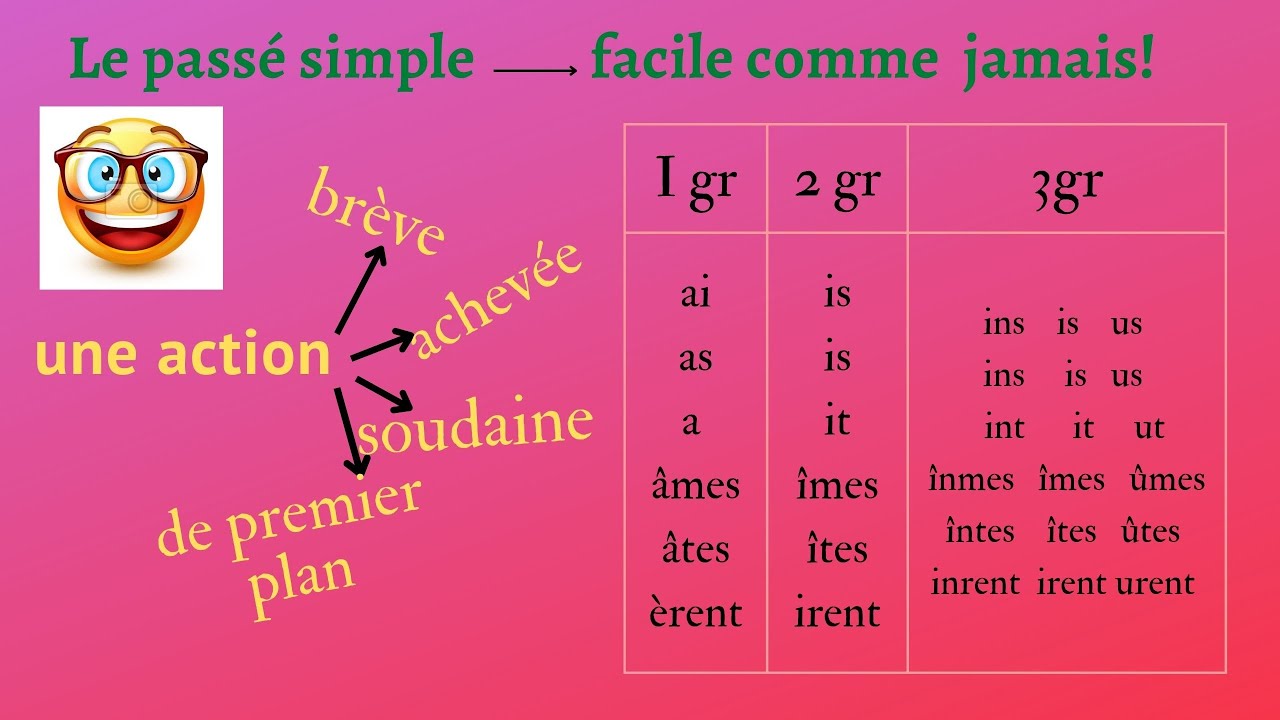
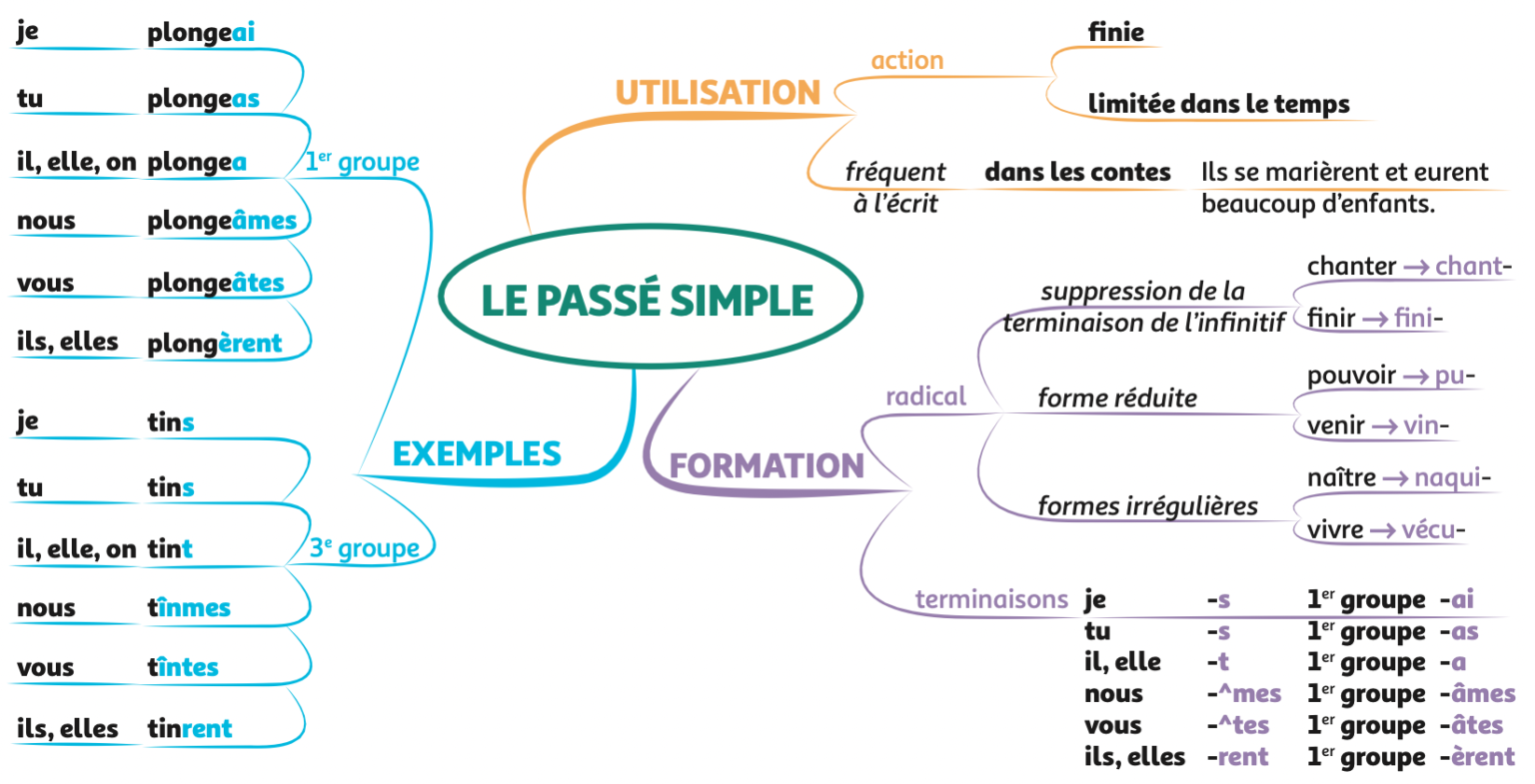
So, what's the big deal with the passé simple? Well, it's a past tense, used to describe completed actions in the past. It's very literary and historical. You'll find it a lot in books, historical accounts, and formal writing. Think of it as the sophisticated cousin of the passé composé.
The Conjugation Adventure!
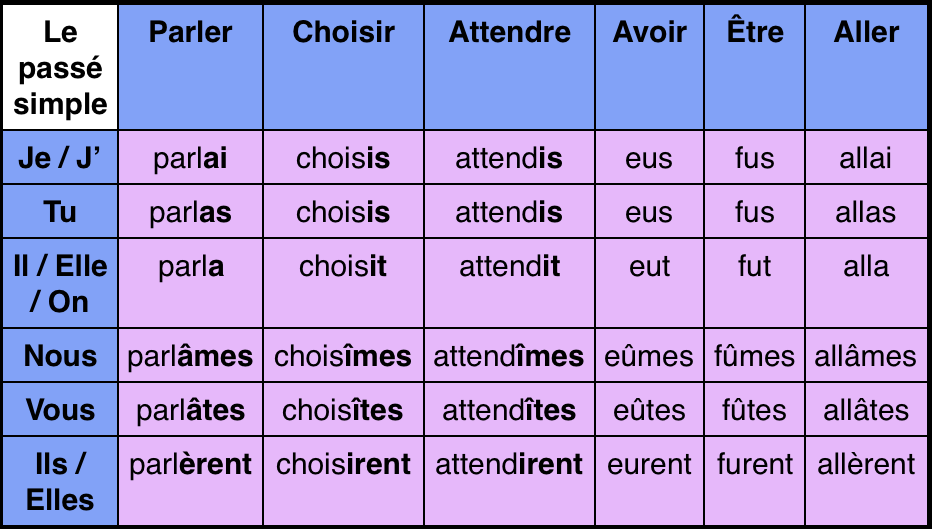
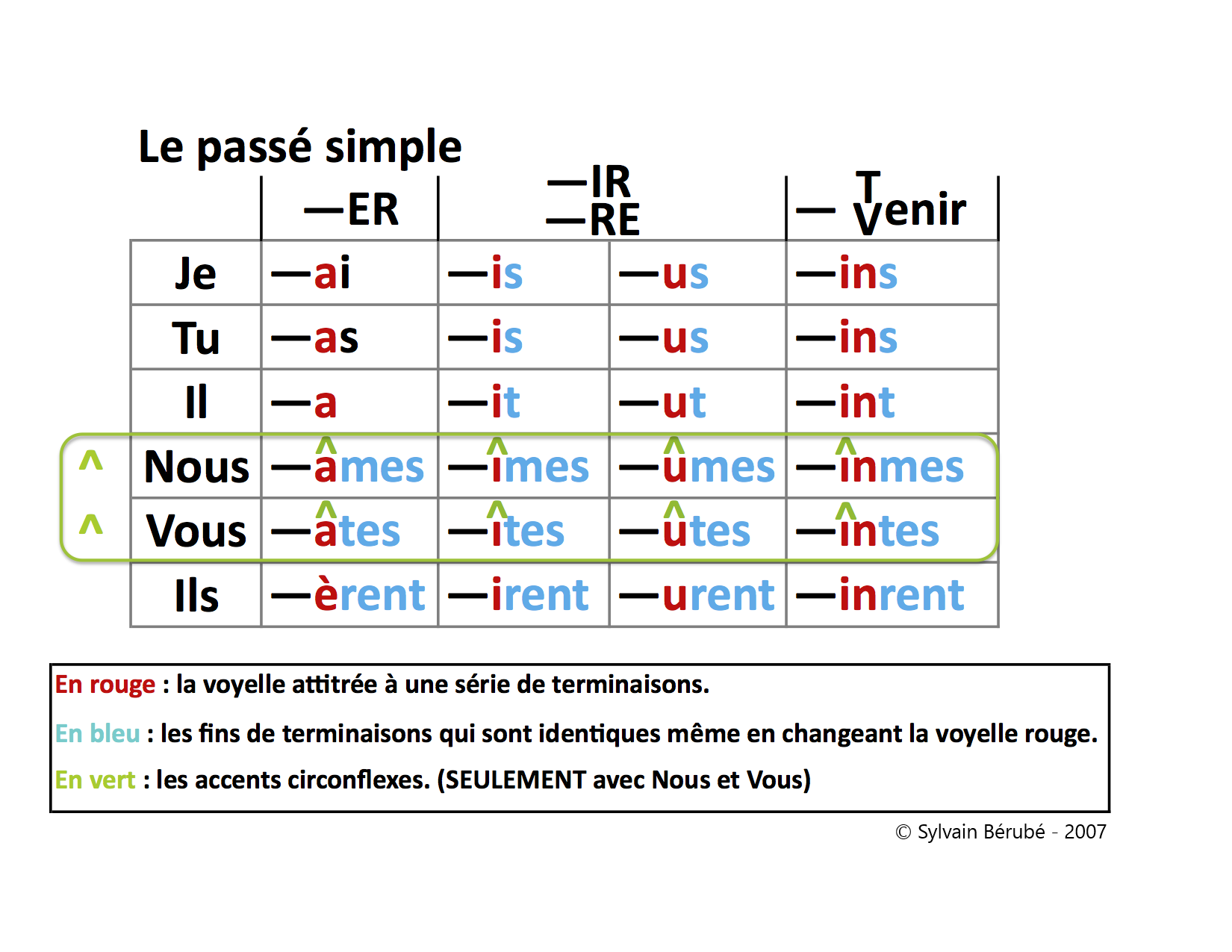
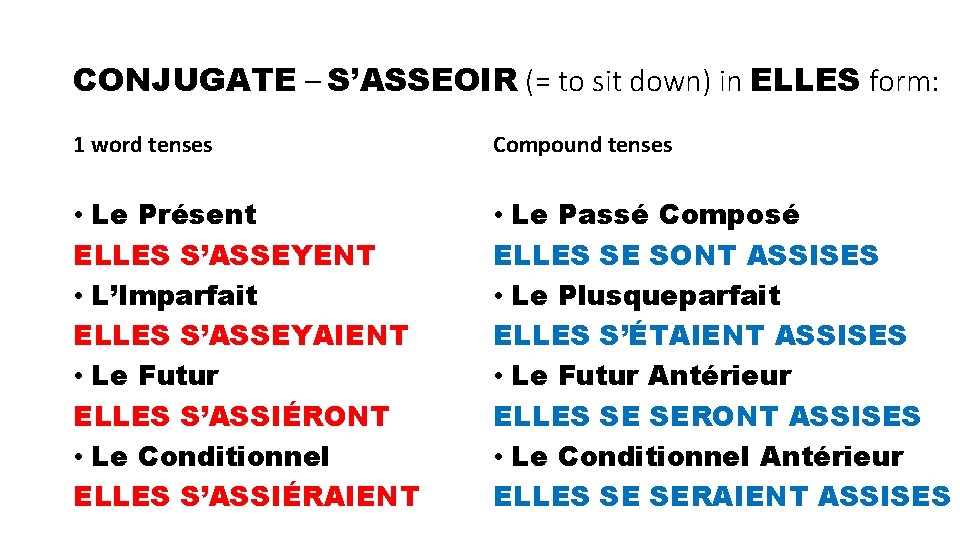
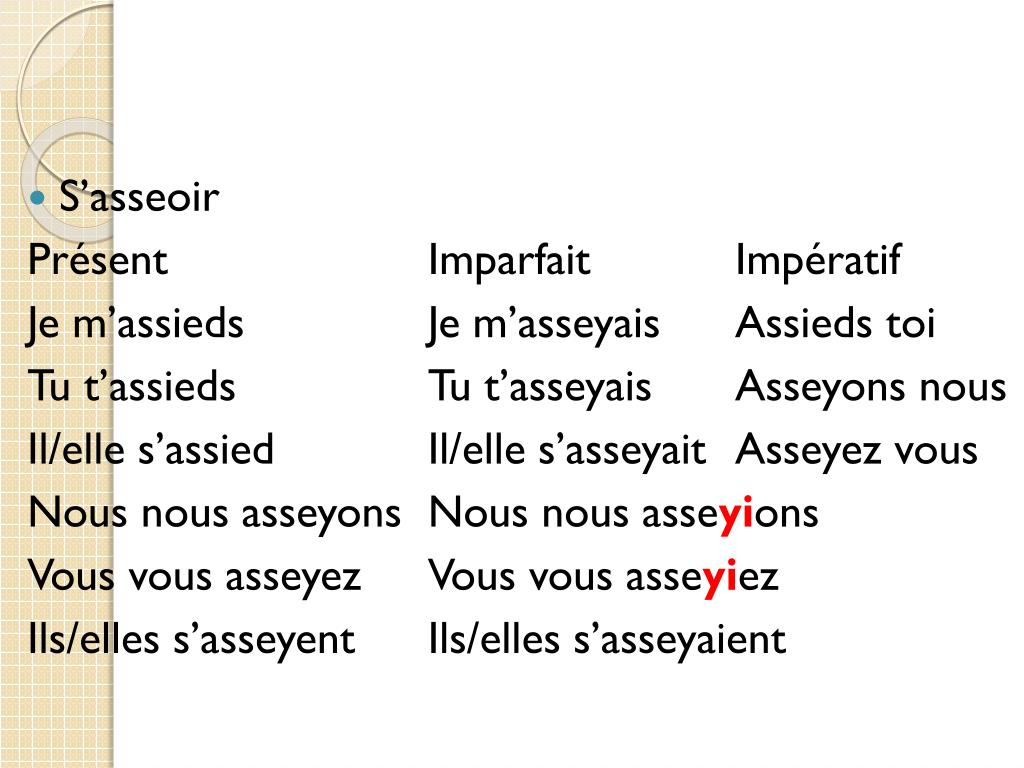
Okay, let's get down to the nitty-gritty. Here's how "s'asseoir" looks in the passé simple. Brace yourselves... (It's actually not that scary, I promise!) Remember this is a reflexive verb, so the pronoun changes.

- Je m'assis - I sat down
- Tu t'assis - You sat down (singular, informal)
- Il/Elle/On s'assit - He/She/One sat down
- Nous nous assîmes - We sat down
- Vous vous assîtes - You sat down (plural or formal)
- Ils/Elles s'assirent - They sat down
See? Not so bad! Okay, maybe it looks a little intimidating at first glance, but look closer. Notice the patterns. You’ve got this!
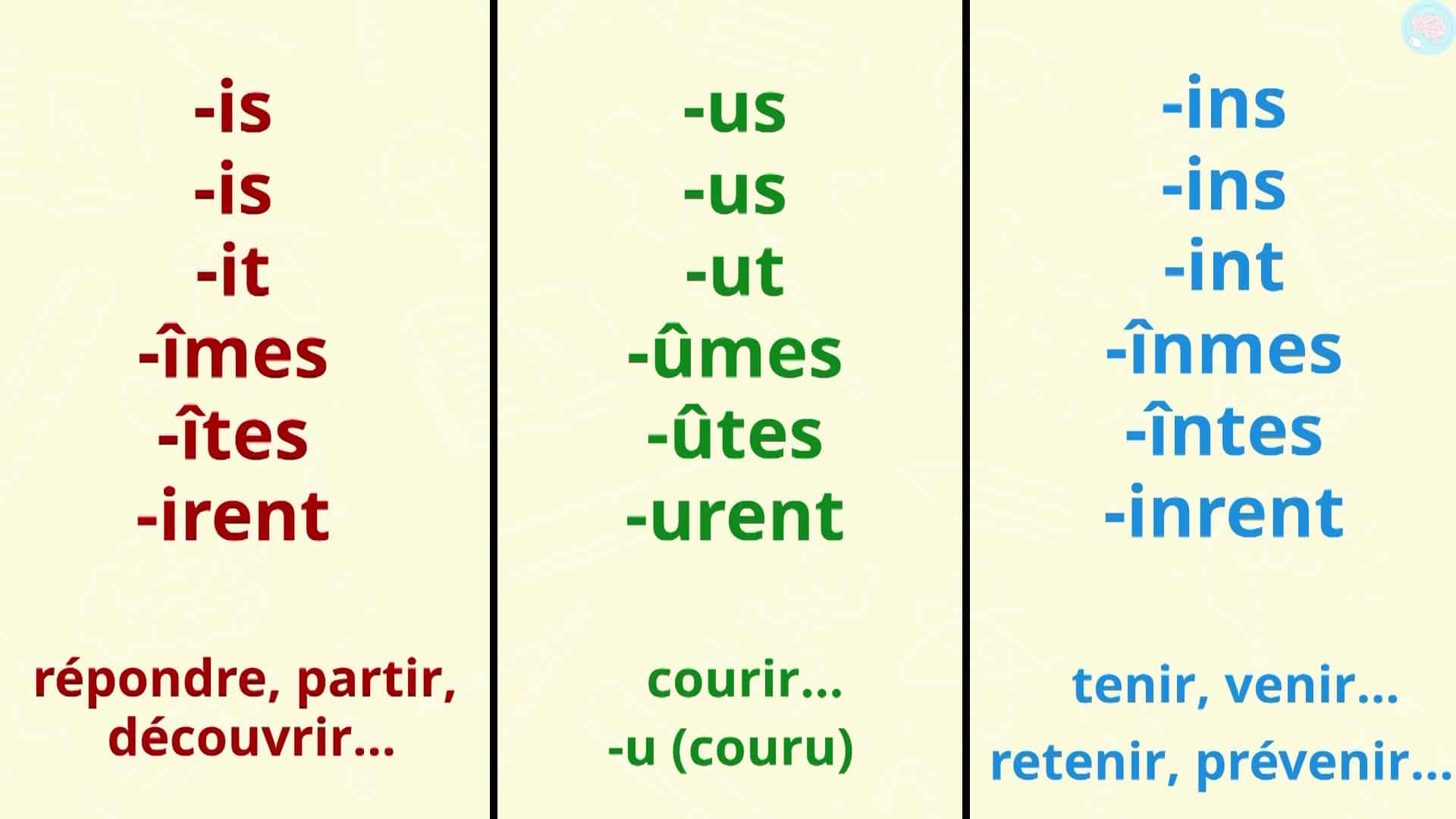
A little trick to remember: Focus on the endings. Once you know those, you can apply them to other verbs that follow similar patterns. It's all about finding the rhythm, the music in the language! (Okay, maybe I'm getting a little carried away with the musical analogy, but you get the idea.)
Putting It Into Practice
Now, let's see how we can use "s'asseoir" in the passé simple. Remember, it's all about those completed actions in the past. And don't feel obligated to use this form often, it's mostly a fun learning exercise!
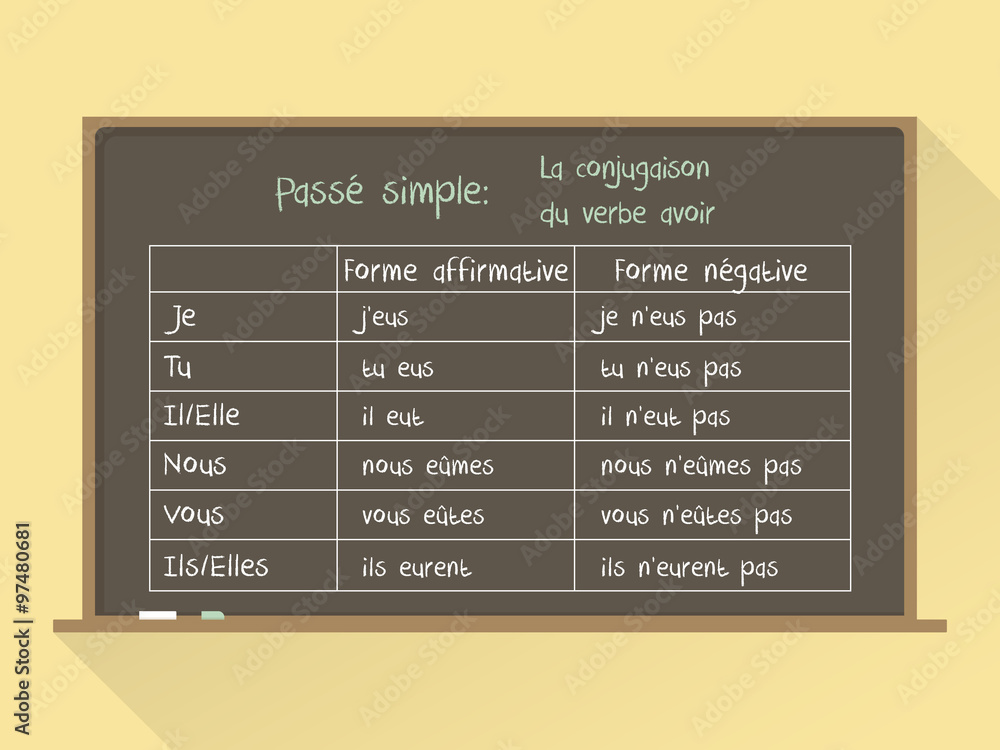
Here are a few examples:
- "Je m'assis sur le banc et regardai le soleil couchant." - "I sat down on the bench and watched the setting sun." (Sounds very poetic, doesn't it?)
- "Elle s'assit à la table et commença à écrire une lettre." - "She sat down at the table and began to write a letter." (Very classic, very romantic!)
- "Nous nous assîmes autour du feu de camp et chantâmes des chansons." - "We sat around the campfire and sang songs." (Ah, memories! Even though you probably wouldn't say it like this in real life...but you could!)
- "Ils s'assirent à côté de nous et nous saluèrent." - "They sat down next to us and greeted us."
See how the passé simple adds a sense of finality, of a moment captured in time? It's like a snapshot of the past.
Don't be afraid to experiment! Try making up your own sentences. Imagine yourself as a character in a French novel, recounting your adventures. Even if you never actually use the passé simple in everyday conversation, understanding it will deepen your appreciation for French literature and language. And who knows, maybe you'll impress someone at a fancy dinner party with your knowledge of archaic verb conjugations!
Why Bother? (The "Fun" Factor)
Okay, I know what you're thinking: "Why should I spend time learning a tense that's rarely used?" And that's a fair question. But here's the thing: learning the passé simple isn't just about memorizing conjugations. It's about:
- Expanding your understanding of French grammar: The more you learn, the more you understand how the language works, the easier it becomes to learn other things. It's like building a strong foundation for your language skills.
- Appreciating French literature and history: Imagine reading a classic French novel and understanding every nuance, every subtle shade of meaning. The passé simple is key to unlocking that level of comprehension.
- Challenging yourself and having fun!: Learning a new language is a journey, not a destination. The passé simple is just one stop along the way, but it's a rewarding one. Embrace the challenge, celebrate your progress, and don't be afraid to make mistakes. That's how we learn!
Besides, think of the possibilities! You can dramatically narrate your daily life in the passé simple for your own amusement. "Je me levai ce matin. Je me préparai un café. Je m'assis à mon bureau et je commençai à travailler." (I got up this morning. I made myself a coffee. I sat down at my desk and began to work.) It makes even the most mundane activities sound epic!
Don't overthink it! Language learning shouldn't be stressful. If you find yourself getting frustrated, take a break, do something fun, and come back to it later. Learning should be enjoyable! (That’s the most important thing!)

The Takeaway: Embrace the Journey
So, there you have it! The passé simple of "s'asseoir" – demystified! Hopefully, you've seen that it's not as scary as it seems. It's just another piece of the beautiful, complex puzzle that is the French language. And remember, every step you take, every verb you conjugate, brings you closer to fluency and a deeper understanding of French culture.
Now, go forth and conjugate! Read some French literature, try writing your own sentences in the passé simple, and don't be afraid to make mistakes. The most important thing is to keep learning, keep exploring, and keep having fun! The world of French is waiting for you, filled with amazing stories, fascinating people, and delicious food. Allez-y!
Feeling inspired? Excellent! There's a whole world of French grammar and vocabulary out there waiting to be explored. Why not start with some other challenging verb tenses, or dive into some classic French literature? The possibilities are endless! And remember, every effort, no matter how small, brings you closer to your goals. Bon courage!