Alors, on se lance dans un petit French 101, version détente ? Aujourd'hui, on s'attaque à un verbe super important, un pilier de la langue française: mettre. Pas de panique, on va le décortiquer au présent de l'indicatif, promis, sans se prendre la tête.
Mettre: The All-Purpose Verb
En français, mettre est un véritable caméléon. Il signifie littéralement "to put," but it's used in so many different contexts. Think of it as the Swiss Army knife of French verbs. Besoin de placer quelque chose? Mettre. Besoin d'enfiler un vêtement? Mettre. Besoin d'exprimer un état ou une condition? Vous l'avez deviné: Mettre.
Le Présent de l'Indicatif: Getting Down to Business
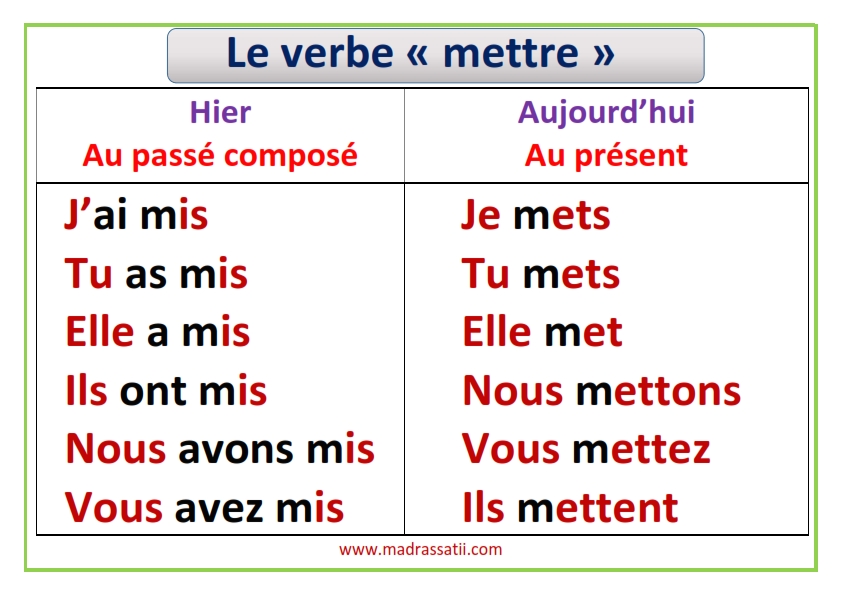
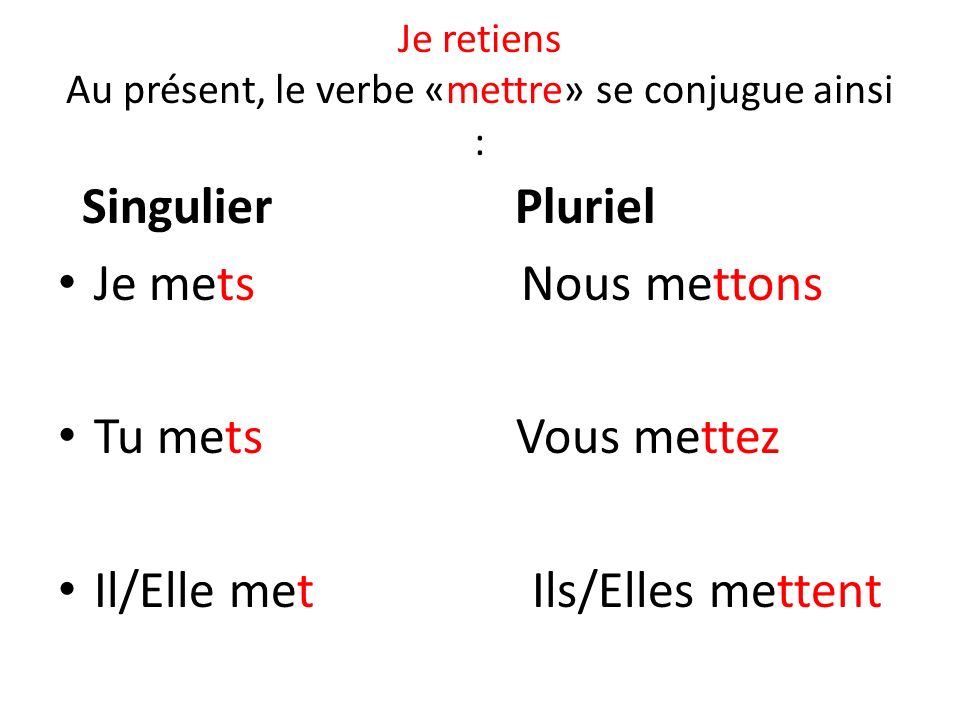
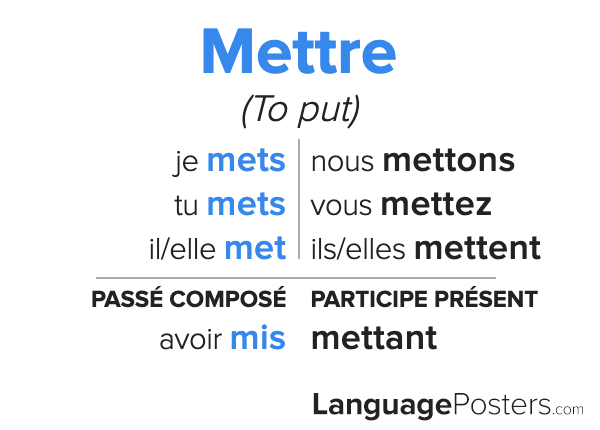
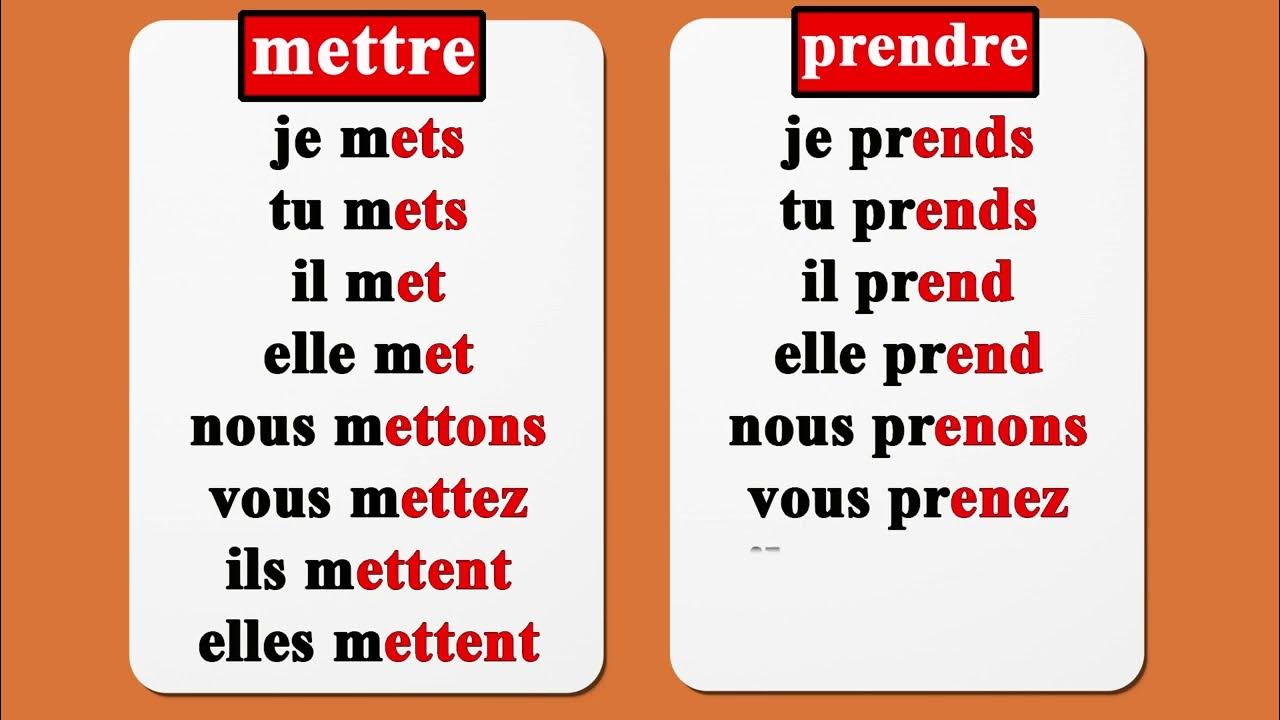
Alright, let's get to the conjugation! The present indicative is used to describe actions happening now, habitual actions, and general truths. Here's how mettre looks in its present indicative form:
- Je mets (I put)
- Tu mets (You put - informal)
- Il/Elle/On met (He/She/One puts)
- Nous mettons (We put)
- Vous mettez (You put - formal/plural)
- Ils/Elles mettent (They put)
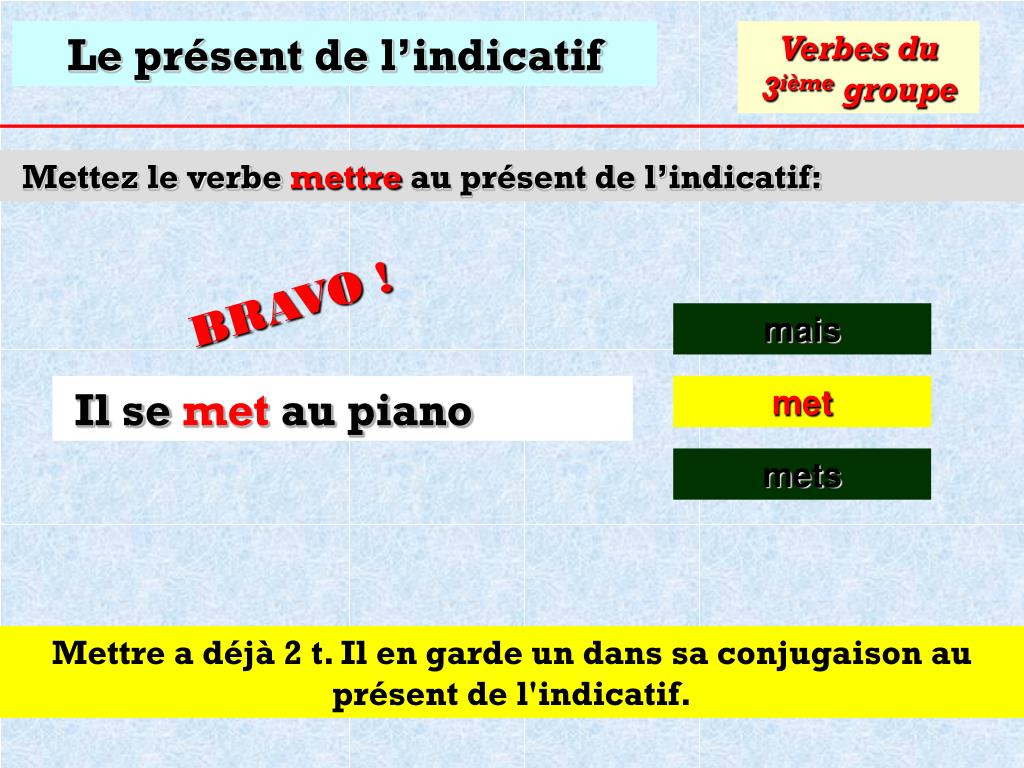
Notice anything interesting? Mets and met sound exactly the same! Context is key in French, my friend.
Mettre in Action: Examples & Tips
Okay, time for some practical examples to solidify your understanding:

- Je mets mon manteau parce qu'il fait froid. (I'm putting on my coat because it's cold.) – A classic scenario!
- Tu mets toujours du sucre dans ton café? (Do you always put sugar in your coffee?) – Habits!
- Il met la table pour le dîner. (He's setting the table for dinner.) – Domestic bliss.
- Nous mettons de la musique pour l'ambiance. (We're putting on some music for the atmosphere.) – Very French, n'est-ce pas?
- Vous mettez beaucoup de temps à vous préparer! (You take a long time to get ready!) – We all know someone like that.
- Ils mettent leurs chaussures dans l'entrée. (They put their shoes in the entryway.) – Good manners, everyone!
Beyond the Basics: Mettre and Expressions
Mettre is also part of many common French expressions. Knowing these will make you sound more fluent and natural:
- Se mettre à: to start (to do something). Elle se met à pleurer (She starts to cry).
- Mettre du temps à: to take time to. Je mets du temps à comprendre (It takes me time to understand).
- Mettre en valeur: to highlight, to showcase. Cette robe met tes yeux en valeur (This dress highlights your eyes).
Little fun fact: Did you know that the famous French expression "se mettre au vert" means to go into the countryside for some peace and quiet? Think escaping the hustle and bustle of Paris for a weekend in Provence!

Cultural Connection: La Mise en Scène
In French theatre and film, la mise en scène refers to the arrangement of everything that appears in the frame – the actors, the sets, the lighting. It literally translates to "putting on stage." It's all about creating the right atmosphere and telling a story visually. So, even in the arts, mettre plays a crucial role!
Mettre Your Knowledge to Use!
Now that you've learned (or re-learned!) the present indicative of mettre, challenge yourself to use it in your daily conversations. Even if you're just thinking to yourself in French, try to incorporate mettre into your thoughts. Je mets mon téléphone sur la table (I put my phone on the table). Je mets de l'ordre dans mes idées (I'm putting my thoughts in order). Every little bit helps!
Learning a language is like building a house. You need to lay the foundation, brick by brick. And mettre, in its present indicative form, is definitely one of those essential bricks. So keep practicing, keep exploring, and keep "putting" yourself out there! (See what I did there? 😉) Bonne chance!