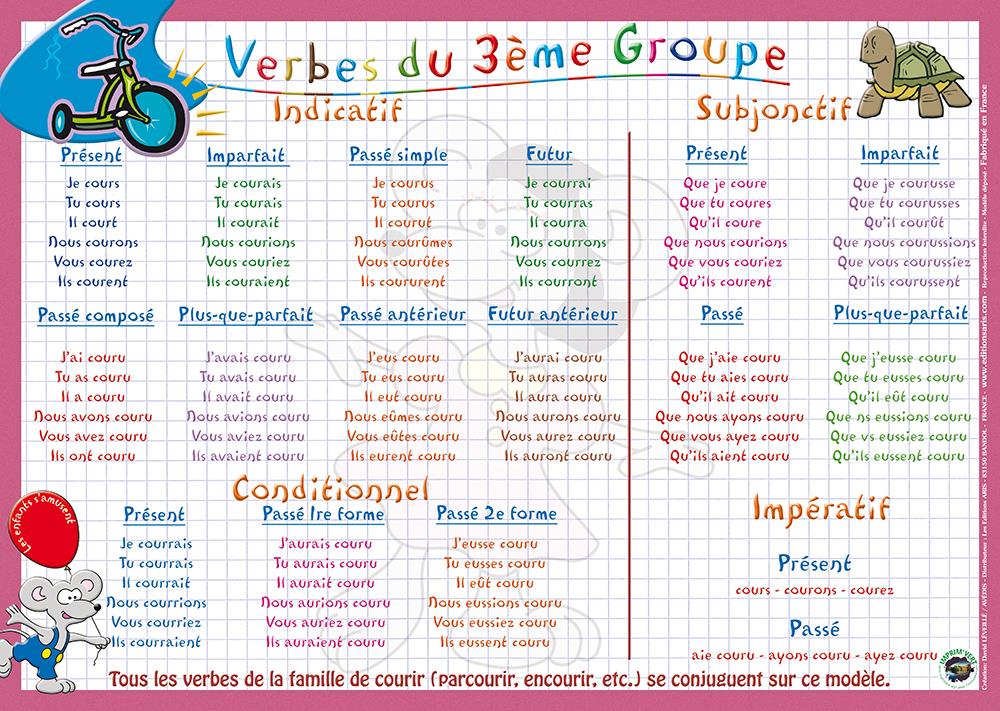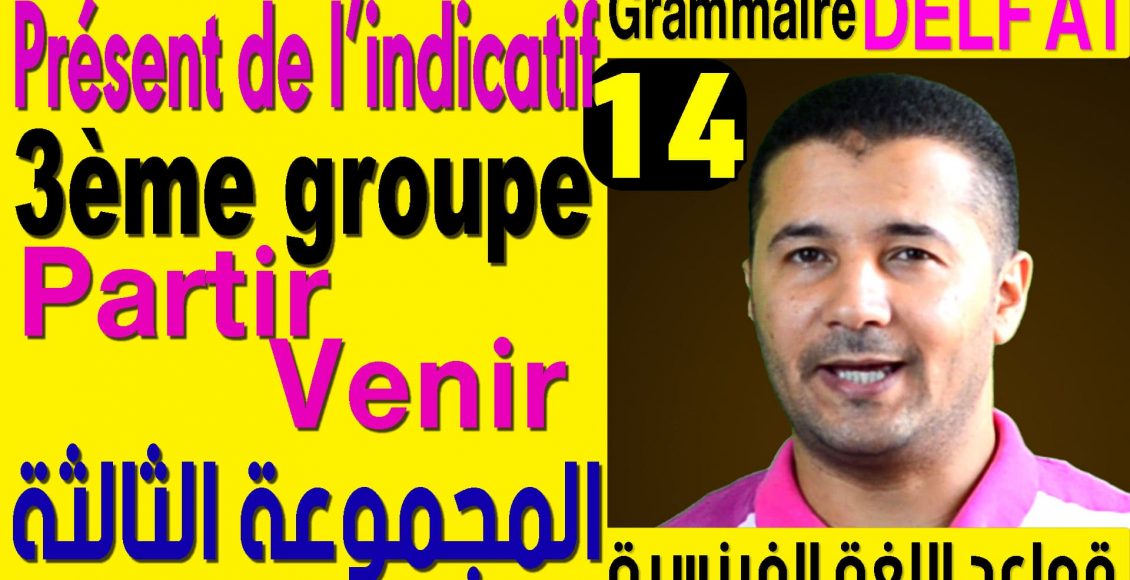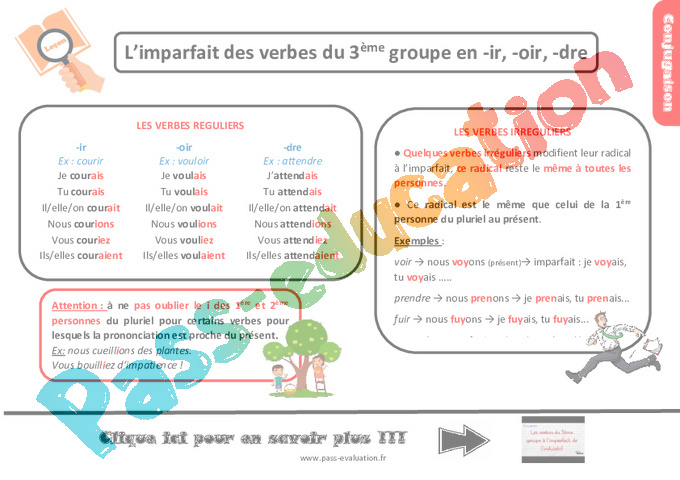
Salut tout le monde! Ever dipped your toes into French verbs? It can feel like diving into the deep end, right? But don’t worry, we’re going to explore something a little…quirky. Let’s talk about those mysterious 3ème Groupe verbs ending in -IR. Sound intimidating? Trust me, it's not as scary as it looks!
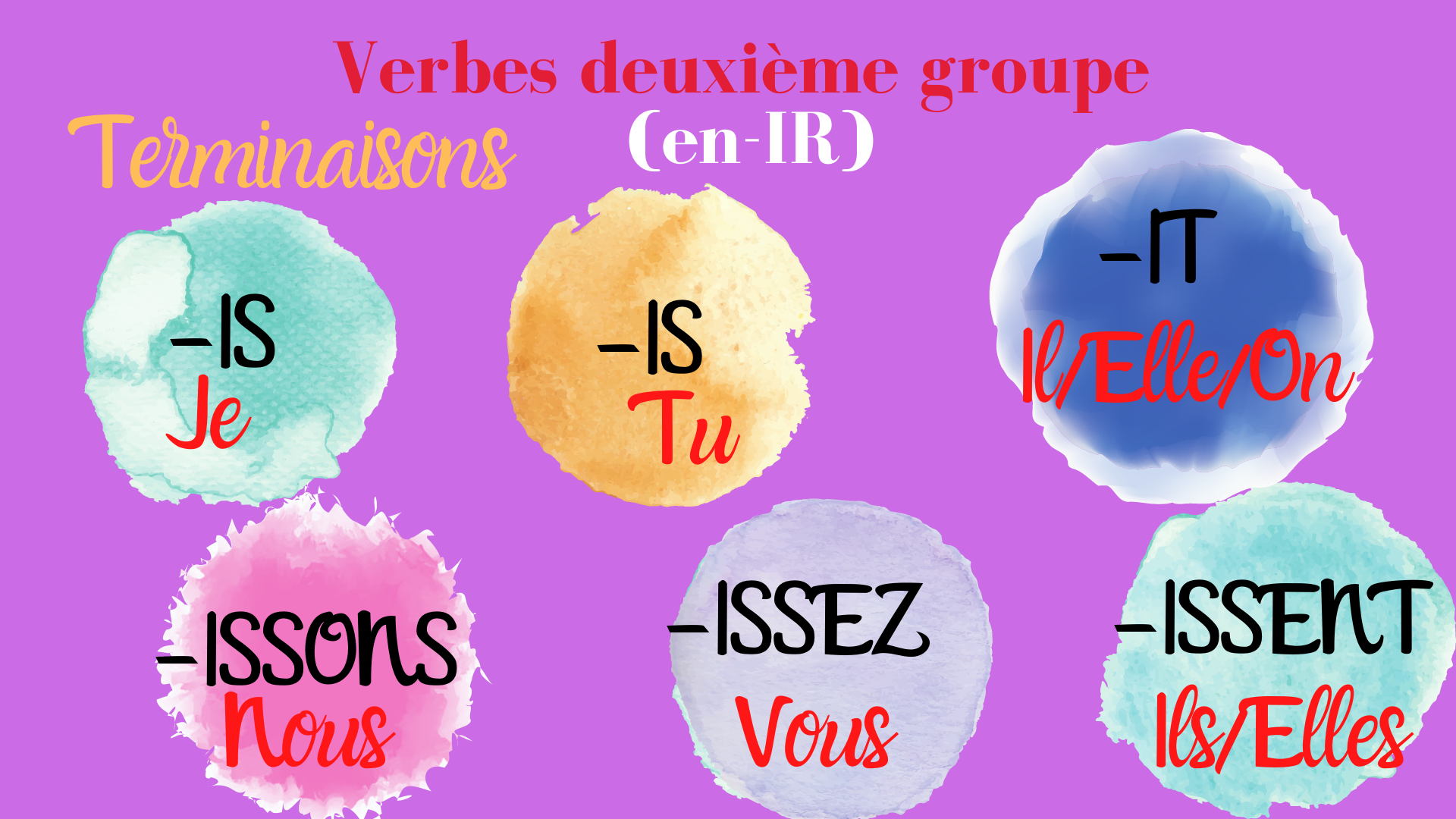
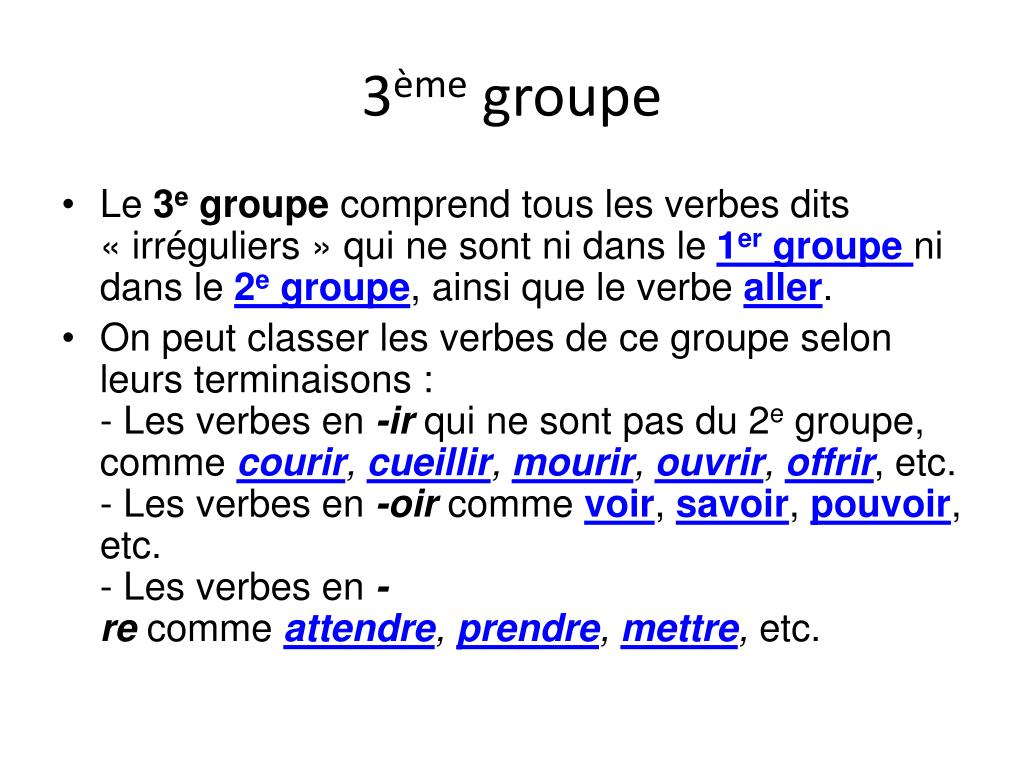
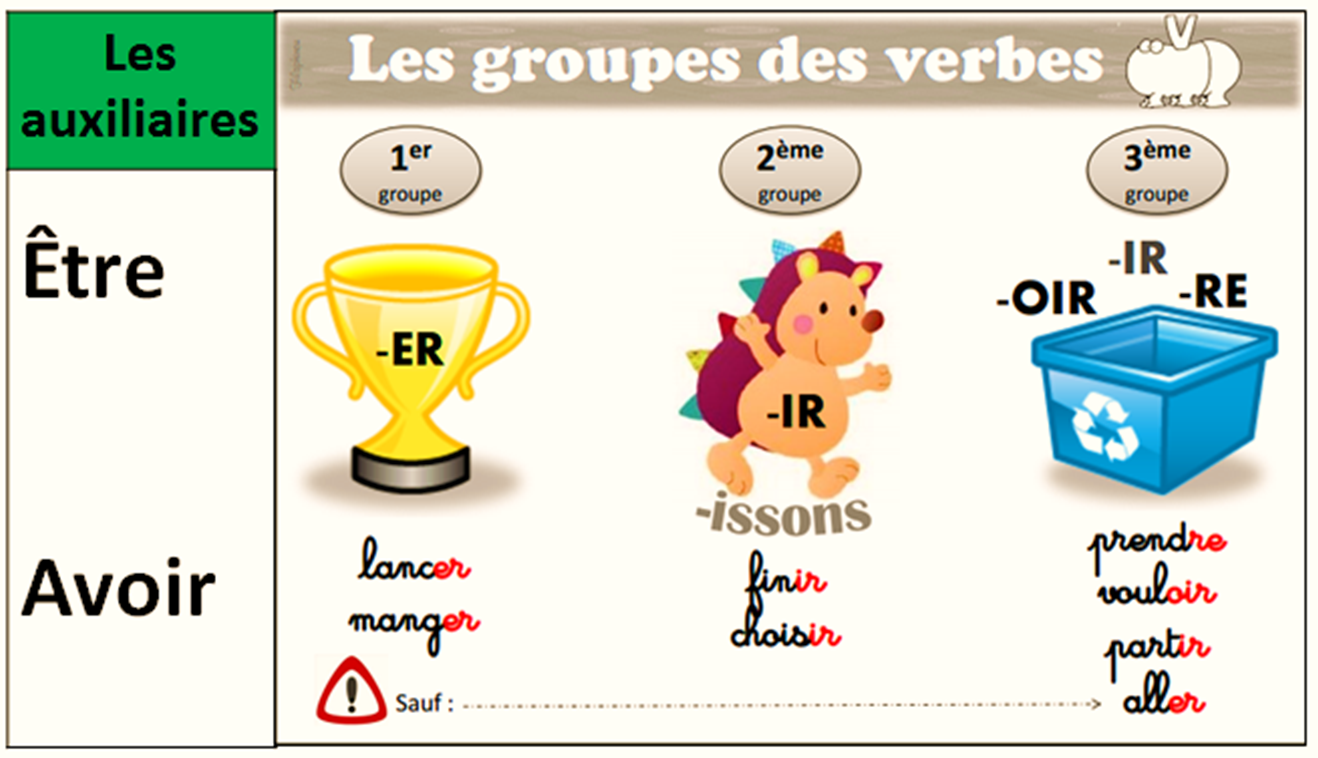
Think of French verbs like members of a band. The 1st group (-ER verbs) are your classic, reliable rhythm guitarists. The 2nd group (-IR verbs with -issons, -issez, etc.) are the solid bass players, keeping everything grounded. But our 3rd group ending in -IR? They’re the wild card saxophone player, throwing in unexpected riffs and keeping things interesting. They don't follow all the rules, and that’s what makes them cool.
Why the Fuss About the 3ème Groupe?
Okay, so why bother with these rebellious verbs? Well, for starters, they're everywhere! You use them all the time, even if you don't realize it. Also, learning them will help you grasp French better, and understanding verbs is fundamental when learning any language.
Think about it: how would you describe opening a door, leaving a place, sleeping, or knowing something without using verbs? See? Essential!
The -IR Rebels: Not Your Average Verbs
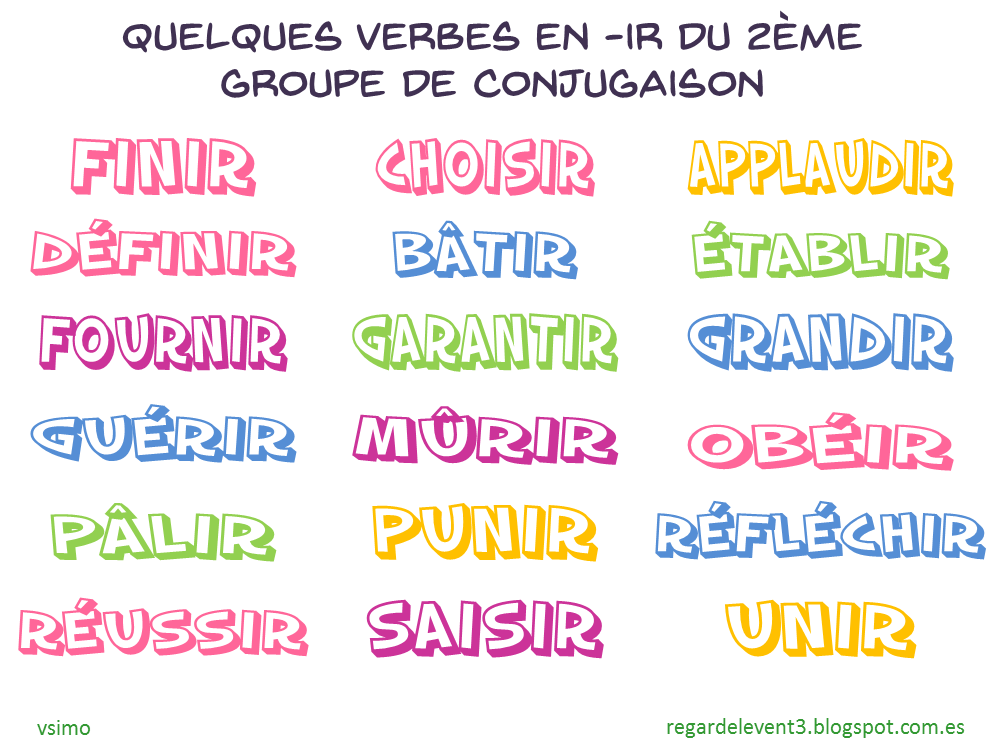
So, what makes these -IR verbs so special? It's all about their conjugations. Unlike the 2nd group -IR verbs (like finir or choisir), these guys don't follow a neat and predictable pattern. Instead, they are part of the 3ème Groupe which is quite the mixed bag in itself!
Let's take a peek at some common culprits:

- Ouvrir (to open): J'ouvre, tu ouvres, il/elle/on ouvre, nous ouvrons, vous ouvrez, ils/elles ouvrent. Notice anything familiar? It looks and acts like an -ER verb, doesn't it?
- Offrir (to offer): Just like ouvrir! J'offre, tu offres...
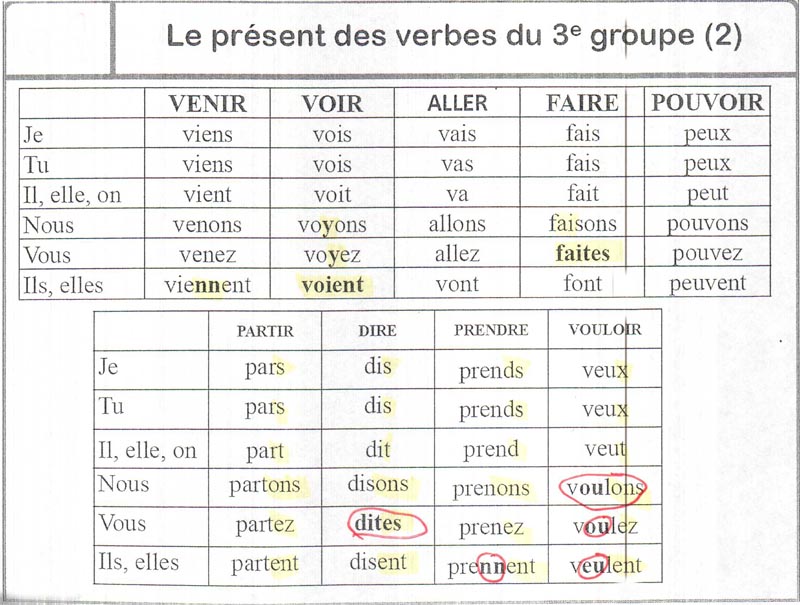
- Partir (to leave): Je pars, tu pars, il/elle/on part, nous partons, vous partez, ils/elles partent. See? Already different!
- Dormir (to sleep): Very similar to partir. Je dors, tu dors...
- Sentir (to feel/smell): Also similar to partir and dormir.
- Servir (to serve): You guessed it, follows the partir pattern.
- Mentir (to lie): And again! Are you starting to see a hint of something?
- Sortir (to go out): Je sors, tu sors, il/elle/on sort, nous sortons, vous sortez, ils/elles sortent. Another one!
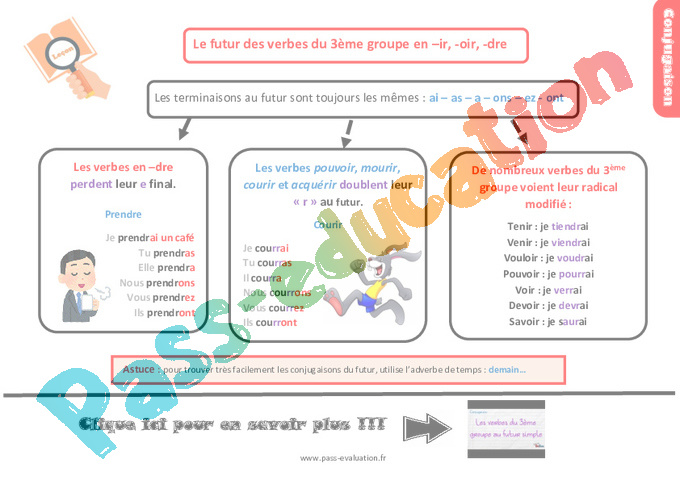
- Venir (to come): Je viens, tu viens, il/elle/on vient, nous venons, vous venez, ils/elles viennent. This is a bit of an irregular example, so make sure you memorize it well!
- Tenir (to hold): Je tiens, tu tiens, il/elle/on tient, nous tenons, vous tenez, ils/elles tiennent. Similar to Venir.
See how they all have different endings at the first, second and third person singular? That's a trademark of the 3ème Groupe. It's about memorization rather than just following a rule.
Unlocking the Conjugation Code (Sort Of)
Okay, I'm not going to lie, there's no magical secret code to these verbs. It's mostly about memorization. But here are a few things to keep in mind:
- Group Behavior: While they don't follow a strict rule, some of them do share patterns. The partir family, for example (partir, dormir, sentir, servir, mentir, sortir), often conjugate in a similar way.
- Common Stems: Pay attention to the verb stem. The stem is the base part of the verb before the ending. This can help you predict how the verb might conjugate.
- Practice Makes Perfect: The best way to master these verbs is to use them! Write sentences, practice conjugations, and listen to how they are used in conversation.
Open Wide: The "Ouvrir" Family
Let's take a closer look at that "ouvrir" (to open) family. These verbs are sneaky because they act like regular -ER verbs in the present tense. This group typically includes:

- Ouvrir (to open)
- Offrir (to offer)
- Souffrir (to suffer)
- Découvrir (to discover)
So, you can conjugate them just like you would "parler" (to speak) in the present tense. But beware! They are still part of the 3rd group and behave differently in other tenses, which are irregular.
The "Partir" Gang: Breaking the Rules
Now let's look at another group, the "partir" (to leave) family. These verbs behave a bit differently. Here's a breakdown of how they typically work in the present tense:
- Singular: -s, -s, -t
- Plural: -ons, -ez, -ent
Which will give you:

- Partir: Je pars, tu pars, il/elle/on part, nous partons, vous partez, ils/elles partent.
Regular vs. Irregular: A Constant Battle
Remember, the beauty (and sometimes the frustration) of French is its mix of regular and irregular verbs. These -IR verbs in the 3rd group are a prime example of that. They force you to think outside the box and appreciate the nuances of the language.
Why It's Actually Fun (Seriously!)
Okay, maybe "fun" is a strong word, but hear me out. Mastering these verbs is a serious accomplishment. Each irregular conjugation you conquer is like leveling up in a game. Plus, once you know them, you'll start noticing them everywhere, which is oddly satisfying.
Think of it like this: learning French verbs is like learning to play a musical instrument. At first, it feels awkward and frustrating. But with practice, you start to get the hang of it. Eventually, you can play a beautiful melody. And knowing these verbs is key to creating beautiful and expressive sentences in French.

Tips and Tricks for Taming the -IR Verbs
Ready to tackle these verbs head-on? Here are a few tips to help you along the way:
- Flashcards are Your Friend: Create flashcards with the verb and its conjugations. Review them regularly.
- Use Online Resources: There are tons of websites and apps that can help you practice verb conjugations.
- Immerse Yourself: Watch French movies, listen to French music, and read French books. The more you expose yourself to the language, the easier it will be to remember the verbs.
- Don't Be Afraid to Make Mistakes: Mistakes are a part of the learning process. Don't let them discourage you. Just learn from them and keep practicing.
- Focus on the Most Common Verbs: Start with the verbs you'll use the most frequently. This will give you the biggest bang for your buck.
Final Thoughts: Embrace the Weirdness!
So, there you have it: a (hopefully) less intimidating look at those tricky 3ème Groupe -IR verbs. They might seem a bit chaotic, but they’re a vital part of the French language. Embrace the weirdness, practice consistently, and before you know it, you'll be conjugating them like a pro.
And remember, learning a language is a journey, not a destination. Enjoy the ride!
Bon courage, et à bientôt!