Salut, toi! Ever heard of vente à réméré? No? Don't worry, it sounds more complicated than it actually is! Think of it as a super-smart financial tool, a bit like a secret weapon for homeowners who need a boost. We're diving in, so grab a café and get comfy!
Vente à Réméré: The Lowdown
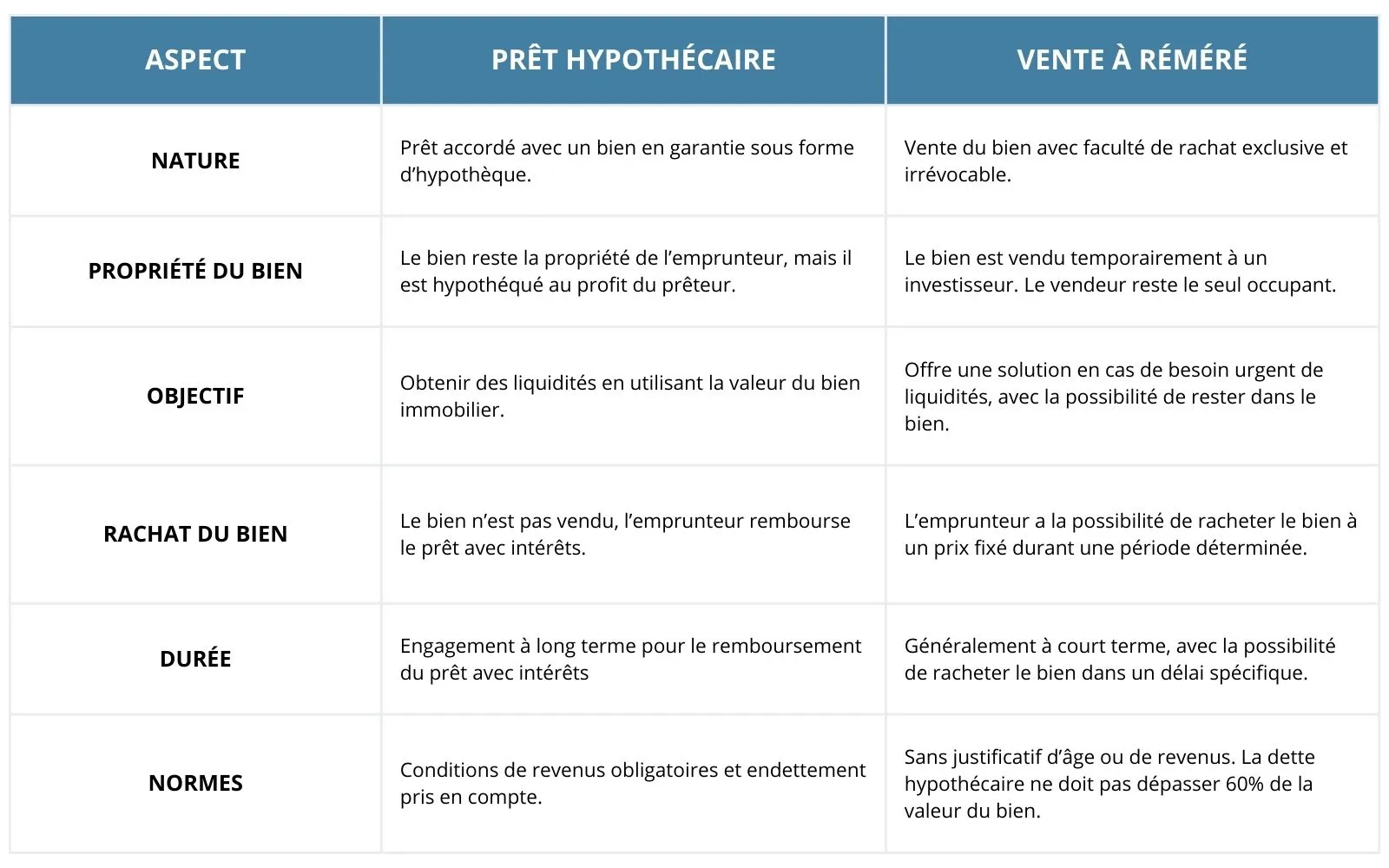
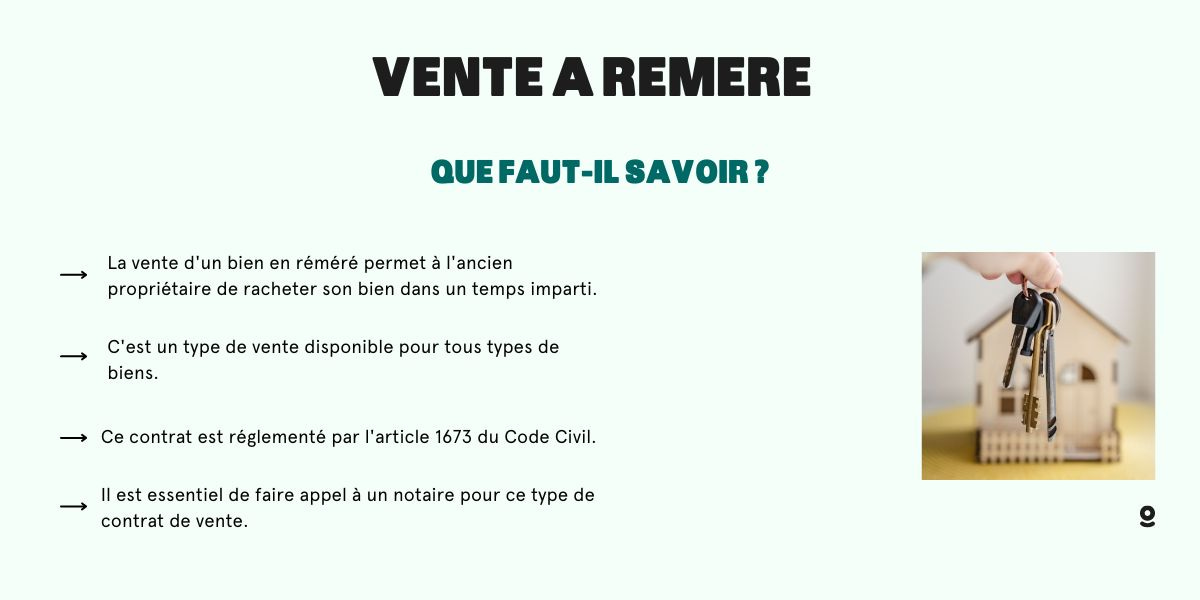
Okay, so "vente à réméré"… It’s French for "sale with a right of redemption." Basically, it's a legal agreement, firmly anchored in the Code Civil (yes, that hefty book of French law!). Imagine selling your property, but with a fantastic twist: you have the right, not the obligation, to buy it back within a pre-agreed timeframe. Sounds intriguing, doesn't it?
Why would anyone do that, you ask? Great question! Picture this: you’re a homeowner facing a temporary financial squeeze. Maybe you need funds for a business venture, unexpected medical bills, or even just to bridge a gap between selling and buying a new property. A traditional bank loan might be tricky to get quickly, or maybe the interest rates aren't exactly singing a sweet tune. That’s where vente à réméré swoops in like a superhero!
How Does it Actually Work?
Let's break it down into bite-sized pieces:
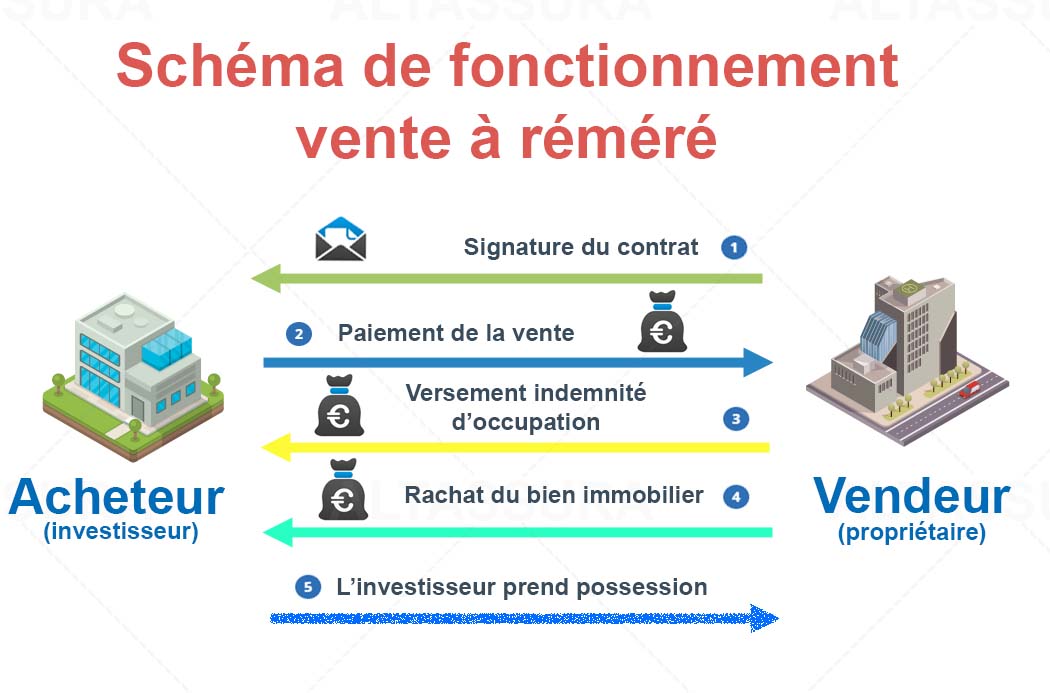
1. You Find an Investor: This is usually a company specializing in vente à réméré or an individual investor looking for a secure investment. Think of it like finding the right dance partner – someone you trust and who understands the rhythm!
2. You Agree on the Terms: This is the nitty-gritty part, but also where the magic happens. You'll agree on:
- The sale price of your property.
- The "réméré" period (the timeframe you have to buy back your property). This is usually a few months to a few years, giving you ample time to get back on your feet.
- The repurchase price (the price you need to pay to buy back your property). This will be higher than the initial sale price to compensate the investor.
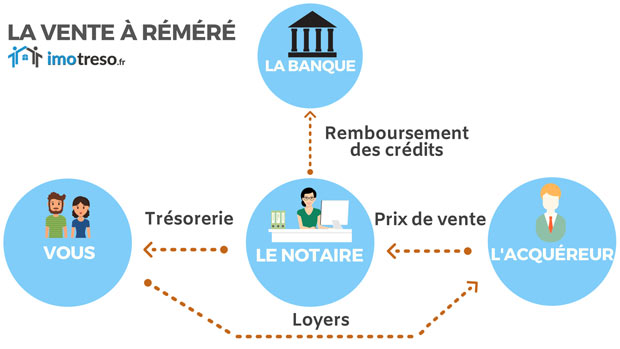
- Any occupancy agreement. In most cases, you stay in your home during the réméré period, paying rent to the investor.
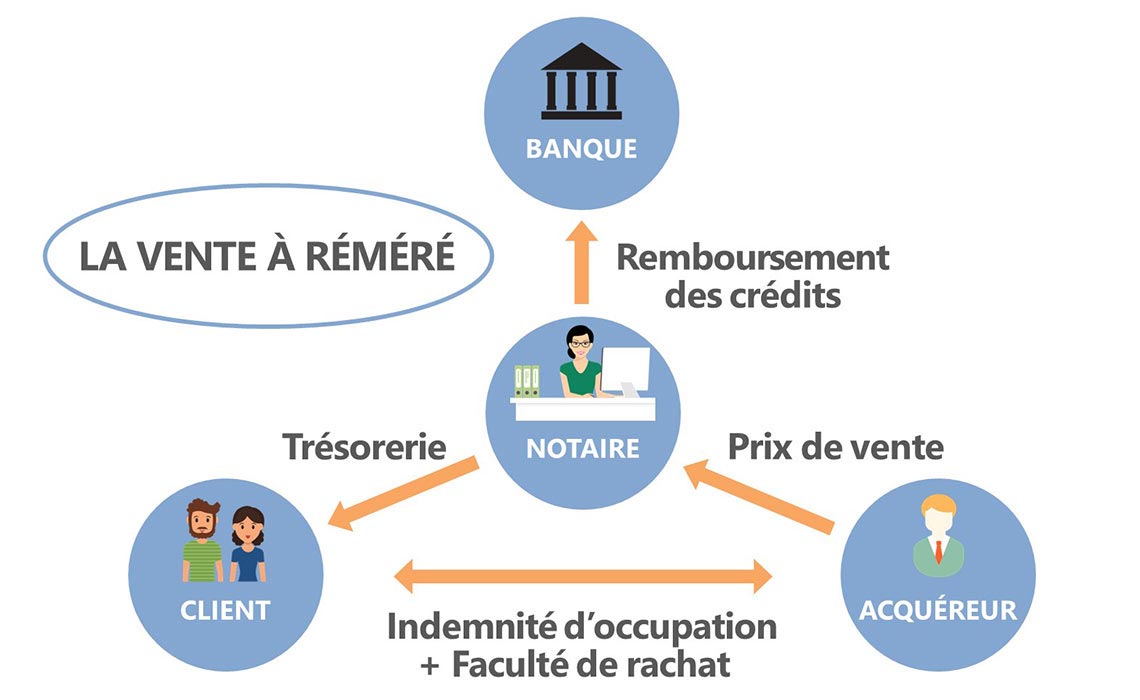
3. The Sale Happens: The sale is officially registered with a notary (notaire). Think of the notaire as the referee, making sure everything is above board and legally sound.
4. You Get Your Funds: You receive the agreed-upon funds from the investor – instant relief!
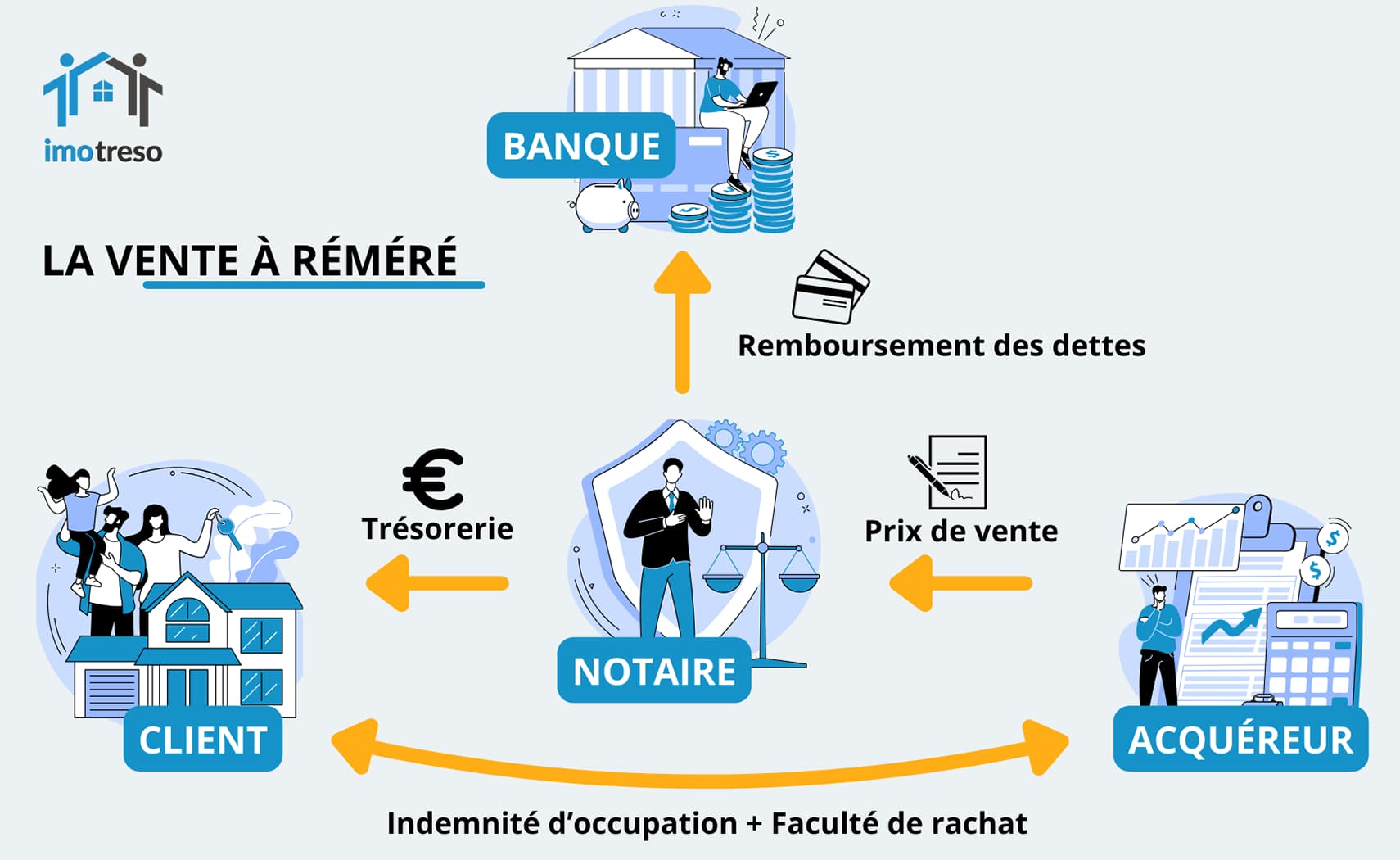
5. You Stay in Your Home (Usually!): You typically continue living in your property during the réméré period, paying rent to the investor. It’s like having a landlord for a little while, but with the awesome advantage of knowing you have the option to buy back your place!
6. You Buy Back Your Property (Hopefully!): If you get your finances back on track within the réméré period, you exercise your right to repurchase your property at the agreed-upon price. You’re back in control! High five!
What if you can't repurchase? Okay, let's be realistic. Life throws curveballs. If you can't repurchase within the agreed timeframe, the investor becomes the full owner of the property. However, this is why careful planning and realistic assessment of your financial situation are crucial before entering into a vente à réméré agreement.
Why Choose Vente à Réméré? The Perks!
So, what are the advantages? Why should you even consider this? Let me spell it out:
Quick Access to Funds: Forget lengthy bank loan applications! Vente à Réméré can get you funds fast, often within weeks.

Stay in Your Home: In most cases, you get to stay put during the réméré period. No need to pack up and move! How convenient is that?
Credit Rating Isn't a Major Factor: Unlike traditional loans, your credit score isn't the be-all and end-all. Investors are primarily concerned with the value of your property.
A Temporary Solution: It's designed to be a temporary solution to a financial hurdle. It's a bridge, not a permanent lifestyle.
Flexibility: You have the option to repurchase. If your situation improves faster than expected, you can buy back your property sooner. If not, you know your limitations and plan around them.
The Code Civil: Your Legal Shield
Now, let’s talk about the Code Civil. It's not just some dusty old book. It's the backbone of vente à réméré, providing the legal framework and protection for both parties. This is super important! It ensures that the agreement is fair, transparent, and legally binding. Always, always seek professional legal advice to ensure you fully understand your rights and obligations under the Code Civil.
Think of the Code Civil as your guide through the vente à réméré process, ensuring that everyone plays by the rules. It defines the key elements of the contract, including the repurchase price, the réméré period, and the consequences of failing to repurchase. It’s your safety net!
Potential Downsides? Let's be Honest!
Okay, let's not pretend it's all sunshine and roses. There are a few potential downsides to be aware of:
The Repurchase Price is Higher: You'll need to pay more to buy back your property than you initially received. This is how the investor makes their profit.
Risk of Losing Your Property: If you can't repurchase within the agreed timeframe, you'll lose your property. This is the biggest risk, so make sure you have a solid plan.
It's Not a Long-Term Solution: It's designed for short-term financial needs, not for long-term debt management.
Is Vente à Réméré Right for You?
So, is vente à réméré your knight in shining armor? Well, it depends! It's a powerful tool, but it's not a magic bullet. It's ideal if you:
- Face a temporary financial challenge.
- Have a clear plan to get back on your feet.
- Understand the risks involved.
- Seek professional legal and financial advice.
If you're considering vente à réméré, do your homework! Talk to a financial advisor, a lawyer specializing in real estate law, and several vente à réméré providers. Get quotes, compare terms, and make sure you fully understand the agreement before signing anything. Don't be afraid to ask questions – no question is too silly when it comes to your financial future!
Embrace the Possibilities!
Vente à Réméré, underpinned by the Code Civil, isn't just about selling and buying back property. It's about opportunity. It’s about having options when traditional avenues are closed. It’s about empowering you to overcome financial obstacles and achieve your goals.
It's a testament to the fact that even in times of financial uncertainty, there are innovative solutions available. By understanding the legal framework (thank you, Code Civil!), and by seeking expert advice, you can navigate the world of vente à réméré with confidence and make informed decisions that benefit your future.
So, go forth and explore! Don't be intimidated by the French name or the legal jargon. Embrace the possibility of regaining control of your financial situation and unlocking a brighter future. The world of finance can be daunting, but knowledge is power. Allez-y! You got this!