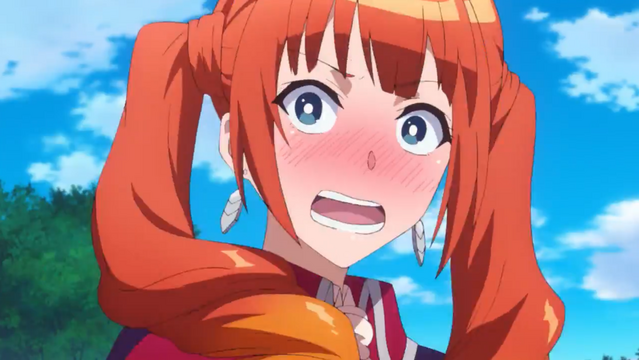
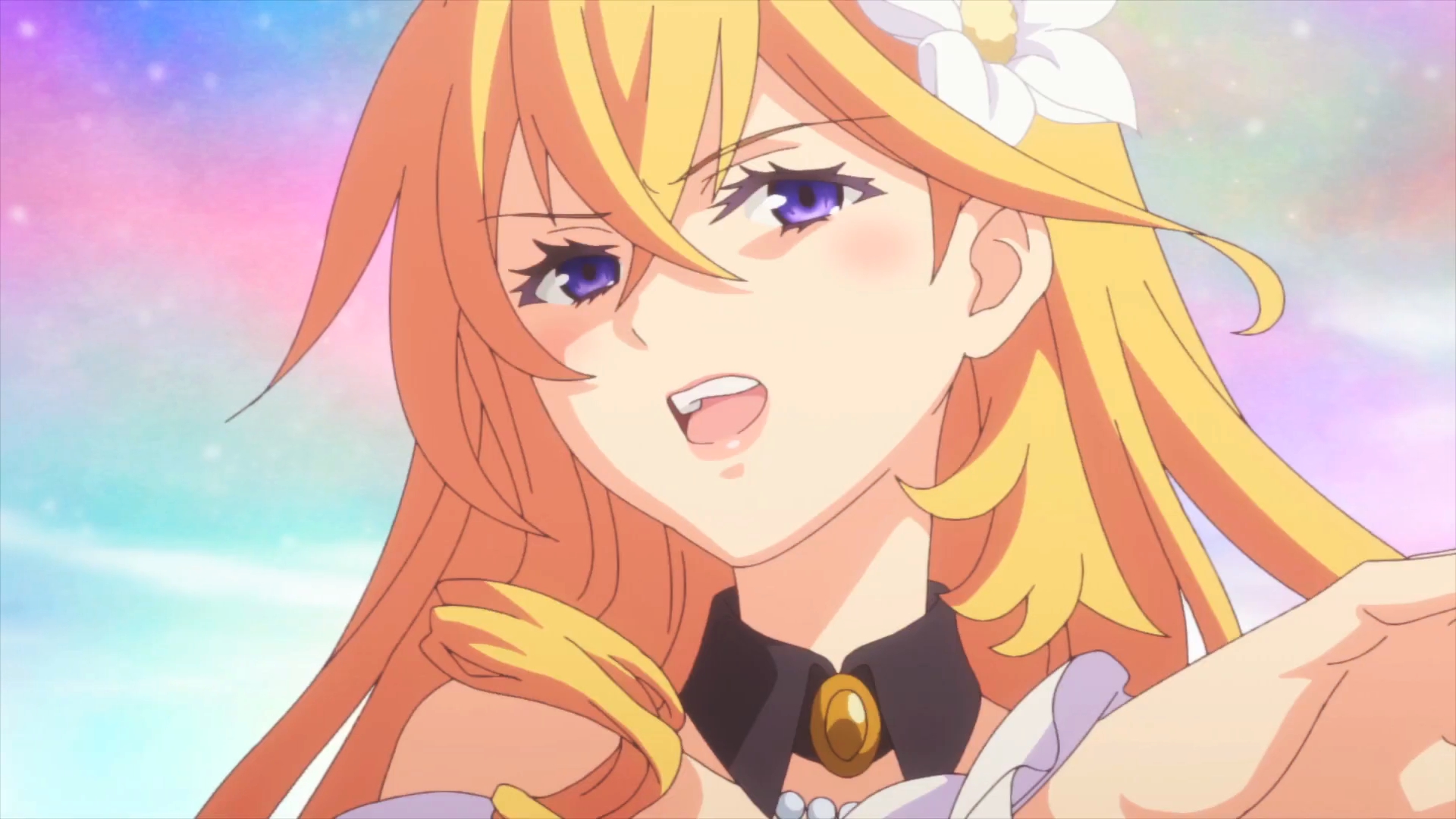
Okay, picture this. Last night, playing our usual D&D session, right? Liam, bless his cotton socks, decides to go full Leeroy Jenkins. Charges headfirst into a pack of gnolls. Predictable chaos ensues. Who saves his bacon? Not the stoic paladin, not the overly cautious rogue. Nope. It’s Elara, our resident tsundere sorceress, who grudgingly mutters something about "idiots needing babysitting" while blasting the gnolls into oblivion with a perfectly aimed fireball. Classic Elara. And it got me thinking... why are tsundere characters – especially the magically inclined ones – so darn compelling as frontline protectors?
The Unexpected Frontline: Why Tsunderes Work
Seriously, on paper, it sounds ridiculous. A mage, typically associated with backline support and arcane shenanigans, taking point? And a tsundere mage at that? It defies logic. But that's precisely why it works so well. The contrast is delicious. Let's break down why this trope is secretly genius, shall we?
The Element of Surprise (and Denial!)
First, the element of surprise is key. Nobody expects the seemingly aloof, possibly ice-hearted sorceress to throw herself into harm’s way. Enemy combatants are probably too busy being confused to properly defend themselves. "Wait, is she...shielding us? Does she care?" Cue the devastating spell while they’re pondering their existential dread. You know, the usual.
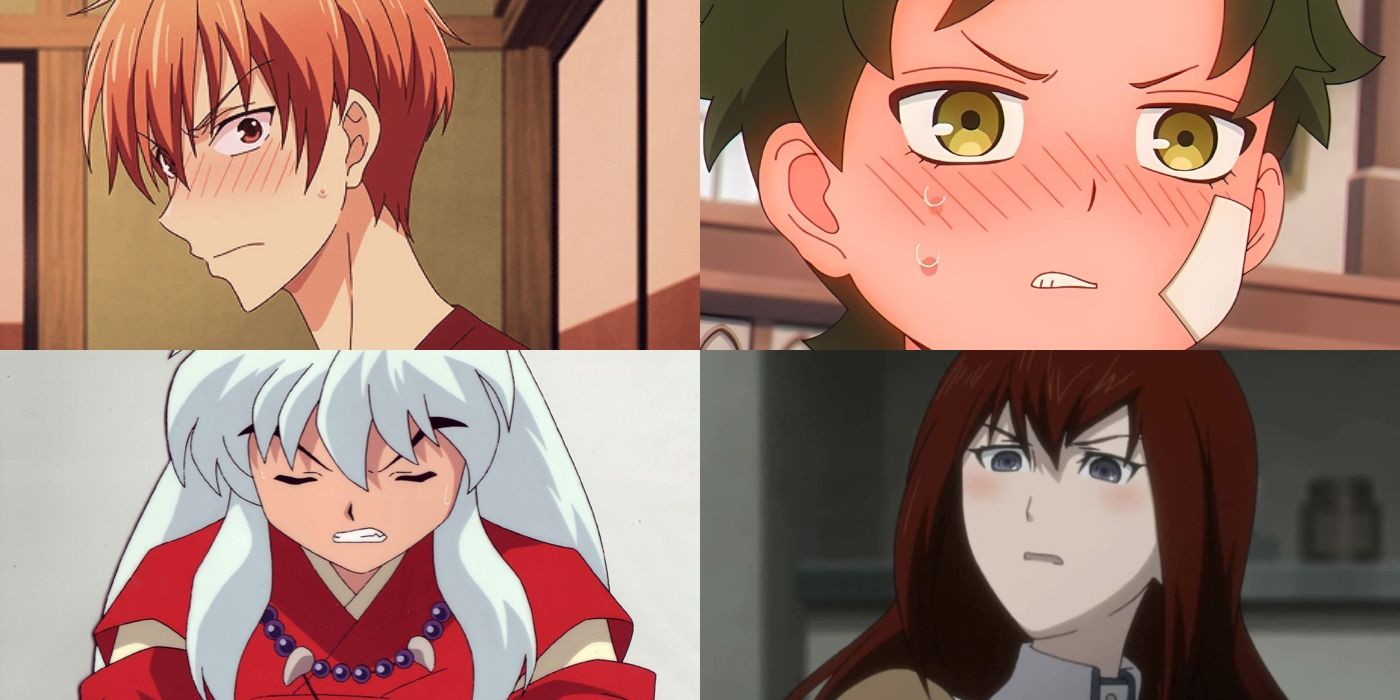
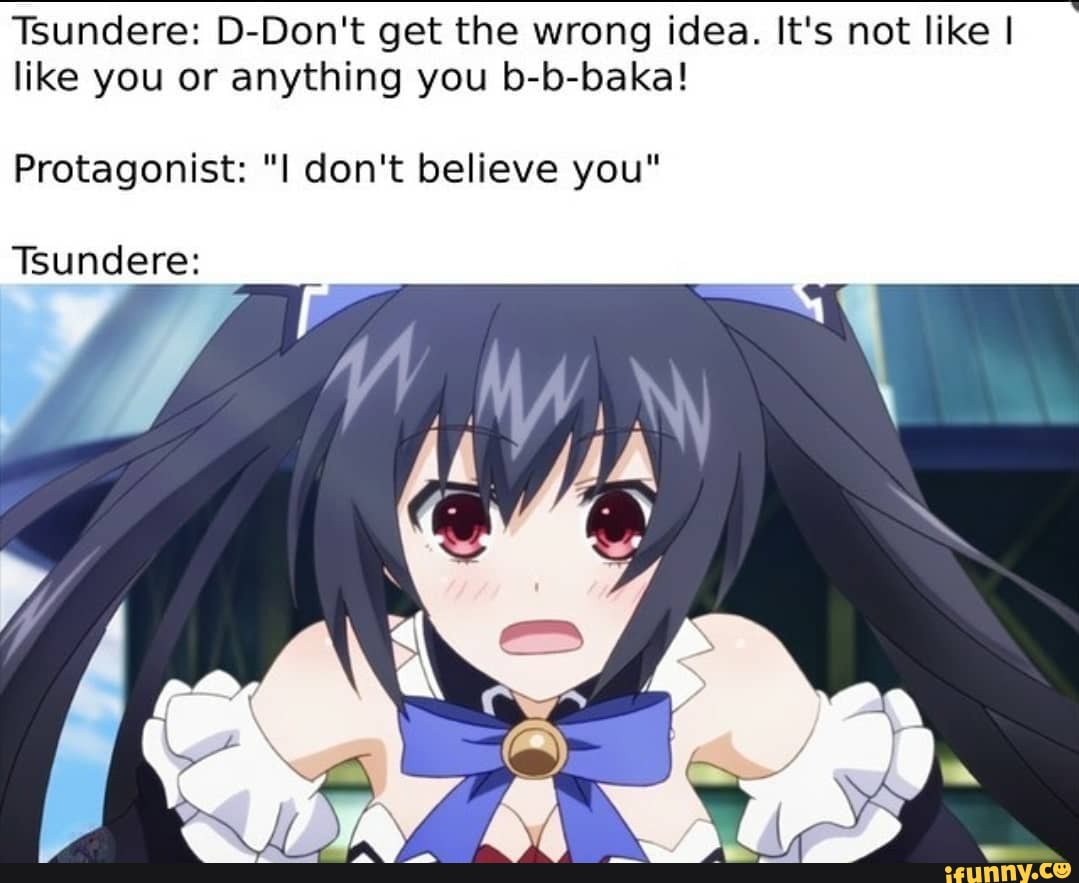
And let's not forget the denial. The tsundere will never admit they’re doing it for you. It’s always "I just don't want you slowing me down," or "Someone has to protect this party of incompetent fools," or my personal favorite, "It's not like I want to save you, baka!" The internal conflict is chef’s kiss. They’re secretly (or not-so-secretly) fiercely protective, but admitting it? Never. That’s half the fun.
It’s like, they have this hidden soft spot underneath layers of prickly defenses. Think of it like a magical onion (minus the tears, hopefully). Each layer peeled back reveals a little more of their genuine care, which is usually expressed through increasingly powerful and destructive spells aimed at anyone who dares to threaten their…uh… "associates."
Powerful Magic, Powerful Emotions (Hidden, Of Course)
Magic, in many fictional universes, is often tied to emotions. Now, I'm not saying tsunderes are more magically powerful, but I am saying their suppressed emotions create a unique dynamic. All that simmering frustration, the unacknowledged affection, the carefully curated image of indifference... It's gotta go somewhere, right? And what better outlet than channeling it into devastating spells?
Imagine the focus needed to maintain that constant facade of aloofness. Now, imagine that focus redirected into, say, a perfectly calibrated lightning bolt. Boom. Literally. They’ve essentially weaponized their emotional constipation. It’s almost...efficient.

And the best part? Their spells are usually flashy. Fireballs, lightning strikes, ice shards – something suitably dramatic to match their inner turmoil. Subtle enchantments and support spells? Leave that to the overly sentimental clerics. Tsundere sorceresses go big or go home (which, let's be honest, they'd probably prefer to do anyway).
The "I'm Not Doing This for You!" Buff
Okay, this might be a bit meta, but hear me out. There's a certain meta-game aspect to playing a tsundere character, especially one in a protective role. Knowing that your actions are constantly being misinterpreted, that your genuine (however grudgingly given) support is met with suspicion or teasing, it adds a layer of motivation. You're not just protecting them because you care. You're doing it to prove you don't care. Which, ironically, only reinforces the fact that you do. It’s a beautiful, self-defeating cycle.
Think of it as the "I'm Not Doing This for You!" buff. It grants increased willpower, resistance to mind control, and a bonus to spell damage when targeting enemies perceived as a threat to… well, you know. Let’s just call them "targets of convenience."
Examples in Media: Where We See This Play Out
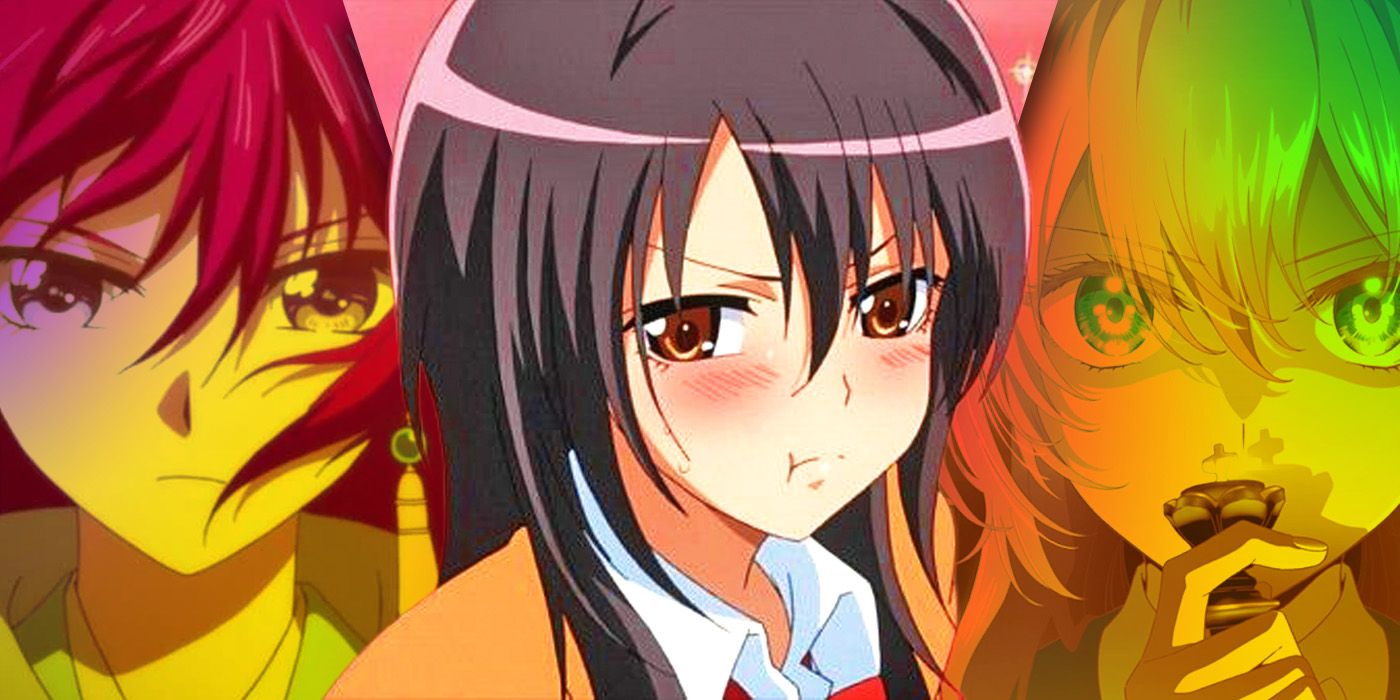
This trope isn't just some figment of my D&D-addled brain. It's everywhere. Consider these examples:
- Louise Françoise Le Blanc de La Vallière (Zero no Tsukaima): Arguably the quintessential tsundere mage. Her explosions may be…erratic… but her dedication to protecting Saito (even if she’d never admit it) is undeniable. Plus, the constant verbal abuse is strangely endearing. (Don't judge me!)
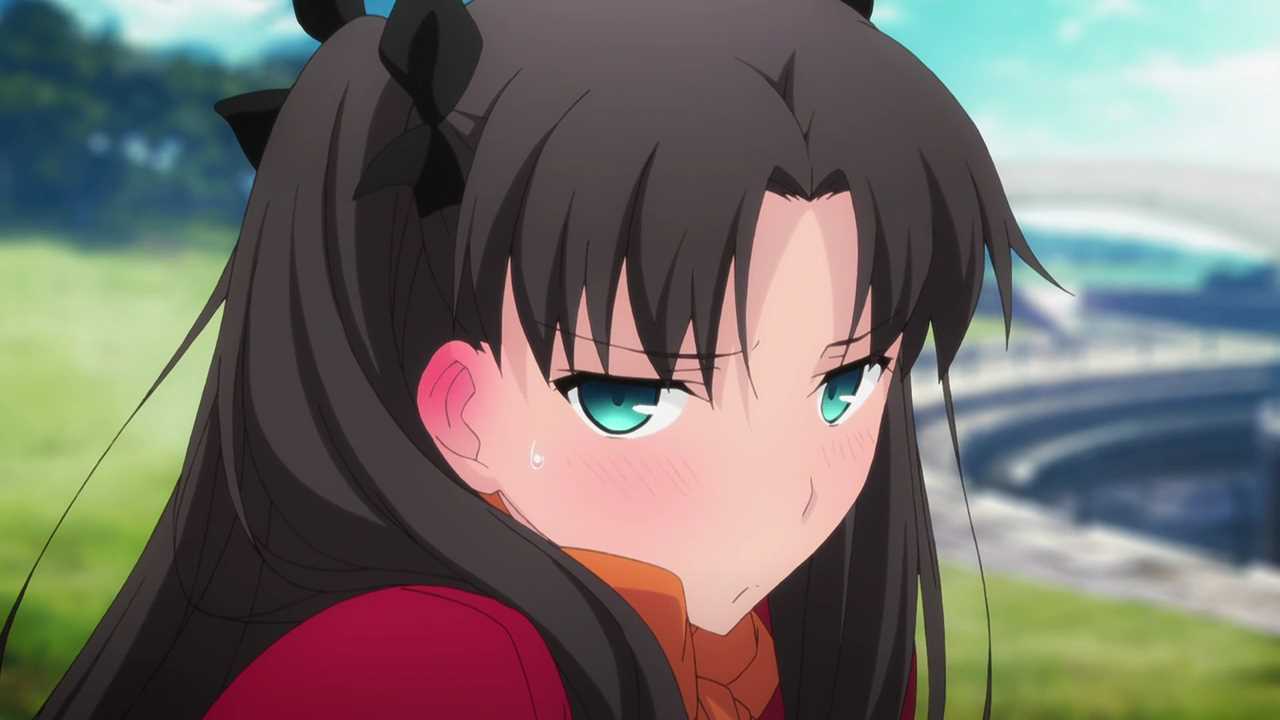
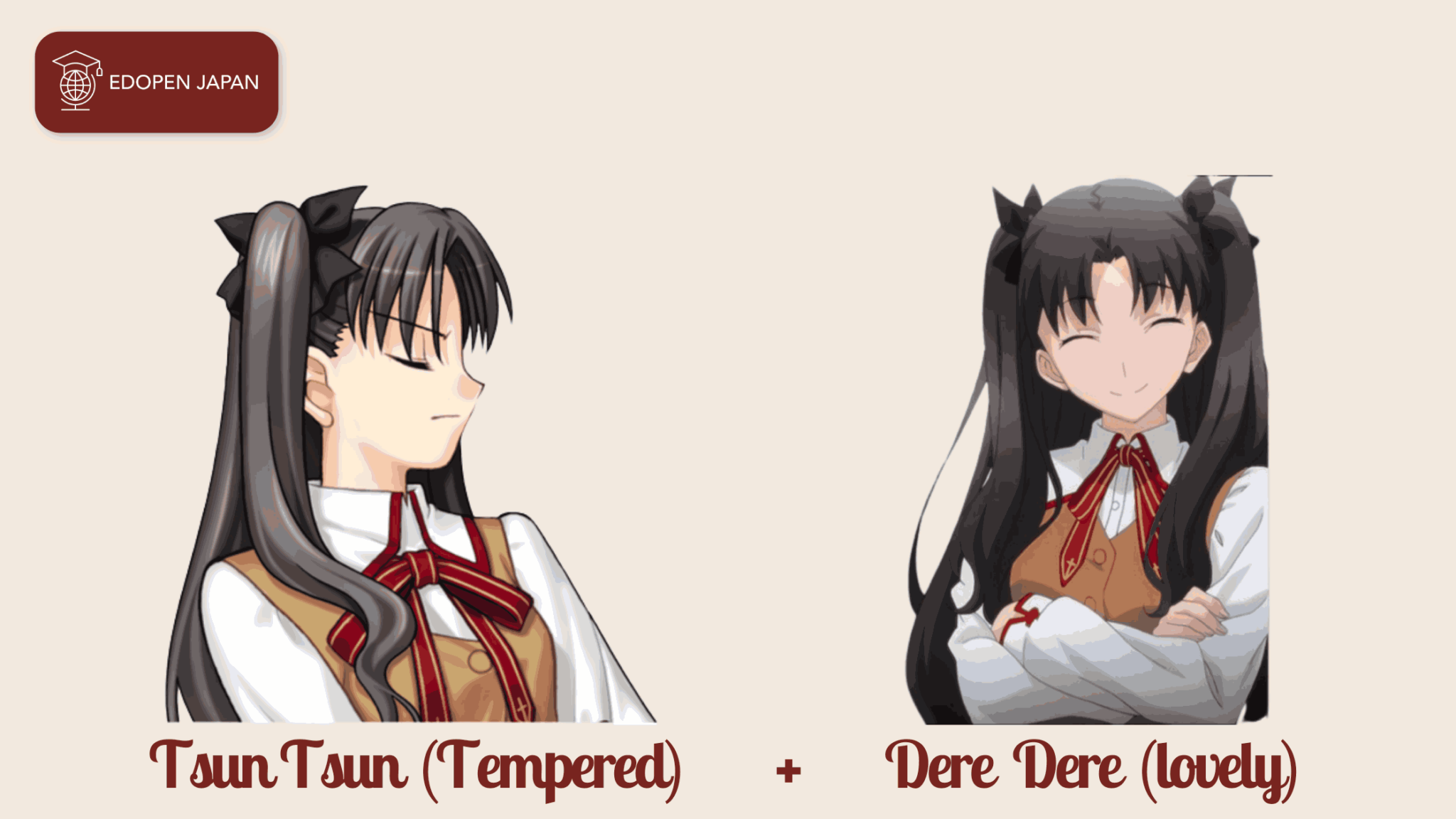
- Rin Tohsaka (Fate/stay night): Competent, intelligent, and brutally honest (to a fault). She might act like she doesn't need anyone, but her strategic brilliance and powerful magecraft are vital to the Holy Grail War. And secretly, she totally cares.
- Erza Scarlet (Fairy Tail): Okay, Erza isn't strictly a mage, but her requip magic is close enough. And while she’s not a strict tsundere, she definitely has that protective older sister vibe, often masking her concern with stern lectures and the occasional…disciplinary action.
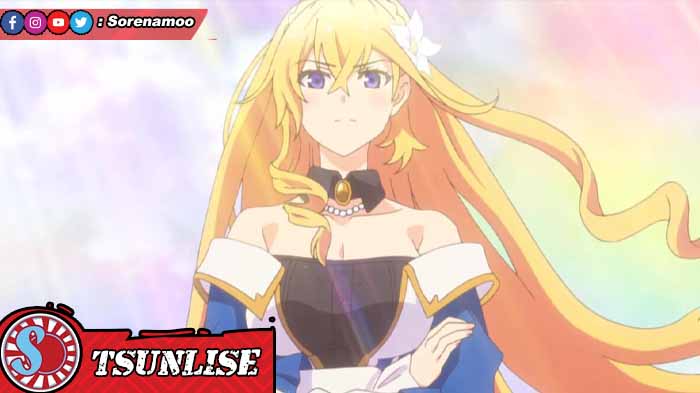
These characters, and countless others, exemplify the tsundere sorceress archetype. They're flawed, complex, and surprisingly effective protectors.

The Tsundere Sorceress: A Hero We Deserve (But Probably Don't Want to Admit We Need)
So, the next time you’re building a character for a game, or just brainstorming fantasy ideas, consider the tsundere sorceress. She's a walking contradiction, a powerhouse of magic and repressed emotion, and a surprisingly effective frontline protector. She might yell at you, call you names, and constantly deny that she cares, but when the chips are down, she’ll be the first one to throw herself in front of a dragon (while grumbling about how much easier it would be if you weren’t such an idiot). And that, my friends, is why she’s secretly the best.
Just, uh, maybe don’t tell her I said that. She'd probably incinerate me.
Final thought: Maybe we all have a little bit of tsundere sorceress in us. A hidden soft spot, a desire to protect, and a healthy dose of denial. Just try not to set anything on fire, okay?