Ah, la France! Land of romance, delicious pastries, and… trouble à l'ordre public? It might sound like a dramatic pronouncement from a revolutionary manifesto, but don't worry, it's not quite as intimidating as it seems. In essence, "trouble à l'ordre public" translates to "breach of public order" or "disturbing the peace." But what does that really mean in everyday French life? Let's unpack it, shall we? Think of it as your essential, slightly irreverent, guide to navigating the dos and don'ts of la vie publique in France.
Decoding Le "Trouble": What Actually Qualifies?
So, what exactly lands you in trouble? It's broader than you might think. Here’s a glimpse:
- Excessive Noise: Late-night karaoke sessions in your Parisian apartment? Loud music echoing from your villa in the south? Pas très chic! Noise pollution is a big deal, especially after certain hours. Think of it as extending the joie de vivre responsibly, not imposing it on your neighbors. Remember that classic French courtesy – it applies to decibels too!
- Public Intoxication: Enjoying a glass (or two… or three) of Bordeaux is practically a national pastime. But stumbling through the streets singing Edith Piaf at 3 AM? That’s where things can get a bit dicey. Moderation is key, mes amis.
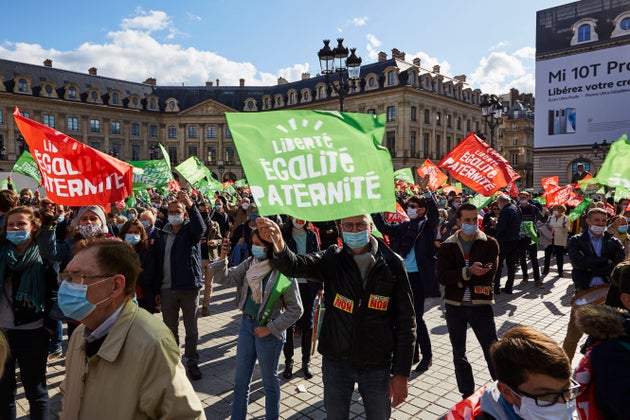
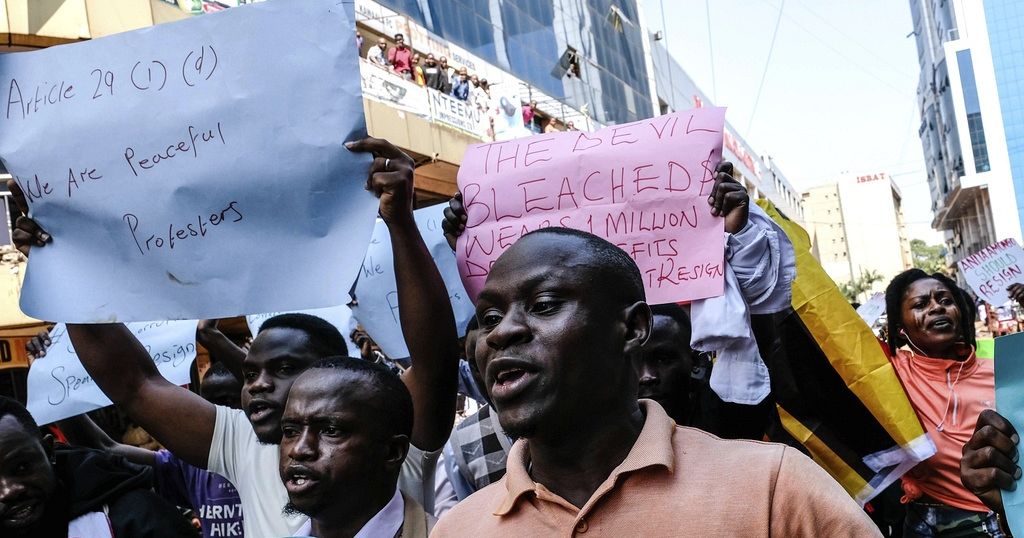
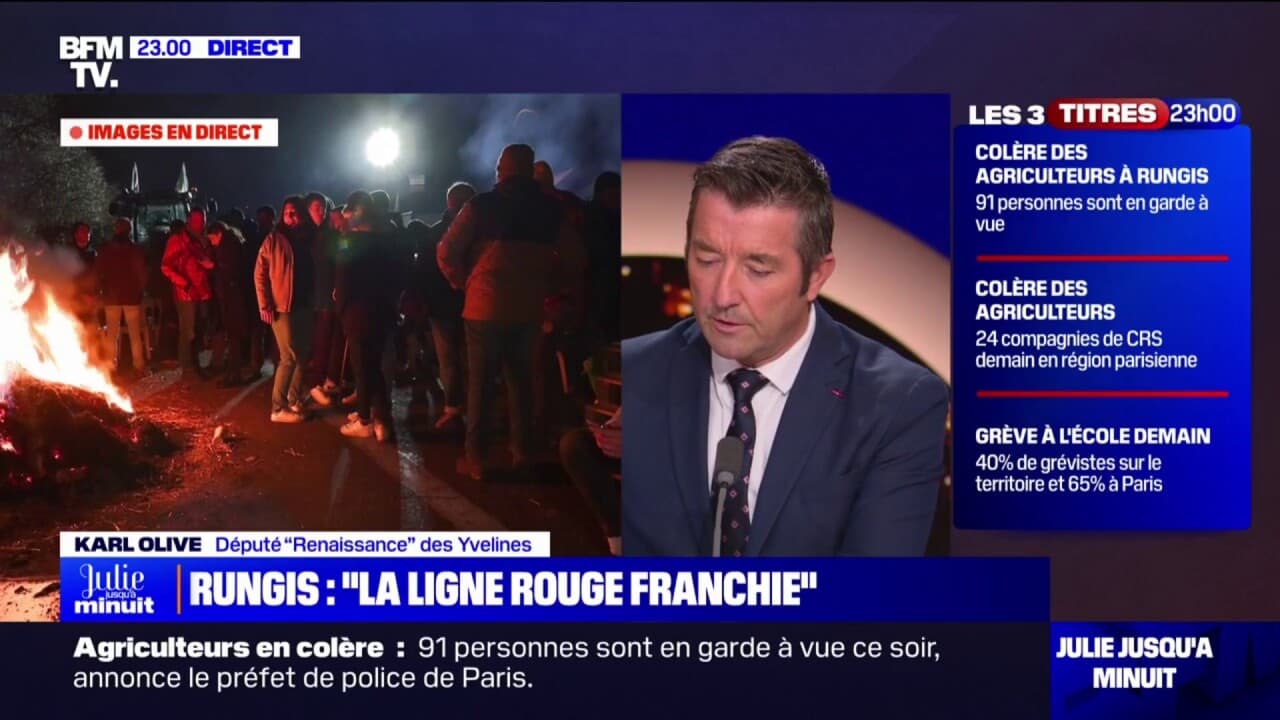
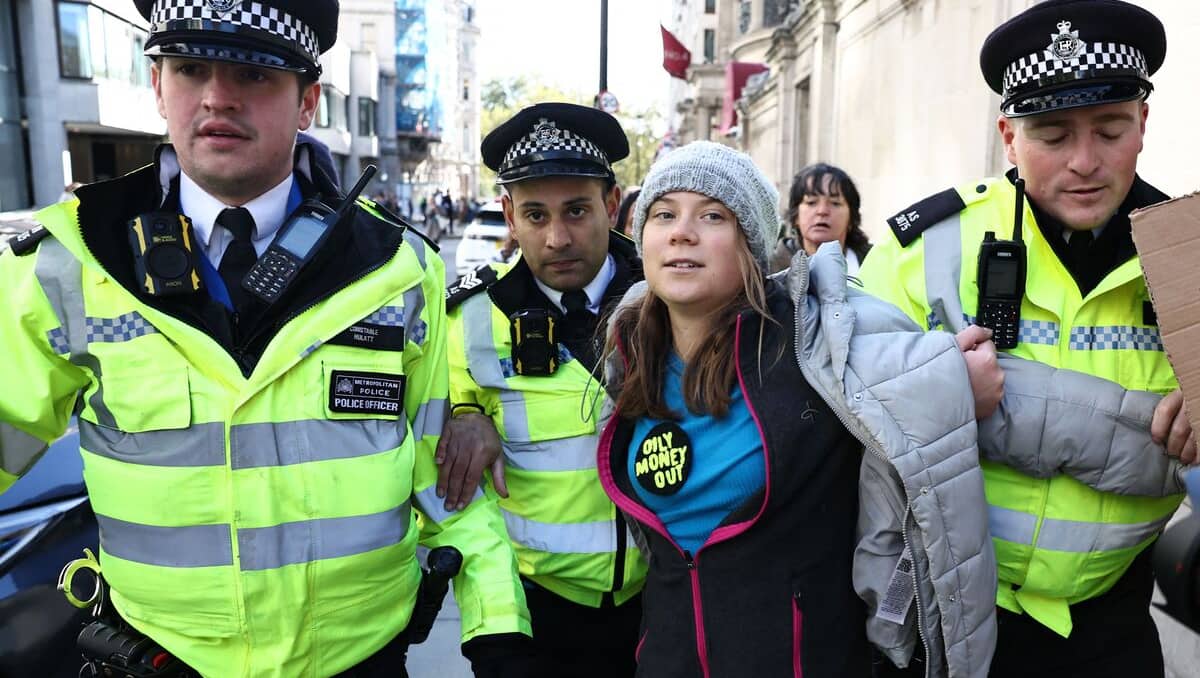
- Unapproved Demonstrations: France is known for its protests, but they need to be authorized. Randomly blocking the Champs-Élysées with your friends to protest the rising cost of croissants (tempting, I know!) could lead to trouble. There's a process!
- Vandalism: Graffiti is art, right? Well, sometimes. But defacing public or private property is a definite no-no. Express yourself legally, or stick to a canvas.
- Aggressive Behavior: Heated arguments are common, but physical altercations or threats are a fast track to unpleasantness. Keep your cool and remember the power of a well-placed s'il vous plaît.
Why Does France Take It So Seriously?
The French legal system places a high value on maintaining social harmony. It's rooted in a deep-seated belief in collective responsibility and the right of everyone to enjoy public spaces peacefully. Think of it as a societal contract: we all agree to behave in a way that doesn't infringe on the rights of others.
This emphasis on order dates back centuries. From the French Revolution (ironically, a prime example of large-scale "trouble à l'ordre public"!) to the more recent social movements, the concept of public order has been central to French political and social thought.
Avoiding "Le Trouble": Practical Tips for a Peaceful Stay
Want to experience the best of France without running afoul of the law? Here are some practical tips:

- Be Mindful of Noise Levels: Especially late at night. Apartments in France, particularly older ones, can have thin walls. Respect your neighbors!
- Drink Responsibly: Savor the wine, but know your limits. Public intoxication is rarely a good look, anywhere.
- Check Local Regulations: Different cities and regions have different rules. A little research goes a long way. For example, some cities have specific noise ordinances regarding construction or late-night deliveries.
- Respect Public Property: Treat public spaces with care. Avoid littering, vandalism, and any other behavior that could damage or deface them.
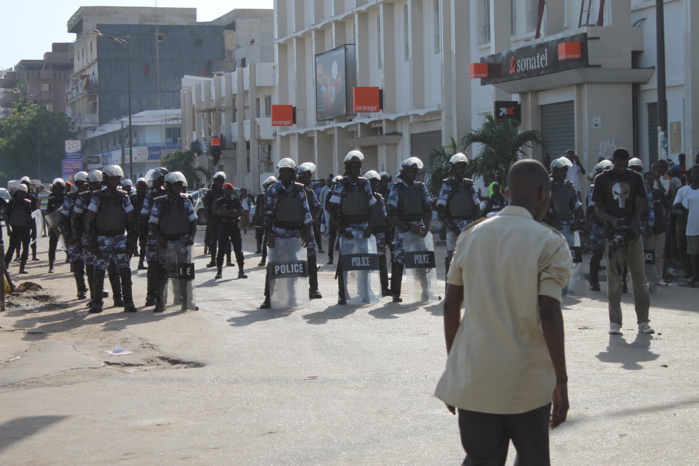
- Stay Informed About Demonstrations: If you see a protest forming, it's best to observe from a safe distance and avoid getting involved. Unplanned encounters with riot police are rarely a highlight of a vacation.
- Learn Basic French Phrases: Knowing how to say "excuse me," "I'm sorry," and "I don't understand" can be incredibly helpful in defusing potential misunderstandings. A little effort shows respect.
- Embrace "La Politesse": Basic politeness goes a long way in France. Greet shopkeepers, say "please" and "thank you," and generally be courteous. It's a cultural expectation, and it helps create a positive atmosphere.
Cultural Nuances and the Art of "Bien Se Tenir"
Navigating the nuances of French social etiquette is key to avoiding unintentional breaches of public order. "Bien se tenir" – to behave properly – is a concept deeply ingrained in French culture.
Here are a few things to keep in mind:
- The "Bise": The cheek kiss greeting can be confusing. The number of kisses varies by region. Don't initiate unless invited!
- Eye Contact: Maintaining eye contact is generally considered polite, but avoid staring.
- Conversation: Engage in polite conversation, but avoid overly personal or intrusive questions, especially with strangers.
- Dress Code: While France is generally stylish, there's no need to be overly formal. However, dressing respectfully, especially when visiting religious sites, is appreciated.
Penalties for "Trouble": What to Expect
So, what happens if you do inadvertently find yourself on the wrong side of "l'ordre public"? Penalties vary depending on the severity of the offense. They can range from:
- Verbal Warnings: Often, a simple warning from the police is enough, especially for minor infractions.
- Fines: Fines are a common penalty for offenses like noise pollution or public intoxication.
- Community Service: In some cases, community service may be assigned.
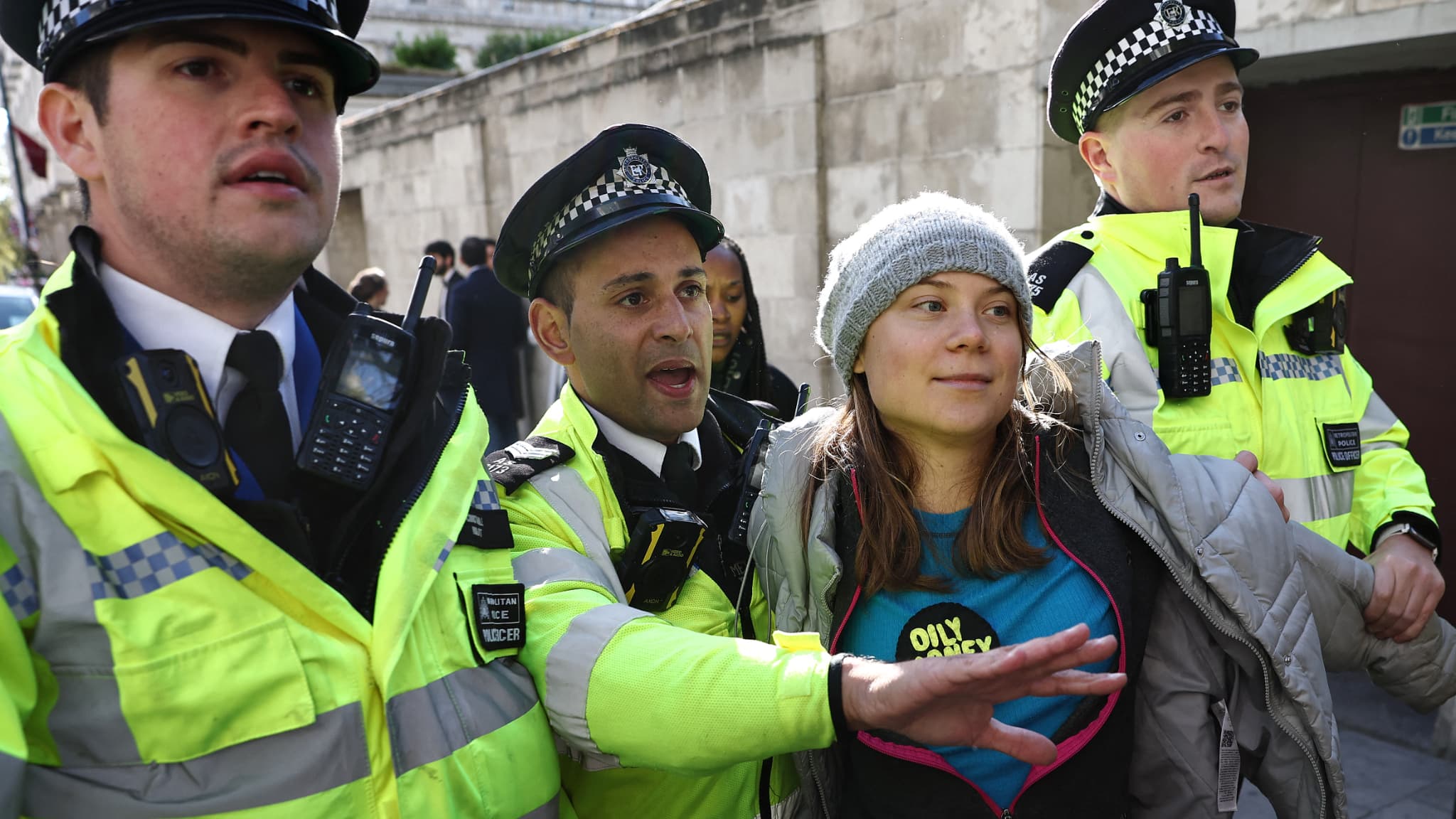
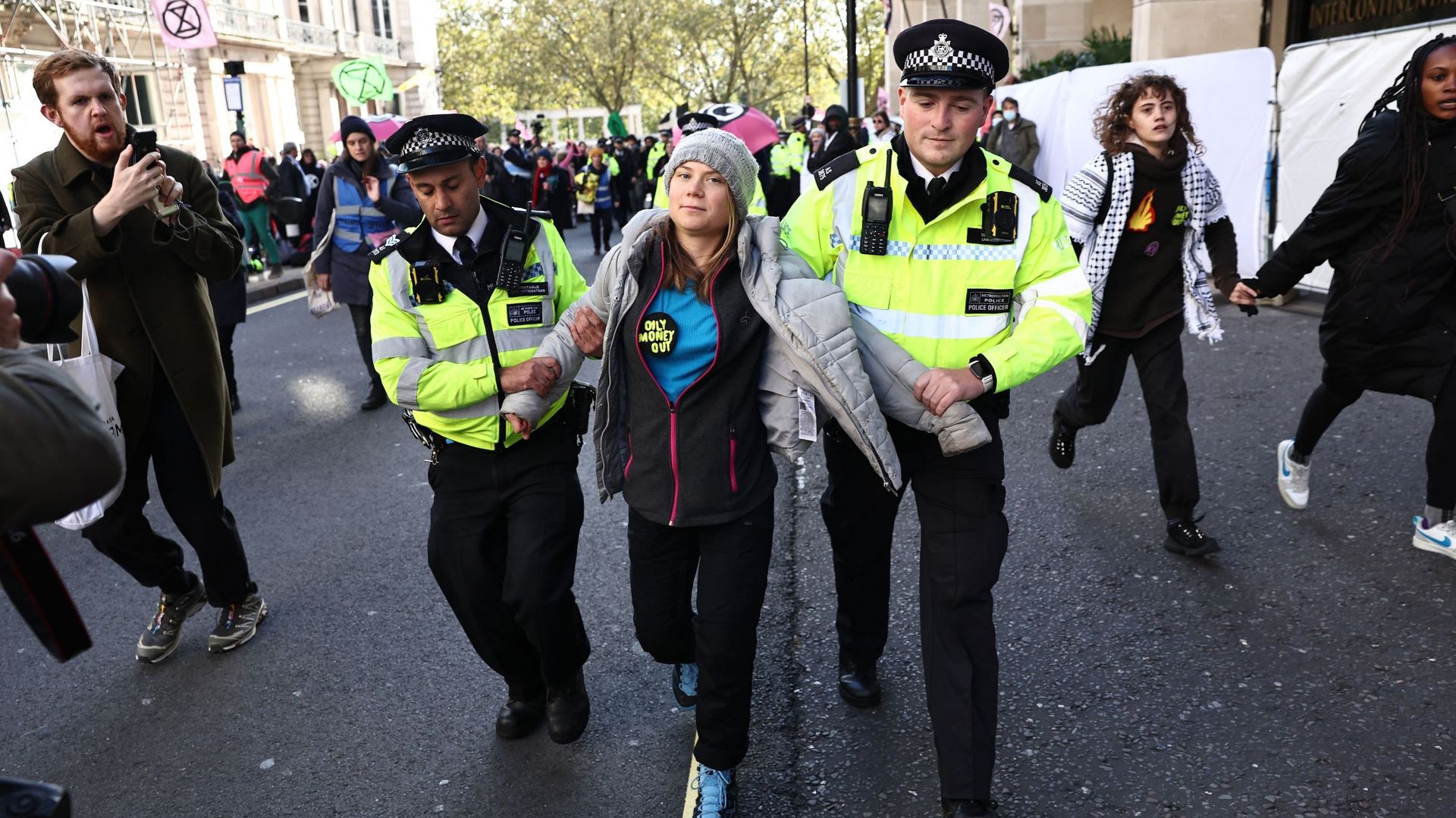
- Arrest and Detention: For more serious offenses, such as vandalism or aggressive behavior, arrest and detention are possible.
It's important to note that ignorance of the law is not a defense. Be aware of your surroundings, follow local regulations, and avoid behavior that could be considered disruptive or offensive.
A Little French Humor: "Faire le Bordel" vs. "Trouble à l'Ordre Public"
There's a French expression, "faire le bordel," which roughly translates to "making a mess" or "creating chaos." It's a more colloquial and often humorous way of describing disruptive behavior. While "trouble à l'ordre public" is a legal term, "faire le bordel" is a more casual way of referring to minor disturbances.
Think of it this way: spilling your wine at a dinner party might be "faire le bordel," while organizing an illegal rave in the Louvre would definitely be "trouble à l'ordre public."
Reflection: "Trouble" in Everyday Life
Ultimately, the concept of "trouble à l'ordre public" extends beyond legal definitions. It's about respect for others, consideration for your surroundings, and a commitment to creating a harmonious community. Whether you're in France or your own backyard, the principles are the same. Being mindful of your actions, being considerate of your neighbors, and respecting the rules of the road (or the sidewalk) can go a long way in creating a more peaceful and enjoyable environment for everyone. It's a reminder that our individual actions have collective consequences, and that even small acts of consideration can contribute to a more positive shared experience. So next time you're tempted to blast your music a little too loud, or park in a questionable spot, remember the concept of "trouble à l'ordre public," and maybe, just maybe, reconsider. Bonne journée!