Okay, quick show of hands: who here still has nightmares about that one TP de Physique-Chimie where everything went wrong? I remember one lab in 1ère where we were supposed to determine the specific heat capacity of... something. Let's just say the calorimeter decided to take an early retirement, flooding the entire table with lukewarm water. Good times! But hey, at least it taught me a thing or two about improvisation. That's kind of what we're talking about today: those infamous TP de Physique-Chimie au Bac. Love 'em or hate 'em, they're a crucial part of getting that diploma.
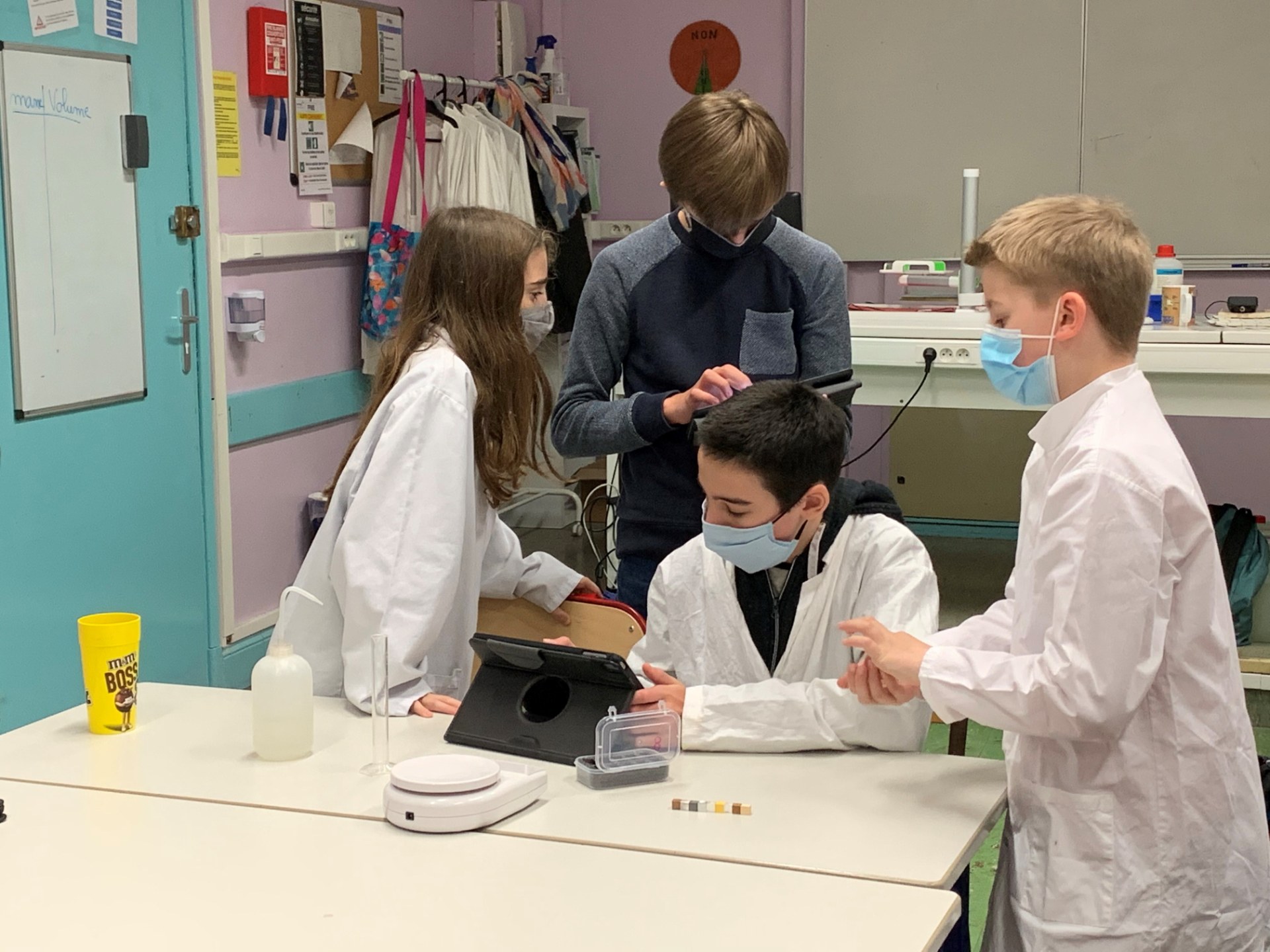
So, what exactly is a TP de Physique-Chimie au Bac? In simple terms, it's a practical exam where you get to show off your experimental skills. Think of it as the ultimate test of whether you actually understood anything you learned in class, or if you were just really good at memorizing formulas (no judgment if it's the latter... we've all been there!). It's a chance to apply those formulas, troubleshoot problems, and ultimately, collect data to prove (or disprove!) a scientific principle. And yes, it counts towards your final grade, so it's kind of a big deal.
Why Are TP's So Important?
You might be thinking, "Okay, okay, I get it. It's an exam. But why does it have to be practical? Can't I just, you know, write an essay about the wonders of thermodynamics?" (Wouldn't that be nice?). Well, there's a good reason they make you actually do things. It's not just about regurgitating information; it's about developing essential skills that are useful way beyond the classroom.
Here's a breakdown of the key skills TPs assess:
- Experimental Design: Can you plan a logical experiment to test a hypothesis? This means choosing the right equipment, setting up the experiment correctly, and controlling variables. (Think of it like being a mini-scientist!).
- Data Collection and Analysis: Are you able to accurately collect data, record it properly, and then analyze it to draw meaningful conclusions? This involves using appropriate measuring techniques, understanding significant figures, and interpreting graphs. (No fudging the numbers, please!).
- Problem-Solving: Let's face it, things rarely go according to plan in a lab. Can you troubleshoot problems, identify sources of error, and adapt your approach accordingly? This is where that improvisation skill I mentioned earlier comes in handy.
- Communication: Can you clearly explain your experimental procedure, results, and conclusions? This involves writing a concise and well-organized report, using appropriate scientific language, and presenting your findings effectively.
- Safety Awareness: Are you aware of potential hazards in the lab and able to follow safety protocols to protect yourself and others? This is super important, folks. Nobody wants an accident in the lab. Always listen to your teacher!
These skills are not only valuable for future scientists and engineers but also for anyone who needs to think critically, solve problems, and communicate effectively. So, even if you're planning to become a professional mime, those TP skills will still come in handy... somehow. (Okay, maybe not directly, but the problem-solving skills definitely will!).
What to Expect on the Big Day
Alright, let's get down to the nitty-gritty. What can you actually expect on the day of your TP exam? While the specific topics will vary depending on your syllabus, here are some general things to keep in mind:
- The Topic: You'll usually be given a specific problem or question to investigate. This could involve verifying a physical law, determining a material property, or studying a chemical reaction. The goal is almost always to experimentally determine a specific quantity or to prove a specific relationship.
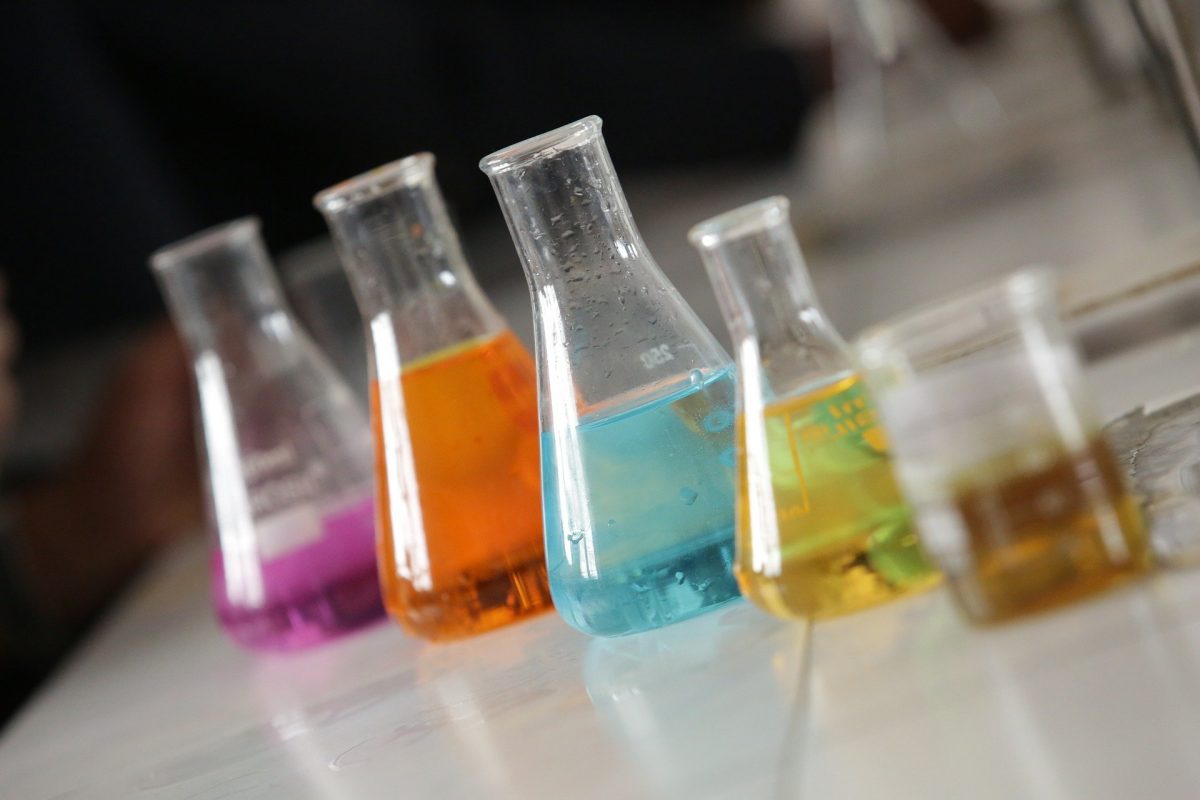
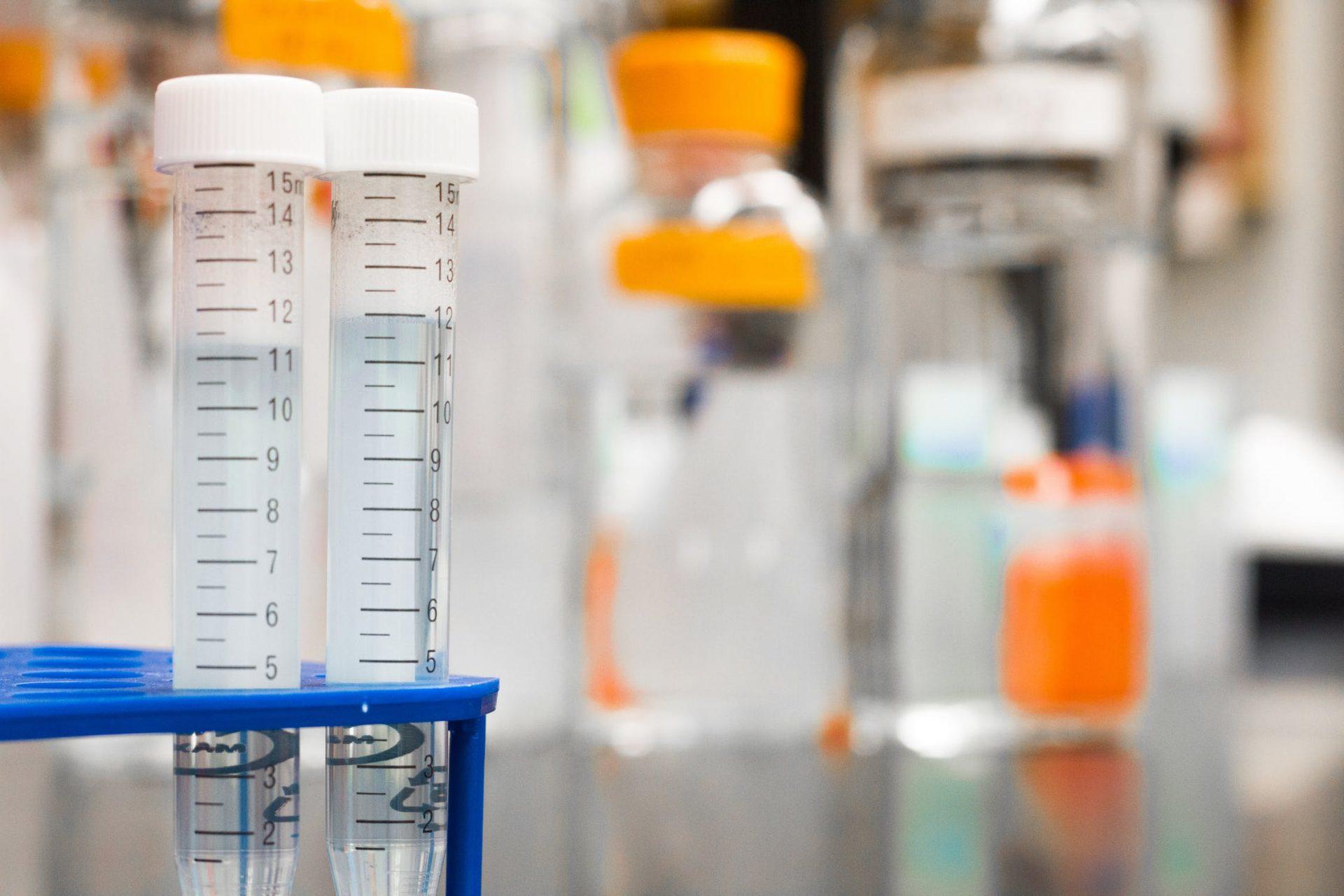
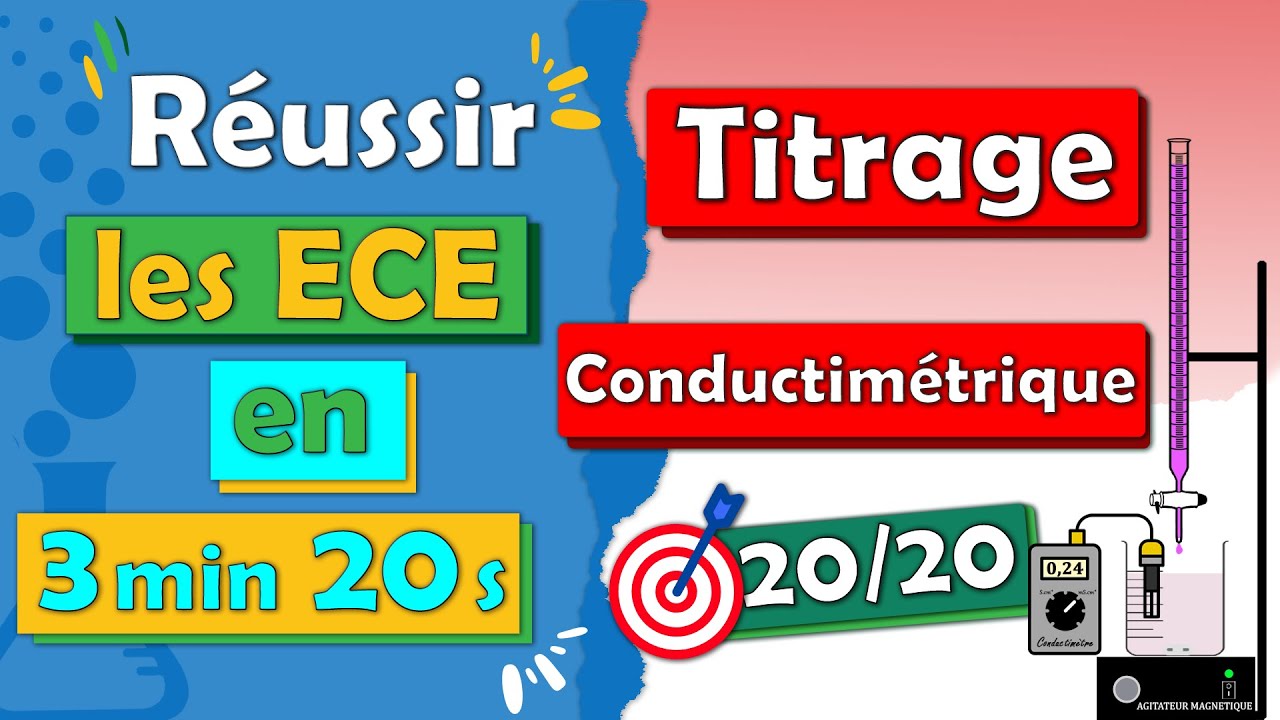
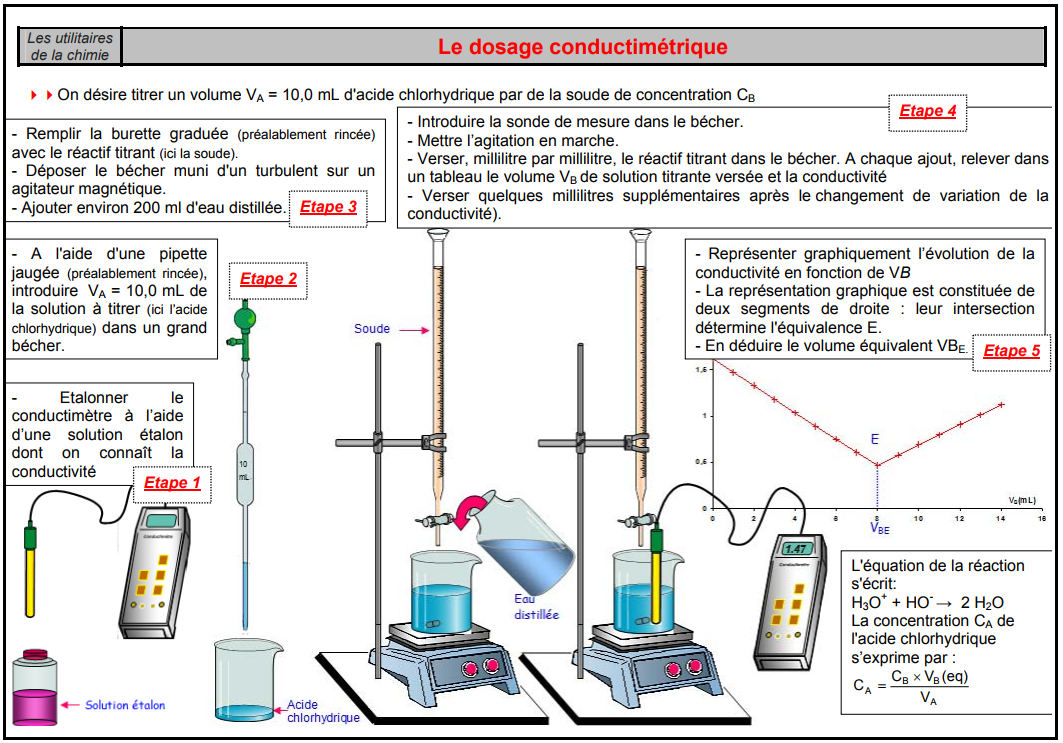
- The Equipment: You'll be provided with all the necessary equipment and materials to conduct the experiment. This could include things like beakers, burettes, voltmeters, ammeters, oscilloscopes, thermometers, and various chemicals. Learn the names of the equipment before the day. Trust me.
- The Procedure: You'll typically be given a detailed procedure to follow, but you'll also be expected to understand the underlying principles and make decisions about how to optimize the experiment. Don't just blindly follow the instructions! Think about why you're doing each step.
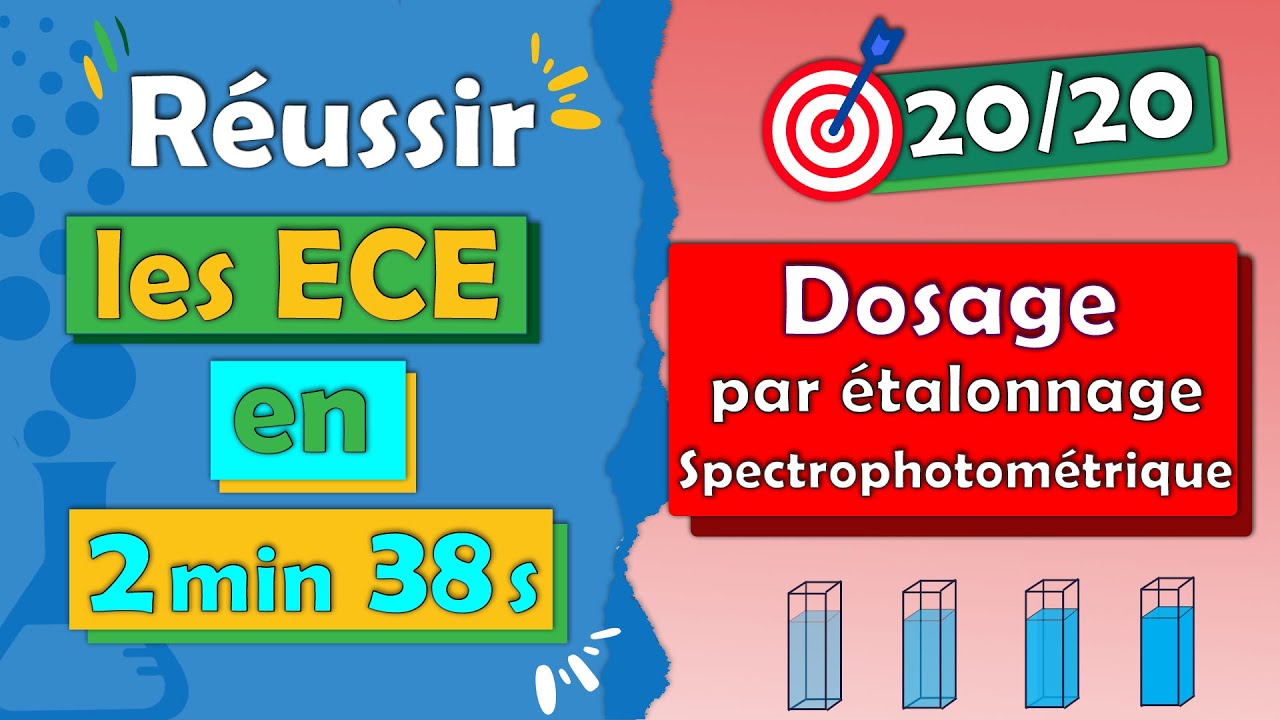
- Data Recording and Analysis: You'll need to carefully record all your data in a clear and organized manner. This usually involves creating tables, graphs, and performing calculations to analyze your results. Don't forget units! A number without a unit is meaningless.
- The Report: You'll need to write a report summarizing your experimental procedure, results, and conclusions. This report should be clear, concise, and well-organized. Include error analysis and discussions of potential sources of error.
Remember, the examiners are not just looking for the "right" answer. They're looking to see if you understand the underlying concepts, can apply them effectively, and can think critically about the experiment. So, don't panic if your results aren't exactly what you expected. Focus on explaining why your results might be different and what you could do to improve the experiment.
Tips and Tricks for Success
Okay, now for the good stuff: how to actually ace those TP exams. Here are some tips and tricks to keep in mind:
- Practice, Practice, Practice: The best way to prepare for TP exams is to practice as many experiments as possible. Familiarize yourself with the equipment, the procedures, and the types of questions you might be asked. Your teacher probably has access to past papers. Use them!
- Understand the Theory: Make sure you have a solid understanding of the theoretical concepts behind the experiment. This will help you to design the experiment effectively, interpret your results, and answer questions from the examiner. Read the textbook. Re-read it. Then read it again!
- Plan Your Time: Time management is crucial during TP exams. Allocate your time wisely to ensure you have enough time to complete all the steps of the experiment and write your report. Don't spend too long on any one step.
- Be Organized: Keep your workspace clean and organized. This will help you to avoid mistakes and stay focused. A clean workspace is a happy workspace.
- Ask Questions: Don't be afraid to ask questions if you're unsure about something. The examiners are there to help you, not to trick you. Asking a clarifying question can save you a lot of time and prevent mistakes.
- Double-Check Your Work: Before submitting your report, double-check all your calculations, data, and conclusions. Even small mistakes can cost you points.
- Stay Calm: TP exams can be stressful, but it's important to stay calm and focused. Take deep breaths, remind yourself that you've prepared for this, and trust your abilities.
- Know Common Errors: Be aware of common sources of error in each experiment. This will help you to identify potential problems and improve the accuracy of your results. For example, parallax error when reading a meniscus.
And finally, don't be afraid to make mistakes! Everyone makes mistakes, especially in the lab. The important thing is to learn from your mistakes and to show that you can think critically about the experiment. The examiners are looking for resilience and problem-solving skills, not perfection. Embrace the chaos! (Okay, maybe not too much chaos... but you get the idea.).
Resources to Help You Prepare
So, you're feeling motivated to conquer those TPs, right? Awesome! Here are some resources that can help you prepare:

- Your Textbook: Obviously. But seriously, pay attention to the example problems and the explanations of the underlying concepts.
- Your Teacher: Ask them questions! They're a wealth of knowledge and can provide valuable guidance. That's what they're there for!
- Online Resources: There are tons of websites and YouTube channels that offer helpful tutorials and explanations of Physics-Chimie concepts. Search for videos of similar TP experiments being performed.
- Past Papers: Practice, practice, practice! Work through as many past papers as you can to get a feel for the types of questions you might be asked.
- Study Groups: Study with your classmates! Working together can help you to understand the material better and to identify any areas where you need extra help. (Plus, misery loves company... just kidding!).
Alright, that's it for now. Hopefully, this article has given you a better understanding of TP de Physique-Chimie au Bac and how to prepare for them. Remember, with a little preparation and a positive attitude, you can conquer those TPs and get one step closer to that diploma. Good luck, and may the odds be ever in your favor!
(Side note: Seriously though, be careful with the calorimeters.)

![Comment réussir son TP ? [Physique-Chimie] - Sherpas](https://adymrxvmro.cloudimg.io/v7/sherpas.com/content/uploads/2021/10/alex-kondratiev-H9t723yPjYI-unsplash-1-e1616780691333.jpg?func=crop&w=820&h=546)




![Comment réussir son TP ? [Physique-Chimie] - Sherpas](https://sherpas.com/blog/content/uploads/2021/10/pexels-mart-production-7230917-scaled.jpg)