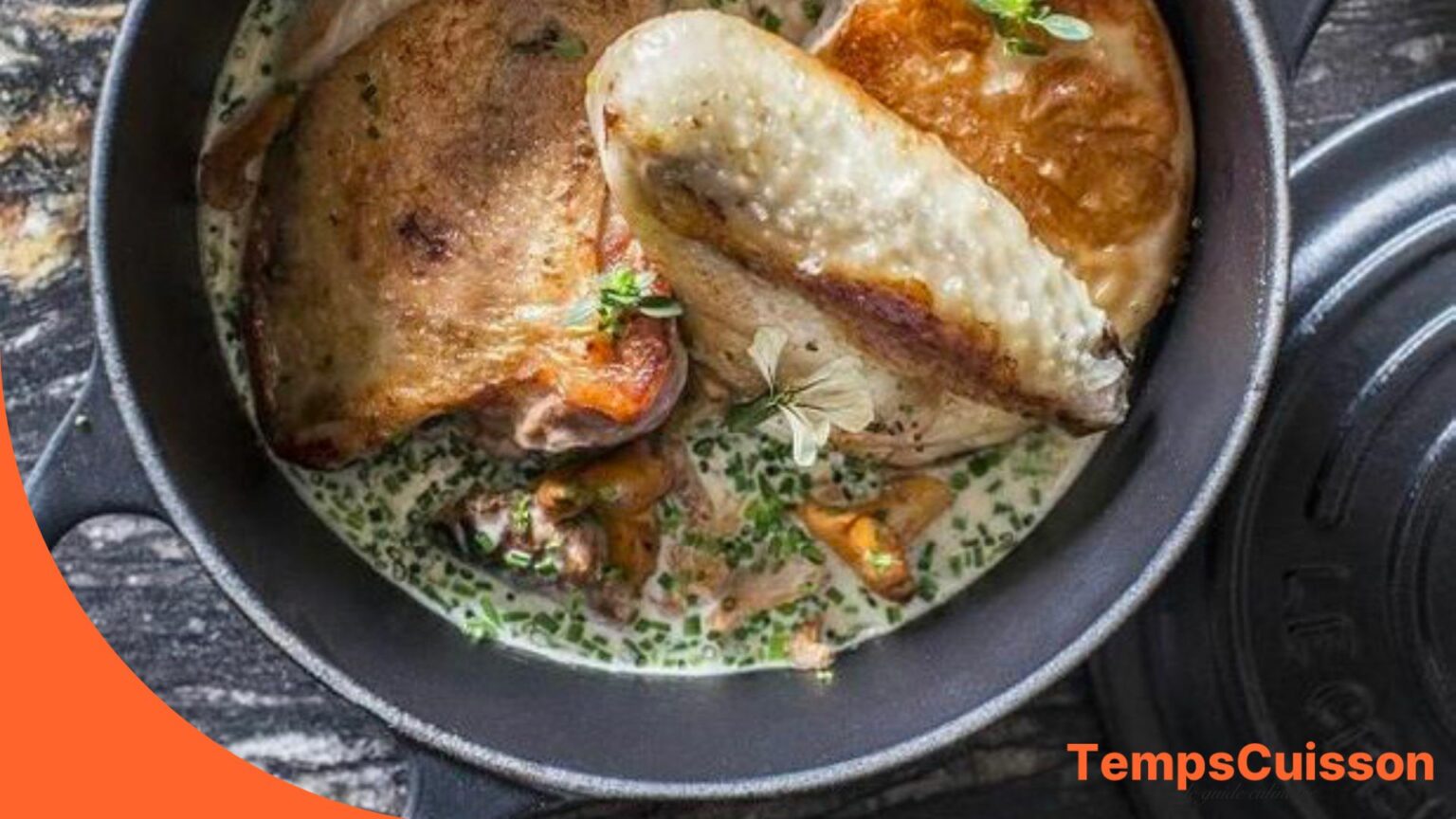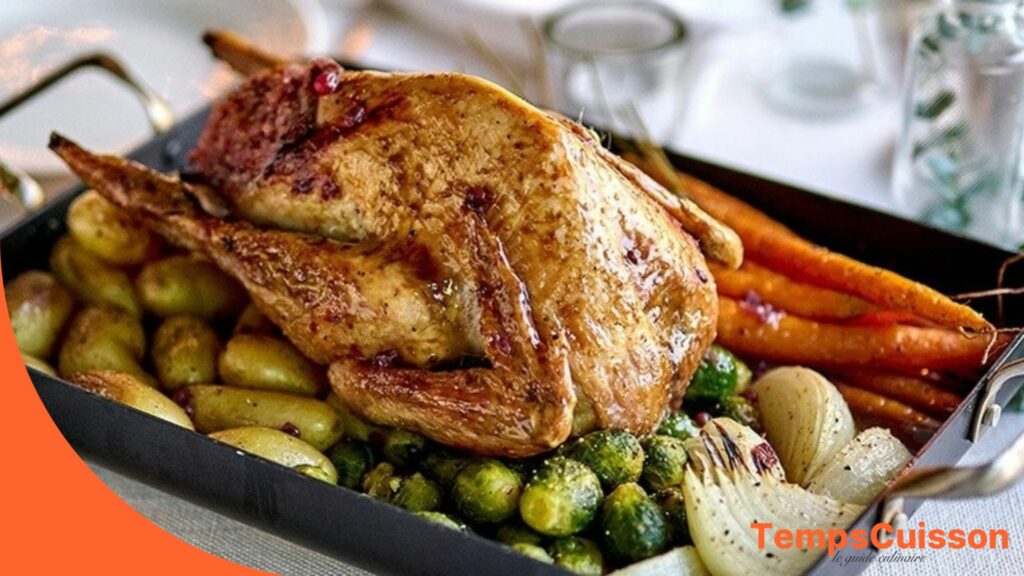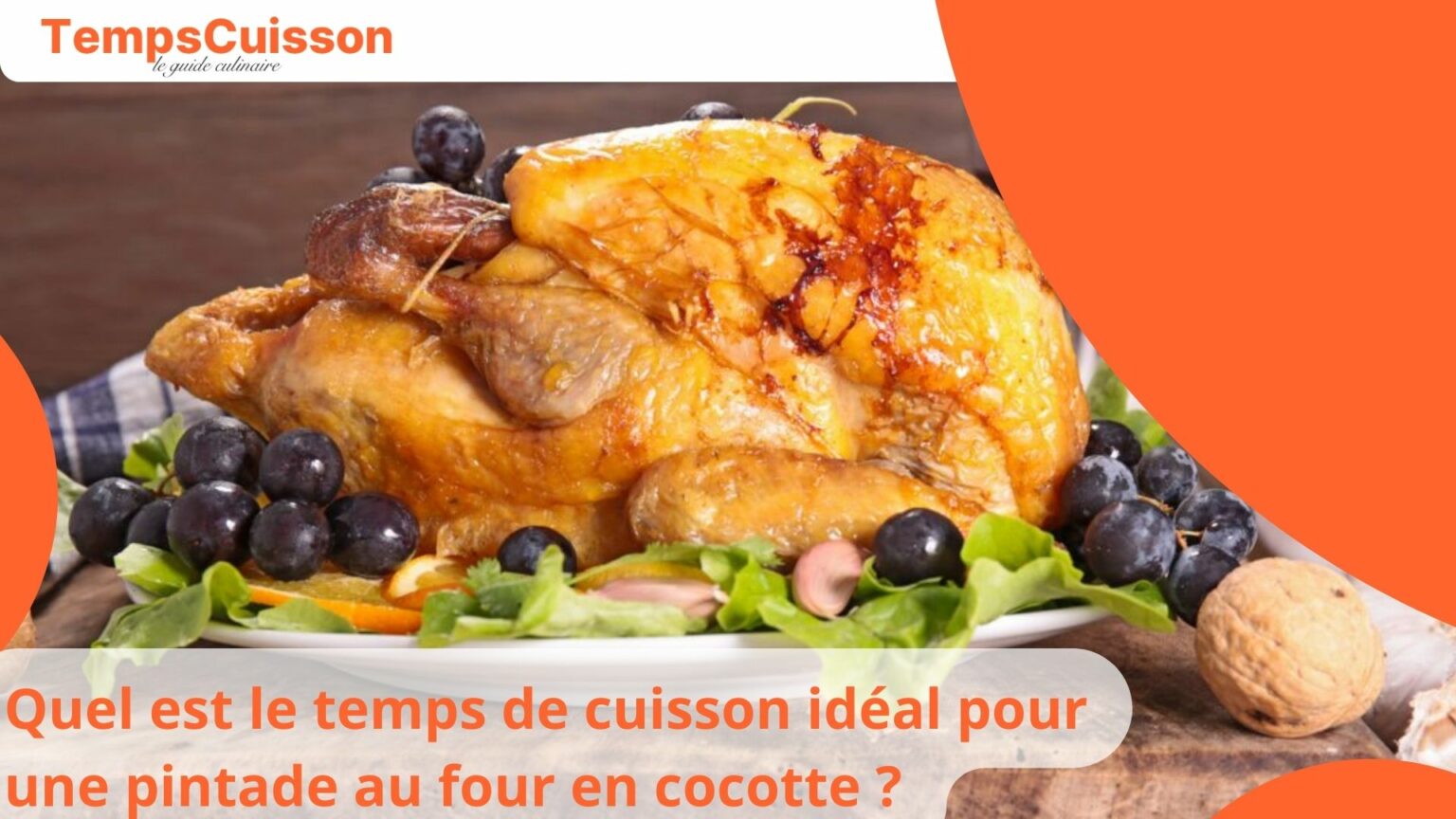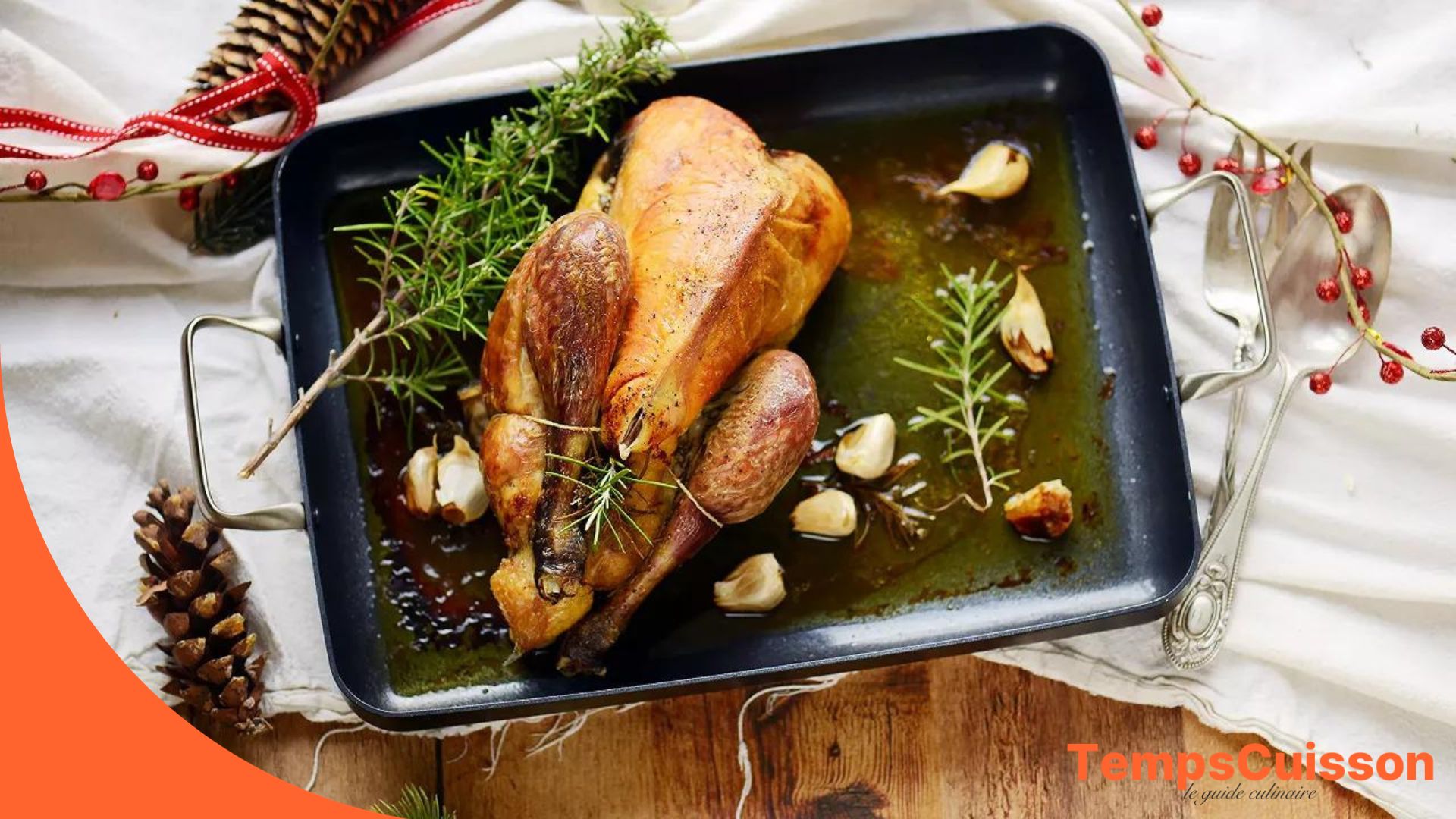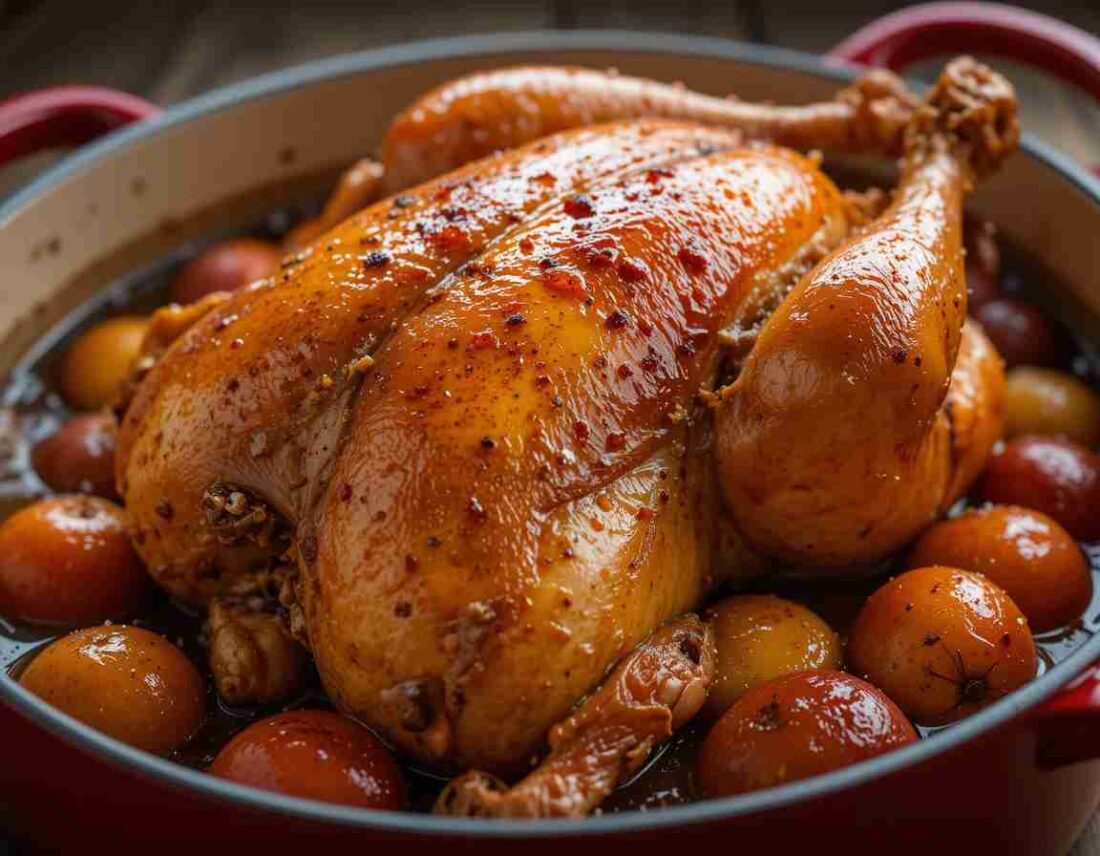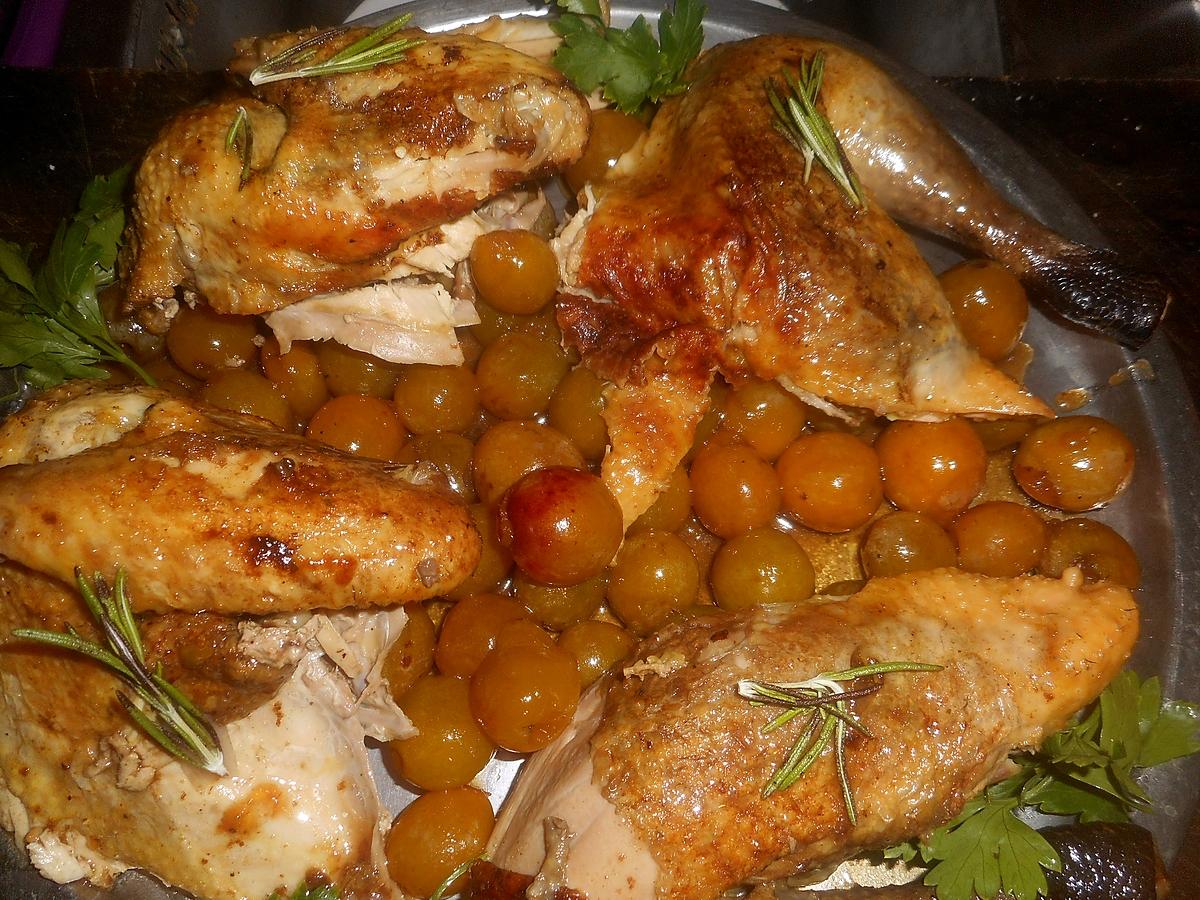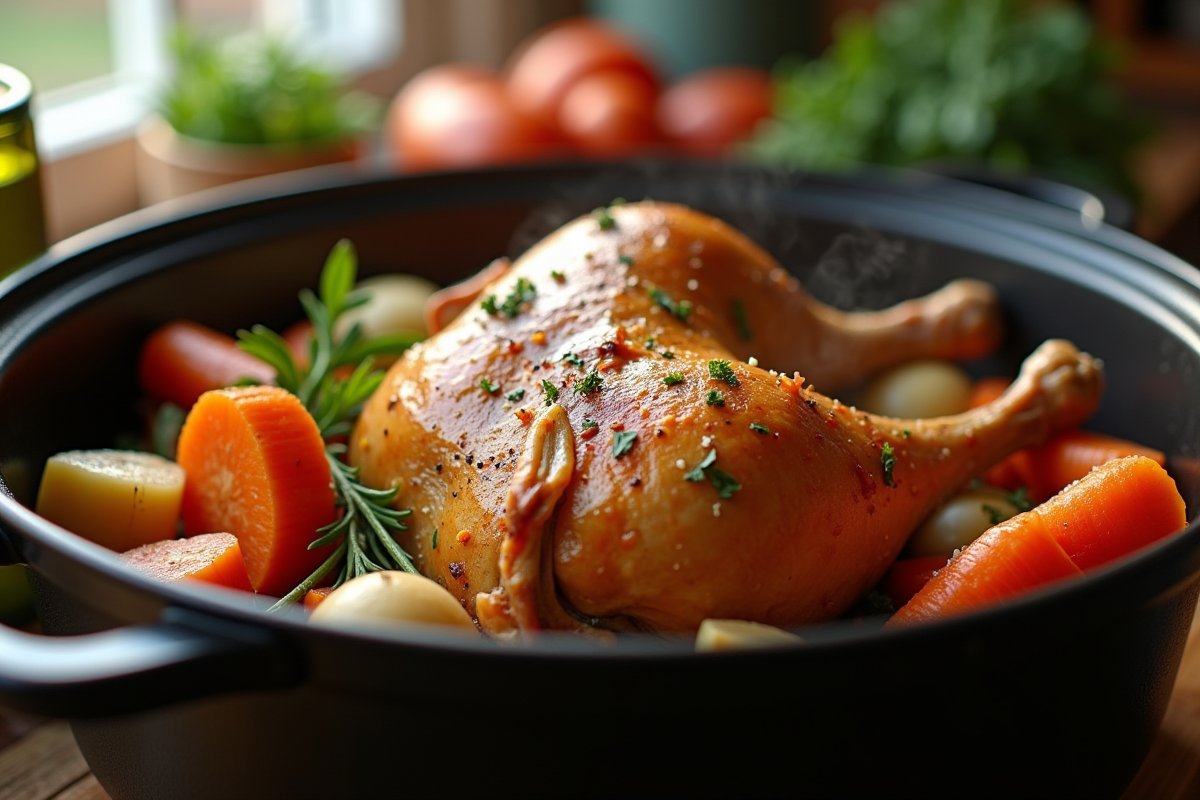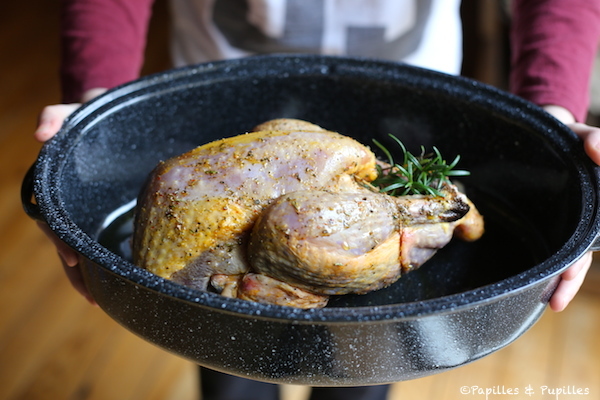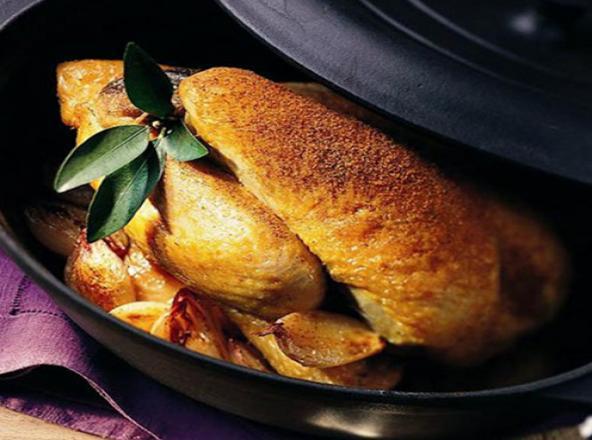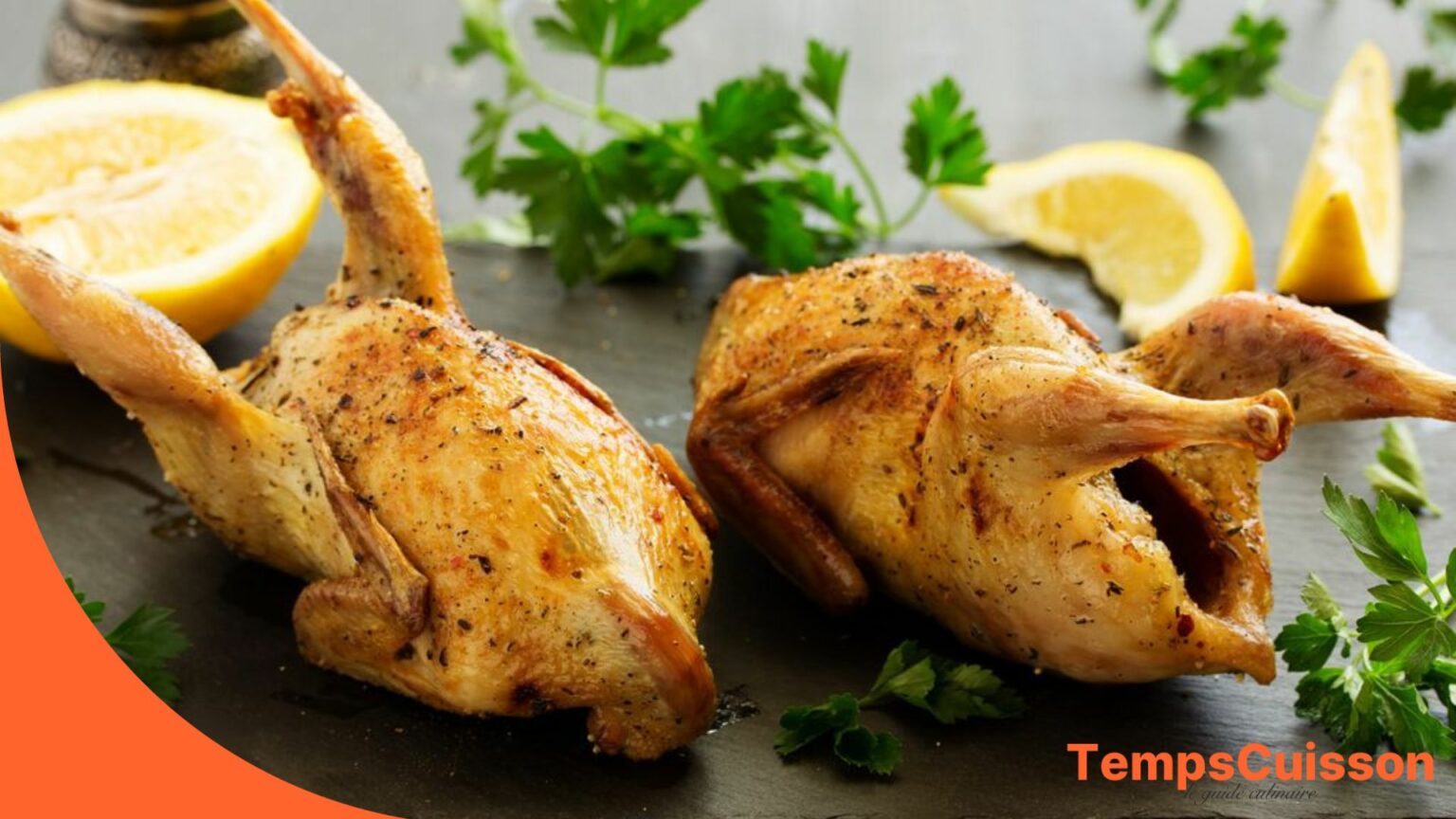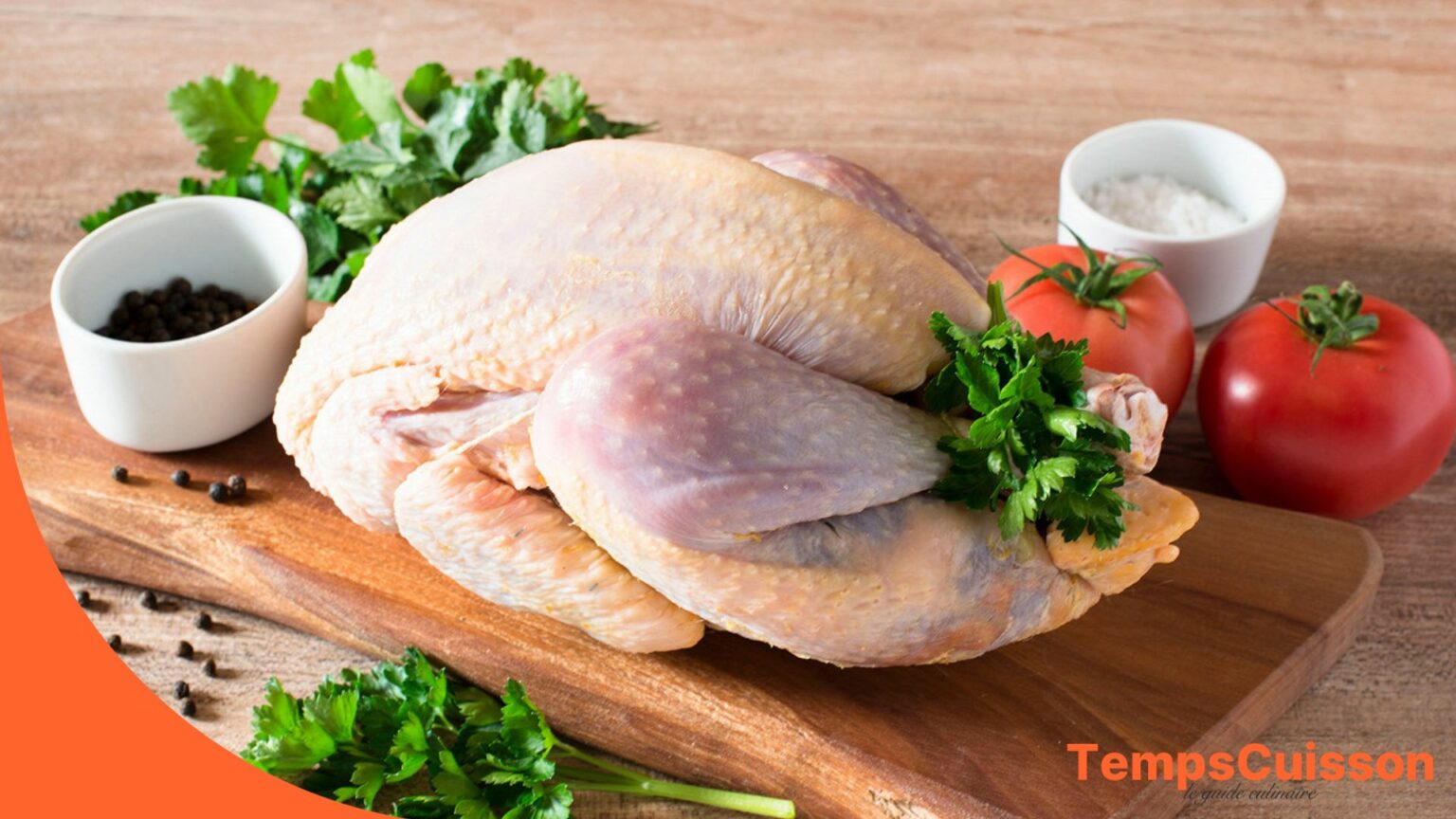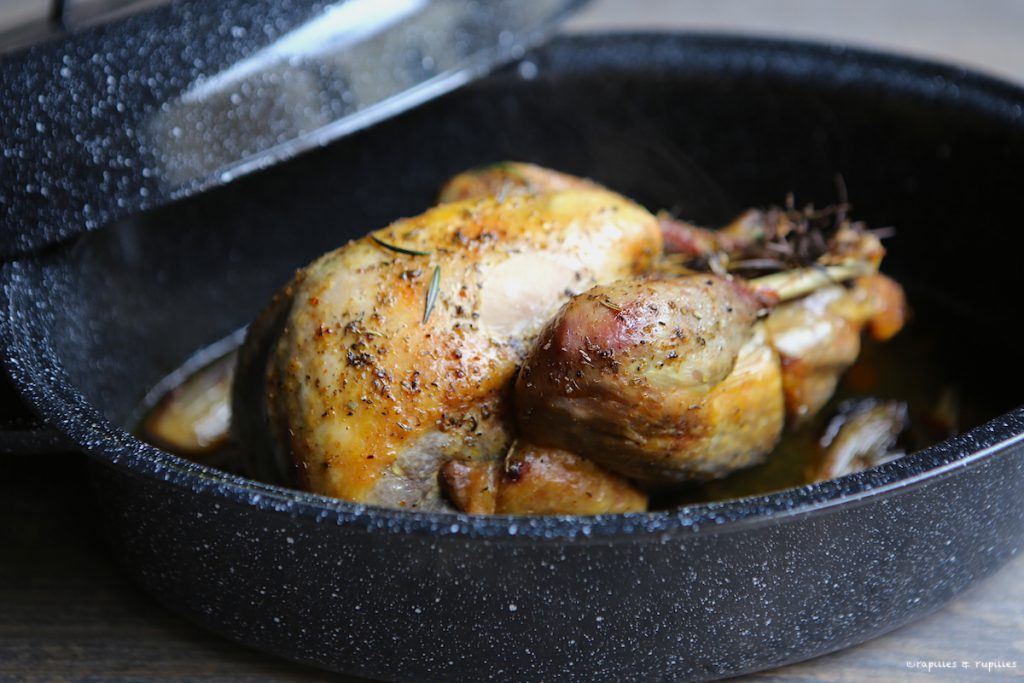
Ah, la pintade! This humble yet sophisticated bird often gets overlooked in favor of its more flamboyant cousins, the chicken and the turkey. But don't let its quiet demeanor fool you. La pintade, also known as guinea fowl, is a flavour bomb waiting to explode, especially when cooked in a cocotte (Dutch oven). Today, we're diving into the delightful world of roasting guinea fowl in a cocotte, demystifying the process and ensuring a tender, succulent result every time. Get ready to impress your guests (and yourself!) with this classic French comfort food.
Pourquoi la Cocotte? (Why the Dutch Oven?)
Before we get to the nitty-gritty of cooking times, let's quickly touch upon why the cocotte is our weapon of choice. Think of it as the VIP pass to a perfectly cooked bird. The heavy lid and thick walls of the cocotte create a self-basting environment, trapping moisture and ensuring that the guinea fowl remains incredibly juicy. This is particularly important with guinea fowl, as it can sometimes tend to dryness.
Temps de Cuisson: The Crucial Numbers
Alright, let's get down to brass tacks. The temps de cuisson (cooking time) for your guinea fowl will depend on a few factors:
- Size of the bird: Obviously, a larger guinea fowl will require a longer cooking time.
- Oven temperature: We'll be aiming for a moderate oven temperature, typically around 180°C (350°F).
- Whether it's stuffed or unstuffed: A stuffed guinea fowl will take longer as the stuffing needs to heat through properly.
As a general rule of thumb, you can expect to cook your guinea fowl for around 20-25 minutes per 500g (1 lb). However, the best way to ensure it's cooked to perfection is to use a meat thermometer. Insert it into the thickest part of the thigh, avoiding the bone. You're looking for an internal temperature of around 75°C (165°F).
Préparation: Setting the Stage for Success
Before popping your guinea fowl into the cocotte, a little preparation goes a long way. Here’s a simple yet elegant approach:

- Pat it dry: This helps the skin to crisp up nicely.
- Season generously: Don't be shy with salt, pepper, and your favourite herbs. Thyme, rosemary, and sage are classic choices.
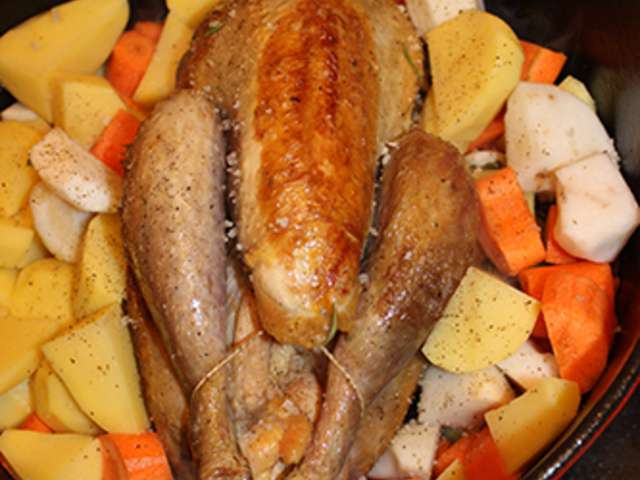
- Add aromatics: Quarter an onion, some carrots, and celery and place them in the bottom of the cocotte. This will add depth of flavour and create a delicious base for your gravy.
- Fat is your friend: Drizzle the guinea fowl with olive oil or butter. You could even slip some butter under the skin of the breast for extra moisture.
- A splash of something special: Deglaze the bottom of the cocotte with a splash of white wine or chicken broth. This will create a flavorful steam that keeps the bird moist.
Pendant la Cuisson: Monitoring the Magic
Once the guinea fowl is in the oven, resist the urge to constantly open the door and peek! Every time you open the oven, you lose heat and prolong the cooking time. Let the cocotte do its thing. However, after about an hour, it's a good idea to check the bird and baste it with the pan juices. This will ensure that the skin stays moist and golden brown. If the skin starts to brown too quickly, you can loosely tent the guinea fowl with foil.
Après la Cuisson: Le Repos (The Rest)
Once the guinea fowl is cooked, le repos (the rest) is absolutely crucial. Remove it from the cocotte and let it rest on a cutting board for at least 15-20 minutes, loosely covered with foil. This allows the juices to redistribute throughout the meat, resulting in a more tender and flavourful bird. Use this resting time to prepare your gravy or side dishes.

Un peu de Culture (A Touch of Culture)
Did you know that guinea fowl were highly prized by the ancient Greeks and Romans? They were considered a delicacy and were often served at lavish banquets. The French, as always, embraced the guinea fowl with open arms and have elevated it to a staple of French cuisine. Think of it as the stylish, slightly more adventurous cousin of the humble chicken.
La Vie Quotidienne (Daily Life)
Cooking a guinea fowl in a cocotte might seem like a special occasion meal, but it's surprisingly easy to incorporate into your daily life. It’s a comforting and wholesome dish that can bring a touch of French elegance to your table any day of the week. Plus, the leftovers are fantastic in sandwiches, salads, or even a guinea fowl pot pie. So, embrace the pintade, dust off your cocotte, and enjoy the simple pleasures of a delicious homemade meal. Because sometimes, the best things in life are the ones that take a little extra time and care.