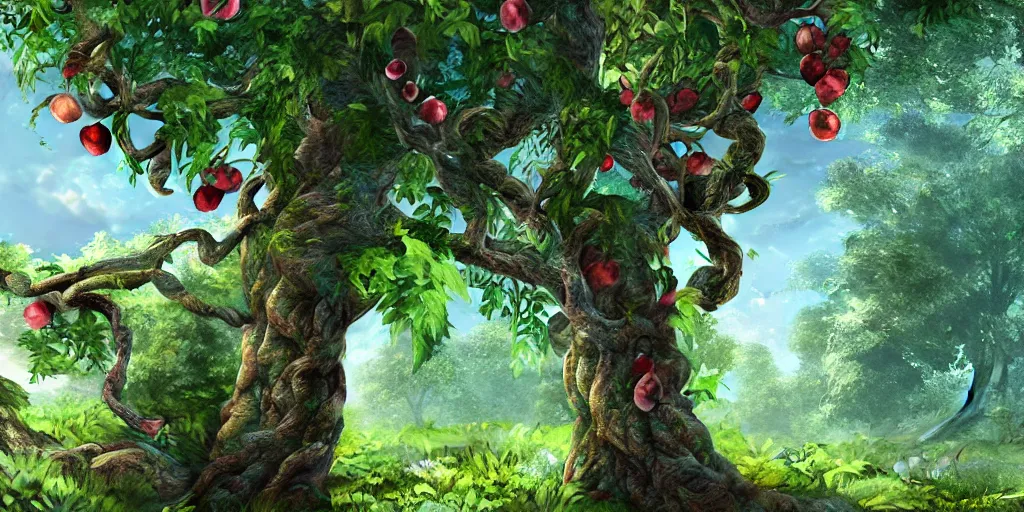
Okay, picture this: me, age 10, staring intensely at a "Do Not Enter" sign attached to a rickety wooden gate. Behind it? My neighbor's glorious, overflowing apple tree. Said neighbor, Mrs. Higgins, had the reputation of a grumpy dragon protecting her hoard. (She probably just wanted to keep the neighborhood kids from stripping her tree bare, but hey, drama is drama!). Anyway, those apples looked amazing. Shinier, redder, and juicier than anything I'd ever seen at the grocery store. Naturally, I had to have one.
So, with the stealth of a ninja (a slightly clumsy, apple-obsessed ninja), I scaled the fence when Mrs. Higgins was inside. And that apple? Oh. My. Goodness. It was... surprisingly tart. Like, mouth-puckeringly tart. But also incredibly flavorful. It was a complex apple, you know? Not just sweet, boring apple. It was an experience. And the satisfaction? Unmatched. Even though, let's be honest, I probably could have bought a perfectly good (and probably sweeter) apple at the store. But that's not the point, is it? Wink wink
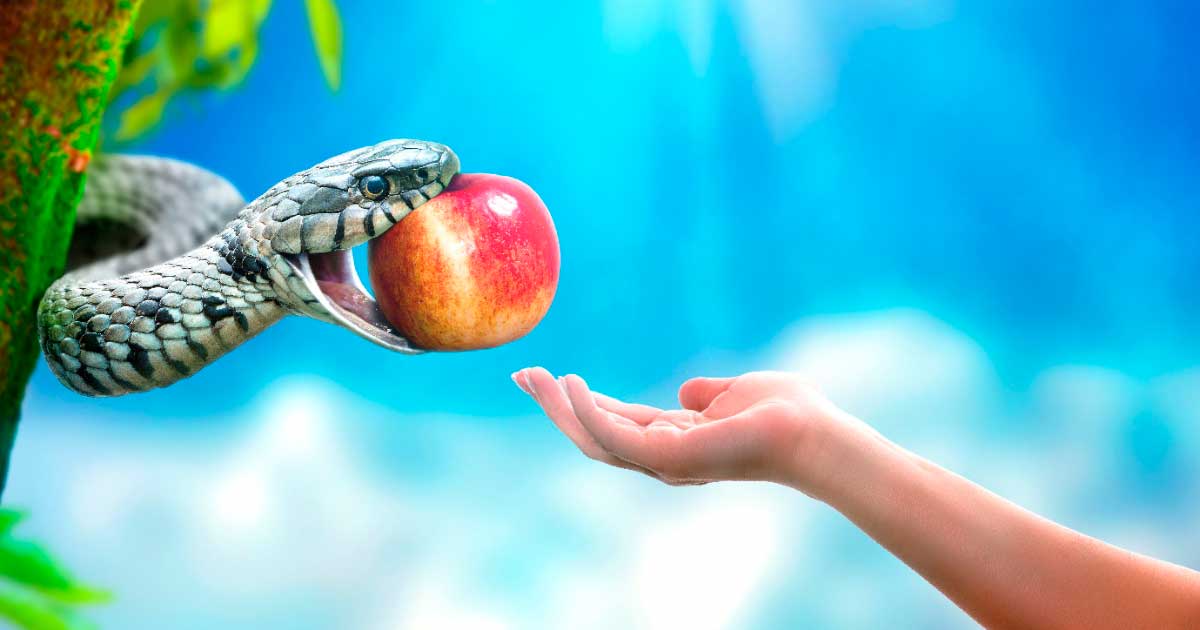
This whole ridiculous apple escapade got me thinking about the irresistible allure of the forbidden. It's a tale as old as time, right? Adam and Eve, Pandora's Box, that one dessert you're trying to avoid when you're on a diet... Why are we all so drawn to what we can't have?
The Psychology of "Hands Off!"
It turns out there are some pretty compelling psychological reasons why forbidden things seem so darn appealing. Ready for a little brain-dump?
- Reactance Theory: This basically says that when we feel like our freedom is being restricted, we react against that restriction. We want to do the opposite of what we're told, just to prove we can. It's like a teenage rebellion built into our DNA. Think about it: "Don't touch that!" suddenly makes you want to touch it even more, doesn't it? You know it does!
- Scarcity Principle: This one is pretty simple. Things that are rare or difficult to obtain are perceived as more valuable. That limited-edition handbag? Those concert tickets that sold out in five minutes? They're desirable precisely because not everyone can have them. The forbidden is, by definition, scarce.
- Curiosity: Humans are naturally curious creatures. We want to explore, to understand, to know. When something is forbidden, it creates a mystery. What's so special about it? What are we missing out on? Our brains are wired to seek answers, and forbidden things provide a particularly tempting puzzle.
Basically, being told "no" triggers a whole cascade of psychological responses that make us crave the forbidden thing even more. It's a perfect storm of defiance, scarcity, and curiosity. Pretty clever, Mother Nature.

The Forbidden Fruit in Everyday Life
Okay, so we've established that the forbidden is tempting. But how does this actually play out in our everyday lives? Turns out, the "taste of the forbidden fruit" is everywhere, if you know where to look.
- Dating: Think about that person your friends warned you about. The one with the "bad boy" or "bad girl" reputation. There's something inherently alluring about someone who's a little bit dangerous, a little bit off-limits. Maybe it's the thrill of the chase, or maybe it's the belief that you can be the one to "tame" them. Whatever it is, forbidden love is a classic trope for a reason. (Although, maybe listen to your friends a little bit. Just saying!)
- Work: Ever been tempted to browse social media when you should be working? Or maybe sneak a peek at a confidential document? Those are all mini-examples of the forbidden fruit at play in the workplace. The temptation arises from the desire for immediate gratification (scrolling through Instagram) or the allure of insider knowledge (reading that top-secret memo).
- Consumption: We're constantly bombarded with advertising that plays on our desire for the forbidden. "Limited time only!" "Exclusive offer!" These are all designed to create a sense of scarcity and urgency, making us more likely to buy something. Even things like "adults only" products rely on the allure of the forbidden to drive sales.
- Personal Habits: That extra slice of cake when you're trying to eat healthy? That cigarette you promised you wouldn't smoke? These are all personal battles against the forbidden. We know these things aren't good for us, but the temptation to indulge can be incredibly strong.
It's kind of funny when you think about it, isn't it? We're constantly surrounded by things we're told we shouldn't do, and our brains are practically programmed to want to do them anyway.
The Ethical Implications
Now, let's get a little bit serious for a moment. The allure of the forbidden can also have some pretty serious ethical implications. Think about things like illegal drugs, forbidden books, or restricted areas. Sometimes, things are forbidden for a good reason. It's important to consider the potential consequences before succumbing to temptation.

Is that juicy gossip really worth spreading if it could hurt someone? Is that shortcut you're taking really worth it if it means bending the rules? Sometimes, the "taste of the forbidden fruit" can leave a pretty bitter aftertaste. So, thinking about the bigger picture is important.
Finding Balance: Embracing Curiosity, Respecting Boundaries
So, what's the takeaway here? Are we doomed to be slaves to our forbidden desires? Not necessarily! There's a way to navigate the world of "don't touch that!" without going completely rogue. A balancing act. It's about finding a balance between embracing our natural curiosity and respecting reasonable boundaries.
Here are a few tips to consider:
- Understand Your Triggers: What kinds of things tend to tempt you the most? Once you know your triggers, you can develop strategies to manage them. For example, if you know you're tempted to browse social media at work, try using a website blocker.
- Question the "Why": Before indulging in something forbidden, take a moment to ask yourself why it's forbidden in the first place. Is it a legitimate restriction, or is it arbitrary? Sometimes, understanding the reason behind a rule can make it easier to follow.
- Find Healthy Alternatives: If you're craving something forbidden, try to find a healthy alternative. For example, if you're trying to avoid sugary snacks, try eating some fruit or yogurt instead.
- Practice Self-Control: This one is easier said than done, but it's essential. The more you practice self-control, the better you'll become at resisting temptation. Think of it as building a muscle. You wouldn’t lift 200 pounds on your first day at the gym, right?
- Learn from Mistakes: We all slip up sometimes. Don't beat yourself up over it. Instead, use it as an opportunity to learn and grow. What triggered the slip-up? What could you have done differently?
Ultimately, the "taste of the forbidden fruit" is a complex and multifaceted phenomenon. It's a reflection of our innate curiosity, our desire for freedom, and our tendency to value what's scarce. By understanding the psychology behind it, we can better navigate the world of temptation and make informed decisions about when to indulge and when to resist. And sometimes, breaking a little rule isn’t so bad. 😉
Now, if you'll excuse me, I'm suddenly craving an apple… maybe I’ll just buy one from the store this time. Or maybe not. Evil laugh





![Taste of the forbidden fruit. [Artist Original] : r/wholesomeyuri](https://preview.redd.it/9izz3xrpmrs91.jpg?width=1080&crop=smart&auto=webp&s=62af367c3b14c60ddde70aeb20852cfb90f45e7a)