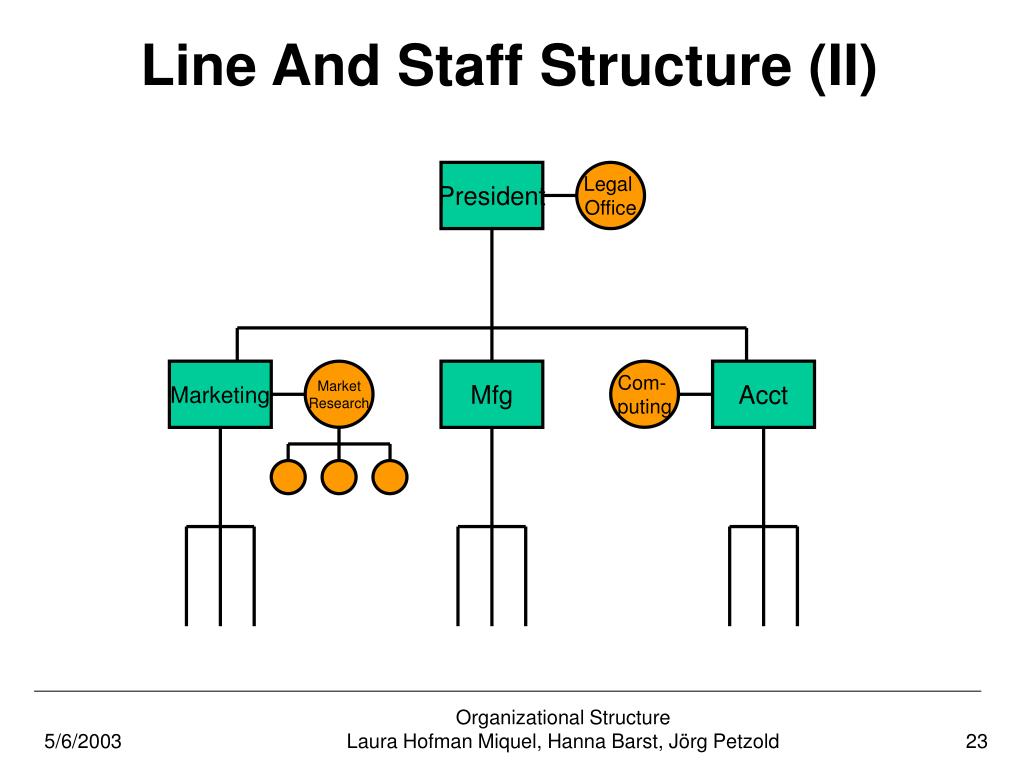
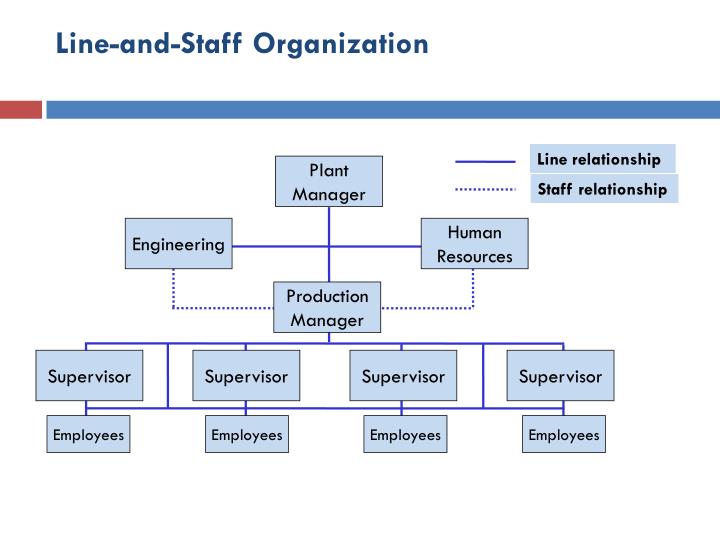
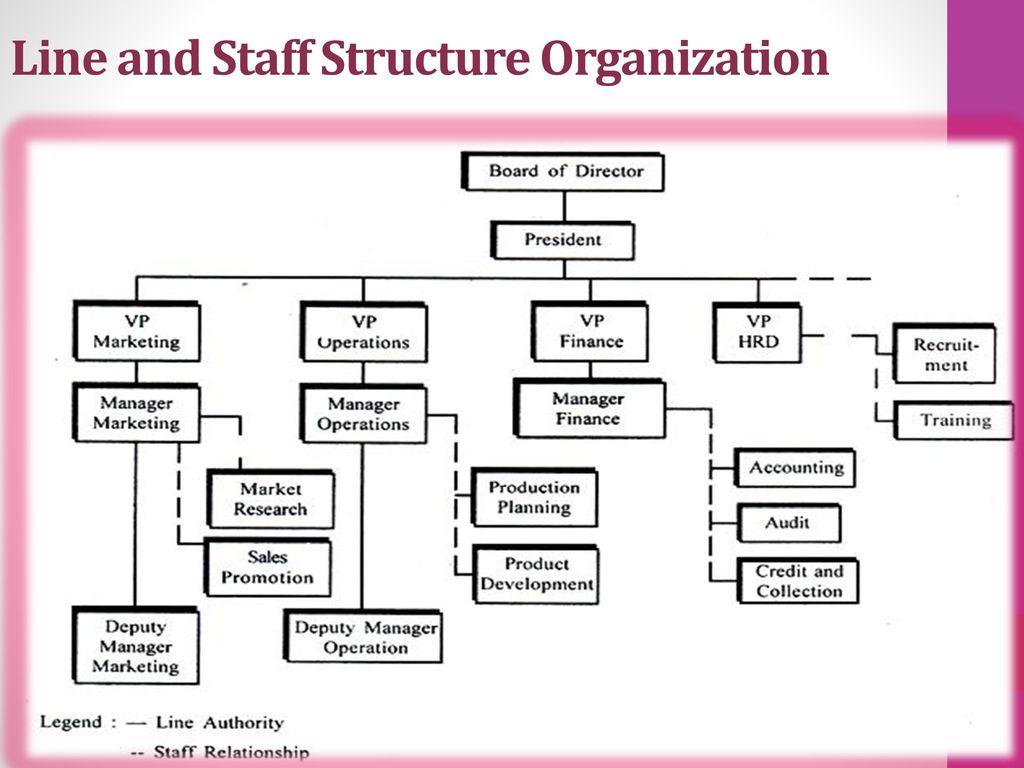
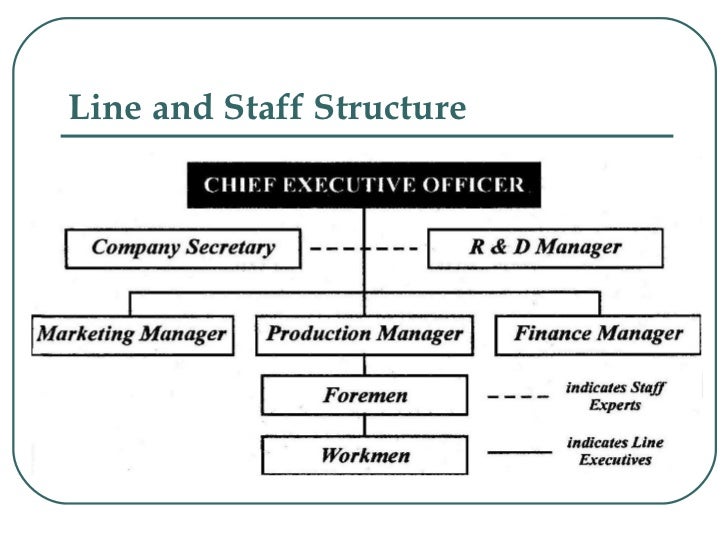
Okay, imagine this: I’m volunteering at a local festival, trying to direct traffic (a task for which I am profoundly unqualified, by the way). There’s this super flustered guy in a bright orange vest yelling at people to move their cars. He’s clearly stressed. Then there's this calm lady with a clipboard, quietly pointing people to parking spots, offering water, and generally de-escalating the chaos. The guy yelling? He’s pure line. The calm lady? She's staff, providing support and expertise. See the difference? That, my friends, is the essence of staff and line structure in a nutshell! It all boils down to who has the authority to give direct orders, and who is there to advise and support. But let's dive a little deeper, shall we?
The Core Concept: Line vs. Staff
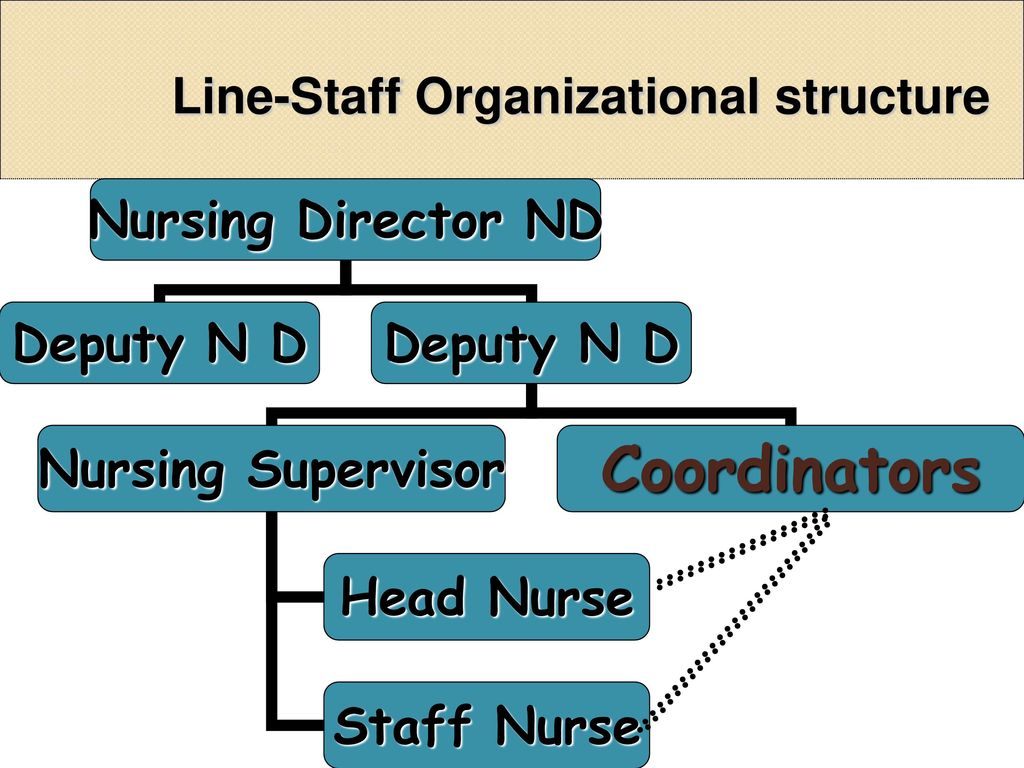
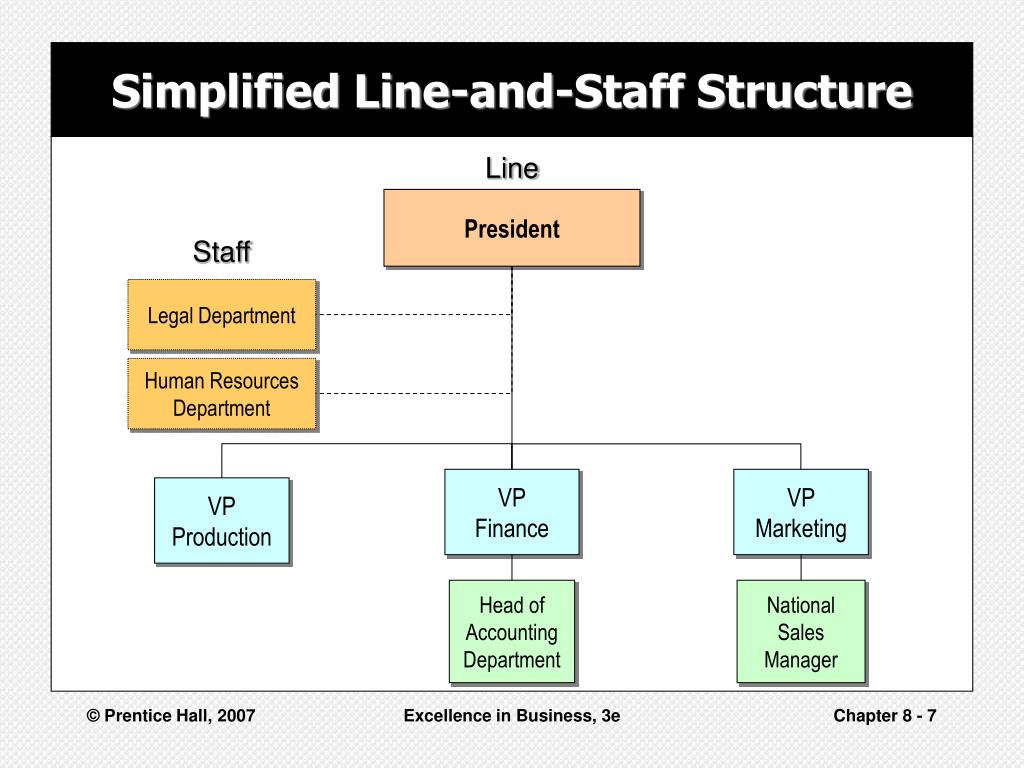
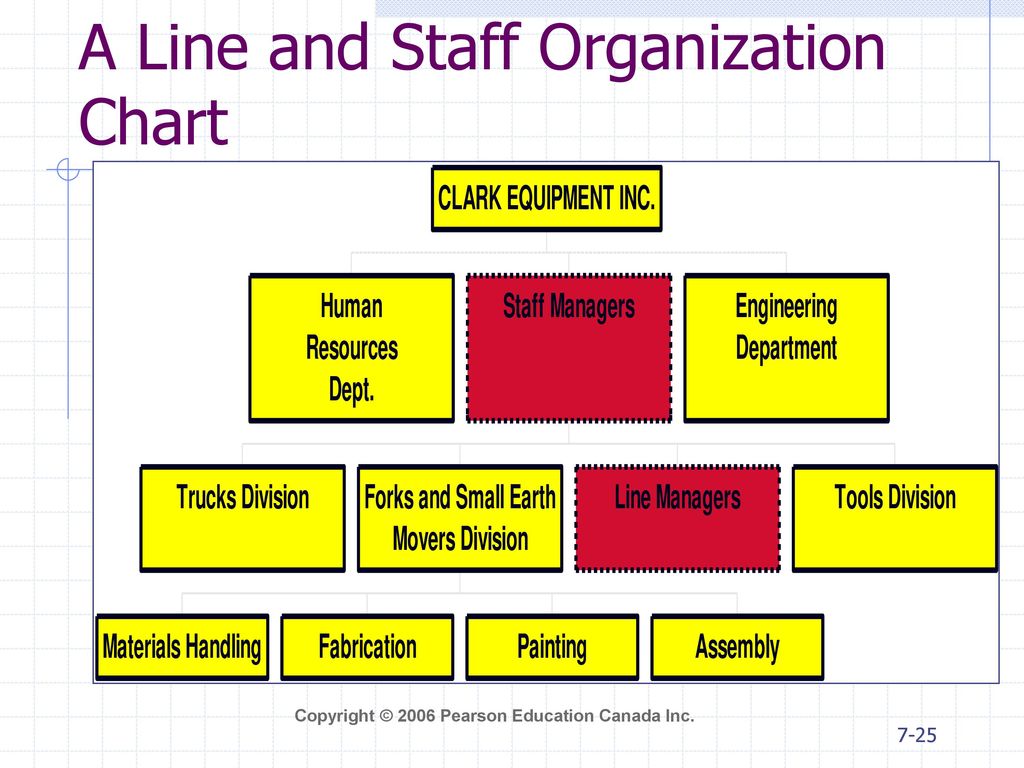
At the most basic level, the line and staff structure separates the roles within an organization based on their authority and responsibility. Think of it like this: line positions are the soldiers on the front lines of a battle, directly engaged in the core activities of the business. Staff positions are the support team, providing intelligence, logistics, and medical care. You get the picture!
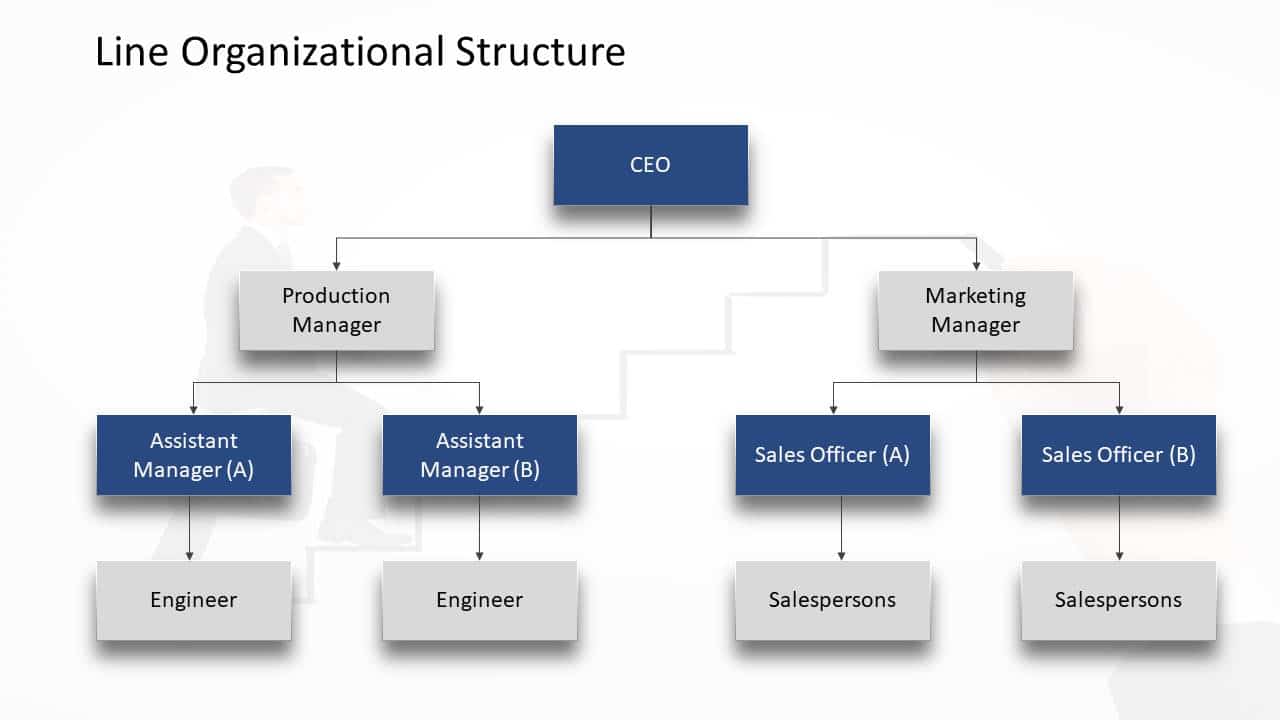
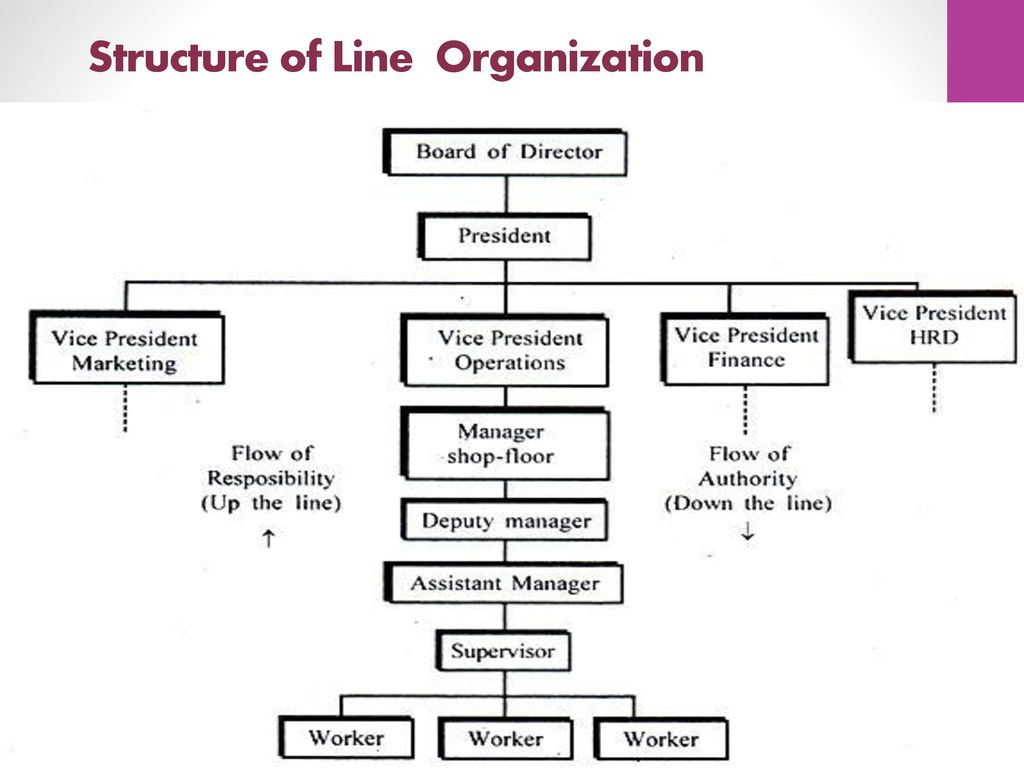
Line Authority: The Chain of Command
Line authority is all about direct command. It flows vertically down the organizational hierarchy. People in line positions are responsible for making decisions and giving orders that directly contribute to the company's bottom line. They're the ones who are directly involved in producing goods or services, or selling them. If you're dealing directly with a customer or making the product, you're probably in a line role.
Here are some typical characteristics of line authority:
- Direct responsibility for achieving organizational goals.
- Decision-making power related to core operations.
- Authority to give orders to subordinates.
- Accountability for results. (Big one, right?)
Examples of line positions include:
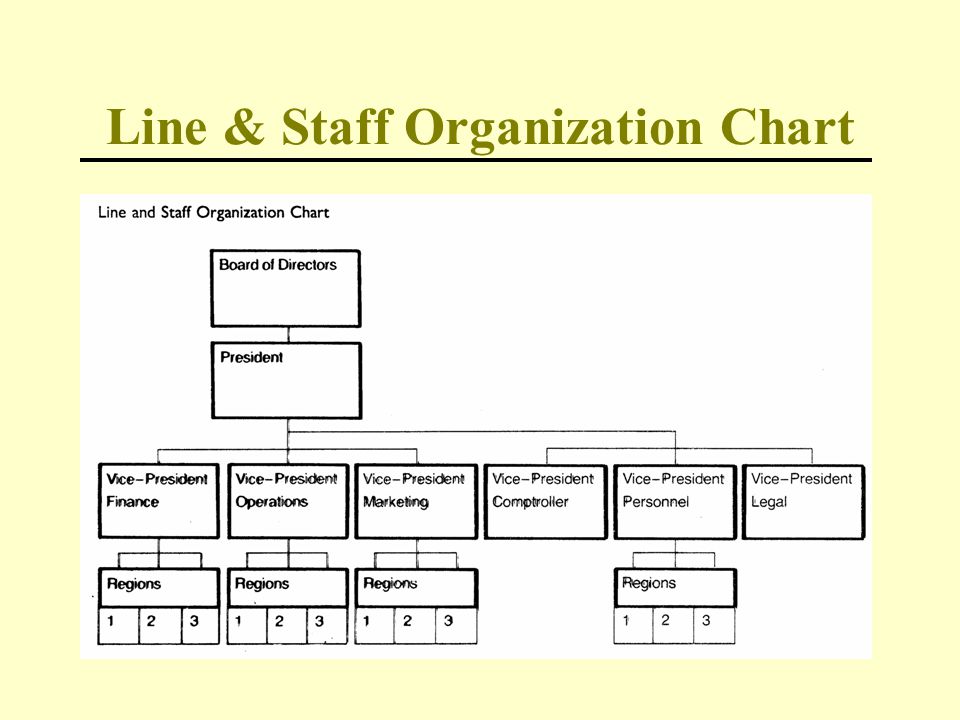
- Production Managers: Overseeing the manufacturing process.
- Sales Managers: Directing sales teams to meet targets.
- Operations Managers: Ensuring efficient day-to-day operations.
- Project Managers: Leading project teams to deliver specific outcomes. (Especially if the project is directly revenue-generating).
Basically, if the buck stops with you when things go wrong related to actual output, you're probably a line manager.
Staff Authority: Expertise and Support
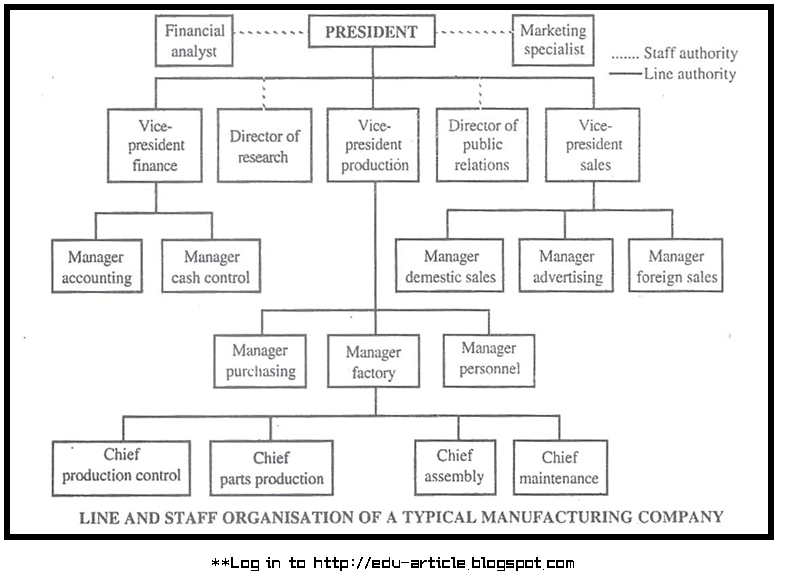
Staff authority, on the other hand, is about providing advice, support, and expertise to line managers. Staff positions don't have the direct authority to give orders to people outside their own department. Instead, they offer specialized knowledge and services that help the line managers make better decisions and operate more effectively. Think of them as the consultants within the company.

Key features of staff authority:
- Advisory role: Providing recommendations and guidance.
- Specialized knowledge: Possessing expertise in a particular area.
- Support services: Offering assistance to line managers and employees.
- Limited direct authority: Cannot directly command individuals outside their department.
Common staff positions include:
- Human Resources: Managing employee relations, recruitment, and training.
- Legal Counsel: Providing legal advice and ensuring compliance.
- Marketing Department: Developing marketing strategies and campaigns.
- Finance Department: Managing finances, budgeting, and accounting.
- IT Department: Maintaining technology infrastructure and providing technical support. (Because let’s be honest, without IT, we’re all doomed!)
Basically, if you’re giving advice, conducting research, or supporting the line folks, you’re likely a staff member.
Why Use a Line and Staff Structure?
So, why bother with this complicated system? Well, the line and staff structure offers several advantages:
- Specialization: Allows employees to focus on their area of expertise, leading to increased efficiency and productivity. (Instead of everyone trying to do everything – a recipe for disaster!).
- Improved Decision-Making: Line managers can make more informed decisions with the advice and support of staff experts. (Two heads are better than one, especially if one of those heads knows the legal implications of that new marketing campaign!).
- Effective Coordination: Provides a clear chain of command for operational efficiency and clear lines of communication. (Knowing who to report to and who to ask for help is crucial!).
- Growth and Expansion: Facilitates growth and expansion by allowing companies to delegate responsibilities and specialize functions. (You can't be a one-person show forever, right?)
Potential Drawbacks (Because Nothing is Perfect!)
Of course, like any organizational structure, the line and staff structure isn't without its potential drawbacks:

- Conflict: Can lead to conflict between line and staff managers, especially if roles and responsibilities are not clearly defined. (Who's in charge? A question that can trigger office wars!).
- Slow Decision-Making: The need for staff input can sometimes slow down the decision-making process. (Analysis paralysis is a real thing!).
- Over-Reliance on Staff: Line managers may become overly reliant on staff advice, neglecting their own judgment. (Don't forget to trust your gut sometimes!).
- Cost: Maintaining a large staff can be expensive. (All that specialized knowledge comes at a price!).
Variations and Modern Adaptations
The classic line and staff structure is often modified to suit the specific needs of an organization. Some common variations include:
- Functional Authority: Staff specialists are given limited authority to enforce their recommendations in specific areas. (Think of the IT department setting security protocols that everyone must follow!).
- Matrix Structure: Employees report to both a functional manager (staff) and a project manager (line). (This can be super effective, but also super confusing if not managed well!).
- Team-Based Structures: Emphasize collaboration and cross-functional teams, blurring the lines between line and staff roles. (Everyone works together! In theory…).
In today's fast-paced business environment, many organizations are moving towards more flexible and collaborative structures that empower employees and encourage innovation. The lines between line and staff are becoming increasingly blurred, with staff experts often taking on more of a consultative and collaborative role.
In Conclusion (Sort Of)
So, there you have it – the world of line and staff authority, demystified (hopefully!). Understanding this structure is fundamental to understanding how organizations function. While the classic model may be evolving, the underlying principles of line authority (direct command) and staff authority (advice and support) remain relevant. Now, go forth and conquer the corporate world, armed with your newfound knowledge! (Or, at least, impress your boss at the next meeting. That's a win too, right?) Remember, knowing the difference between the guy yelling about parking and the lady calmly directing traffic is the first step to understanding the whole organizational ecosystem.