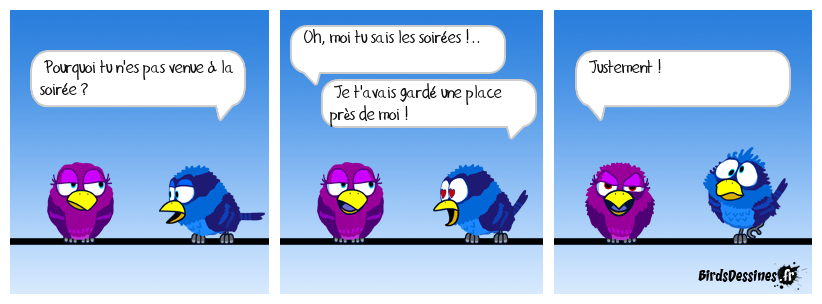
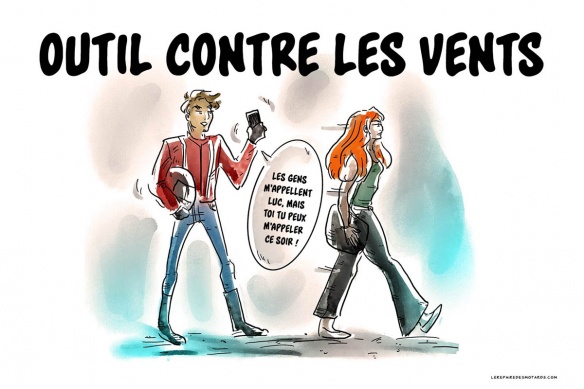
Ah, "se prendre un vent". That delightful, soul-crushing, universally-understood phenomenon. En anglais? Well, let's just say it's less about poetic winds and more about blunt rejection, or perhaps just utter obliviousness. We've all been there, right? Standing there like a chump while our meticulously crafted attempt at conversation gently... floats away into the ether, unanswered. It's the linguistic equivalent of offering someone a perfectly ripe avocado only to have them stare blankly back, then walk past and buy a jar of pre-made guacamole. Heartbreaking.
So, how do you say this elegantly, or even hilariously, in English? Well, buckle up, because there are options. More than you'd think, actually. It's like the English language secretly anticipates our daily humiliations and provides a thesaurus of excuses.
The Classic Avoidances
First, let's tackle the straightforward approaches. These are your bread-and-butter "vent" translations, the ones you’ll probably hear most often:
Being Ignored
This is probably the closest literal translation. Someone simply ignored you. It lacks the French flair, the dramatic gust of wind, but it gets the message across. Picture this: you’re at a party, trying to impress someone with your (probably not that impressive) knowledge of obscure 80s synth-pop, and they just… look right through you. Like you’re a particularly boring ghost. You were ignored.
“I tried to tell him about my stamp collection, but he totally ignored me.” See? Painful, but clear.
Being Shut Down
This implies a slightly more active rejection. It's not just passive ignoring, but someone actively putting a stop to your advances, verbal or otherwise. Think of a polite, yet firm, door slamming shut. Ouch.
“I tried to ask her out, but she shut me down immediately. She said she was washing her hair for the next three years." Okay, maybe not that extreme, but you get the idea.
Being Brushed Off
This is a more casual, less dramatic version of "shut down." It's like someone flicking a piece of lint off their shoulder… except the lint is you and your burning desire for connection. Ouch, again.

“I tried to give him my number, but he just brushed me off and said he had a meeting. A meeting with his cat, probably.”
The Colorful Alternatives
Now, let's dive into the more expressive, more colourful ways to convey the "vent" experience. These are the ones that truly capture the essence of rejection, the little sting of defeat.
Being Given the Cold Shoulder
This is a classic. Imagine someone turning their back to you, their shoulder radiating an icy chill that could freeze a polar bear's nose hairs. It’s a physical representation of emotional distance.
“Ever since I accidentally spilled coffee on his laptop, he’s been giving me the cold shoulder. I think he’s still thawing out.”
Being Stone-Walled
This is when someone puts up a metaphorical wall, refusing to engage with you. It’s more than just ignoring; it’s actively blocking you out. Imagine talking to a brick wall. Fun times!
“I tried to apologize for eating the last croissant, but she stone-walled me. She just stared straight ahead, muttering about pastry justice.”
Ghosted
Ah, the modern classic. To be "ghosted" is to have someone disappear from your life without explanation, like a phantom in the night. It's a digital-age vent of epic proportions.
“We went on three amazing dates, and then he just ghosted me! Vanished! Like a poorly-edited Snapchat.”
Left Hanging
Imagine trying to give someone a high five, but they just… leave your hand suspended in the air. Awkward! This captures the feeling of being abandoned mid-interaction.
“I told him I had a secret to tell him, and then he just walked away, leaving me hanging! Now the secret will never be revealed! (It was that I secretly replaced his sugar with salt.)”
My advances were met with crickets.
This is a fun and evocative way to describe a situation where your attempts at communication or flirting are met with complete silence. Picture a vast, empty field filled only with the chirping of crickets. Your words are lost in the void.
“I tried to impress her with my knowledge of quantum physics, but my advances were met with crickets. I guess she wasn’t as into Schrödinger’s cat as I thought.”
Falling Flat
This is good for describing jokes or comments that don't land well. Like a lead balloon, your attempt at humor just plummets to the ground.
"I told him a joke about a broken pencil. It fell flat. I think he needs more caffeine, or possibly a sense of humor transplant."
The Slightly More Dramatic
And for those times when a simple "ignored" just doesn't cut it, when you need to really emphasize the depth of your rejection:

I bombed.
This is a more forceful way to say that you failed miserably in your interaction. Like your attempt at connection exploded in your face. Dramatic, but sometimes necessary.
“I tried to sing her a love song, but I completely bombed. I forgot the words, the melody, and possibly my own name."
My attempts were dead on arrival.
Morbid, yes, but effective. Your attempts at connection were doomed from the start, like a package that arrives already deceased.
“My attempts to flirt with him were dead on arrival. He kept talking about his tax returns and the existential dread of being a middle manager."
Final Thoughts (and a coping mechanism)
So, there you have it. A whole arsenal of English phrases to describe the agonizing, yet often hilarious, experience of “se prendre un vent.” The important thing to remember is that it happens to everyone. Everyone! Even Ryan Reynolds probably gets ignored sometimes (though I doubt it).
The key is to learn to laugh it off, dust yourself off, and maybe invest in a really good self-deprecating joke. Or, you know, just blame it on the wind. Because, let's be honest, sometimes it really is just the wind. Especially if you're trying to have a conversation on a blustery beach. Et voilà! You are now equipped to navigate the treacherous waters of social interaction, armed with the linguistic tools to describe your inevitable rejections. Now go forth, and don't be afraid to get blown away... metaphorically, of course.