Okay, picture this: I'm scrolling through Japanese Twitter (yeah, I have my moments!), and I stumble upon this thread. A teacher is seriously venting about trying to explain the birds and the bees to a class of… well, let's just say they were surprisingly knowledgeable. Like, way more informed than I was at their age, and probably more than some adults I know! It made me think: what's going on in Japan with sex ed these days?
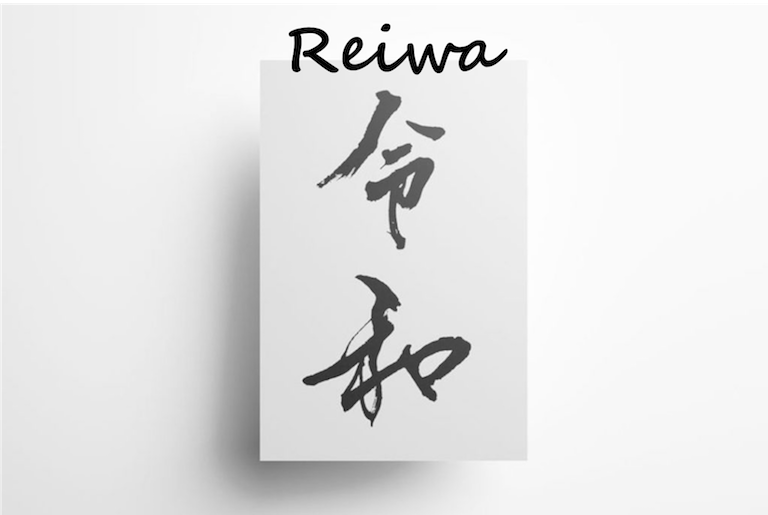
Turns out, things are... changing. And it's happening faster than you can say "Reiwa Jidai"! (That's the current era in Japan, for those not in the know.)
Sex Ed: It's Not Just About Babies Anymore
For a long time, Japanese sex education was, shall we say, underwhelming. It tended to focus heavily on the biological aspects of reproduction. You know, the textbook diagrams and vague warnings. Very "clinical," very little about, well, the actual human experience. But the Reiwa era is shaking things up.
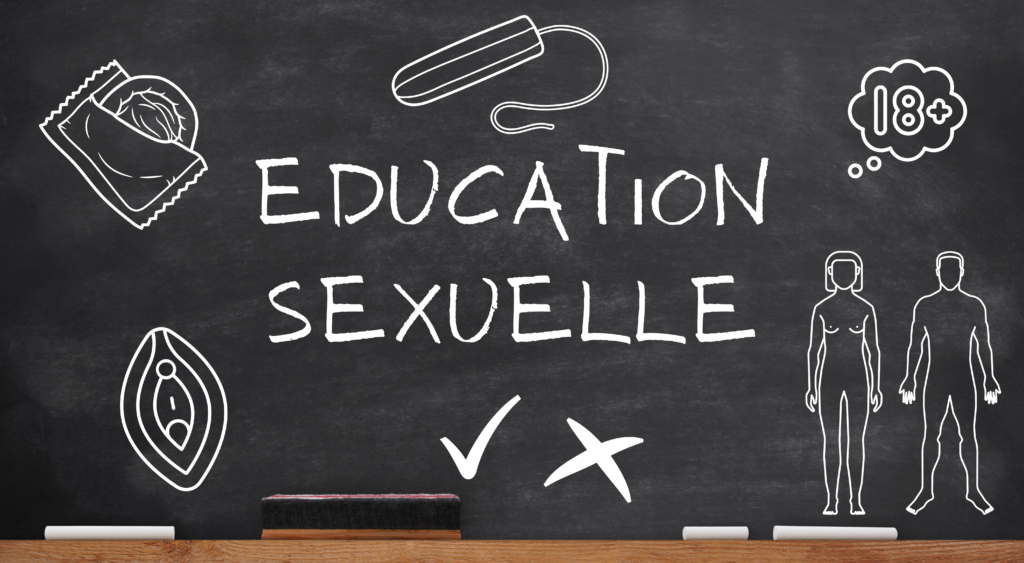
The big shift? It's moving towards a more holistic approach. We're talking about consent, relationships, gender identity, sexual orientation, and pleasure. (Yes, pleasure! Mind blown, right?) Suddenly, it’s not just about avoiding unwanted pregnancies; it's about understanding yourself, your body, and how to have healthy and respectful relationships.
Side note: Can we all agree that understanding consent is crucial? Like, the most important thing?

Why Now? The Pressure is On!
So, what sparked this revolution? Several things! First, there's increasing awareness of sexual violence and harassment. The #MeToo movement resonated globally, and Japan was no exception. People are demanding a change, and education is seen as a key tool.
Second, there's a growing recognition of LGBTQ+ rights. While Japan still has a long way to go in terms of legal equality, there's a growing push for inclusivity and understanding. Sex ed is becoming a space to address these issues and combat discrimination.

And third, let's be real, the internet exists. Kids are exposed to a lot of information (and misinformation) online. If schools aren't providing accurate and comprehensive sex ed, where are they going to learn it? From… questionable sources? I think not!
Challenges and Future Prospects
Of course, it's not all rainbows and butterflies. There are still challenges. Some teachers may feel uncomfortable or unprepared to teach these topics. (Imagine suddenly being asked to talk about something you were never taught yourself!) There can also be resistance from parents or communities who feel that these topics are too sensitive or inappropriate for children.

But the momentum is there. Organizations are providing training for teachers, creating new resources, and advocating for policy changes. And, most importantly, young people are demanding better. They're speaking out, sharing their experiences, and pushing for a more inclusive and comprehensive approach to sex ed.
So, yeah, that teacher venting on Twitter might be facing some tough questions. But it also suggests that something pretty amazing is happening in Japan. A revolution in sex education. And you know what? I'm here for it. It's about time.
P.S. I’m seriously considering taking a class on this myself. Adulting is hard, yo!