Okay, picture this: I was at a dinner party last week, and the conversation somehow veered into the wonderfully thrilling world of… legal paperwork. I know, right? Riveting stuff. But seriously, someone was complaining about trying to figure out their business registration and it was clear the whole thing felt like navigating a bureaucratic black hole. This got me thinking about the Registre du Commerce et des Sociétés (RCS) and, even more intriguingly, the Régimes Matrimoniaux. Seems like a crazy leap, but trust me, there's a connection. Both deal with official records, legal frameworks, and, ultimately, defining the rules of the game.
The Registre du Commerce et des Sociétés (RCS): Your Business's Official ID
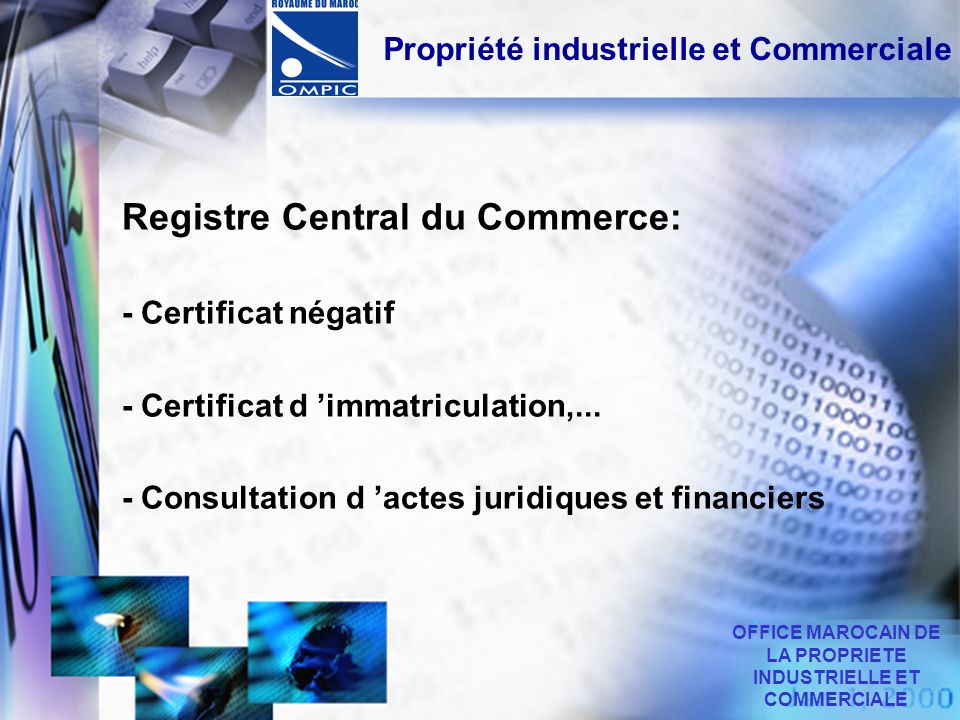
Let's start with the RCS. Think of it as your business's official birth certificate and ID card, all rolled into one. Every business operating in France (except, generally, sole proprietorships – Entreprises Individuelles - doing purely civil activities) needs to be registered with the RCS. It's managed by the greffes des tribunaux de commerce (commercial court registries), and it's basically a giant database of companies.
(Side note: Did you know the word "greffe" comes from the idea of grafting a branch onto a tree? In this context, it's like the registry is grafting your business onto the legal system. Pretty poetic, huh?)
Why is the RCS Important?
Well, for a bunch of reasons. It's not just about filling out forms and paying a fee (though, let's be honest, that is a big part of it). It's about:
- Legality: Operating legally in France. No registration, no bueno. Think of it as having a driving license for your business. You wouldn’t drive a car without a license, right? (I hope not!)
- Transparency: Making your business's information publicly available. This includes things like the company name, registered address, legal form, directors, and financial information. It builds trust with customers, suppliers, and partners.
- Credibility: Lending credibility to your business. Being registered with the RCS shows that you're a legitimate operation and not just some fly-by-night outfit.
- Access to Funding: Facilitating access to financing. Banks and investors are much more likely to lend money to a company that is properly registered and has a proven track record.
- Legal Protection: Enabling you to sue and be sued in court. You need to be a legally recognized entity to participate in legal proceedings.
Basically, if you're starting a business in France, getting registered with the RCS is one of the very first things you need to do. Don't skip this step! It's like skipping breakfast – you might think you can get away with it, but you'll pay for it later. Trust me on this one.
What Information is Included in the RCS?
The RCS contains a wealth of information about each registered company, including:
- Company Name (Dénomination Sociale): The official name of your business.
- Registered Address (Siège Social): The official address of your business headquarters.
- Legal Form (Forme Juridique): Whether it's a SARL, SAS, EURL, or some other legal structure. (Don’t worry if those sound like alphabet soup right now; you’ll figure it out!).
- Share Capital (Capital Social): The amount of money invested in the company by its shareholders.
- Directors/Managers (Dirigeants): The individuals responsible for running the company.
- Financial Information (Informations Financières): Key financial data, such as turnover, profits, and losses. (Although not all of it is necessarily public).
- Registration Number (Numéro SIREN/SIRET): Unique identification numbers for your business. Think of them as your business's social security number.
Régimes Matrimoniaux: Defining Your Marriage's Financial Rules
Okay, now let's switch gears and talk about something completely different…or is it? Let's delve into Régimes Matrimoniaux, which translates to "Matrimonial Regimes" or "Marriage Property Systems." Basically, it’s the set of legal rules that determine how your assets are owned and managed during your marriage, and, crucially, how they will be divided in case of divorce or death.

(Another side note: French law loves to be very specific about these things. It’s all about anticipating every possible scenario and having a clear legal framework in place).
Why Choose a Régime Matrimonial?
Because marriage isn't just about love and romance (although, hopefully, those are factors too!). It's also a legal and financial partnership. Choosing a régime matrimonial helps you and your spouse:
- Protect Your Assets: Define which assets are considered joint property and which remain separate.
- Manage Finances: Establish clear rules for managing income, expenses, and investments.
- Simplify Inheritance: Determine how your assets will be distributed to your heirs in the event of your death.
- Avoid Disputes: Minimize the risk of financial disagreements during the marriage and, more importantly, in the event of a separation or divorce.
Choosing a régime matrimonial isn't the most romantic thing in the world, but it's a responsible and practical way to protect your financial future and the future of your family. It's like buying insurance – you hope you never need it, but you're glad you have it if something goes wrong.

Types of Régimes Matrimoniaux in France
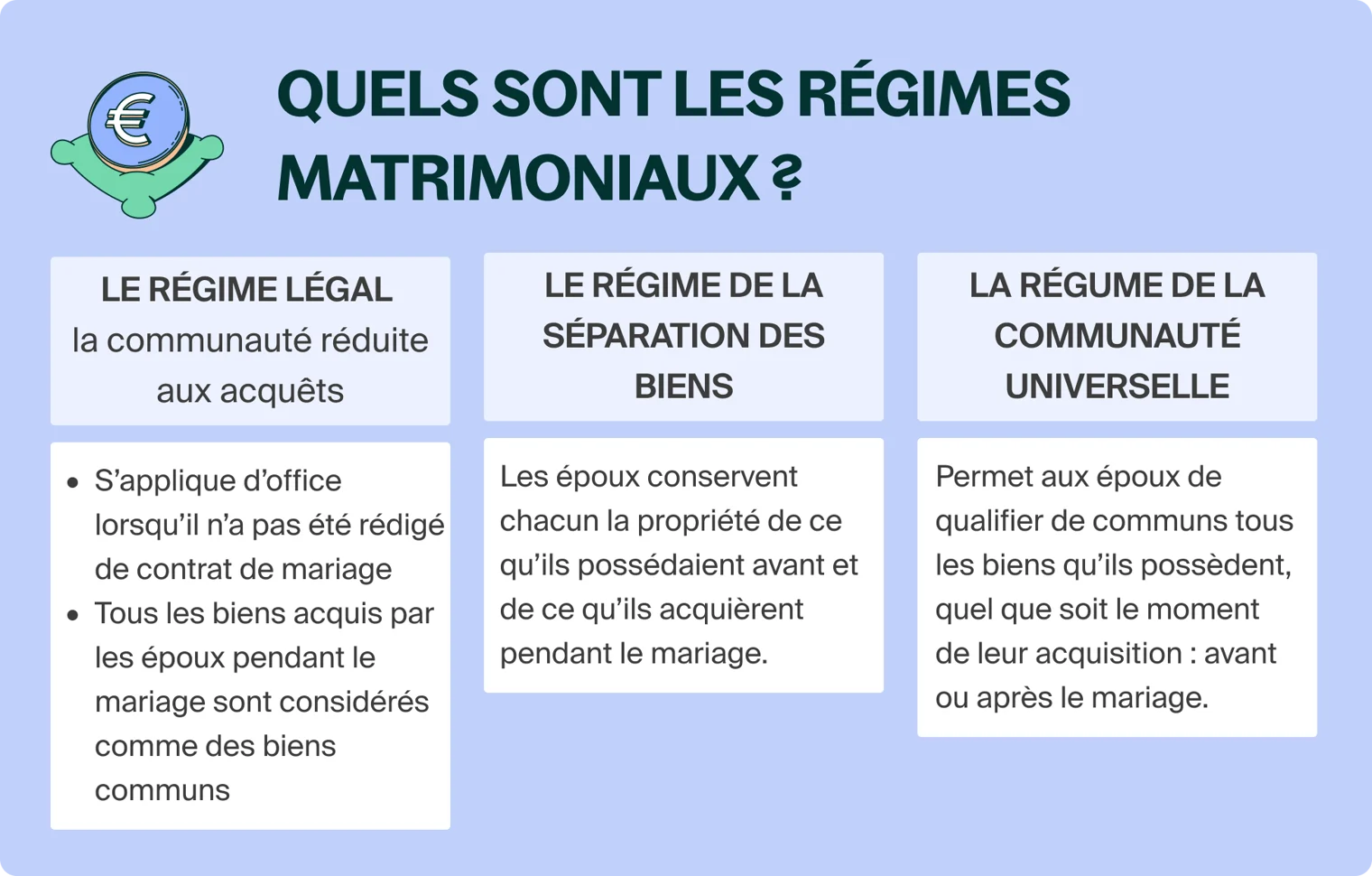
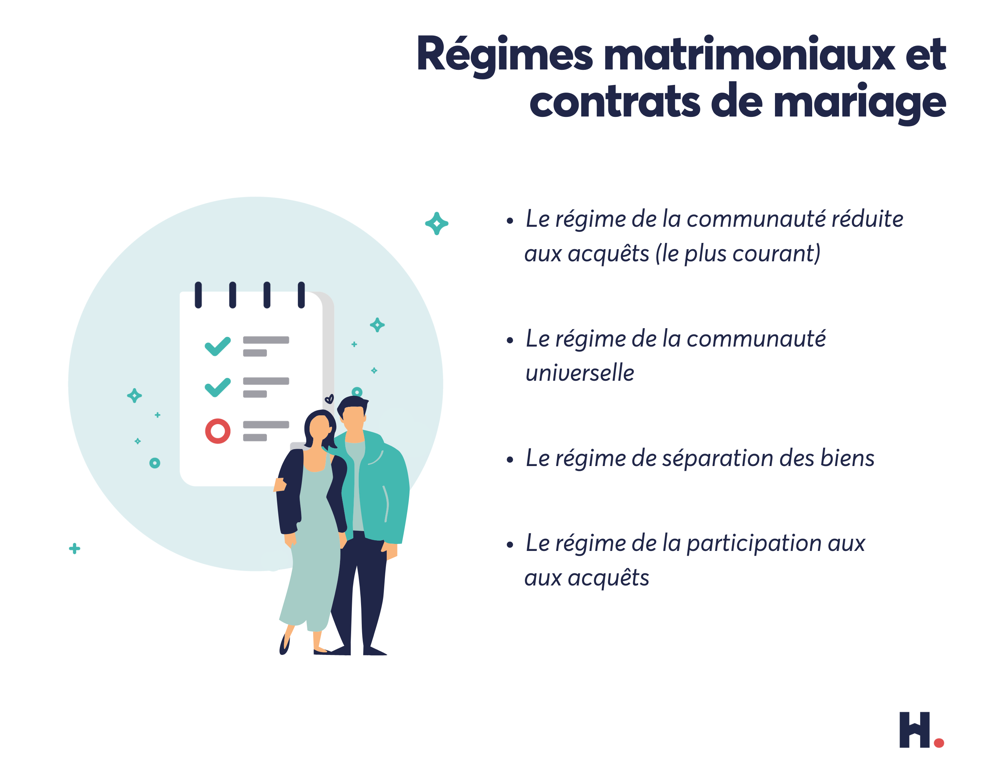
France offers several different types of régimes matrimoniaux, each with its own set of rules. The most common are:
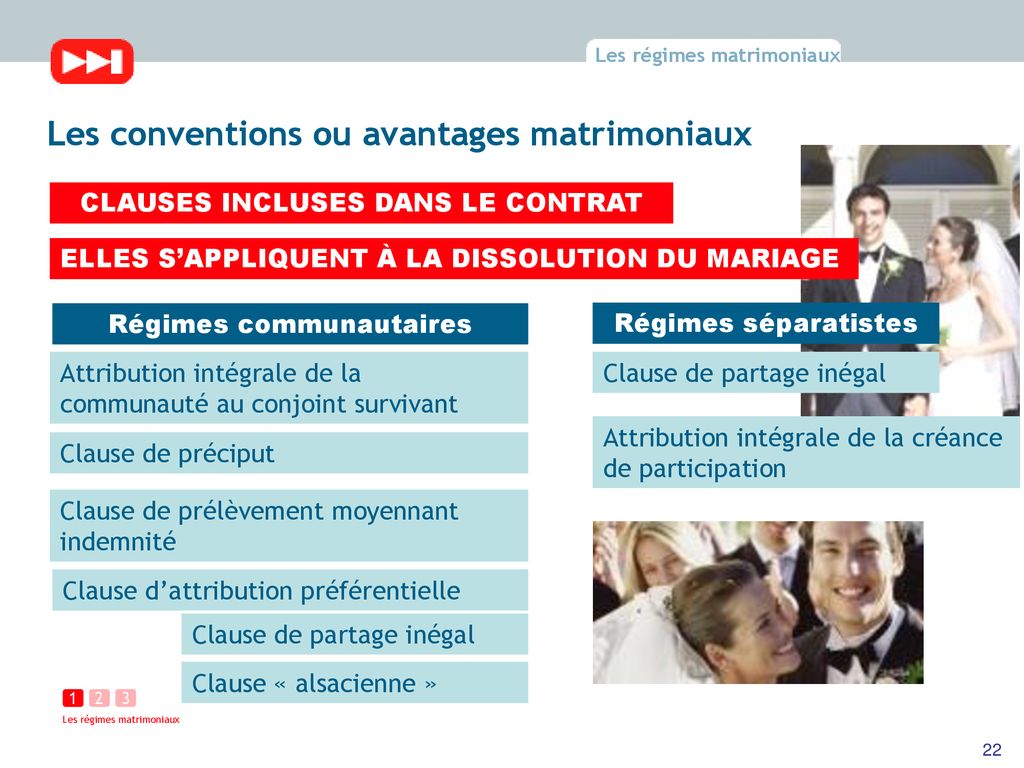
- Community Property (Communauté Légale Réduite aux Acquêts): This is the default régime if you don't actively choose another one. Under this system, assets acquired during the marriage are considered joint property, while assets owned before the marriage remain separate.
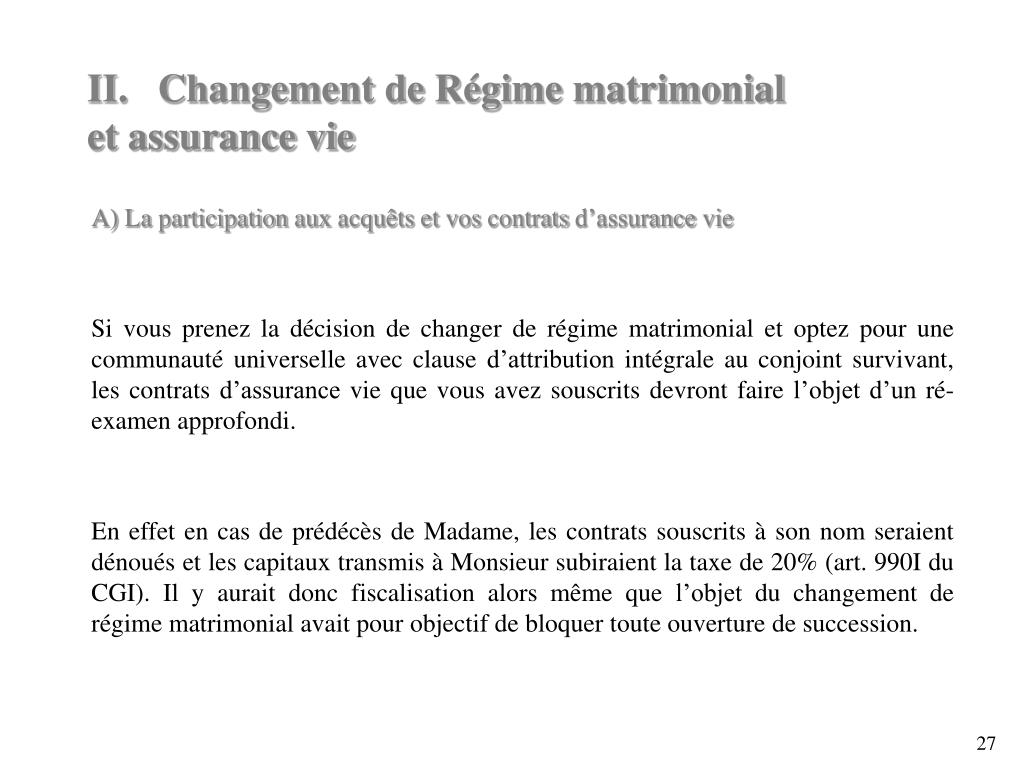
- Universal Community Property (Communauté Universelle): Under this régime, all assets, regardless of when they were acquired, are considered joint property. This is a more extreme form of community property and is often used when couples want to share everything equally.
- Separation of Property (Séparation de Biens): Under this régime, each spouse retains ownership of their own assets, both those acquired before and during the marriage. This is often chosen by couples who want to maintain financial independence.
- Participation in Acquisitions (Participation aux Acquêts): This régime is a hybrid between community property and separation of property. During the marriage, it operates like a separation of property, but in the event of divorce or death, each spouse is entitled to share in the increase in the other spouse's wealth during the marriage.
Choosing the right régime matrimonial is a complex decision, and it's important to seek legal advice from a notaire (notary public) to determine which option is best suited to your individual circumstances. Trust me, this isn't something you want to DIY.
The Connection? Transparency and Legal Frameworks
So, what's the connection between the RCS and régimes matrimoniaux? Both are about creating a transparent and legally defined framework for important aspects of life – business ownership and marriage. They both involve registering information with official authorities, making that information publicly available (to varying degrees), and establishing clear rules for how things work.
Think of it this way: the RCS provides transparency and legal certainty for the business world, while régimes matrimoniaux do the same for marriage. Both aim to prevent disputes, protect assets, and ensure that everyone knows the rules of the game. It's all about creating a level playing field, whether you're running a company or building a life with someone.
At the end of the day, whether you are navigating the intricate world of business registration or structuring your marriage's financial foundation, understanding the legal frameworks in place is crucial. So, next time someone brings up the RCS or régimes matrimoniaux at a dinner party, you'll be ready to impress them with your newfound knowledge!