Okay, confession time. Last year, I totally blanked on the Simanim. You know, the symbolic foods we eat at Rosh Hashanah? My family was all gathered, expecting my usual (ahem, mediocre) attempt at a festive meal, and I realised I’d only managed to grab an apple and honey. The look on my grandmother's face… let’s just say it was more sour than the chrein I forgot to make! It got me thinking: there has to be a better way to remember this stuff. And maybe, just maybe, make it a little bit… yummier. (Okay, okay, grandma, I know it's about more than just taste!).
So, that’s why I’m diving headfirst into the world of the Seder Plate for Rosh Hashanah. Consider this my (and maybe yours!) guide to navigating the delicious, symbolic, and sometimes slightly confusing world of the Simanim. Think of it as your culinary roadmap to a sweeter new year – and avoiding grandma's disappointed glare.
What exactly is the Seder Plate (for Rosh Hashanah, that is)?
Unlike the Passover Seder plate which is all about freedom from slavery, the Rosh Hashanah Seder Plate is about setting intentions for the year to come. It's essentially a collection of foods, each representing a wish or blessing we're hoping for in the new year. We eat (or at least taste!) these foods while reciting a blessing that relates to the symbol.
Don't worry, it's not nearly as strict as Passover. There’s room for interpretation and family traditions. Which means you can get a little creative! (But maybe clear your variations with the elder relatives first... just a suggestion!).
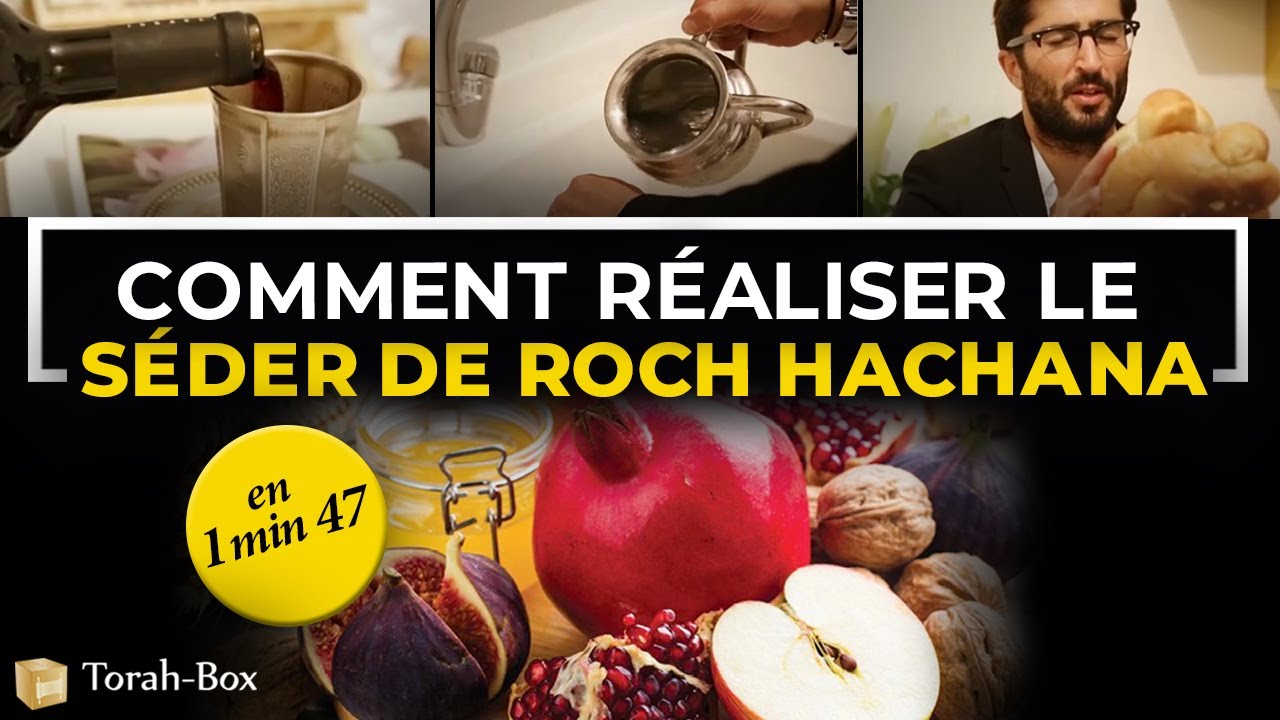
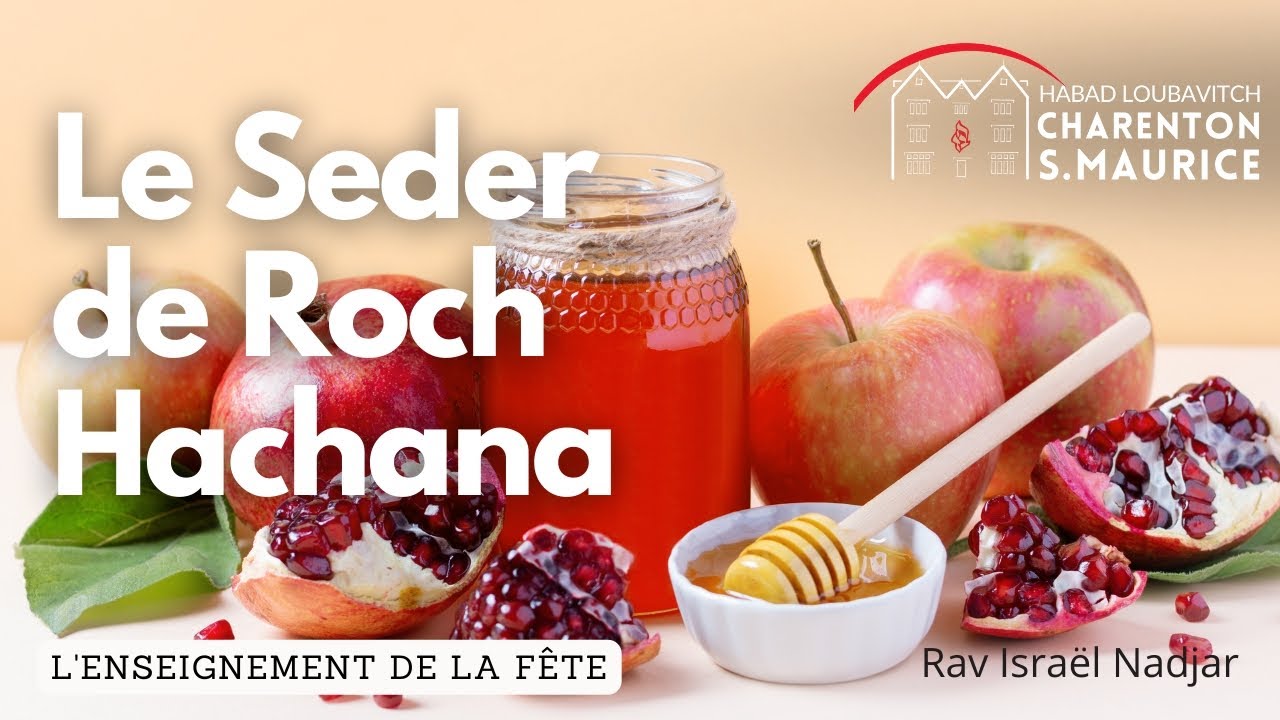
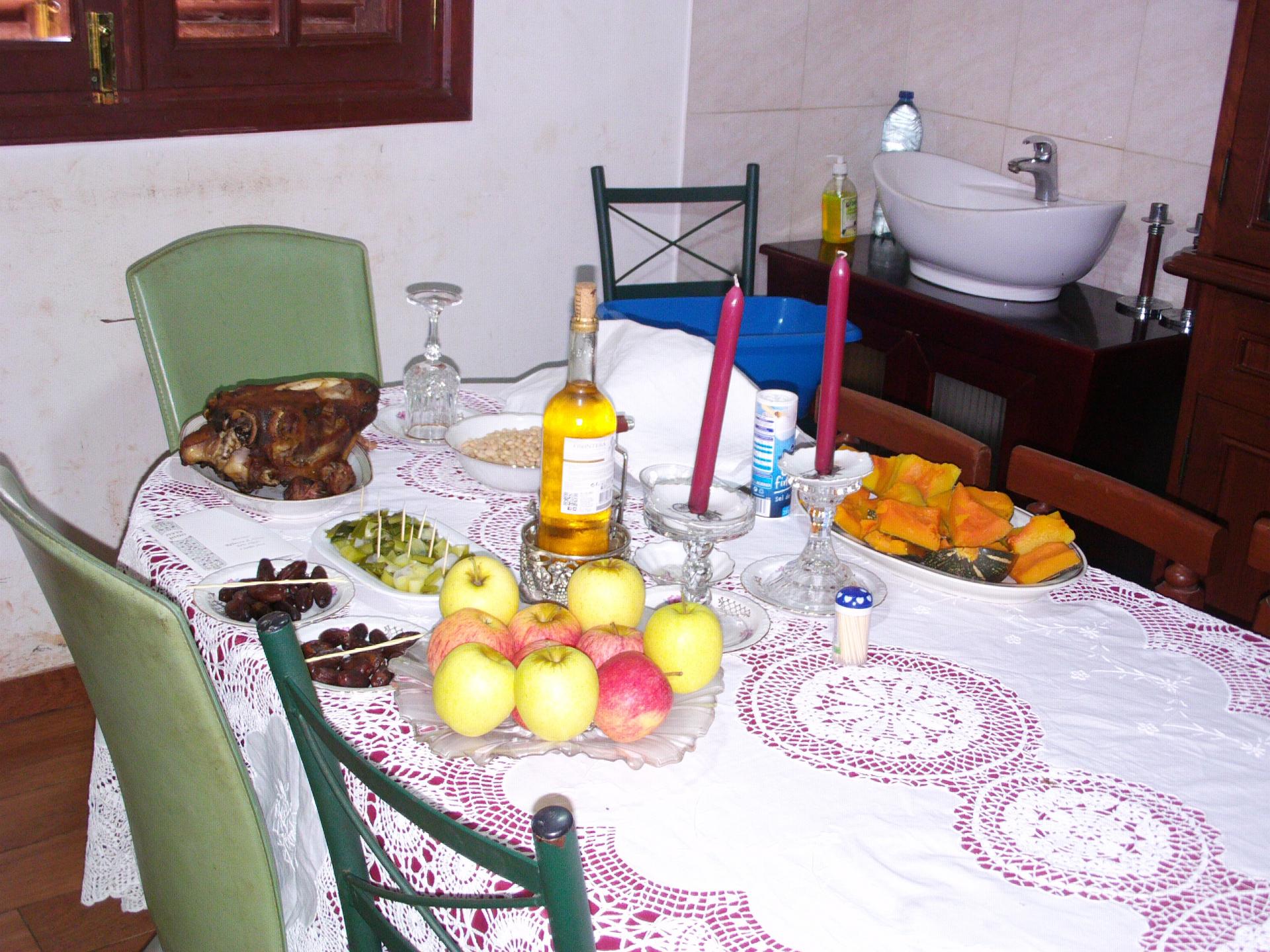
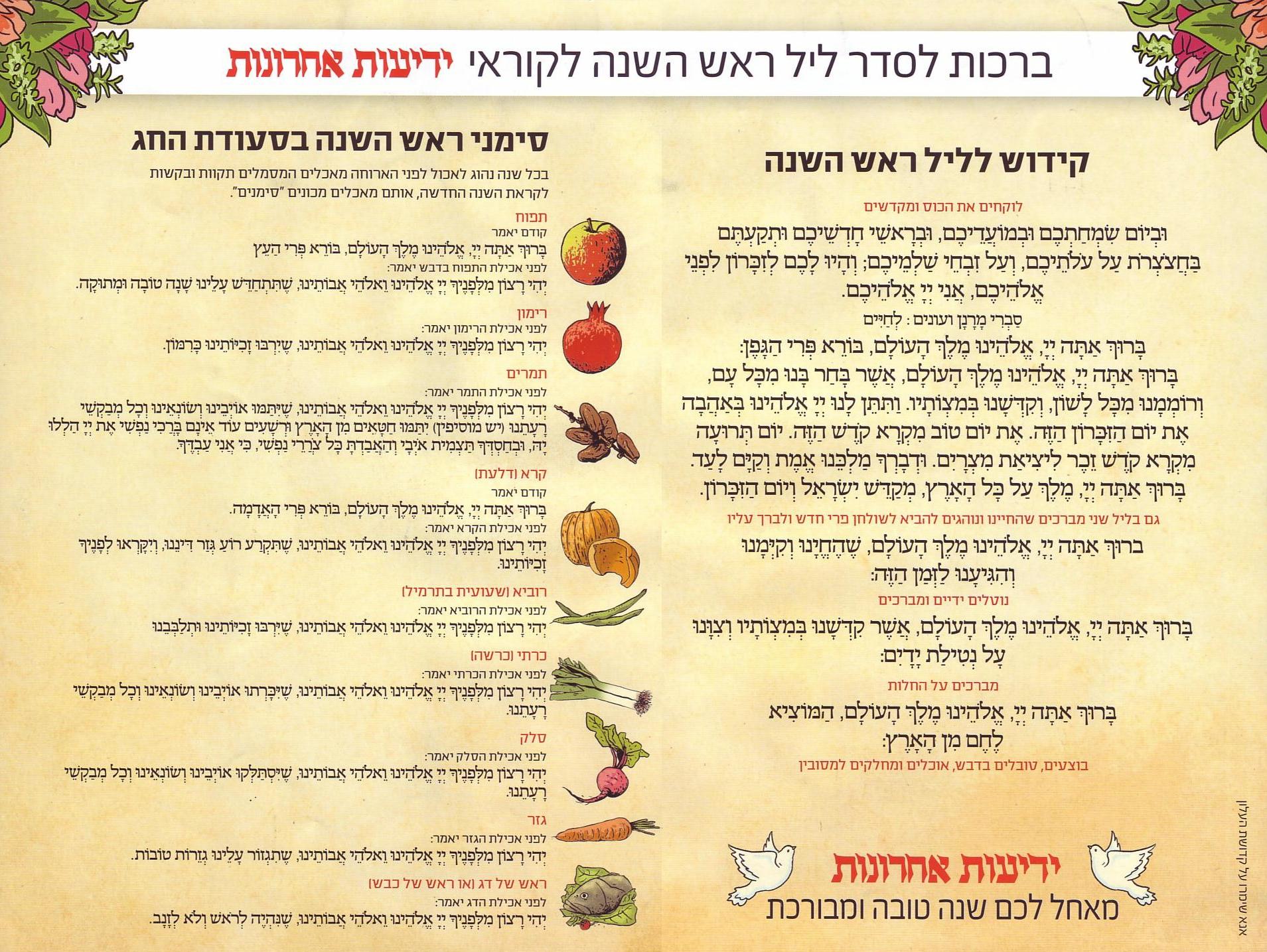
The Usual Suspects: The Core Simanim
These are the foods you'll typically find on a Rosh Hashanah Seder plate. Think of them as the A-list celebrities of the New Year's meal:
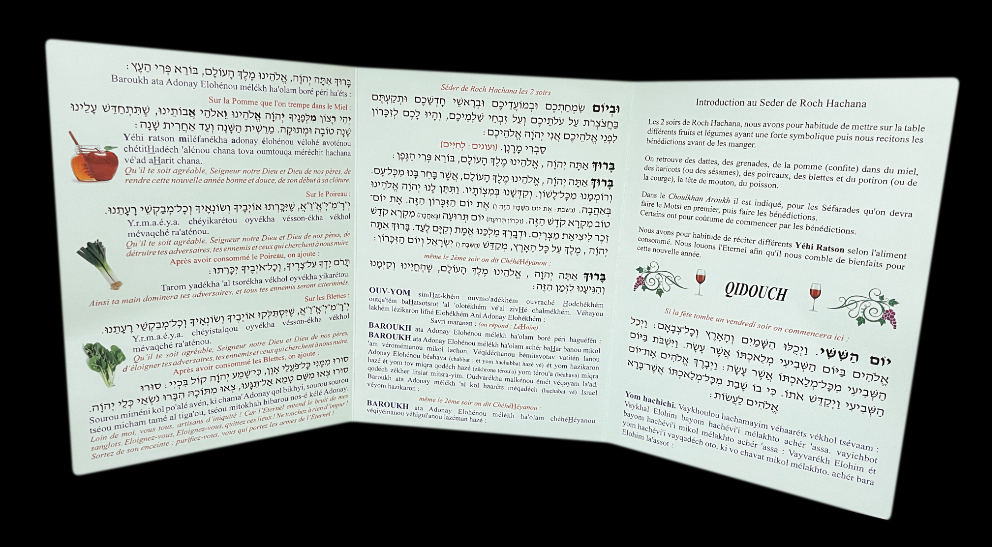
![[Imprimer] Séder de Roch Hachana - Feuille de Miel](https://media.torah-box.com/seder-roch-hachana-feuille-de-miel-653.jpg)
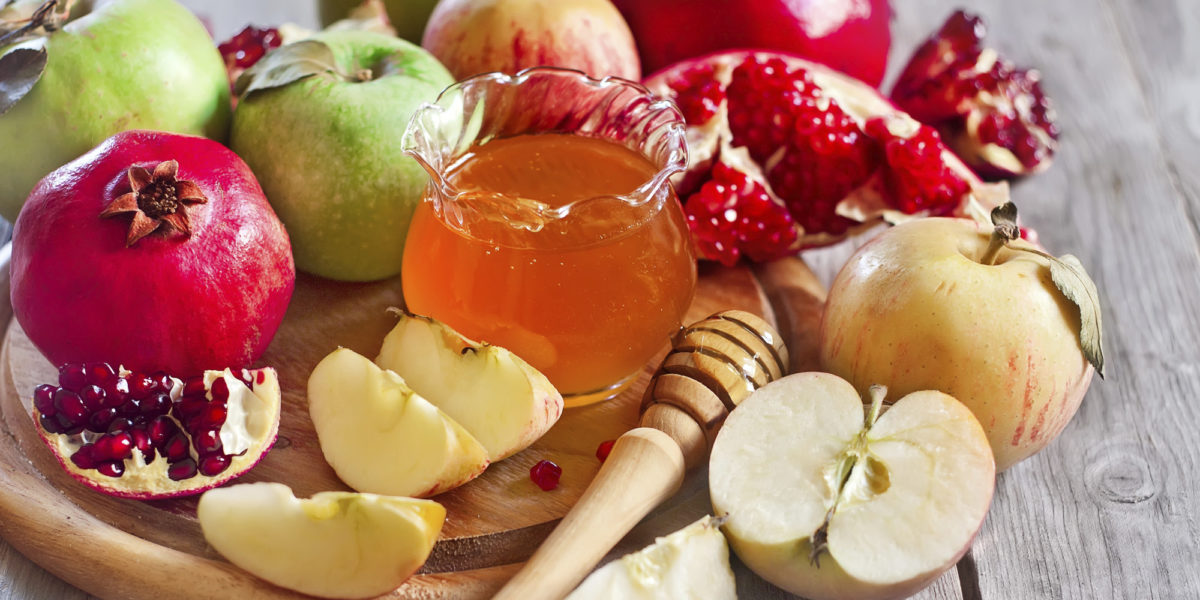
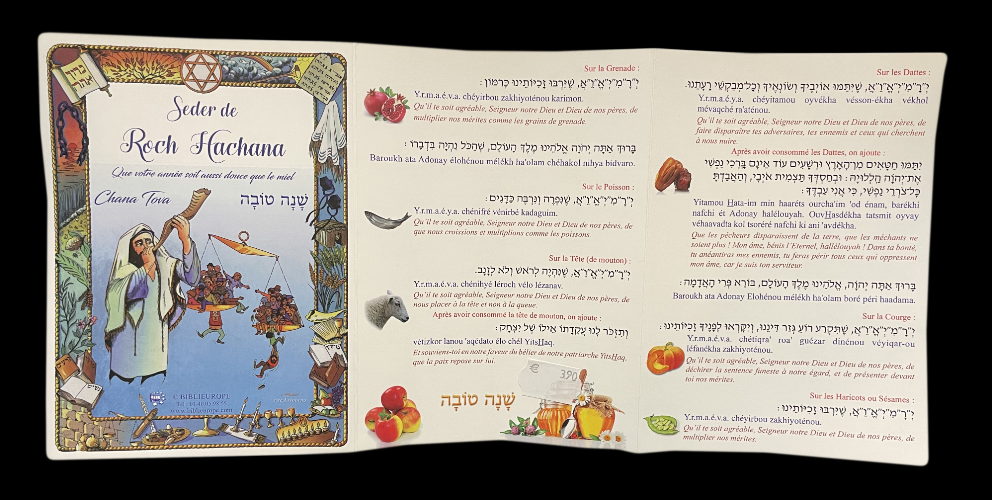
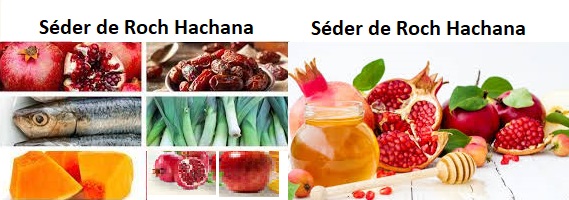
- Apples and Honey: This is the big one! We dip the apple in honey and say a blessing asking for a sweet new year. (Pro tip: use good honey. Seriously. It makes a difference).
- Pomegranate: Represents our hope for being as full of merits as the pomegranate is full of seeds. (So, basically, be a good person, okay?).
- Head of a Fish (or Ram): Symbolic of being a "head" and not a "tail" in the coming year. In other words, striving for leadership and being proactive. (Don't actually eat the whole head if that grosses you out. A small piece is perfectly acceptable. Or, you know, maybe use a head-shaped cookie? No judgement here!).
- Gourd (Squash, Pumpkin, or even Carrots): We say a blessing that our merits should be proclaimed before God. Some families even use the Hebrew word for gourd (K'ra) as a play on words for ripping up any bad decrees against us.
- Leeks/Scallions: We say a blessing that our enemies should be cut off. (A little harsh, maybe? But symbolically speaking...).
- Beets: Representing the removal of any obstacles or enemies that stand in our way.
- Dates: Asking for the completion and ending of our enemies. (Ending, not necessarily eliminating. Just to be clear!).
Making it Your Own: Variations and Family Traditions
This is where the fun starts! Many families have their own special additions to the Seder plate. Maybe your family always includes black-eyed peas, or perhaps you have a unique way of preparing the fish head. The beauty of the Rosh Hashanah Seder Plate is that it's a living tradition, evolving with each generation. Think of it as a culinary family history project! So, ask your relatives, dig into old cookbooks, and find out what special foods your family uses to usher in the New Year.
Ultimately, the most important thing is to approach the Rosh Hashanah Seder Plate with intention and joy. It's a beautiful way to connect with your family, celebrate your heritage, and set your sights on a sweet and meaningful new year. And hey, if you forget a Siman or two, don't sweat it. Just grab an extra apple and honey and blame it on me. ;)


![[Imprimer] Séder de Roch Hachana - Feuille de Miel](https://media.torah-box.com/660x360/seder-roch-hachana-feuille-de-miel-10422.jpg)