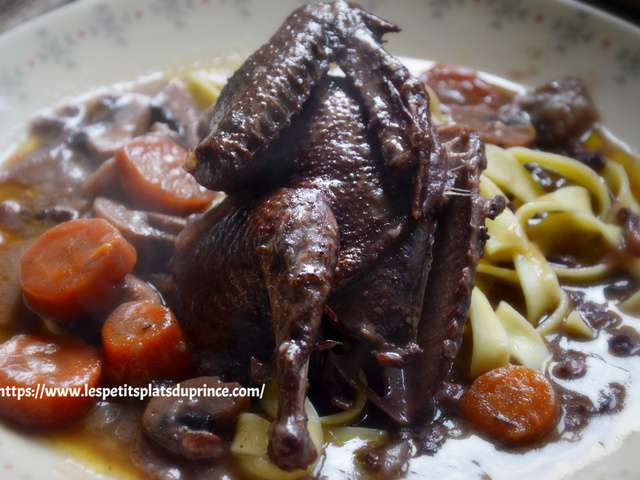
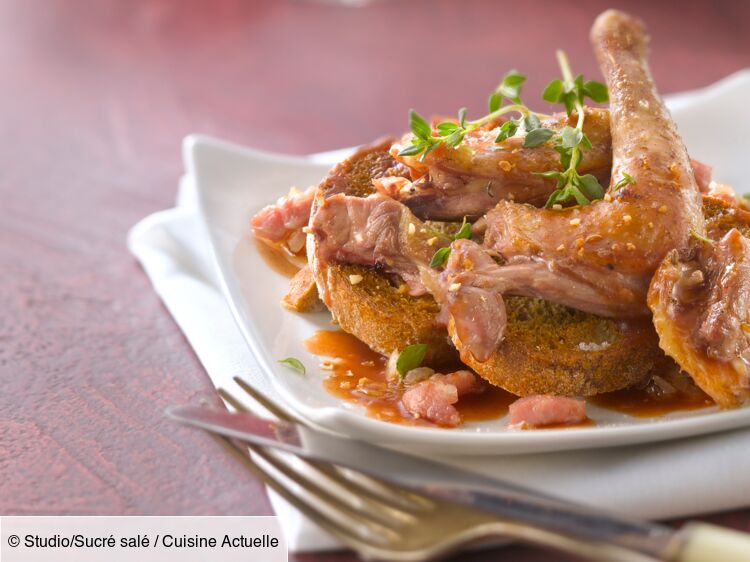
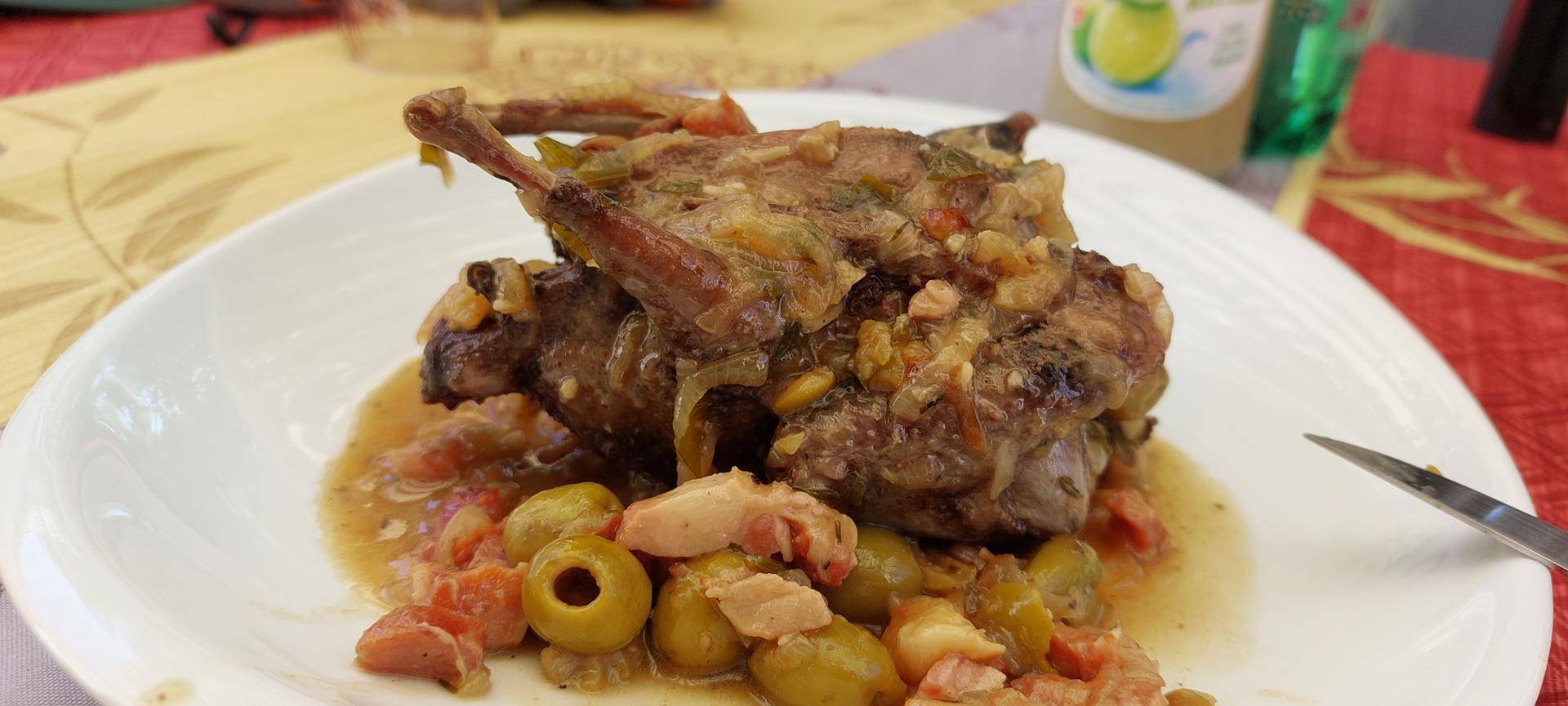
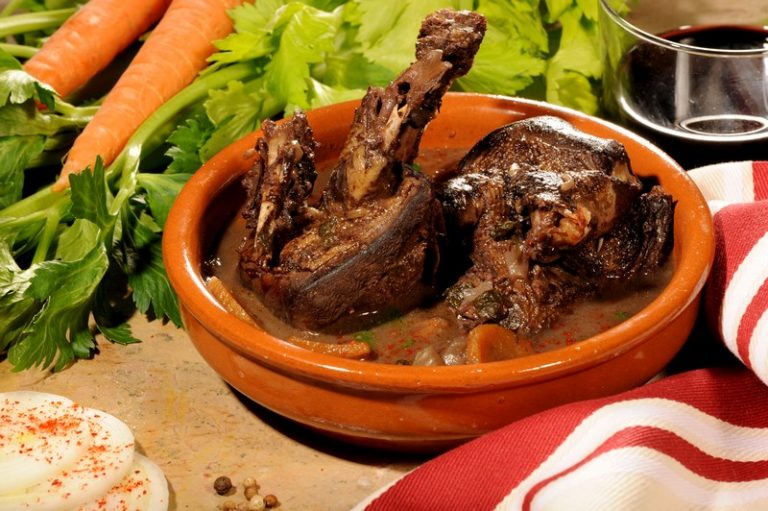
Salut, mes amis! Settle in, grab a café (or a glass of something stronger, no judgement here!), because I’m about to tell you about Palombe en Sauce à la Cocotte. Now, I know what you're thinking: "Palombe? Sounds fancy." Well, it is a bit... but trust me, it's less 'haute cuisine' and more 'rustic deliciousness that will impress your friends (and maybe your in-laws, if you're brave enough).'
First things first: what IS a palombe? Well, basically, it's a wood pigeon. Yes, the very same pigeons you see trying to steal your croissant crumbs in the park. But before you turn your nose up, these aren't your average city-dwelling, garbage-disposal pigeons. These are the aristocrats of the pigeon world. They're wild, they're free-range (very free-range, considering they fly all over the Pyrenees!), and they taste… well, they taste amazing when cooked right!
Why Cook it in a Cocotte?
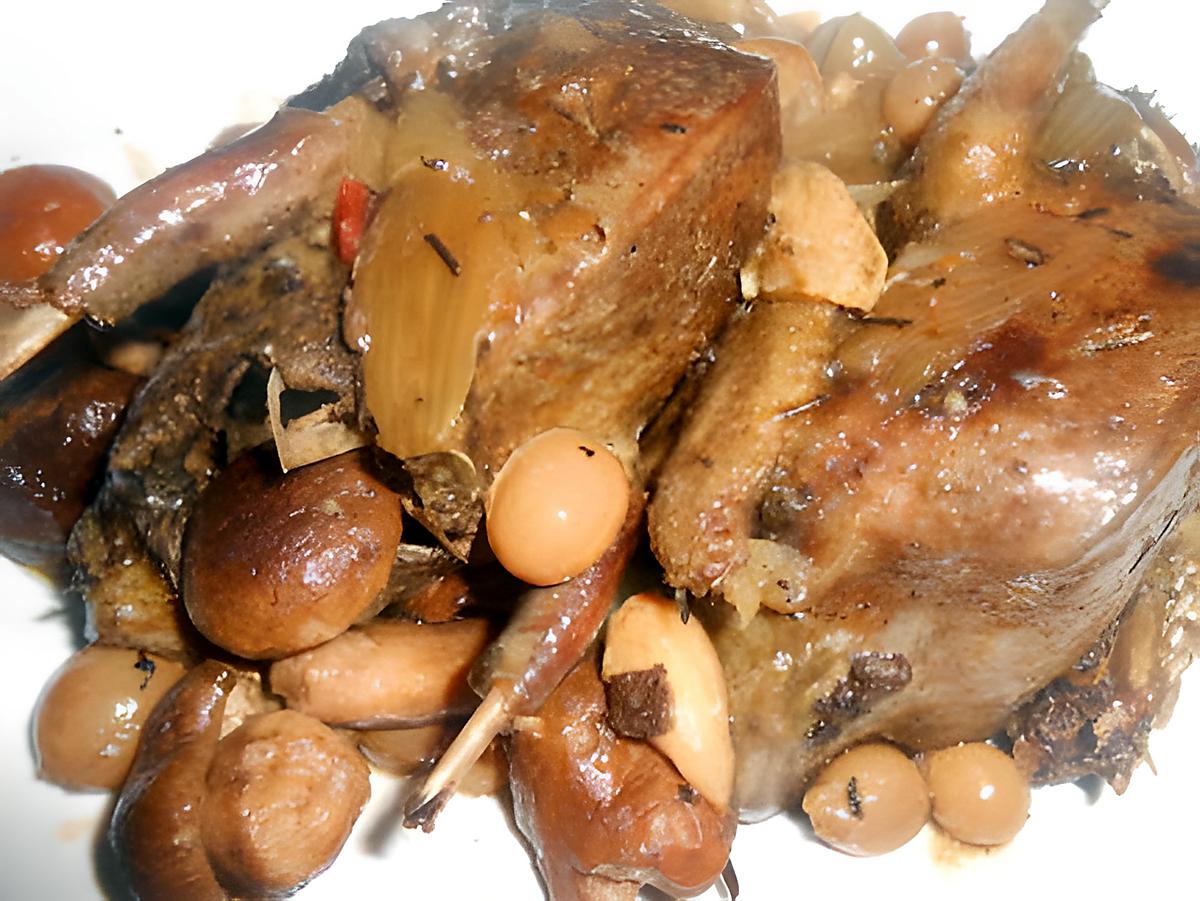
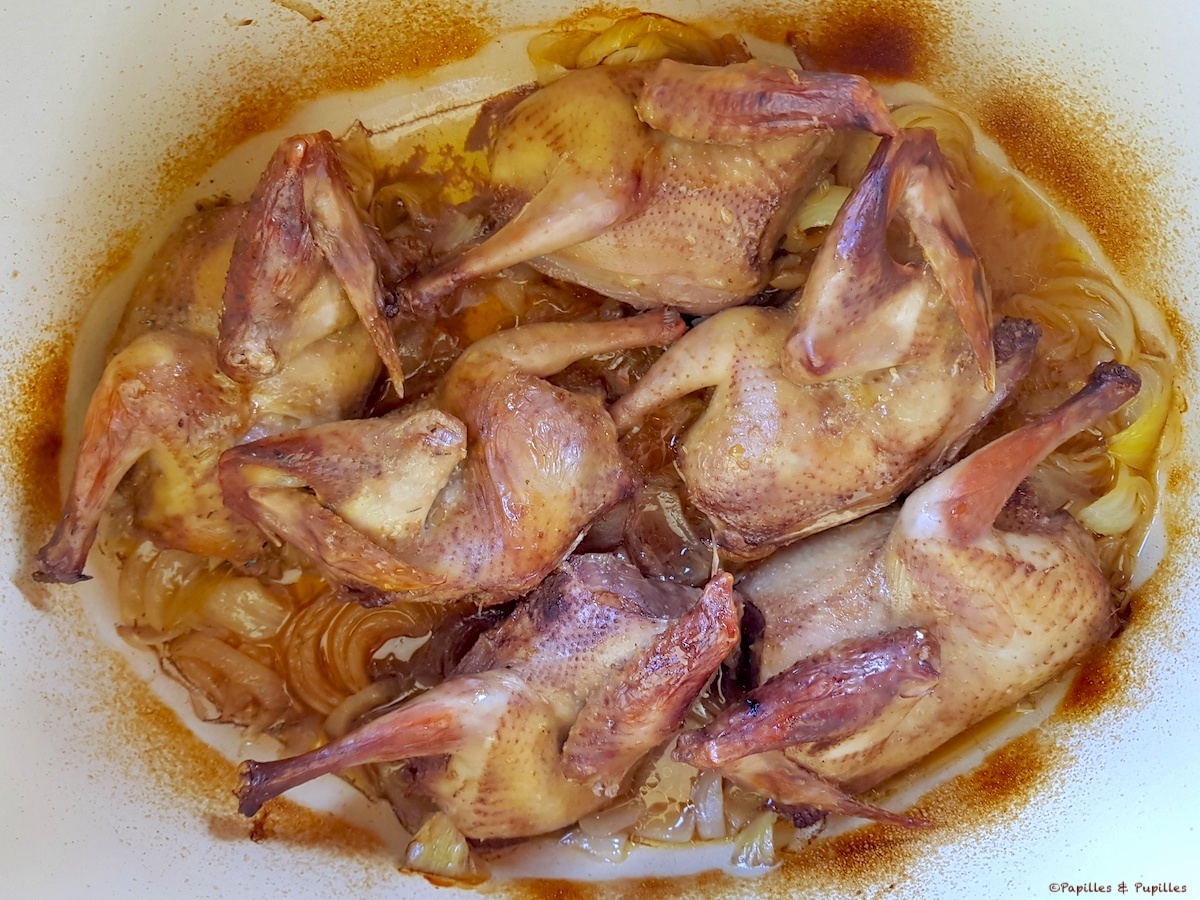
Ah, the cocotte! This isn't some weird dance move, it’s just a fancy French word for a Dutch oven, or a heavy-bottomed pot with a lid. Think of it as your culinary secret weapon. It's like a spa for your palombe, allowing it to braise gently in its own juices (and plenty of wine!), becoming incredibly tender and flavourful. Trying to rush this process is like trying to teach a cat to fetch – frustrating and ultimately, a waste of time.
So, How Do We Make This Palombe Magic Happen?
Okay, enough chit-chat, let's get to the juicy details (literally!). This is a simplified version, because let's be honest, nobody has time for a 27-step recipe on a Tuesday night.

- The Star: One (or two, if you're feeling greedy) beautiful, ethically sourced palombes.
- The Aromatics: Onions (because everything tastes better with onions!), garlic (because vampires hate it!), carrots (for a touch of sweetness), and some bacon lardons (because... bacon!).
- The Liquid Gold: Red wine (something decent, but don't break the bank), chicken broth (or water, in a pinch), and a splash of Armagnac (optional, but highly recommended. It adds a certain je ne sais quoi).
- The Herbs: Thyme, bay leaf, parsley – the usual suspects for a French stew.
The Cooking Process: Not Brain Surgery, But Still Requires Attention
Here’s the gist. Don't be scared! It's mostly just throwing things into a pot and waiting. My kind of cooking!
- Sear the Palombe: Brown those birds in the cocotte with some olive oil or butter. This is crucial for flavour. Don't skip it! Think of it as giving them a suntan.
- Sauté the Veggies: Remove the palombe and sauté your onions, garlic, carrots, and lardons until they're nice and soft.
- Deglaze the Pan: Pour in the red wine and scrape up all those yummy bits stuck to the bottom of the cocotte. This is where the magic really happens!
- Simmer, Baby, Simmer: Add the palombe back to the pot, along with the broth, Armagnac (if using), and herbs. Bring to a simmer, then cover and cook for at least 2-3 hours, or until the palombe is fall-off-the-bone tender.
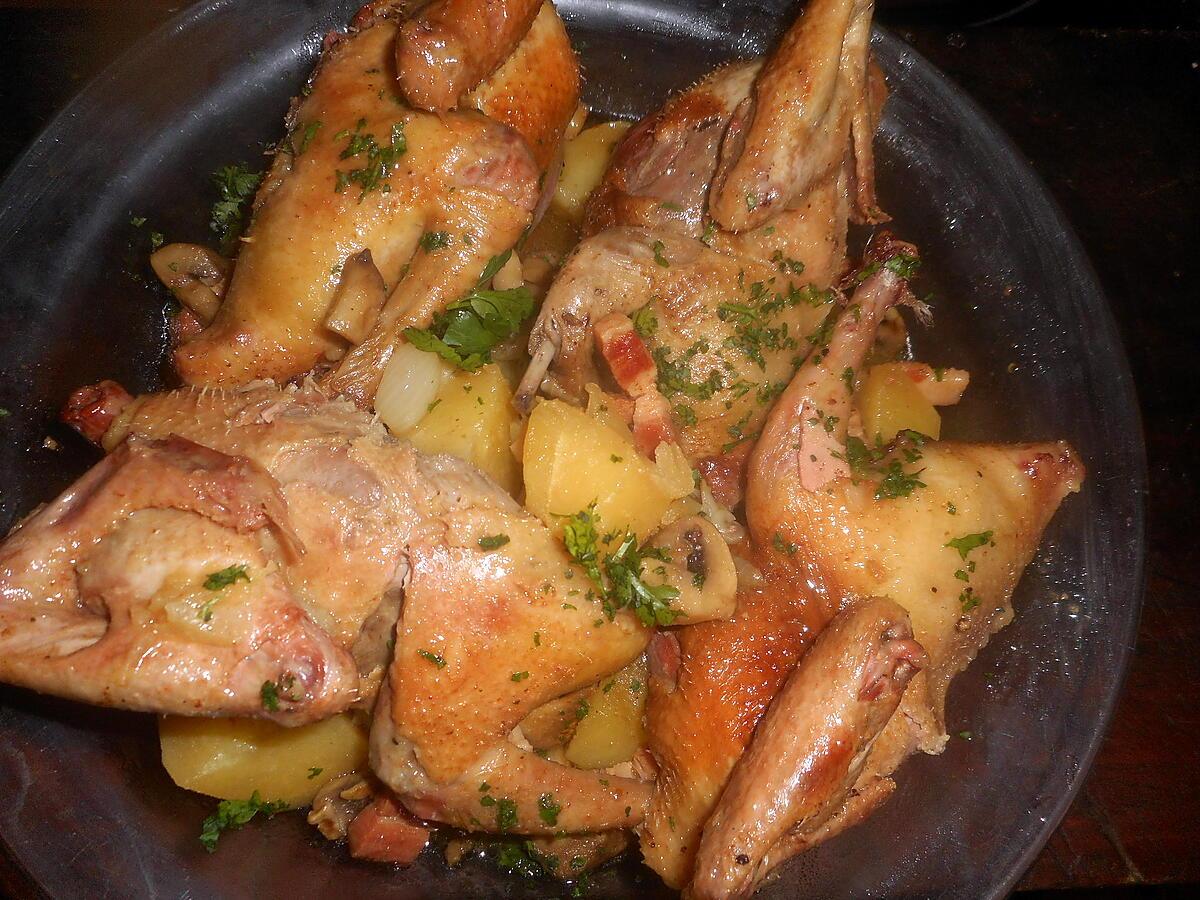
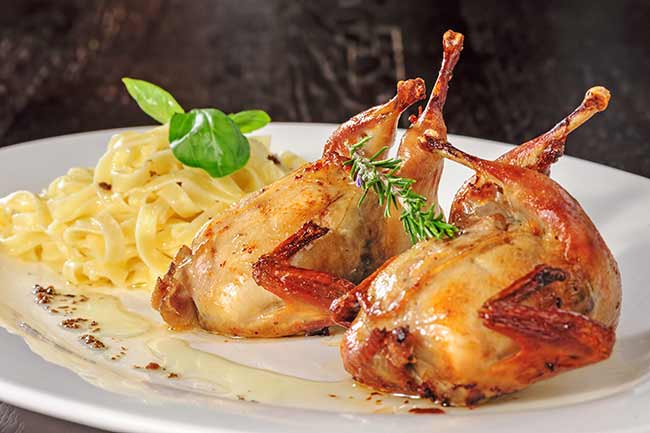
- Serve with Style: Serve with crusty bread (for soaking up all that delicious sauce), potatoes, or polenta. Et voilà! You're a French cooking rockstar!
So, there you have it. Palombe en Sauce à la Cocotte: a dish that's surprisingly easy to make, incredibly delicious, and guaranteed to impress. Now go forth and conquer your kitchen! Bon appétit!