Bonjour, mes amis! Ever stare blankly at a French verb, wondering if it’s present, past, future, or some bizarre subjunctive from a parallel universe? Today, we’re tackling a seemingly simple beast: Rayer au Présent de l’Indicatif. Now, before you run screaming for the hills, thinking this is going to be a dry grammar lesson, grab a glass of wine (French, naturellement), relax, and let’s make this fun! Think of me as your slightly eccentric, slightly tipsy (just kidding… mostly!), and utterly devoted guide to the wonders of French grammar.
So, What Exactly Is "Rayer"?
Rayer, my dears, simply means "to cross out," "to strike out," or "to erase." Think of it as the linguistic equivalent of taking a red pen to that particularly hideous outfit you wore in your high school yearbook photo. We all have them. Don't deny it.
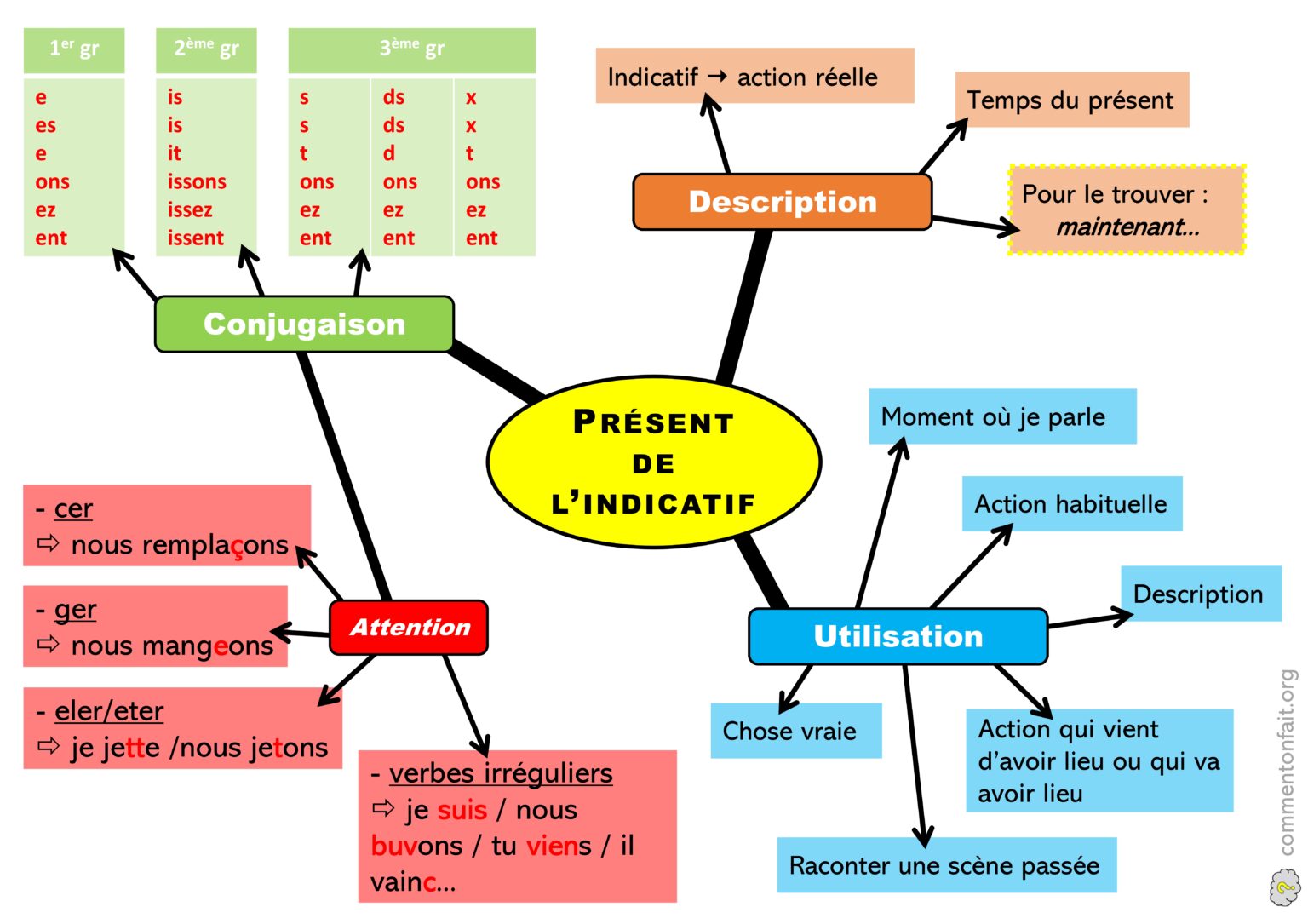
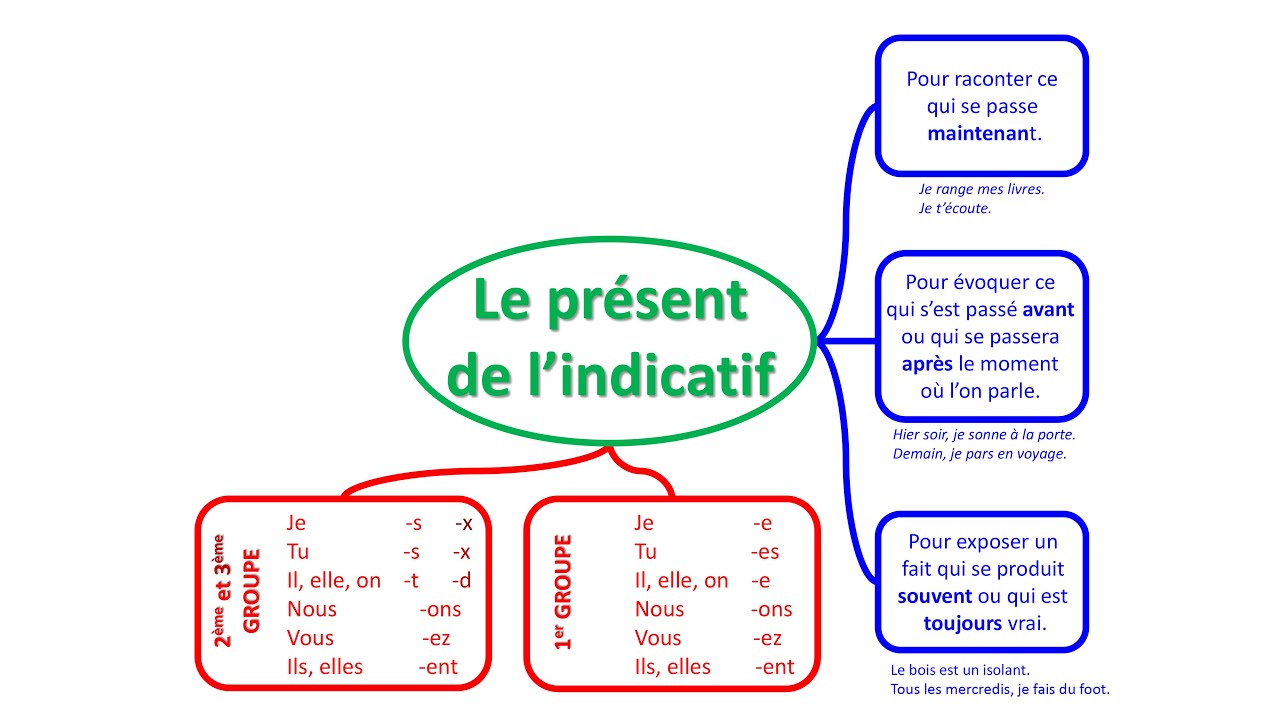
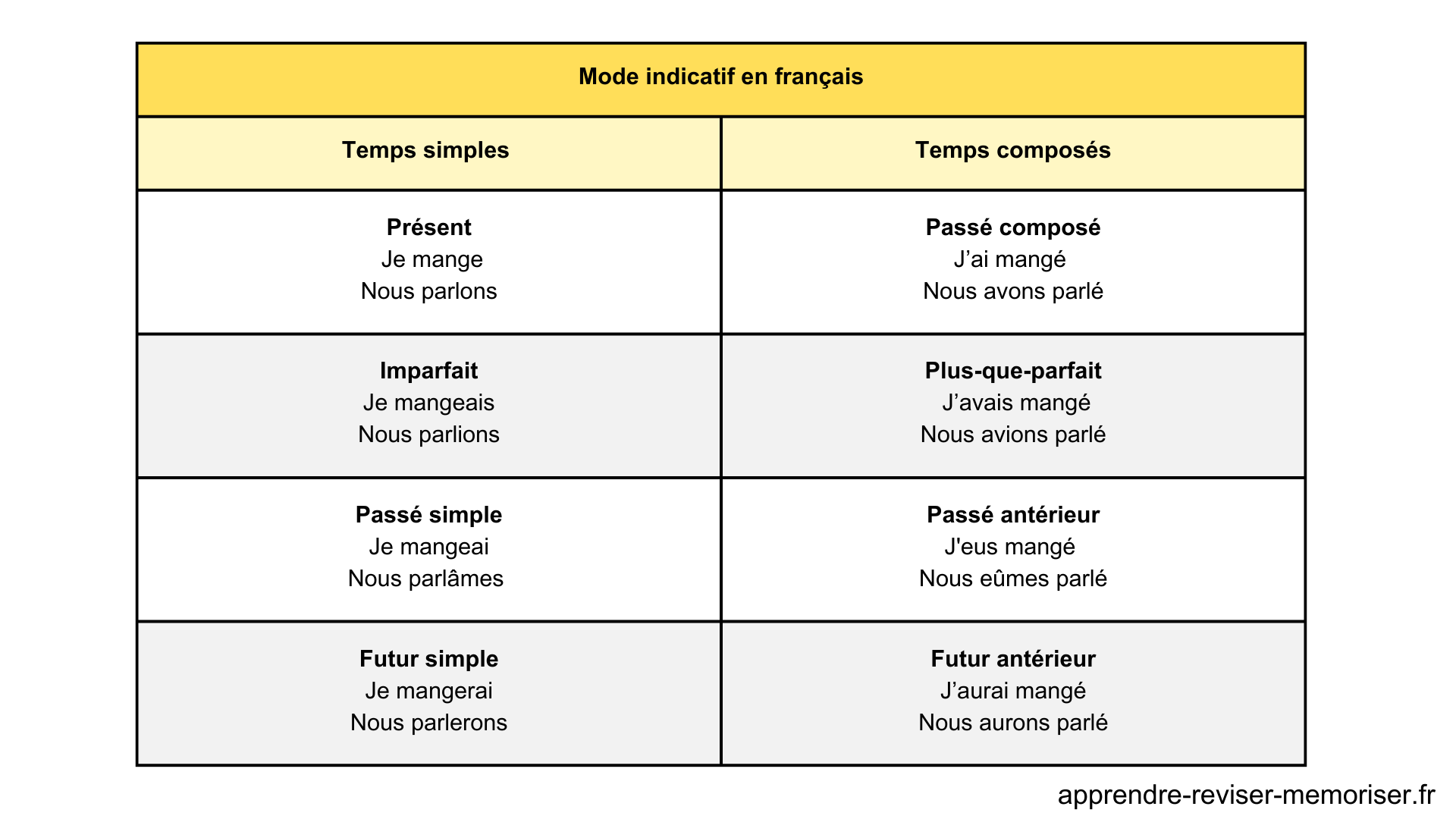
But why are we focusing on it au Présent de l’Indicatif? Because the present indicative is the workhorse of French. It's the tense you use for:
- Habits: Je raye les fautes d'orthographe (I cross out spelling mistakes – a noble pursuit!).
- Facts: Le prof raye les devoirs en retard (The teacher crosses out late homework – tremble, students!).
- Things happening now: Nous rayons ce projet de la liste (We are crossing this project off the list – finally!).
It's basically your go-to tense for describing things as they are, happen, or usually happen. Think of it as the "I am," "I do," "I usually do" tense. Pretty useful, right?
Conjugating "Rayer": The Fun Part (I Promise!)
Okay, okay, I know what you’re thinking. “Conjugation? Sounds like torture!” But fear not! French verb conjugation isn't nearly as terrifying as trying to assemble IKEA furniture without instructions. Let’s break it down, nice and slow:
The Basic Forms
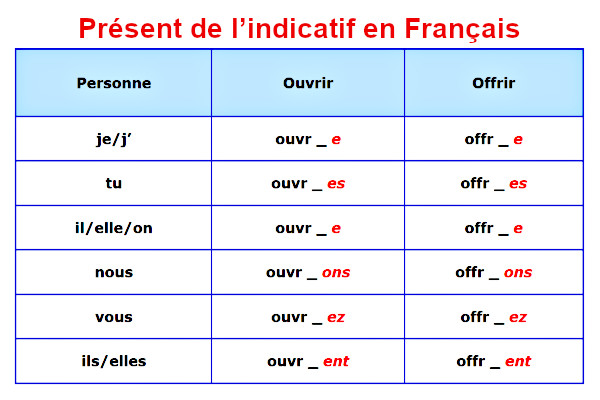
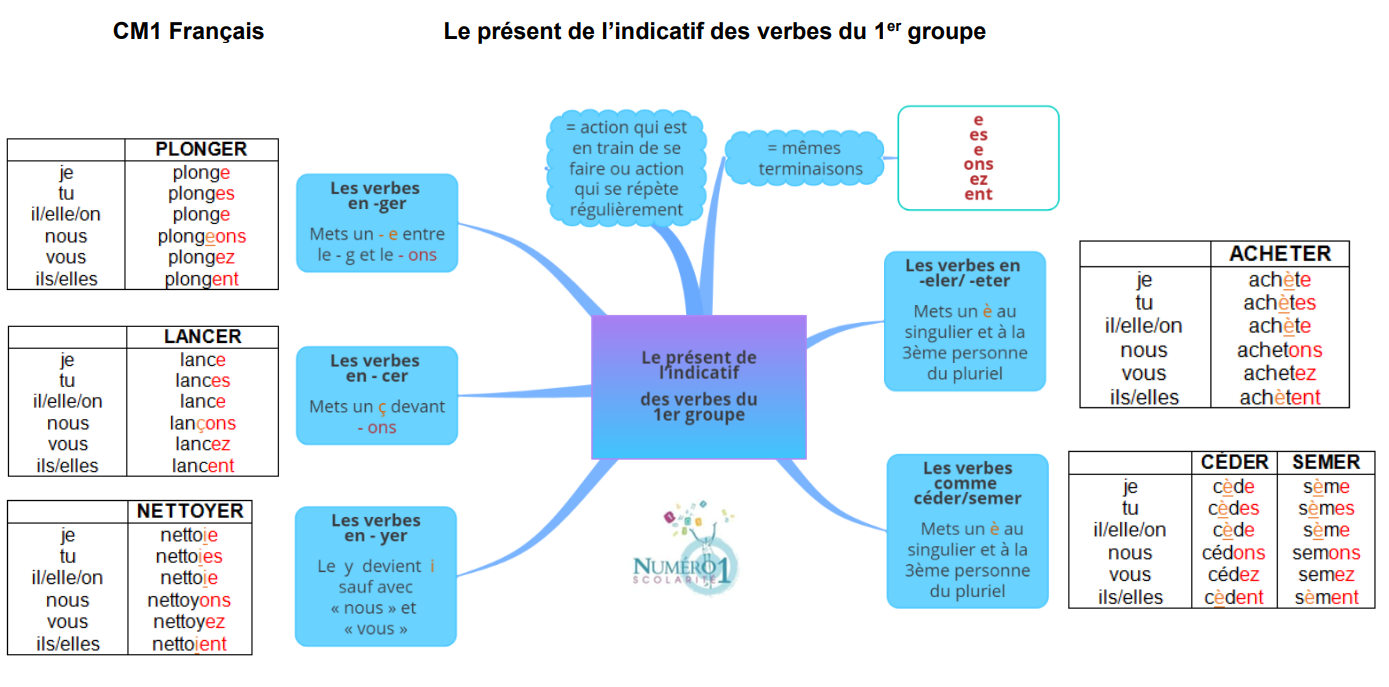
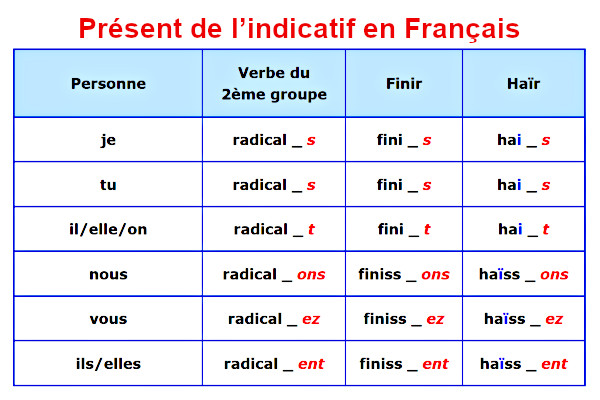
Here's how rayer looks in the present indicative:
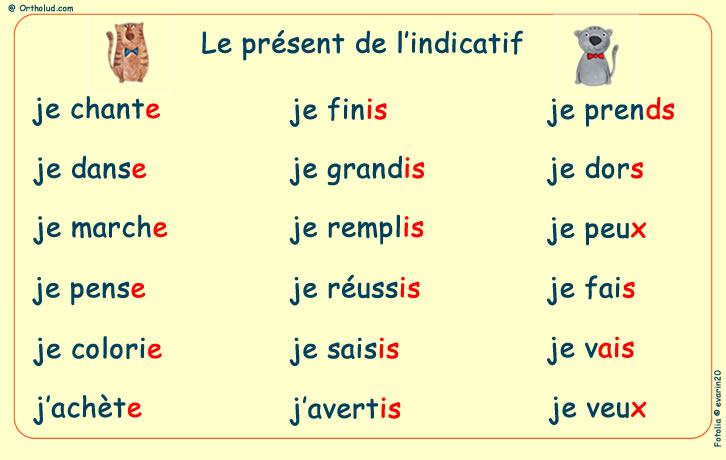
- Je raye (I cross out/am crossing out/usually cross out)
- Tu rayes (You cross out/are crossing out/usually cross out – informal)
- Il/Elle/On raye (He/She/One crosses out/is crossing out/usually crosses out)
- Nous rayons (We cross out/are crossing out/usually cross out)
- Vous rayez (You cross out/are crossing out/usually cross out – formal/plural)
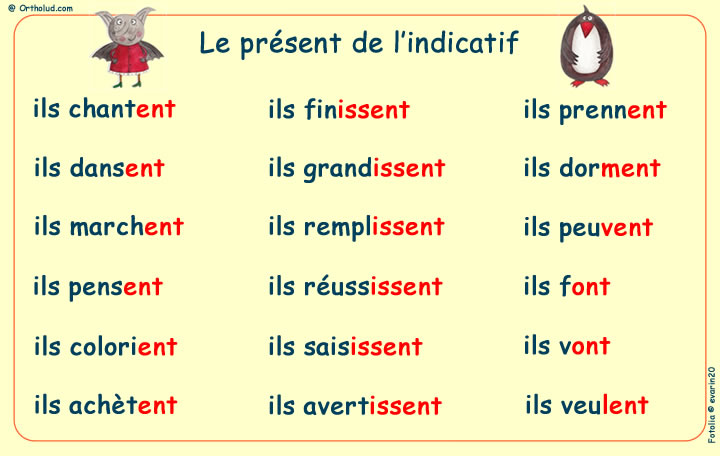
- Ils/Elles rayent (They cross out/are crossing out/usually cross out)
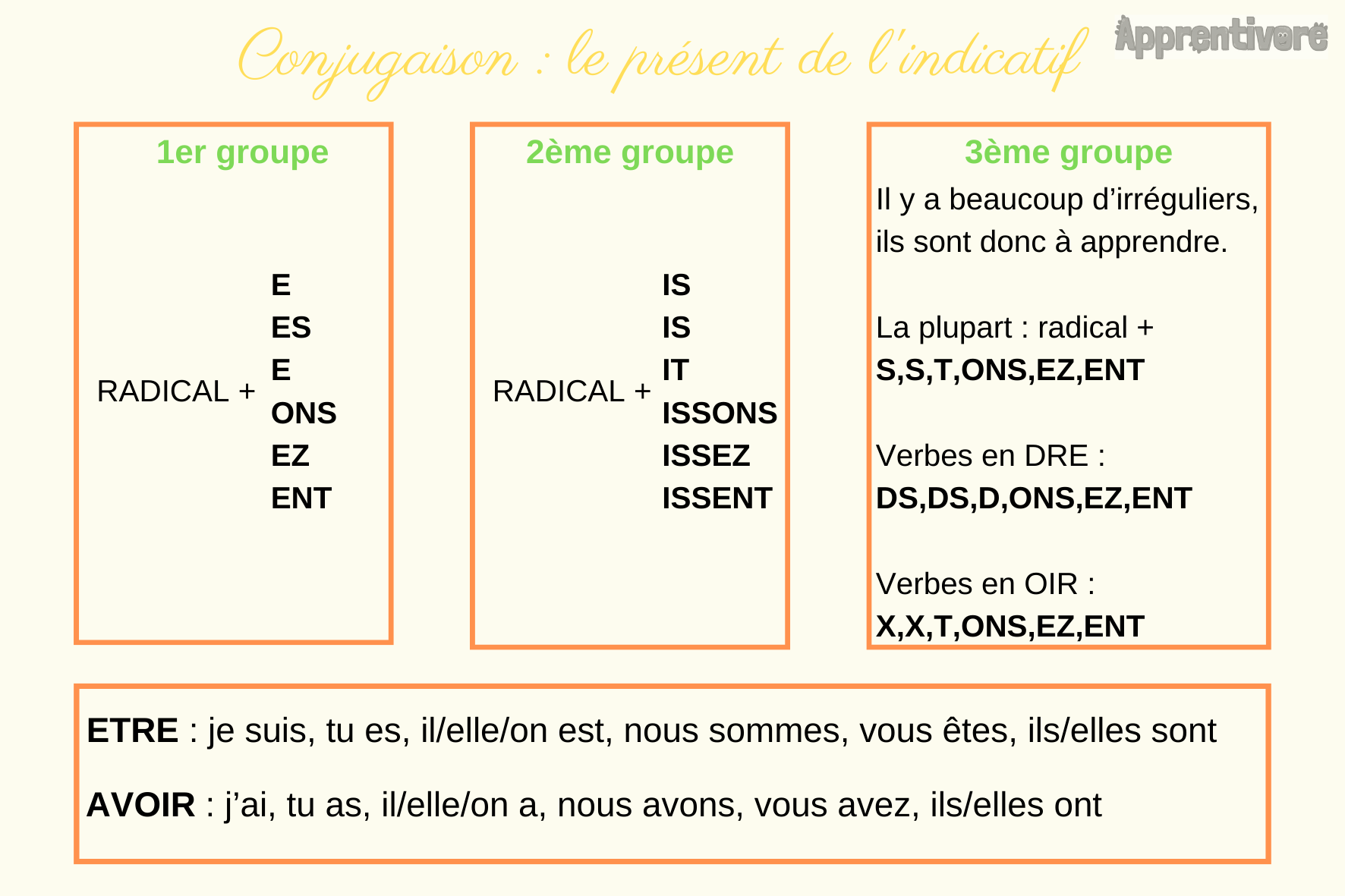
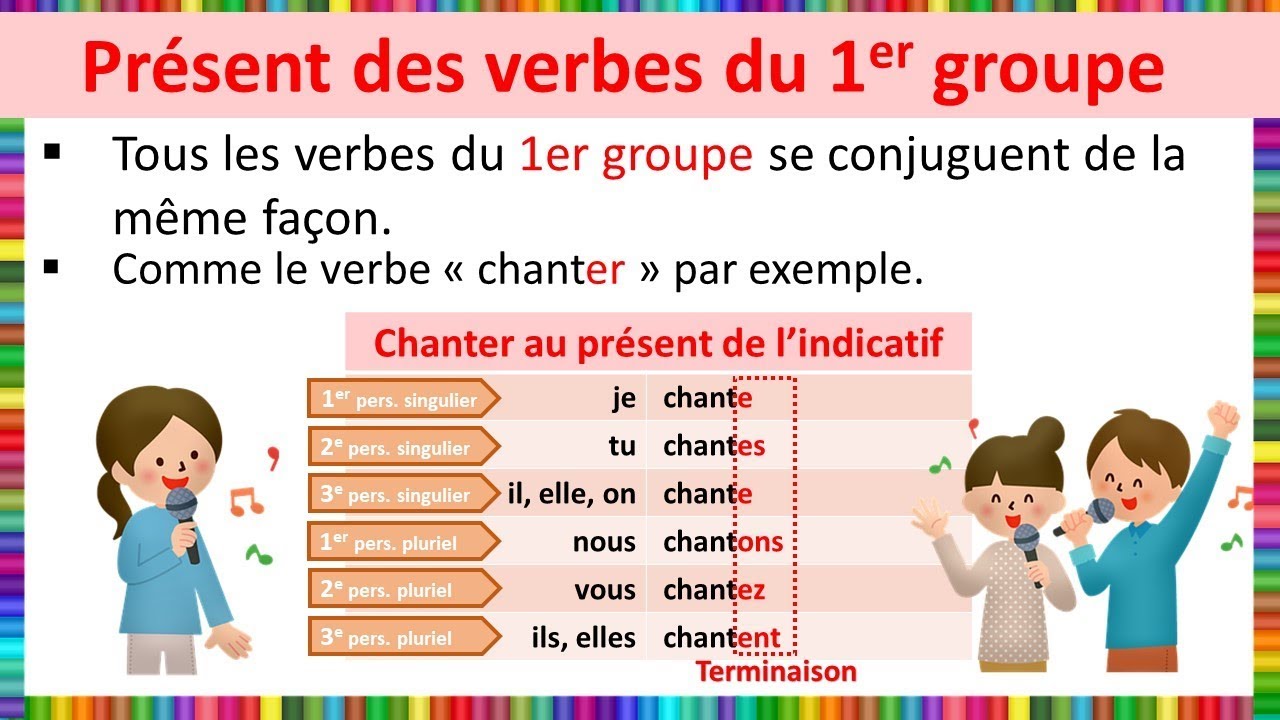
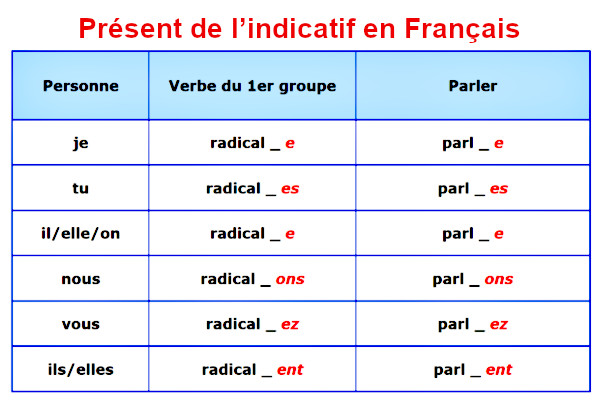
See? Not so bad! The ending change based on the subject pronoun (je, tu, il/elle/on, nous, vous, ils/elles).
Pronunciation Pitfalls (And How to Avoid Them)
French pronunciation can be tricky, but let's focus on the key things with rayer:
- "Je raye," "Tu rayes," "Il/Elle/On raye," "Ils/Elles rayent": These all sound almost identical! The "e" at the end of "raye" and "rayent" is generally silent (unless you are using a very formal or emphatic pronunciation). The key is to pay attention to the context to understand who is doing the crossing out.
- "Nous rayons": This one is pronounced "ray-yohn." Make sure you pronounce that "y" sound! It's what distinguishes it from the others.
- "Vous rayez": This one is pronounced "ray-yay". Pronounce both "e" for making it very clear!
Practice makes perfect! Say them out loud. Embarrass your cat. They're used to it.
Common Mistakes (And How to Laugh at Them... Then Fix Them)
Everyone makes mistakes when learning a new language. It's part of the process! Here are some common pitfalls to watch out for with rayer:
- Forgetting the Endings: This is the classic mistake. Don't just say "Je raye," "Tu raye," "Il raye" all the time. Pay attention to those endings! They're important! Imagine leaving off the last ingredient in a cake – it might still be edible, but it won't be magnifique!
- Confusing "Rayon" with "Rayons": "Rayon" (without the "s") means "ray" (of light) or "department" (in a store). "Nous rayons" means "we cross out." Context is key! You wouldn't want to accidentally tell someone "We are crossing out the light of the sun," unless you're writing a particularly dramatic poem.
- Overthinking It: Sometimes, we get so caught up in the rules that we forget to just... use the language! Don't be afraid to make mistakes. It's how you learn. Think of your brain as a software which needs constant updates and adjustments.
Examples in the Wild (Or, Real-Life Uses of "Rayer")
Let's see rayer in action with some practical examples:
- Je raye les fautes de grammaire dans mes emails. (I cross out grammar mistakes in my emails.) (A habit – and a necessary one for many of us!)
- Tu rayes les rendez-vous annulés de ton calendrier. (You cross out canceled appointments from your calendar.) (An action happening – or about to happen)
- Elle raye les numéros de téléphone des ex-petits amis. (She crosses out ex-boyfriends' phone numbers.) (A recurring action and possibly very therapeutic.)
- Nous rayons les légumes pourris du frigo. (We cross out the rotten vegetables from the fridge.) (A necessary task)
- Vous rayez les noms des personnes qui ne sont pas invitées. (You cross out the names of the people who are not invited.) (A hard task in some circumstances)
- Ils rayent les graffitis sur le mur. (They cross out the graffiti on the wall.) (An activity or a task)
See? Rayer is everywhere! From everyday tasks to dramatic pronouncements, it's a useful verb to have in your French arsenal.
Expanding Your Vocabulary (Because Why Not?)
While we're at it, let's explore some related words and phrases:
- Effacer: To erase. Similar to rayer, but often used for electronic or pencil marks.
- Supprimer: To delete. Use this for getting rid of files on your computer or people on your social media.
- Biffer: Another word for "to cross out." It's a bit more informal than rayer.
- Rayer de la carte: To wipe off the map. Figuratively, of course. Unless you're a supervillain.
- Faire une rature: To make a crossing-out. This is the noun form.
Adding these words to your repertoire will make you sound even more fluent and sophisticated. Prepare to impress your French-speaking friends! Or, at least, confuse them with your extensive vocabulary.
Advanced Usage: The Subjunctive Strikes Back! (Just Kidding... Sort Of)
Okay, I promised no scary grammar, but I can’t resist a tiny peek at how rayer might pop up in more advanced constructions. Don’t panic! We’re just dipping our toes in the water here. Consider it a sneak preview of future adventures.
For instance, rayer can appear in subjunctive clauses, often after verbs expressing doubt, desire, or necessity:
- Il est important que tu rayes cette idée de ta tête. (It is important that you cross this idea out of your head.)
- Je doute qu'il raye son nom de la liste. (I doubt that he will cross out his name from the list.)
But for now, don’t worry too much about the subjunctive. Mastering the present indicative is the first step. Think of the subjunctive as the dessert – you can’t have dessert until you’ve finished your vegetables! (And by “vegetables,” I mean present indicative conjugations.)

How to Practice (Without Getting Bored)
Learning a language requires practice, but it doesn't have to be a chore. Here are some fun ways to practice using rayer:
- Write sentences: Start simple. "Je raye mon nom sur la liste." (I cross out my name on the list.) Then get creative! "Nous rayons toutes les mauvaises idées de notre brainstorming." (We cross out all the bad ideas from our brainstorming.)
- Translate: Find English sentences with "cross out," "strike out," or "erase" and translate them into French using rayer.
- Role-play: Imagine you're a teacher correcting papers and use rayer to describe what you're doing. Or, pretend you're a ruthless editor slashing unnecessary words from a manuscript.
- Use flashcards: Create flashcards with different subject pronouns and practice conjugating rayer with each one.
- Find a language partner: Practice speaking with a French speaker and ask them to correct your usage of rayer.
The key is to make it fun and engaging. Don't be afraid to be silly and experiment with the language. The more you practice, the more natural it will become.
"Rayer" in Popular Culture (A Stretch, But Bear With Me)
Okay, I'll admit, rayer isn't exactly a blockbuster verb starring in Hollywood movies. But let's try to find some cultural connections, shall we?
- Art: Imagine a modern artist whose entire oeuvre consists of taking famous paintings and dramatically crossing them out with thick black lines. It's edgy! It's controversial! It's... probably been done before. But hey, it's art!
- Literature: A character in a French novel who is constantly crossing out words in her diary, revealing her inner turmoil and indecision. Dramatic! Intense! And a perfect opportunity to use rayer!
- Music: A punk rock band called "Les Rayeurs" whose lyrics are all about rebellion and crossing out societal norms. (Okay, I made that up, but someone should totally do it!)
See? Even a seemingly simple verb like rayer can be a source of inspiration! You just have to use your imagination.
Beyond the Basics: Nuances and Subtleties
While rayer generally means "to cross out," there are subtle nuances in its usage. It often implies a more forceful or definitive action than simply "effacer" (to erase). Think of it as the difference between gently wiping something away and emphatically striking it out.
For example:
- Rayer une dette: To write off a debt (implies a formal cancellation).
- Rayer quelqu'un de sa vie: To cut someone out of your life (implies a decisive and possibly emotional separation).
These subtle differences can add depth and color to your French. Pay attention to the context and the overall tone of the sentence to choose the most appropriate word.
The Importance of Context (Again!)
I know I've said this before, but it bears repeating: context is king (or queen!) in language learning. The meaning of rayer, like any word, can change depending on how it's used.
For instance, if someone says, "J'ai rayé ma voiture," it doesn't mean they crossed it out with a pen! It means they scratched their car (with something else). In this context, rayer means "to scratch" or "to scrape."
Always pay attention to the surrounding words and the overall situation to understand the intended meaning. And don't be afraid to ask for clarification if you're unsure!
Common Expressions with "Rayer"
French, like any language, is full of idiomatic expressions. Here are a few common expressions that use rayer:
- Rayer de la carte: To wipe off the map (figuratively, to eliminate or destroy). "La crise a rayé de la carte de nombreuses petites entreprises." (The crisis has wiped many small businesses off the map.)
- Rayer d'un trait de plume: To strike out with a stroke of the pen (to cancel or abolish something quickly and easily). "Le gouvernement a rayé d'un trait de plume les subventions aux associations culturelles." (The government struck out the subsidies to cultural associations with a stroke of the pen.)
Learning these expressions will make your French sound more natural and idiomatic. Plus, they're fun to use!
"Rayer" vs. Other Similar Verbs: A Deep Dive (Sort Of)
Let's compare rayer with some other verbs that have similar meanings:
- Rayer vs. Effacer: As mentioned earlier, effacer means "to erase." It's generally used for removing something written with a pencil or on a whiteboard. Rayer implies a more forceful or definitive cancellation.
- Rayer vs. Supprimer: Supprimer means "to delete." It's used for removing digital content, like files or emails. You wouldn't say "Je raye mon email" – you would say "Je supprime mon email."
- Rayer vs. Annuler: Annuler means "to cancel." It's used for appointments, events, or orders. You wouldn't say "Je raye mon rendez-vous" – you would say "J'annule mon rendez-vous."
- Rayer vs. Biffer: Biffer is another word for "to cross out," and it's quite similar to rayer. The choice between the two often comes down to personal preference.
Understanding these subtle differences will help you choose the right word in any situation.

A Little Grammar Humor (Because Why Not?)
Why did the French verb go to therapy?
Because it had too many conjugations and felt stressed! (Get it? Stressé... like the accent? I'll see myself out...)
Okay, okay, I know, it's a terrible joke. But hey, at least it's related to grammar!
More Practice Ideas (Get Creative!)
Here are a few more creative ways to practice using rayer:
- Write a short story: Write a short story about a character who is obsessed with crossing things out.
- Create a comic strip: Create a comic strip where the characters are constantly using rayer in funny situations.
- Write a song: Write a song about the joys and sorrows of crossing things out.
- Make a video: Create a video demonstrating how to use rayer in different contexts.
The possibilities are endless! The key is to find ways to make learning fun and engaging.
Final Thoughts (And a Final Laugh)
So, there you have it! Rayer au Présent de l’Indicatif, demystified! Hopefully, you now feel a little more confident and a little less intimidated by this seemingly simple, yet surprisingly versatile verb. Remember, learning a language is a journey, not a destination. Don't be afraid to make mistakes, laugh at yourself, and keep practicing. And if all else fails, just blame it on the subjunctive!
Now, go forth and rayer with confidence! And remember, if you ever feel overwhelmed by French grammar, just take a deep breath, pour yourself a glass of wine, and remember that even native speakers make mistakes. It's all part of the fun!
Au revoir, mes amis! And don't forget to rayer any bad habits you might have picked up along the way. (Unless those bad habits involve eating croissants. Those are definitely worth keeping.)