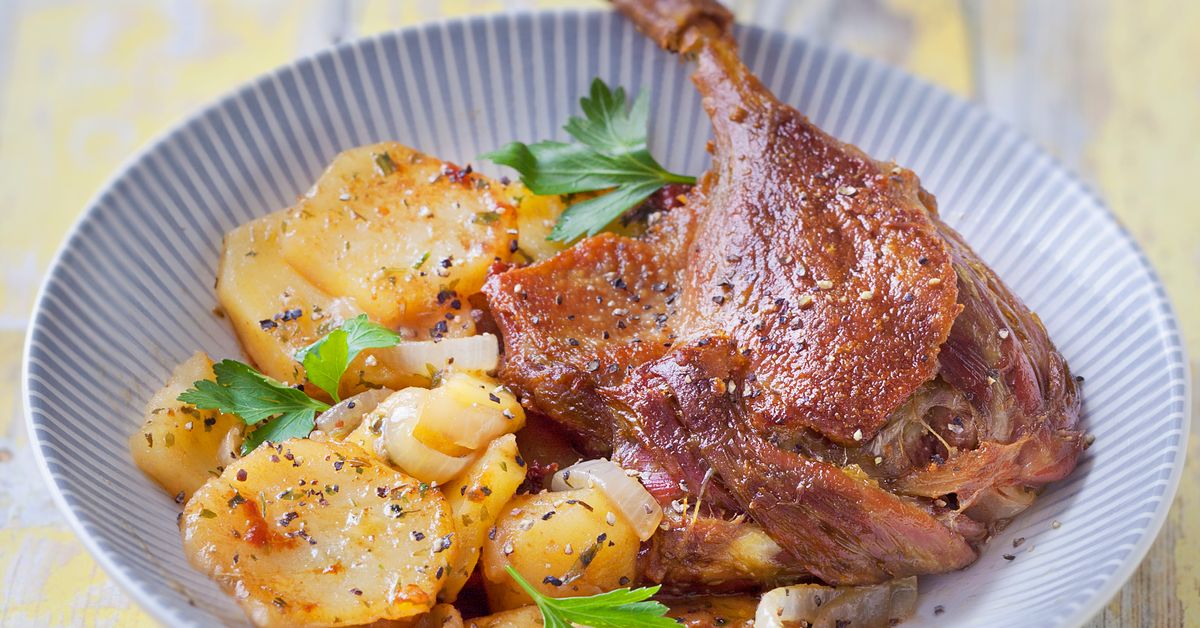
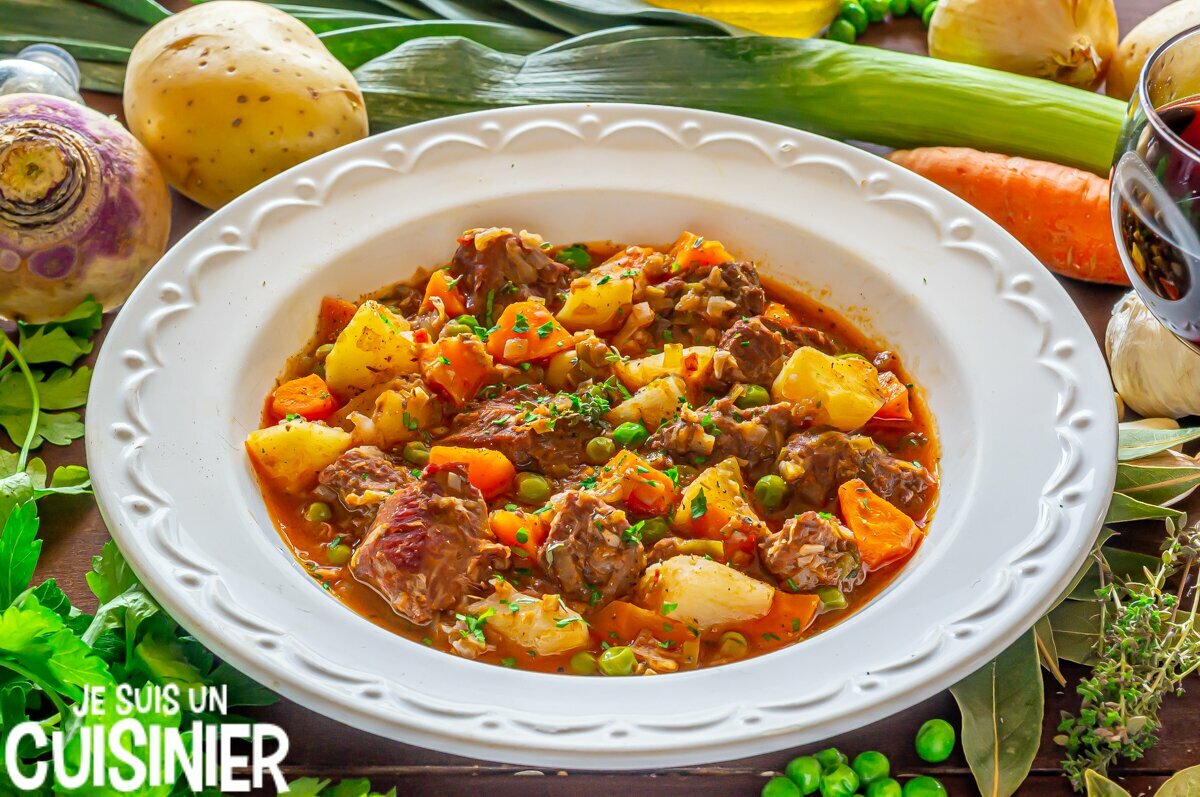
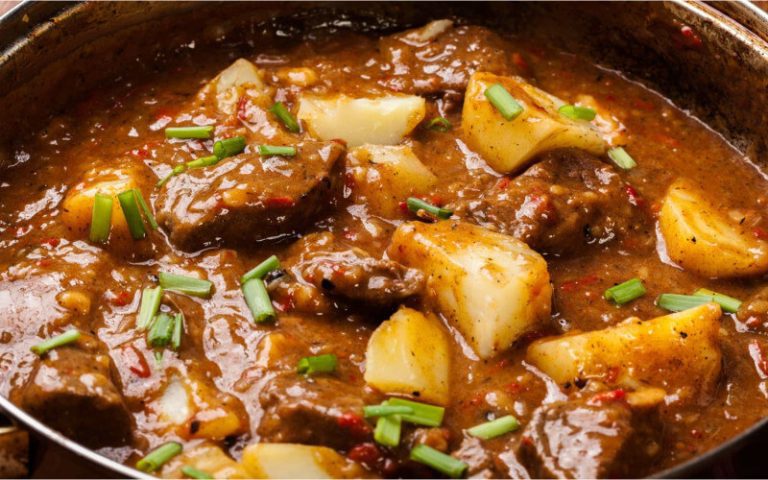
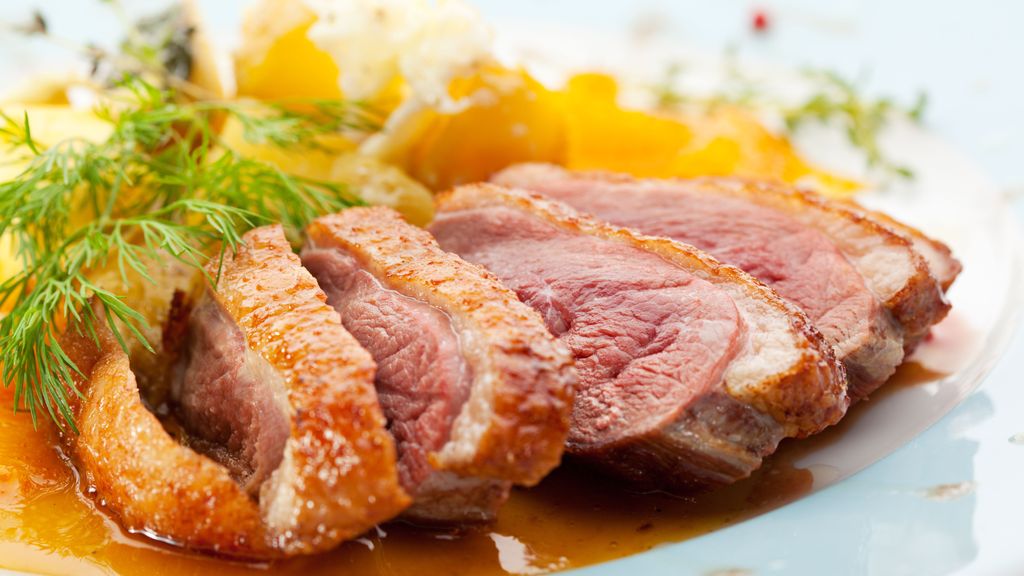
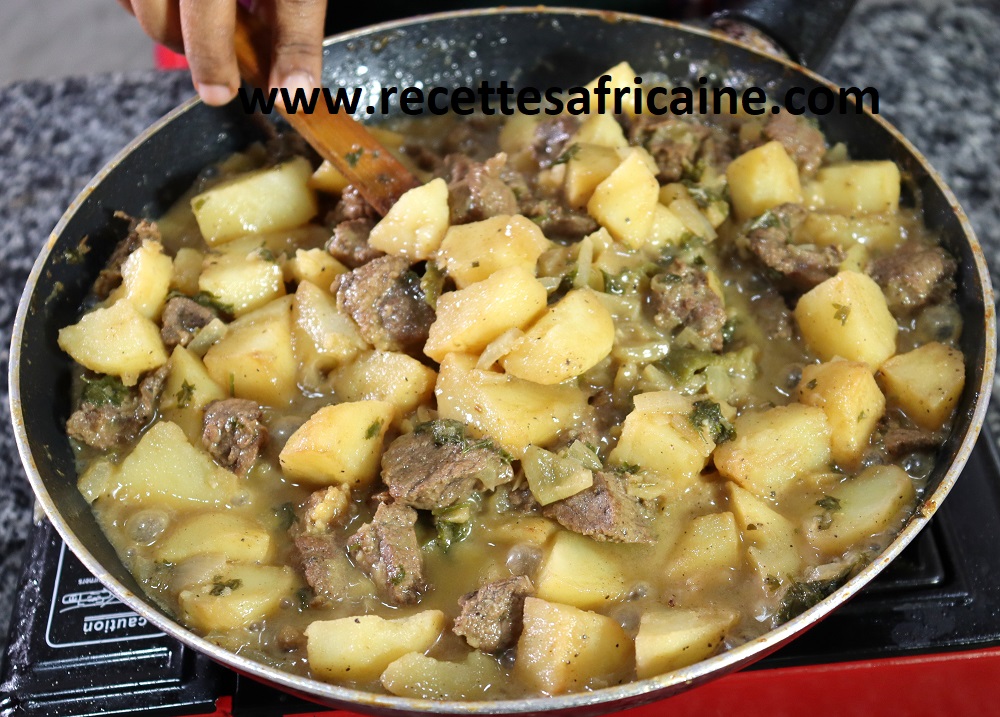
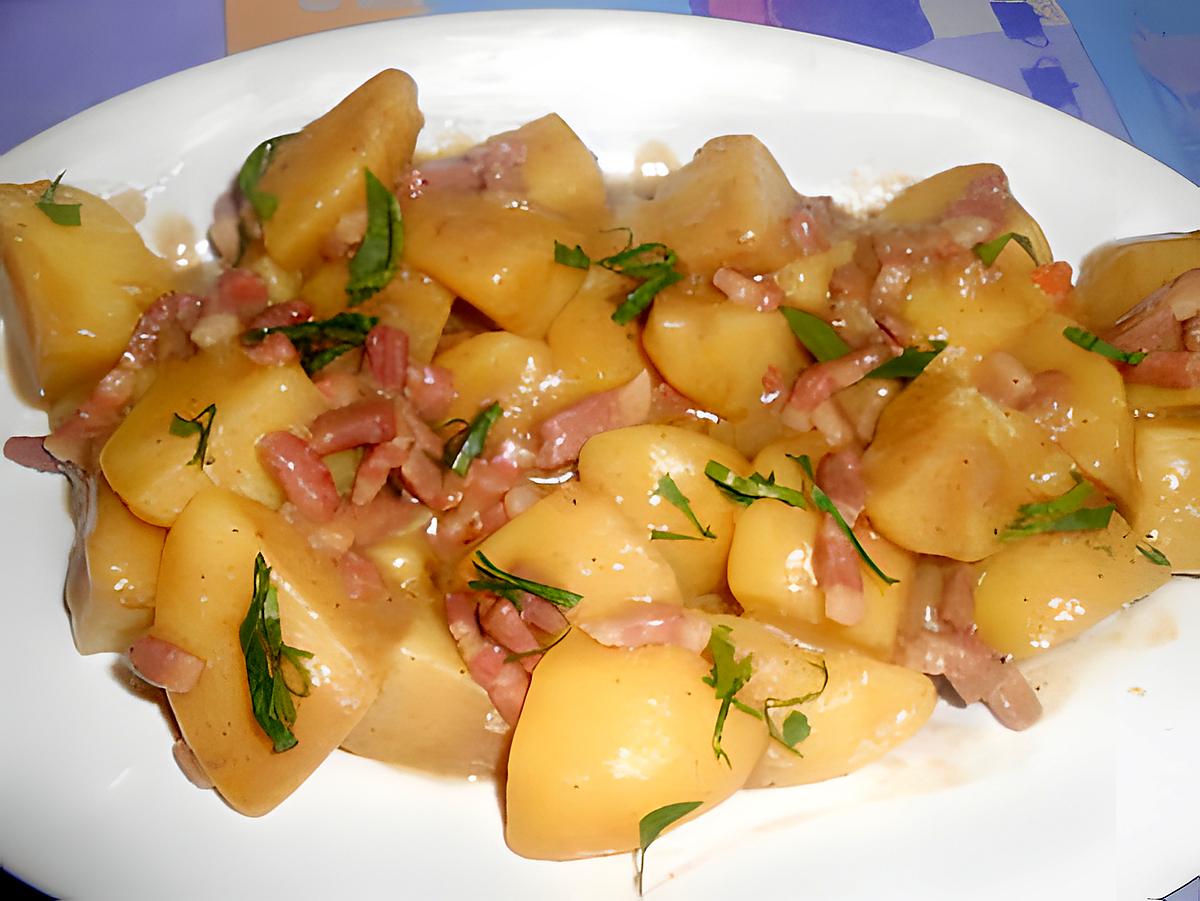
Ah, le Ragoût de Canard aux Pommes de Terre! Just saying the name evokes images of cozy evenings, fireplaces crackling, and the kind of food that hugs you from the inside out. It’s more than just a dish; it's a French culinary tradition, a slice of history simmering in a pot.
Forget the fussy, overly-complicated French cuisine you might imagine. This is rustic elegance at its finest. It’s the kind of meal grand-mère used to make, the kind that sticks to your ribs and fills your soul. So, let's delve into this delectable delight!
The Duck: A French Love Affair
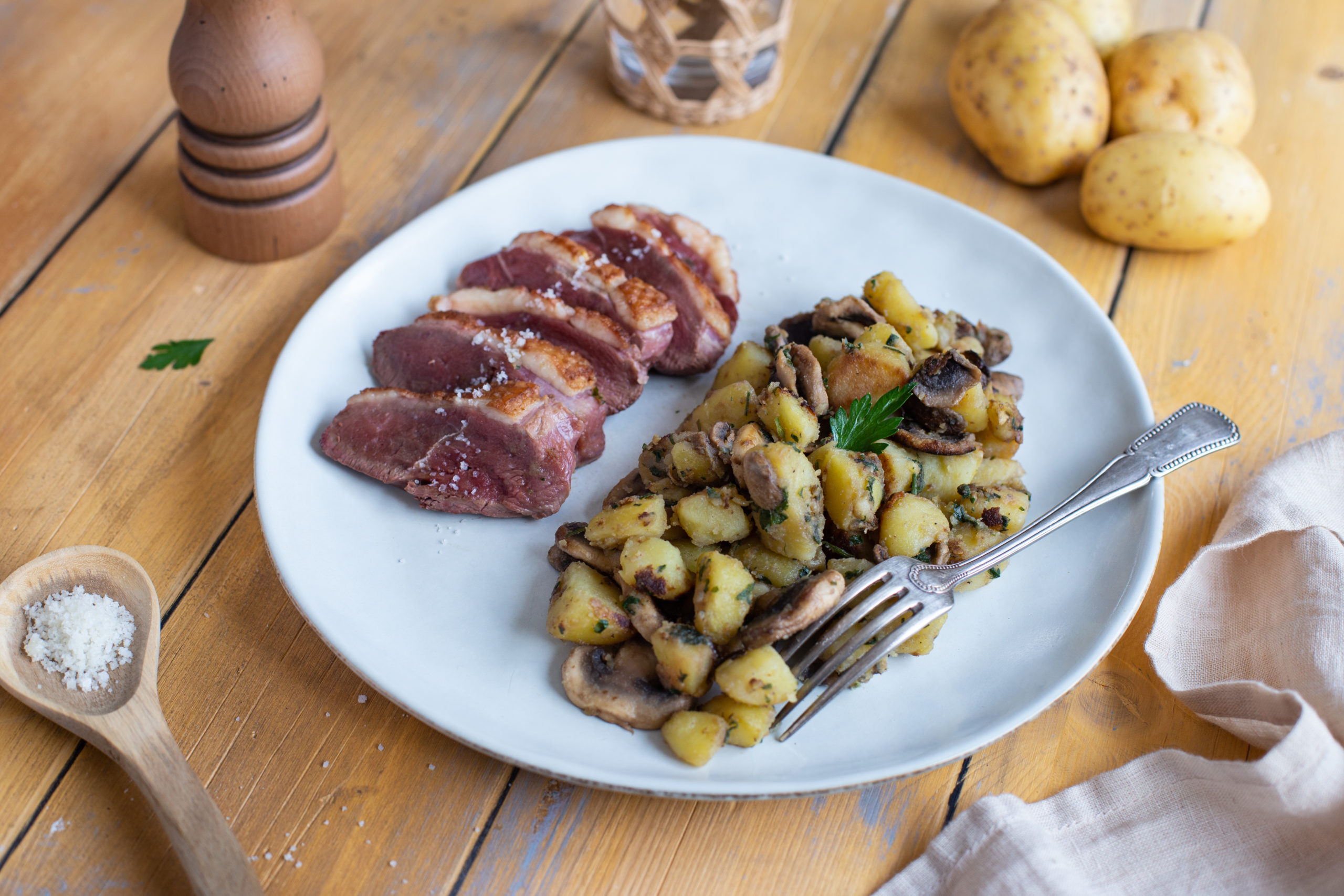
Duck, or canard, holds a special place in the hearts (and stomachs!) of the French. From confit to foie gras, they know how to treat this bird with respect. For this ragoût, we’re aiming for that rich, gamey flavor that only duck can provide. Don't be intimidated by working with duck, it's simpler than you think!
Tip: If you can't find duck pieces, you can substitute with duck legs. Just be sure to render the fat well before adding the other ingredients. That duck fat is liquid gold, trust me!
Potatoes: The Humble Hero
The pommes de terre, or potatoes, are the unassuming backbone of this dish. They absorb all the wonderful flavors of the duck and the sauce, becoming melt-in-your-mouth perfection. Use waxy potatoes like Charlotte or Yukon Gold; they hold their shape well and won't turn to mush during the long simmering process.

Cultural Note: Potatoes weren't always popular in France! In fact, they were once viewed with suspicion. It took the clever marketing of Antoine-Augustin Parmentier in the 18th century to change public opinion and elevate the humble potato to its rightful place in French cuisine.
Building the Flavor: The Magic of Mirepoix
No great French dish is complete without a mirepoix – a mixture of diced onions, carrots, and celery. This aromatic trio forms the base of the flavor profile, adding depth and complexity to the ragoût. Sautéing the mirepoix in duck fat (remember that liquid gold?) is key to releasing its full potential. Let it gently soften and sweeten before adding the other ingredients. Patience is a virtue, especially in the kitchen!
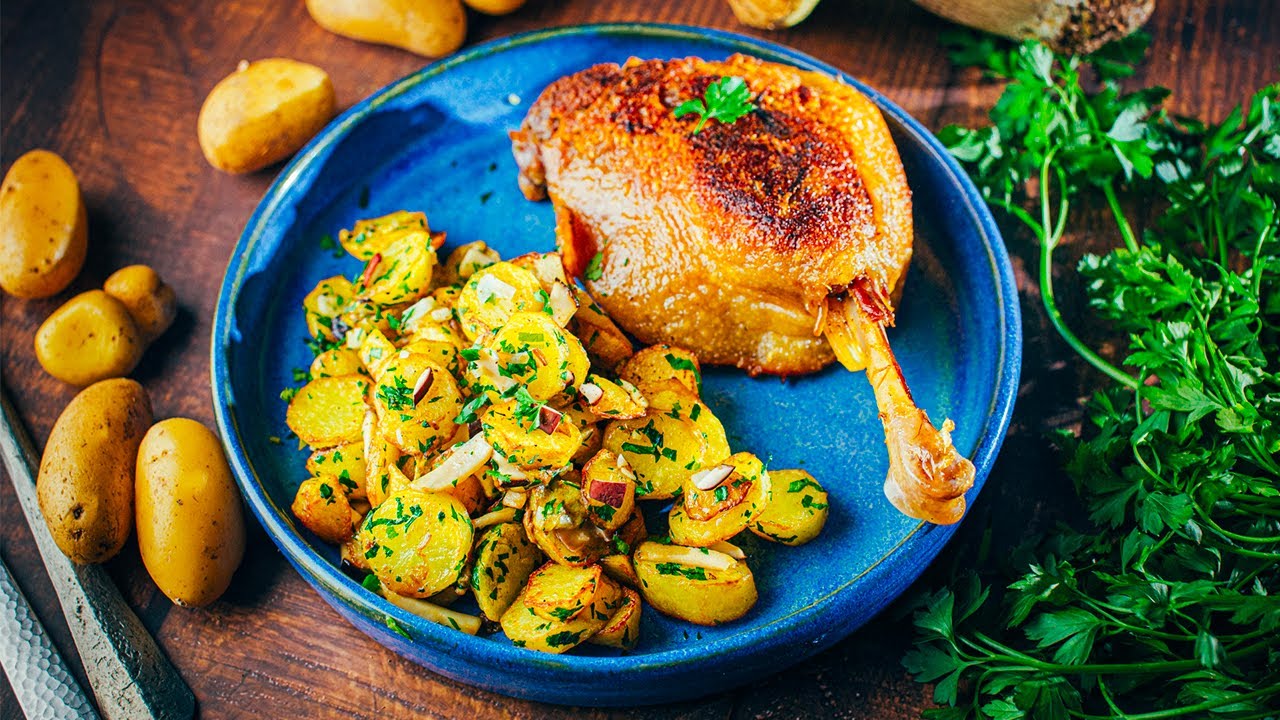
Adding the Spark: Wine and Herbs
A splash of red wine, preferably a robust Burgundy, adds a touch of sophistication and helps to deglaze the pot, lifting all those flavorful browned bits from the bottom. Herbs like thyme and bay leaf infuse the dish with earthy notes, creating a symphony of aromas that will fill your kitchen.
- Red Wine: Choose a dry red, ideally from the Burgundy region.
- Herbs: Fresh thyme and bay leaf are best, but dried herbs will work in a pinch.
- Spice: A little goes a long way.
Simmering to Perfection
The secret to a truly great Ragoût de Canard aux Pommes de Terre lies in the slow, gentle simmering. This allows the flavors to meld and deepen, transforming simple ingredients into something extraordinary. Let it bubble away on the stovetop for at least a couple of hours, or even longer if you have the time. The longer it simmers, the better it gets!

Practical Tip: If you're short on time, you can make this dish in a slow cooker. Simply brown the duck and vegetables in a skillet, then transfer everything to the slow cooker and let it simmer on low for 6-8 hours.
Serving Suggestion: A Simple Affair
This ragoût is best served simply, with a crusty baguette for soaking up the delicious sauce. A green salad adds a touch of freshness and balance. And, of course, a glass of red wine to complement the flavors. Don't overthink it; the beauty of this dish lies in its simplicity.

Fun Fact: Ragoût is derived from the French word "ragoûter", meaning "to revive the appetite". So, prepare to be revived!
And don’t forget, this dish is even better the next day! So, consider making a big batch and enjoying leftovers.
A Moment of Reflection
In our fast-paced world, it's easy to forget the simple pleasures of life. Taking the time to prepare a dish like Ragoût de Canard aux Pommes de Terre is a reminder to slow down, savor the moment, and connect with the traditions that nourish us. It's a way to create a sense of hygge – that feeling of coziness and contentment – in our own homes. So, gather your loved ones, share a meal, and appreciate the beauty of simple, honest food. After all, isn't that what life is all about?