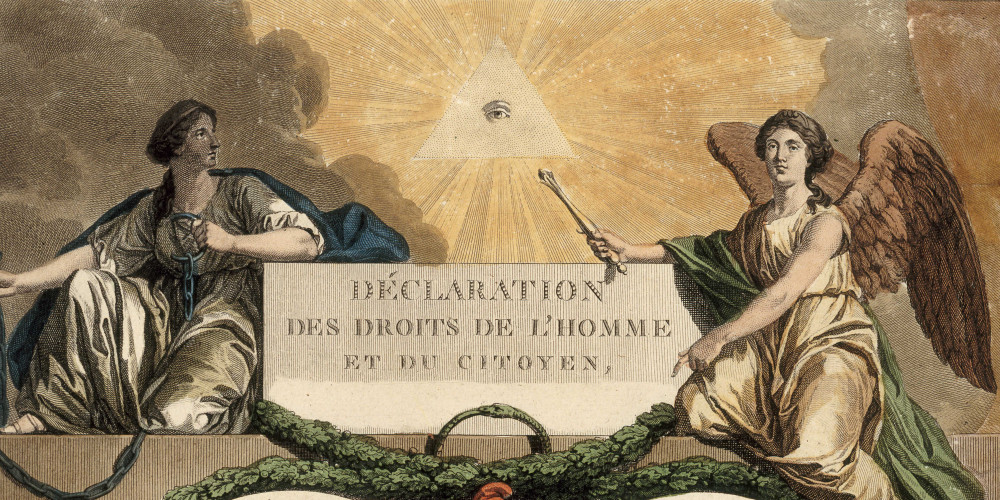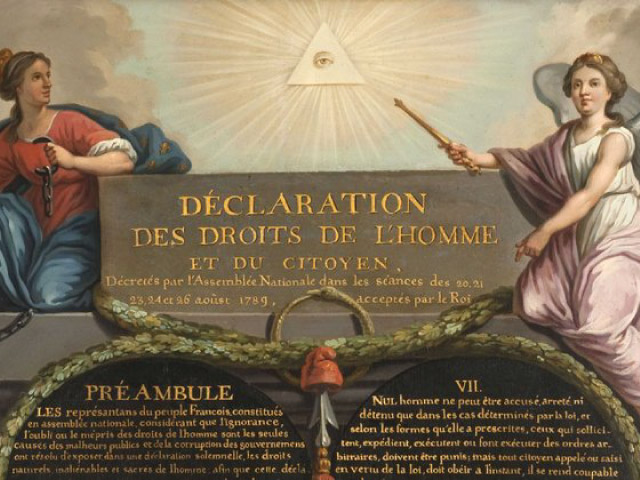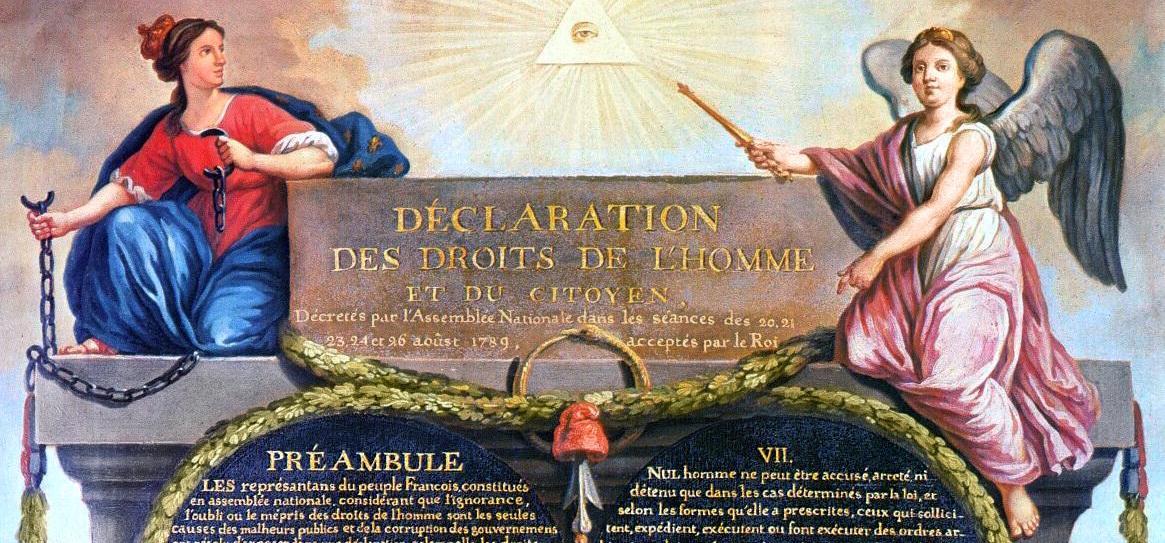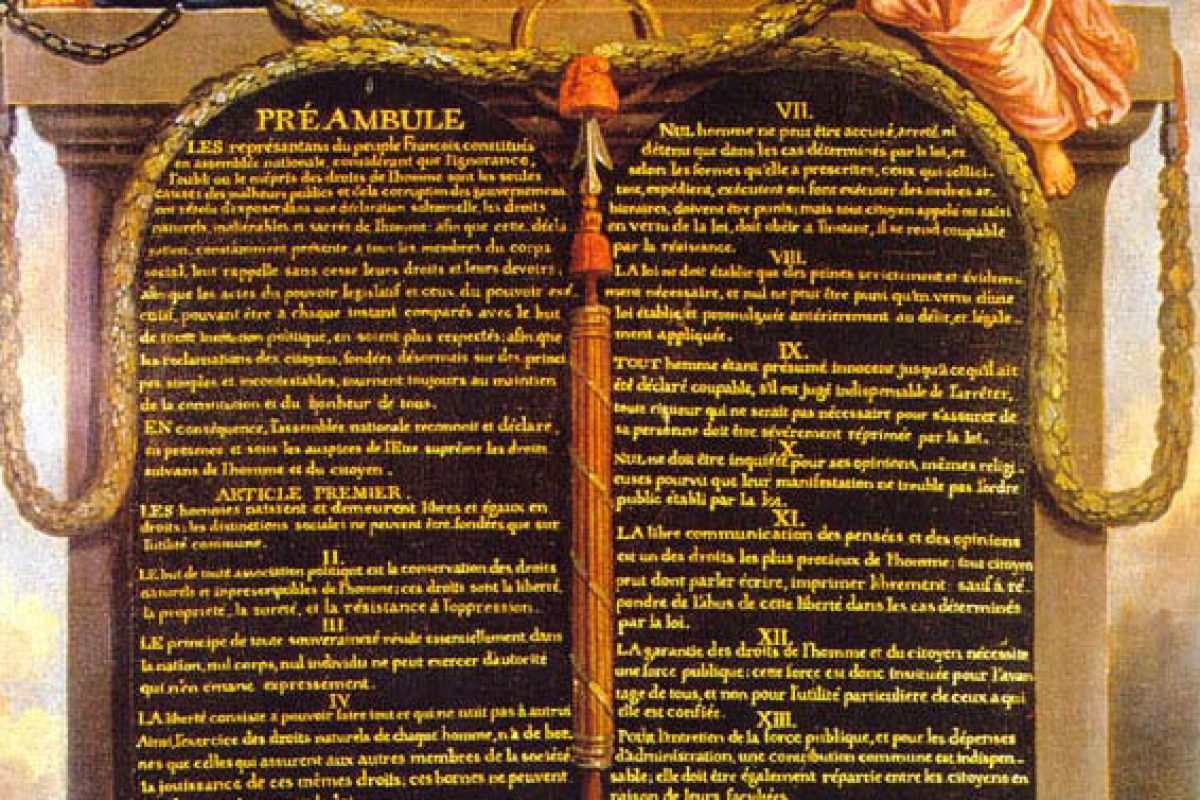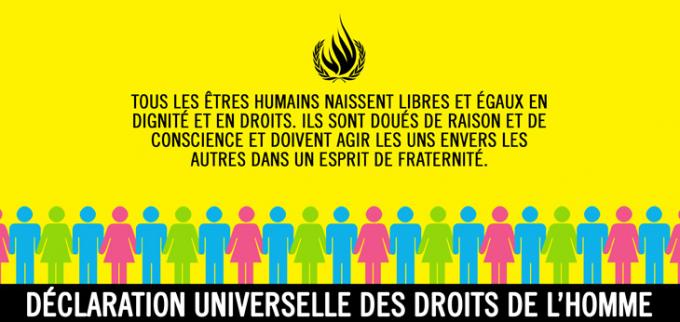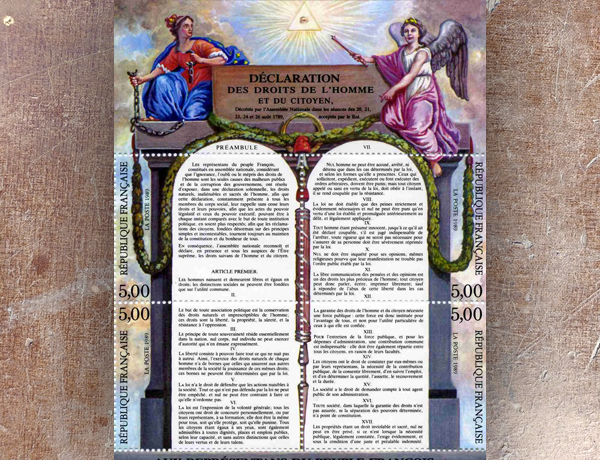
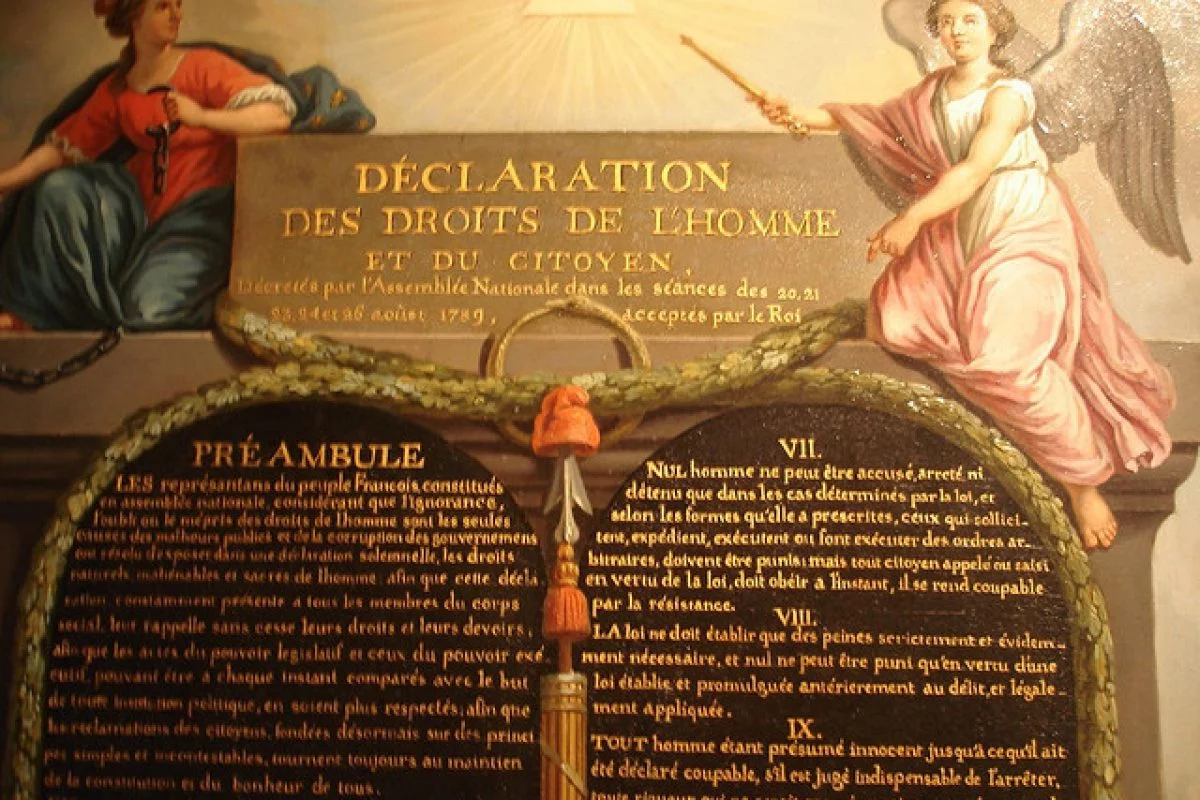
Salut, toi ! Ever wondered where the idea that everyone deserves basic rights came from? I mean, really wondered? It's not just some dusty old document tucked away in a museum – it's the Déclaration des Droits de l'Homme et du Citoyen, and it's seriously cool! So, who penned this game-changer? Let's dive in!
So, Who Wrote It? A Collaborative Effort!
Okay, here’s the thing: it wasn't exactly one person sitting in a room, having a sudden "Eureka!" moment. Imagine it more like a really lively group project, only instead of getting a bad grade if it fails, the fate of a nation (and arguably the world) hangs in the balance! Stressful, right? But also, kind of exciting!
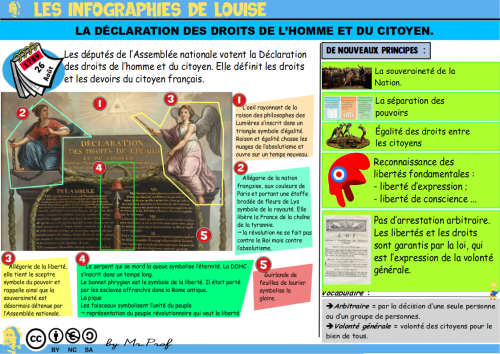
The Déclaration was a product of the French Revolution. Think powdered wigs, radical ideas, and… well, a lot of political upheaval. The National Assembly, l'Assemblée Nationale, was formed to figure out a new way forward after, shall we say, issues with the monarchy. And this assembly… it was a big, diverse group. We’re talking nobles, clergymen, commoners… a real melting pot of perspectives. Imagine the debates!
Several figures and committees contributed their brainpower and drafting skills to this monumental task. It's not a simple "written by one genius" story. It's a "made by a collective of brilliant (and sometimes bickering!) minds" kind of story. Which, frankly, is way more interesting, don’t you think?
Key Players in the Drama (er, Document Creation!)
Alright, let's meet some of the stars of our historical drama. (Pop some popcorn, it's about to get good!)
Emmanuel-Joseph Sieyès (Abbé Sieyès): This guy? A major influencer! He wasn't just a pretty face in a clerical collar. Sieyès wrote the pamphlet "Qu'est-ce que le tiers état?" ("What is the Third Estate?"), which was basically the manifesto for the revolution. He championed the idea of national sovereignty, meaning the power resided in the nation, not just the king. Boom! Revolutionary stuff!

Honoré Gabriel Riqueti, comte de Mirabeau: A nobleman with a scandalous past (and a booming voice, apparently!), Mirabeau was a gifted orator and a powerful advocate for compromise. He was a bridge between the aristocracy and the Third Estate, pushing for a constitutional monarchy. Though his personal life was...let’s say colorful, his political influence was undeniable.
Marquis de Lafayette: You might know him as a hero of the American Revolution. Lafayette was a champion of liberty on both sides of the Atlantic. He brought his experience and ideals to the table, advocating for a declaration of rights based on American models. He even presented a draft, heavily influenced by the American Declaration of Independence. Talk about cross-Atlantic collaboration!
Committee of Five: This was the official committee charged with drafting the document. While the big names above influenced the process, the Committee of Five, composed of Démeunier, La Luzerne, Tronchet, Mirabeau, and Redon, was charged with the actual drafting and presentation to the assembly.
Influence and Inspiration: Where Did These Ideas Come From?
So, these guys are sitting around a table (probably a very fancy table), arguing about the best way to define human rights. But where did they get these ideas in the first place? They didn’t just pop out of thin air!
The Enlightenment, le Siècle des Lumières, was the it philosophical movement of the time. Thinkers like John Locke, Jean-Jacques Rousseau, and Montesquieu championed concepts like natural rights, popular sovereignty, and the separation of powers. These ideas were basically the intellectual fuel that powered the French Revolution and inspired the Declaration. (Talk about reading lists that change the world!)
The American Revolution, fresh in everyone's minds, served as a powerful example. The American Declaration of Independence, with its bold declaration of "life, liberty, and the pursuit of happiness," showed that it was possible to challenge established power and create a society based on individual rights. Imagine the French thinking, “Hey, if they can do it, why can’t we?”
Let’s not forget the existing French laws and traditions. The Declaration wasn't created in a vacuum. It built upon existing legal frameworks and sought to reform them, addressing injustices and inequalities that had plagued French society for centuries.
Why This Matters: Rights for You and Me!
Okay, okay, history is cool and all, but why should you care about who wrote some old document from the 1700s? Because, my friend, the Déclaration des Droits de l'Homme et du Citoyen is the foundation for human rights as we understand them today. Think about it:

- Freedom of speech: The right to say what's on your mind (within reason, of course!).
- Freedom of religion: The right to believe (or not believe) as you choose.
- Equality before the law: The idea that everyone, regardless of their background, should be treated fairly by the justice system.
- Presumption of innocence: You're innocent until proven guilty.
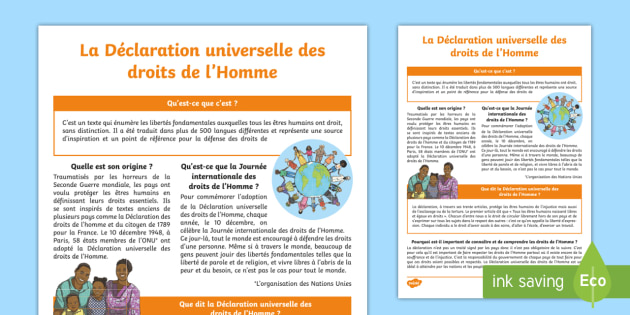
These aren't just abstract concepts. They're the bedrock of a free and just society. And the Déclaration helped to spread these ideas around the world. Seriously, this document has had a ripple effect on history. It’s like the butterfly effect, but instead of causing a hurricane, it inspires freedom and equality! Way better, right?
And that’s why you should care! Understanding the history of human rights helps us appreciate the freedoms we have and reminds us to defend them, always. It’s not just about memorizing dates and names (though those are good too!), it's about understanding the struggle and the passion that went into creating a world where everyone is treated with dignity and respect.
Fun Fact: A Little Imperfect, But Still Awesome!
Now, let's be real. The Déclaration wasn't perfect. It didn't initially extend these rights to everyone – women and enslaved people were notably excluded. (Yes, history can be messy and complicated!) But the beauty of the document is that it provided a framework for future progress. It planted the seed for a more inclusive and just society, even if it took time for that seed to fully bloom.
Olympe de Gouges, a French playwright and activist, penned the "Declaration of the Rights of Woman and of the Female Citizen" in 1791, directly challenging the exclusion of women from the original document. She was ahead of her time and deserves to be remembered as a champion of equality! (Seriously, look her up, she's amazing!). The fight for equality is an ongoing process, and the Déclaration, despite its initial limitations, provided a crucial foundation for that fight.
So, What Now? Go Learn More!
Hopefully, you now have a better understanding of who contributed to writing the Déclaration des Droits de l'Homme et du Citoyen. The answer isn't a simple name; it's a story of collaboration, inspiration, and, yes, even a little bit of conflict! It's a story that continues to resonate today.
Don't just take my word for it. Go out there and explore this fascinating topic! Read the Déclaration itself. Learn about the Enlightenment thinkers who influenced its creation. Discover the stories of the men and women who fought for its principles. (Trust me, it's way more fun than it sounds!).
Understanding the history of human rights isn't just about learning about the past; it's about shaping the future. It's about creating a world where everyone can live with dignity, freedom, and justice. And that, my friend, is a truly inspiring thought!
À bientôt, et bonne chance avec vos explorations historiques!