Alright, chers amis, so you're wandering through the digital jungle of Belgium, worried about your personal data being swiped faster than a plate of frites at a festival? Don't panic! We're here to shed some light on the guardians of your online soul, the protectors of your digital dignity, the… well, you get the picture. Let's talk about who's keeping an eye on things.
The Big Boss: The Autorité de Protection des Données (APD) – Your Data's Superhero
First and foremost, we have the big kahuna, the head honcho, the… okay, I'll stop with the metaphors. The Autorité de Protection des Données (APD), previously known as the Commission de la protection de la vie privée, is the official data protection authority in Belgium. Think of them as the Batman of data protection, except they probably wear less spandex and have a slightly less intimidating voice (probably).
But seriously, this is the main institution responsible for ensuring that everyone – from big corporations to your local bakery with that suspiciously detailed online ordering system – is playing by the rules when it comes to handling your personal information. They're like the referee in a very complicated, high-stakes game of digital tag.
What exactly does the APD do? Glad you asked!
They're not just sitting around drinking coffee and looking important (although I wouldn't blame them if they were – data protection is hard work!). The APD actually has a pretty extensive to-do list, including:
- Monitoring compliance: They keep a close eye on how organizations are implementing the General Data Protection Regulation (GDPR) and other relevant data protection laws. Think of them as the quality control department for the entire Belgian data ecosystem.
- Providing guidance: Confused about your rights? Not sure how to comply with the GDPR? The APD offers advice, guidelines, and resources to help both individuals and organizations navigate the often-murky waters of data protection. They're basically the data protection Yoda, dispensing wisdom to bewildered Jedi (or, you know, small business owners).
- Handling complaints: If you believe your data protection rights have been violated, you can file a complaint with the APD. They'll investigate the matter and, if necessary, take action against the offending party. This is where they get to play judge, jury, and (hopefully) data protector.
- Imposing sanctions: And speaking of taking action, the APD has the power to issue fines and other penalties to organizations that violate data protection laws. These fines can be quite hefty, so it's definitely in everyone's best interest to stay on the APD's good side. Think of it as the data protection equivalent of getting a speeding ticket, only a lot more expensive.
- Promoting awareness: The APD also works to raise awareness about data protection issues among the general public. They want everyone to understand their rights and how to protect their personal information. They’re like the enthusiastic teachers of the digital world, spreading knowledge one byte at a time.
Basically, the APD is the go-to authority for all things data protection in Belgium. If you have a question, a concern, or a complaint, they're the ones to contact.
Sector-Specific Authorities: The Specialized Squad
Now, while the APD is the general data protection superhero, there are also some sector-specific authorities that play a role in ensuring data protection within their respective domains. These are the specialists, the experts in their particular fields.
Why sector-specific authorities?
Because some sectors have unique data protection challenges and requirements. For example, the healthcare sector has to deal with highly sensitive medical information, while the financial sector handles a lot of personal financial data. These sectors need authorities that understand the specific nuances and risks involved.
Examples of sector-specific authorities:
- The Commission bancaire, financière et des assurances (CBFA) / Autorité des services et marchés financiers (FSMA): This authority oversees the financial sector and ensures that banks, insurance companies, and other financial institutions are protecting your financial data. They're basically the financial data police, making sure no one is running off with your hard-earned euros.
- The Autorité de contrôle prudentiel et de résolution (ACPR) in cooperation with the National Bank of Belgium (NBB): While the ACPR is a French authority, the NBB collaborates with them to ensure the stability and soundness of the Belgian financial system, including data protection aspects within that context. They're like the international financial data security team, collaborating to keep the global financial system safe and sound.
- The Ordre des médecins/Orde der geneesheren (Order of Physicians): This professional organization sets ethical standards for doctors and also plays a role in ensuring the confidentiality of patient data. They're the guardians of medical privacy, ensuring that your deepest, darkest medical secrets stay between you and your doctor (and maybe your insurance company, but that's a different story).
- Local authorities: Don't forget that local municipalities and provinces might also have specific regulations or departments dealing with certain aspects of data protection within their jurisdiction. These can range from managing CCTV data to protecting personal information collected for local services. Think of them as the local data watchdogs, keeping an eye on things at the community level.
These sector-specific authorities work in conjunction with the APD to provide a more comprehensive data protection framework. They bring specialized knowledge and expertise to the table, ensuring that data is protected effectively within their respective sectors.

The GDPR: The Rulebook Everyone Must Follow
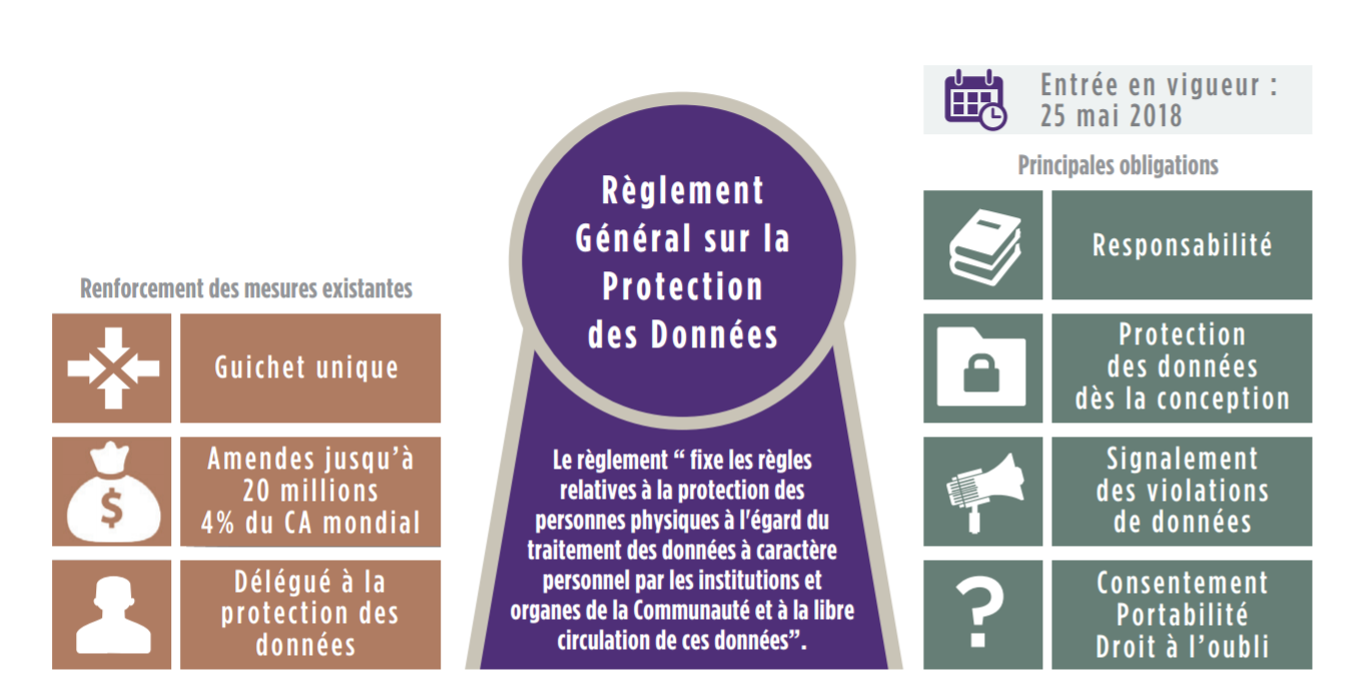
Now, we can't talk about data protection in Belgium without mentioning the General Data Protection Regulation (GDPR). This is the big one, the overarching law that sets the rules for data protection across the European Union, including Belgium.
What is the GDPR?
In a nutshell, the GDPR is a set of rules designed to give individuals more control over their personal data. It applies to any organization that processes the personal data of individuals within the EU, regardless of where the organization is located. So, even if a company is based in, say, Mars, if they're processing the data of Belgian citizens, the GDPR applies to them.

Key principles of the GDPR:
- Transparency: Organizations must be clear and transparent about how they collect, use, and share your personal data. No more hiding sneaky clauses in the fine print!
- Purpose limitation: Organizations can only collect and use your data for specific, legitimate purposes that you've been informed about. They can't just collect your data and then decide later what they want to do with it.
- Data minimization: Organizations should only collect the data that is necessary for the specified purposes. They shouldn't be hoarding data just for the sake of it.
- Accuracy: Organizations must ensure that your data is accurate and up-to-date. If your data is incorrect, you have the right to have it corrected.
- Storage limitation: Organizations can only keep your data for as long as is necessary for the specified purposes. Once the data is no longer needed, it should be deleted.
- Integrity and confidentiality: Organizations must take appropriate security measures to protect your data from unauthorized access, use, or disclosure. They need to keep your data safe and sound.
- Accountability: Organizations are responsible for complying with the GDPR and must be able to demonstrate their compliance. They need to be able to prove that they're following the rules.
Your rights under the GDPR:
The GDPR also gives you a number of important rights, including:
- The right to access: You have the right to know what data an organization holds about you and how it's being used.
- The right to rectification: You have the right to have inaccurate data corrected.
- The right to erasure ("the right to be forgotten"): You have the right to have your data deleted in certain circumstances.
- The right to restrict processing: You have the right to restrict the processing of your data in certain circumstances.
- The right to data portability: You have the right to receive your data in a portable format and to transmit it to another organization.
- The right to object: You have the right to object to the processing of your data in certain circumstances.
- The right not to be subject to automated decision-making: You have the right not to be subject to decisions based solely on automated processing, including profiling, that have legal effects on you or similarly significantly affect you.
The GDPR is a powerful tool for protecting your data privacy. It gives you more control over your personal information and holds organizations accountable for how they handle it. So, read up on your rights and don't be afraid to exercise them!
So, what does this all mean for you, the average Belgian citizen?
Well, hopefully, it means you can breathe a little easier knowing that there are authorities in place to protect your data privacy. It means you have rights, and you can exercise those rights if you feel they've been violated. It also means that organizations need to take data protection seriously, or they could face hefty fines.

Practical tips for protecting your data:
- Read the privacy policies: I know, I know, they're long and boring, but it's important to understand how organizations are using your data. At least skim them for the key points.
- Be careful what you share online: Think before you post! Once something is online, it's hard to take it back. And remember, your future employer might be looking at your social media profiles.
- Use strong passwords: Don't use the same password for everything, and make sure your passwords are complex and difficult to guess. Use a password manager to help you keep track of them all.
- Enable two-factor authentication: This adds an extra layer of security to your accounts.
- Keep your software up to date: Software updates often include security patches that can protect your devices from malware and other threats.
- Be wary of phishing scams: Don't click on links or open attachments from unknown senders.
- Consider using a VPN: A VPN can encrypt your internet traffic and protect your privacy when using public Wi-Fi.
- Exercise your rights under the GDPR: If you have a question or concern about how an organization is handling your data, don't hesitate to contact them and ask.
Data protection is an ongoing process, not a one-time event. It requires vigilance and awareness on your part, as well as a commitment from organizations to protect your privacy. But with the APD, sector-specific authorities, and the GDPR working together, we can create a more secure and trustworthy digital environment for everyone in Belgium.
Conclusion: Stay Vigilant, Stay Protected, Stay… Belgian!
So, there you have it! A (hopefully) not-too-boring overview of the authorities that protect your data in Belgium. Remember, while these institutions are working hard behind the scenes, you're also the first line of defense. Stay vigilant, be smart about what you share online, and don't be afraid to raise your voice if you think your rights are being violated. And if all else fails, just blame it on the waffles. Nobody suspects the waffles!
Now go forth and conquer the digital world, armed with knowledge and a healthy dose of Belgian skepticism. Bonne chance! And remember, if your data ever gets into the wrong hands, you know who to call (hint: it's not Ghostbusters, it's the APD!). But hopefully, with a little bit of awareness and effort, we can all keep our data safe and sound. After all, nobody wants their online secrets revealed, unless they're particularly embarrassing and would make for a hilarious meme. But even then, probably not. Right?