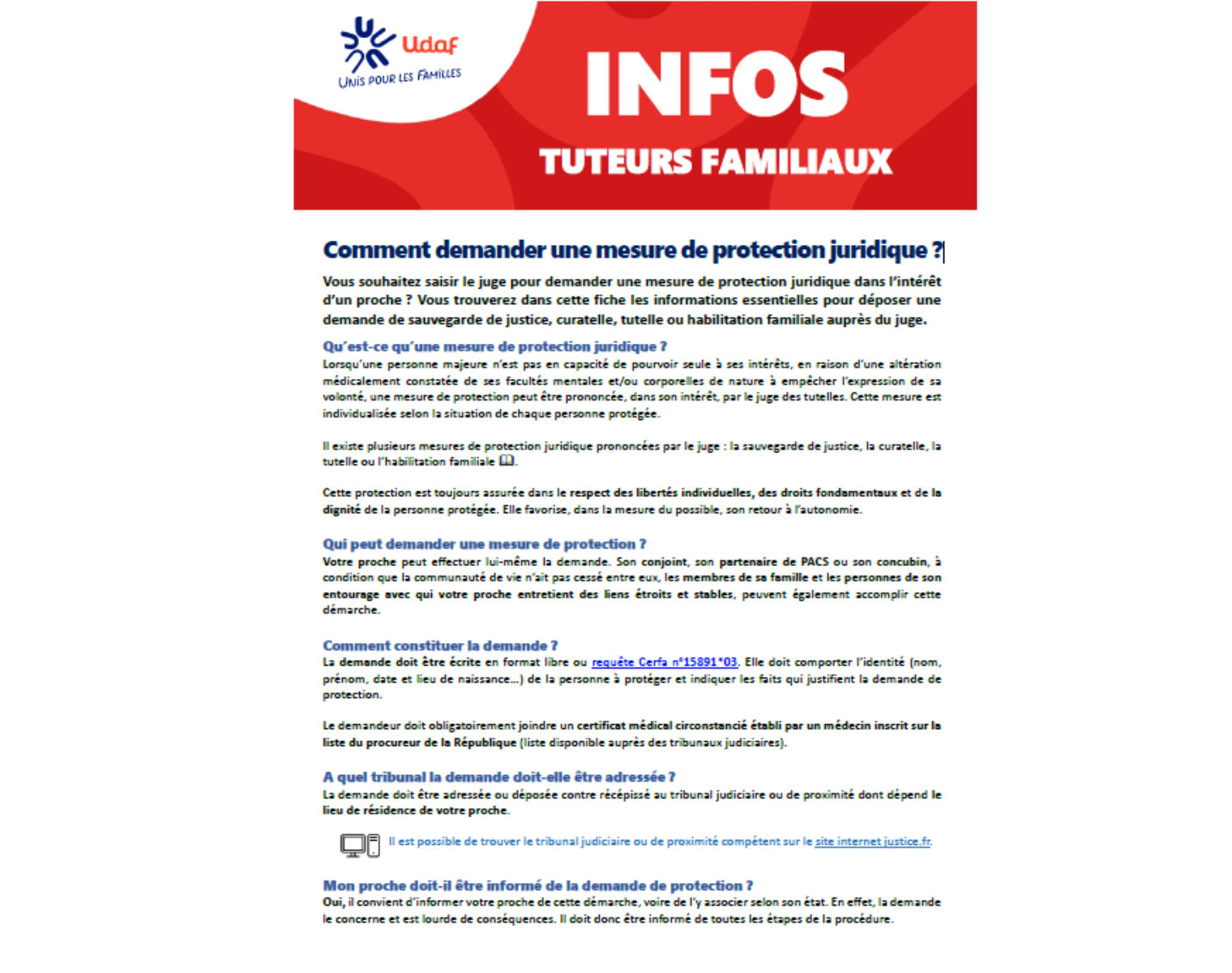
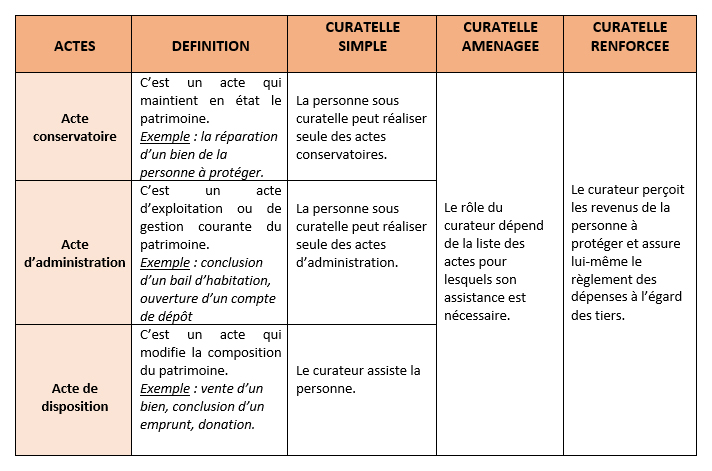
Okay, imagine this: Auntie Ginette, bless her cotton socks, started confusing euros with francs. Francs! It's been, what, 20 years since the euro? And her pronouncements on the best way to fold fitted sheets were getting increasingly... let's say, eccentric. My cousin Sophie was tearing her hair out trying to manage everything. Legal stuff, medical appointments, even just making sure Ginette didn’t accidentally sell the house for a croissant. That’s when the question popped up: what even can we do? That's where tutelle and habilitation familiale enter the scene, stage left, like the two slightly bewildered superheroes nobody asked for.
So, if you're here because you're facing a similar Ginette-esque situation (or a situation with a loved one who needs support managing their affairs), welcome! You've probably googled something along the lines of "what to do when someone can't manage their own life anymore". And you've stumbled upon these two slightly intimidating legal terms: tutelle and habilitation familiale. Don't panic! We're going to break it down. Think of me as your friendly neighbourhood legal translator. (Except, you know, I'm probably not a lawyer. So, grain of salt, and all that jazz).
The Big Question: Who Needs Help, and How Much?
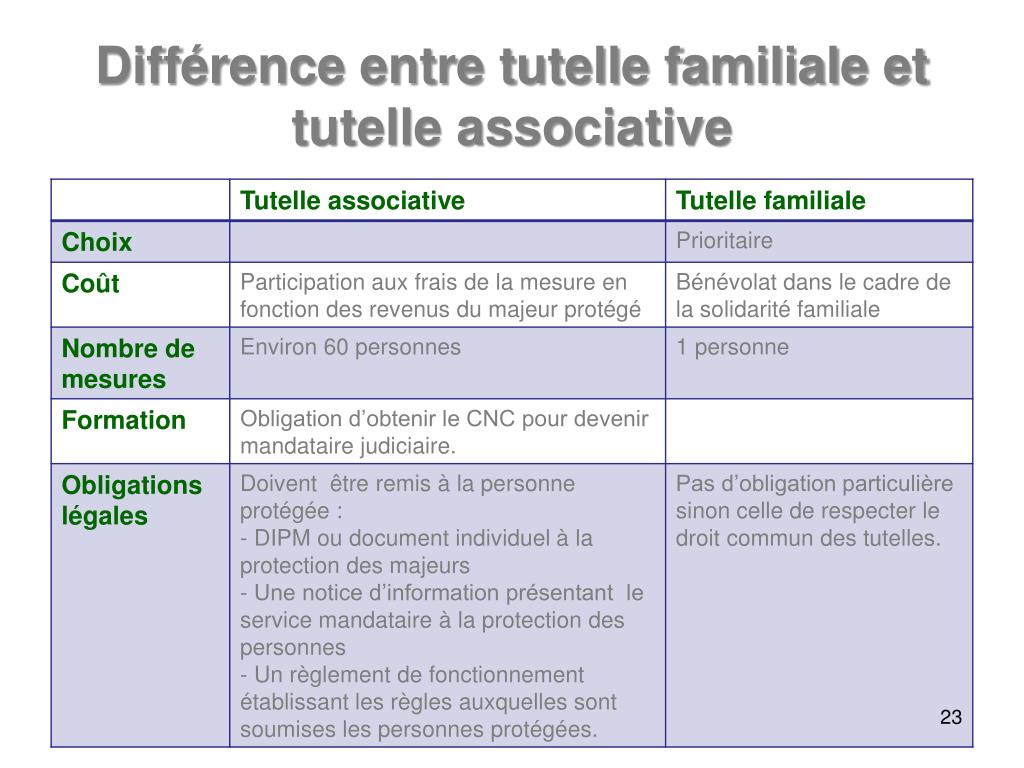
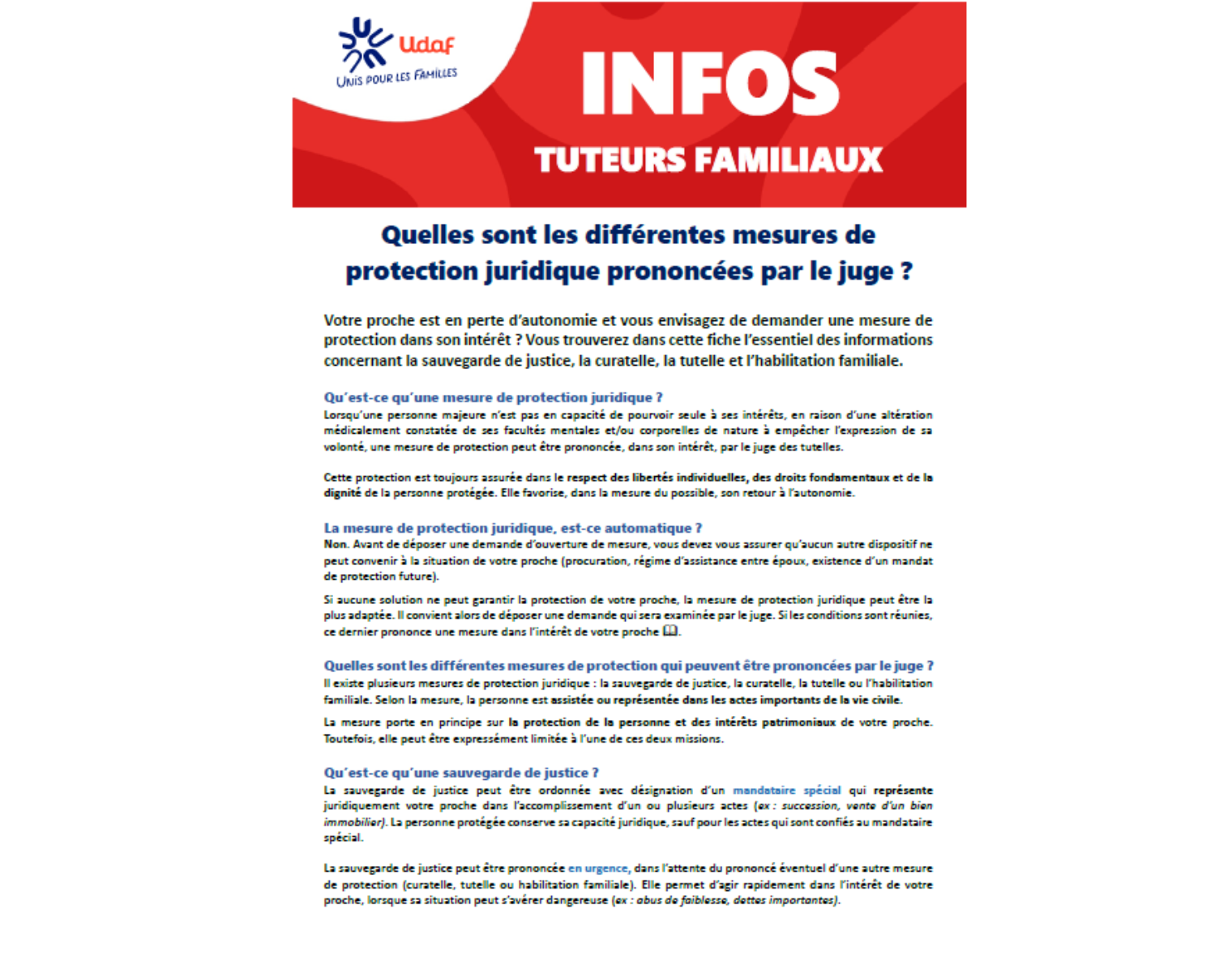
Before we dive into the nitty-gritty, let’s establish the basics. Both tutelle and habilitation familiale are legal mechanisms designed to protect vulnerable adults who can no longer fully manage their own affairs. This could be due to age, illness, disability – any situation that impairs their decision-making capacity. But, and this is a HUGE but, they're not identical twins. They're more like distant cousins who showed up to the family reunion wearing slightly different outfits.
The crucial difference lies in the level of support and control given to the designated helper (that's you, or someone like you, usually a family member).
Tutelle: The Full Monty (of Legal Protection)
Tutelle is the most comprehensive form of legal protection. It’s the big guns, the nuclear option (okay, maybe that's a slight exaggeration, but you get the idea).
Think of it like this: the person under tutelle (the "protégé") is essentially considered legally incapable of making many decisions for themselves. A "tuteur" (guardian) is appointed by a judge to act on their behalf. This means the tuteur has the power to make decisions about everything from finances and property to healthcare and personal well-being.

- Decision-Making Power: The tuteur makes most decisions instead of the person under tutelle.
- Judicial Oversight: The tuteur is under the strict supervision of a judge (juge des tutelles). They need to provide regular reports and seek authorization for significant decisions. Paperwork ahoy!
- Scope: Can cover all aspects of life – personal, financial, and medical.
- Suitable for: People with severe cognitive impairment or disabilities who are unable to understand the consequences of their actions.
Basically, tutelle is like giving someone the reins completely. You're steering the ship, making sure they don't sail off a cliff (metaphorically speaking, of course).
Side note: the judge won't just hand over the keys to the kingdom to anyone. They’ll carefully assess the situation and choose the tuteur who is most qualified and trustworthy. They'll also consider the wishes of the family and the person needing protection, where possible.
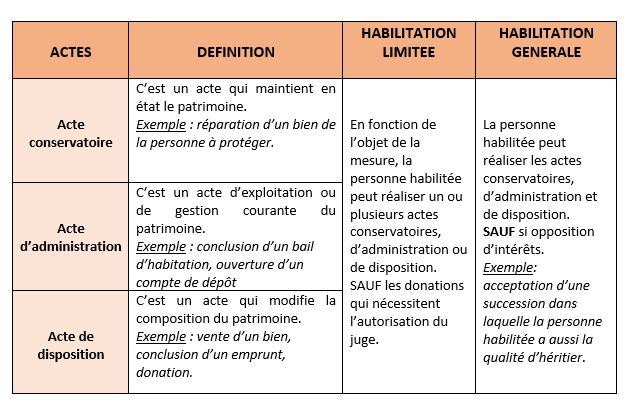
Habilitation Familiale: A Helping Hand, Not a Takeover
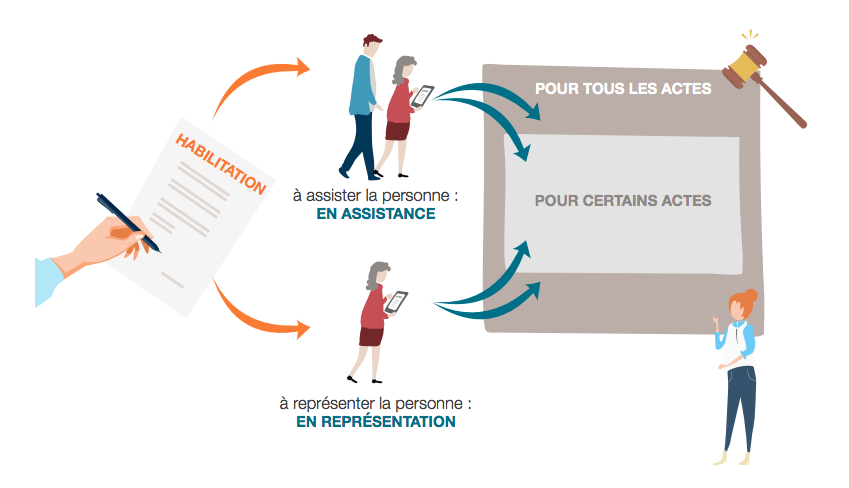
Habilitation Familiale, on the other hand, is a more flexible and less restrictive option. It's like giving someone a helping hand, not a full-body makeover of their legal capacity.

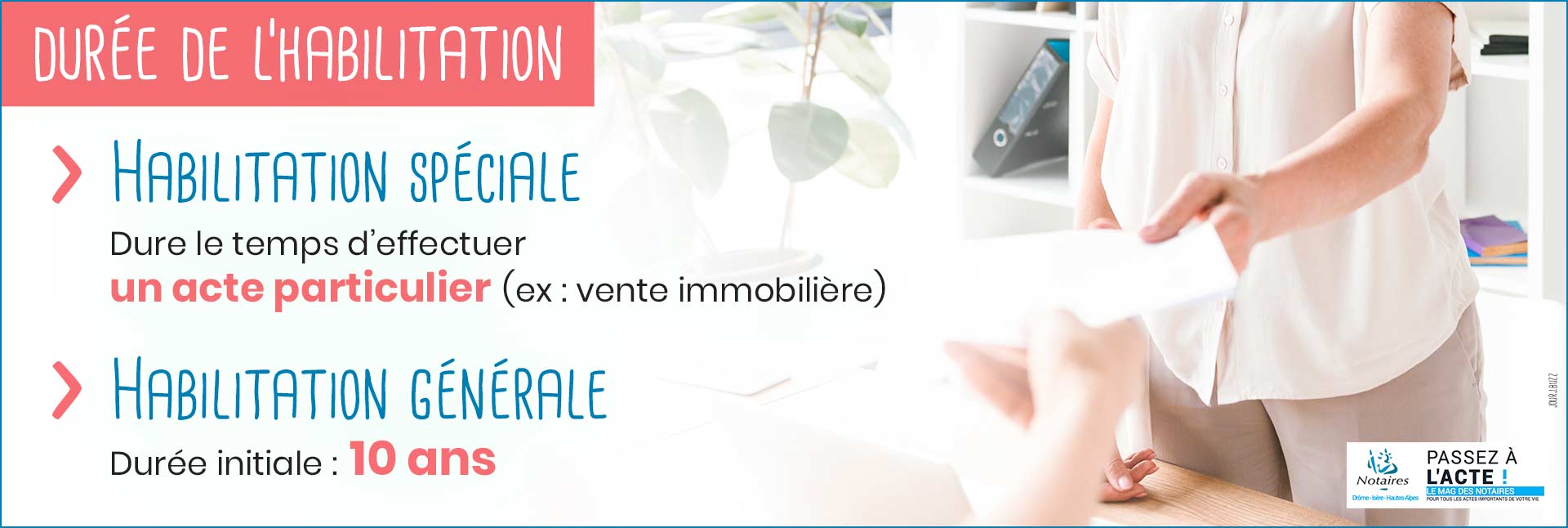
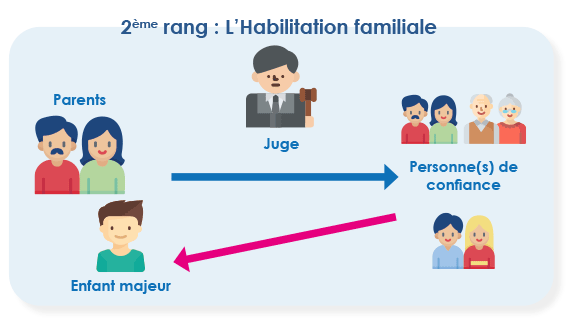
In this scenario, a judge empowers one or more family members (the "habilités") to represent the vulnerable adult in specific areas, such as managing their finances or making healthcare decisions. The key difference is that the person needing support retains their legal capacity to make decisions whenever possible. The family members only step in when the person is unable to act independently.
- Decision-Making Power: The person needing support makes their own decisions as much as possible. The habilités step in only when necessary.
- Limited Judicial Oversight: Less formal than tutelle. The habilités don't typically need to seek judicial authorization for every decision (although they may in some circumstances, depending on the scope of the habilitation).
- Scope: Can be tailored to specific needs. For example, the habilitation might only cover financial matters or healthcare decisions.
- Suitable for: People who still retain some capacity to make decisions but need assistance with certain aspects of their lives. Also suitable when family members are in agreement and willing to work together.
Think of habilitation familiale as a collaboration. You're working with the person needing support, not for them. You're there to guide them, help them navigate complex situations, and ensure their best interests are protected. You're more of a trusted advisor than a puppeteer.
And let’s be honest, nobody wants to be a puppeteer in these situations. It's about empowering the person, maintaining their dignity, and respecting their autonomy as much as possible.
So, Which One is Right for You (and Auntie Ginette)?
That's the million-euro question, isn't it? (Or maybe it's the million-franc question, if Auntie Ginette is giving advice). The answer, as with most legal questions, is "it depends".
Here’s a handy (and hopefully not-too-confusing) decision tree:
- Is the person completely unable to make informed decisions? If yes, tutelle might be the more appropriate option.
- Does the person still have some capacity to understand and make decisions, even with assistance? If yes, habilitation familiale could be a better fit.
- Are family members in agreement and willing to work together? Habilitation familiale requires a certain level of trust and cooperation. If there's a lot of family drama (and let's face it, there often is), tutelle might be necessary to provide a clear and impartial framework.
- What are the specific needs of the person needing support? Does the support need to be comprehensive and all-encompassing, or is it limited to specific areas like finances or healthcare?
Key Considerations:

- Autonomy: Prioritize the option that allows the person to retain the most autonomy and control over their life.
- Family Dynamics: Consider the relationships between family members and their ability to work together.
- Legal Complexity: Tutelle involves more paperwork and judicial oversight, which can be time-consuming and stressful.
- Professional Advice: Don't be afraid to seek professional advice from a lawyer or social worker. They can help you assess the situation and determine the best course of action.
For Auntie Ginette, Sophie eventually opted for habilitation familiale, specifically focused on managing her finances. Ginette still gets to choose her own outfits (thank goodness) and decide what to have for lunch (although Sophie gently steers her away from the all-chocolate diet). But Sophie now has the legal authority to pay her bills, manage her bank accounts, and ensure she doesn’t accidentally give all her money away to a Nigerian prince (you know, the usual elderly scams).
The Takeaway: It's About Finding the Right Fit
The bottom line is this: tutelle and habilitation familiale are both valuable tools for protecting vulnerable adults. But they're not interchangeable. It's about finding the right fit for the individual’s needs and circumstances. It’s about balancing protection with autonomy, and ensuring that the person’s best interests are always at the forefront.
So, take a deep breath, gather your information, and don't be afraid to ask for help. You're not alone in this. And remember, even if Auntie Ginette thinks francs are still legal tender, she probably still makes a mean crème brûlée. Focus on the good things, and tackle the legal stuff one step at a time.
And hey, maybe invest in a large-print calculator. Just in case.