Ah, Verdun! Just the name conjures images of mud, courage, and sacrifice. Quel épisode poignant de l'histoire! But how much do we really know about this monumental clash? Beyond the iconic symbol of French resilience, the Battle of Verdun, lasting from February to December 1916, can be broadly divided into two distinct phases. Let's unpack them with a bit of panache and a touch of joie de vivre (because, hey, even learning about history should be enjoyable!).
Phase 1: L'Orage d'Acier (The Steel Storm) - February to July 1916
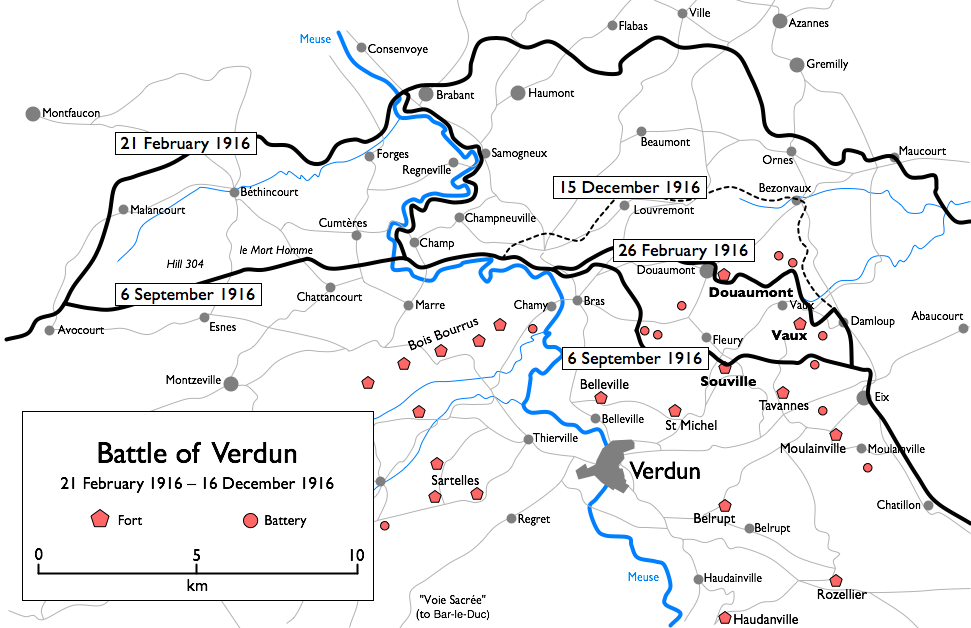
Imagine this: It's February 21st, 1916. The biting cold of winter grips northeastern France. Suddenly, the earth begins to tremble. An unimaginable barrage of artillery shells rains down upon the French lines. This, mes amis, is L'Orage d'Acier, the "Steel Storm," the opening act of the Battle of Verdun.
The German Offensive: A Relentless Push
The Germans, under the command of General Erich von Falkenhayn, had a chilling strategy: to "bleed France white." They aimed to draw the French into a battle of attrition at Verdun, a strategically important (and historically significant) location. Verdun, surrounded by a ring of forts, held immense symbolic value for the French. Falkenhayn believed the French would defend it to the last man, allowing the German artillery to systematically decimate their forces.
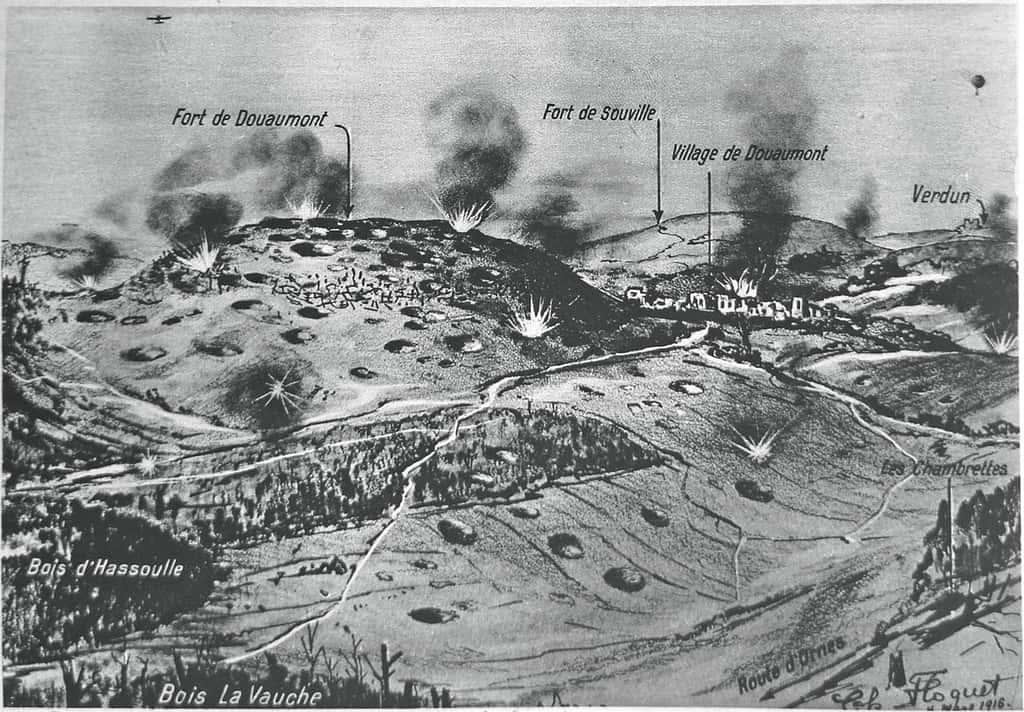
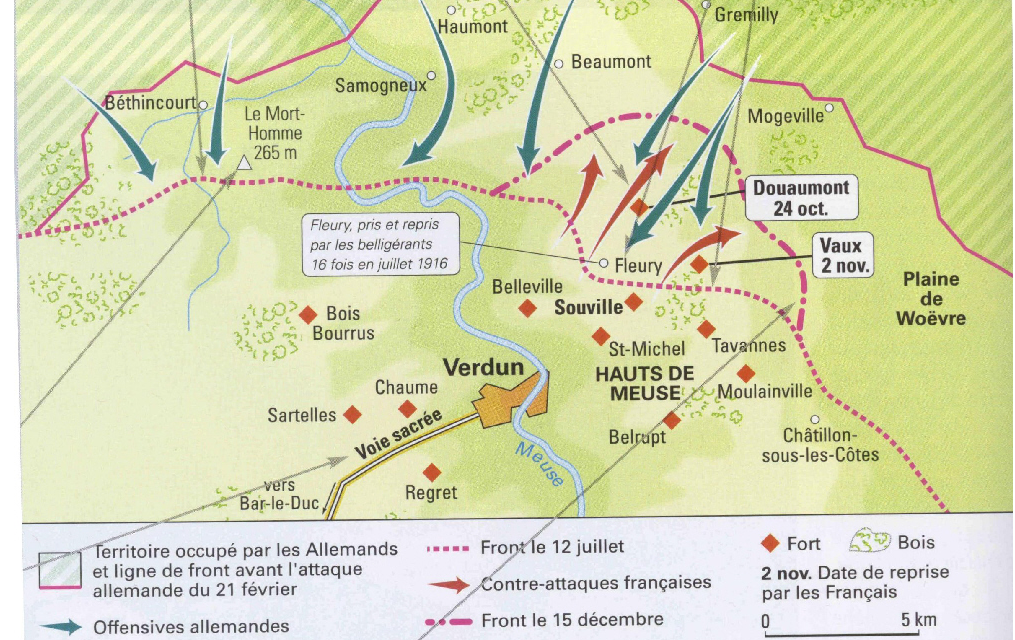
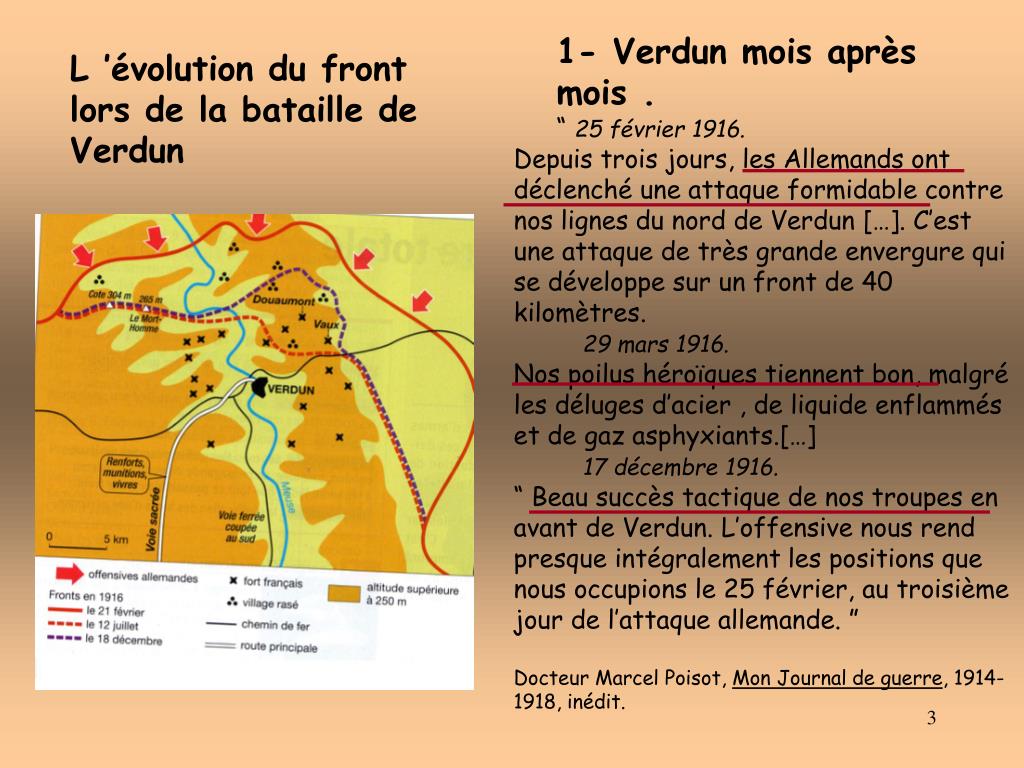
The initial assault was devastating. The French defenses, unprepared for such a concentrated bombardment, buckled under the pressure. Fort Douaumont, the largest and most important fort in the Verdun sector, fell to the Germans within days. Panic gripped Paris. Could Verdun be held?
Think of it like this: imagine you're baking a soufflé (because who doesn't love a good soufflé?). If you open the oven too early, the soufflé collapses. That's kind of what the German assault felt like to the French – a sudden, overwhelming pressure that threatened to crush their resolve.
Key events during this phase:
- The initial bombardment: Unprecedented in its intensity and scale.
- Fall of Fort Douaumont: A major blow to French morale.
- The "Voie Sacrée" (Sacred Way): The only road connecting Verdun to the rest of France, vital for resupplying the troops. Trucks relentlessly carried men and supplies, becoming a symbol of French determination.
- The Battle for Fort Vaux: Another crucial fort that fell to the Germans after a heroic but ultimately futile defense.
The Voie Sacrée, or "Sacred Way," became a lifeline. Thousands of trucks, operating day and night, ferried men, munitions, and supplies to the front. Picture this: a constant stream of vehicles, headlights piercing the darkness, braving enemy fire to keep Verdun alive. It was a logistical marvel and a testament to the French spirit.
Practical Tip: Just like the French needed a reliable supply chain, we all need a reliable routine. Make sure you have your own "Sacred Way" – a system that helps you stay organized and manage your daily tasks. Maybe it's a bullet journal, a digital calendar, or simply a well-organized to-do list. Whatever works for you, embrace it!
French Resilience: "Ils ne passeront pas!"
Despite the heavy losses and the relentless German advance, the French, under the leadership of General Philippe Pétain (later a controversial figure), stood their ground. Pétain famously declared, "Ils ne passeront pas!" ("They shall not pass!"). This defiant slogan became a rallying cry for the French troops and the entire nation.
Pétain implemented a "rotating door" policy, cycling troops in and out of the Verdun sector to give them a chance to rest and recover. This helped to maintain morale and prevent complete exhaustion. He also reorganized the French artillery and improved the defensive positions.
Cultural Reference: Think of Asterix and Obelix standing against the Roman legions. The French at Verdun displayed a similar stubbornness and determination in the face of overwhelming odds. C'est l'esprit Gaulois!
Phase 2: La Riposte (The Counter-Attack) - August to December 1916
The second phase of the Battle of Verdun marked a shift in momentum. The German offensive had stalled, and the French began to launch a series of counter-attacks to regain lost ground.
The Tide Turns: French Counter-Offensives
By August, the German advance had ground to a halt. The relentless fighting had taken a heavy toll on both sides. The French, bolstered by reinforcements and improved tactics, began to push back. General Robert Nivelle, known for his aggressive tactics, replaced Pétain as commander of the Second Army.
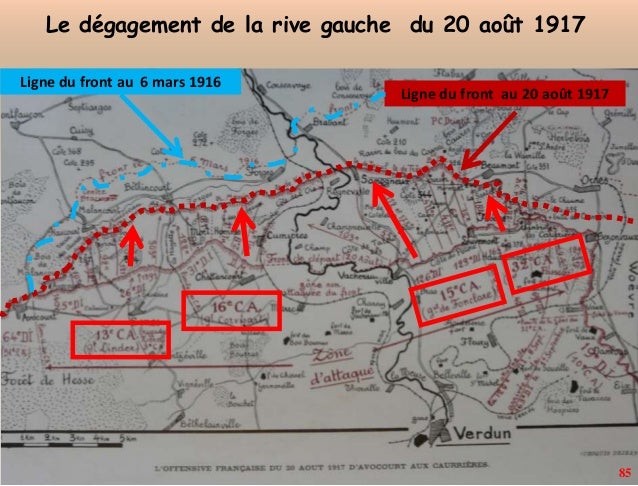
The French launched a series of carefully planned and executed counter-offensives, utilizing creeping barrages and improved infantry tactics. They slowly but surely began to retake lost ground, including Fort Douaumont and Fort Vaux.
Consider this: if Phase 1 was like a relentless storm, Phase 2 was like the slow, steady erosion of a coastline by the sea. The French, through persistence and determination, gradually wore down the German forces.
Key events during this phase:

- French counter-offensives: A series of successful attacks that regained lost ground.
- Recapture of Fort Douaumont: A symbolic victory for the French.
- Recapture of Fort Vaux: Another important strategic and symbolic victory.
- The end of the battle: By December 1916, the battle had effectively ended, with the French having regained most of the territory they had lost.
The recapture of Fort Douaumont in October 1916 was a particularly significant moment. It was a symbol of French resilience and a clear sign that the tide had turned. The French troops fought with incredible bravery, facing fierce resistance from the German defenders.
Fun Fact: Did you know that pigeons played a vital role in the Battle of Verdun? They were used to carry messages between the front lines and headquarters, often braving enemy fire to deliver crucial information. Talk about dedication!
Practical Tip: Just like the French learned from their initial setbacks, we should all be willing to adapt and adjust our strategies when things aren't working. Don't be afraid to try new approaches and learn from your mistakes. Flexibility is key to success!
The Legacy of Verdun
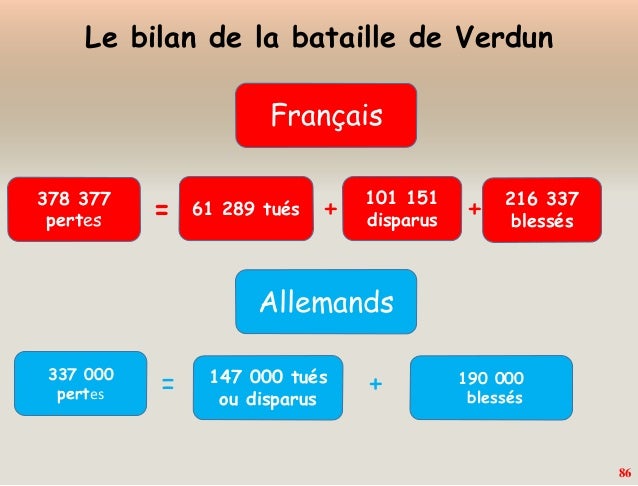
By December 1916, the Battle of Verdun had effectively ended. The French had successfully defended Verdun, but at a terrible cost. Hundreds of thousands of soldiers on both sides were killed or wounded. The battlefield was transformed into a desolate wasteland, scarred by shell craters and littered with the remains of war.
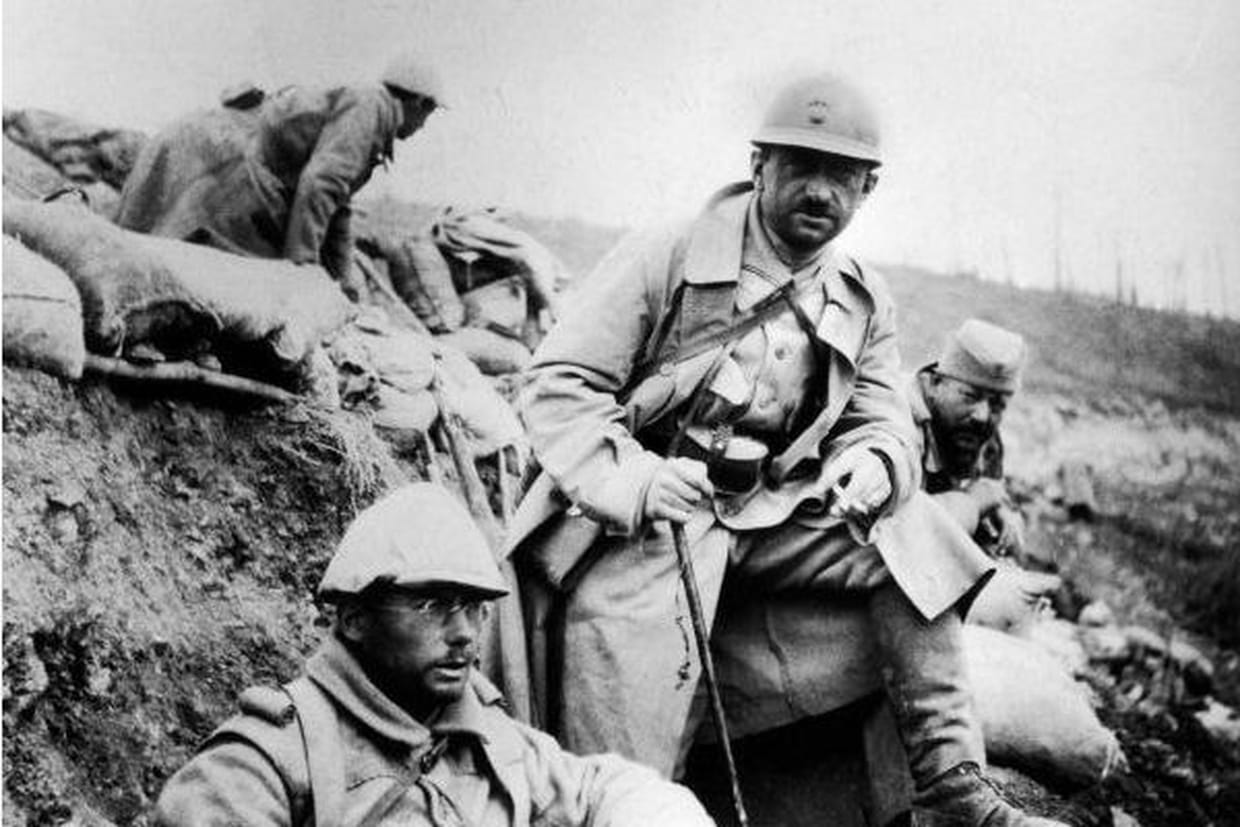
Verdun became a symbol of the futility and horror of war. It also became a symbol of French courage, resilience, and determination. The battle demonstrated the unwavering spirit of the French people and their willingness to defend their homeland at any cost.
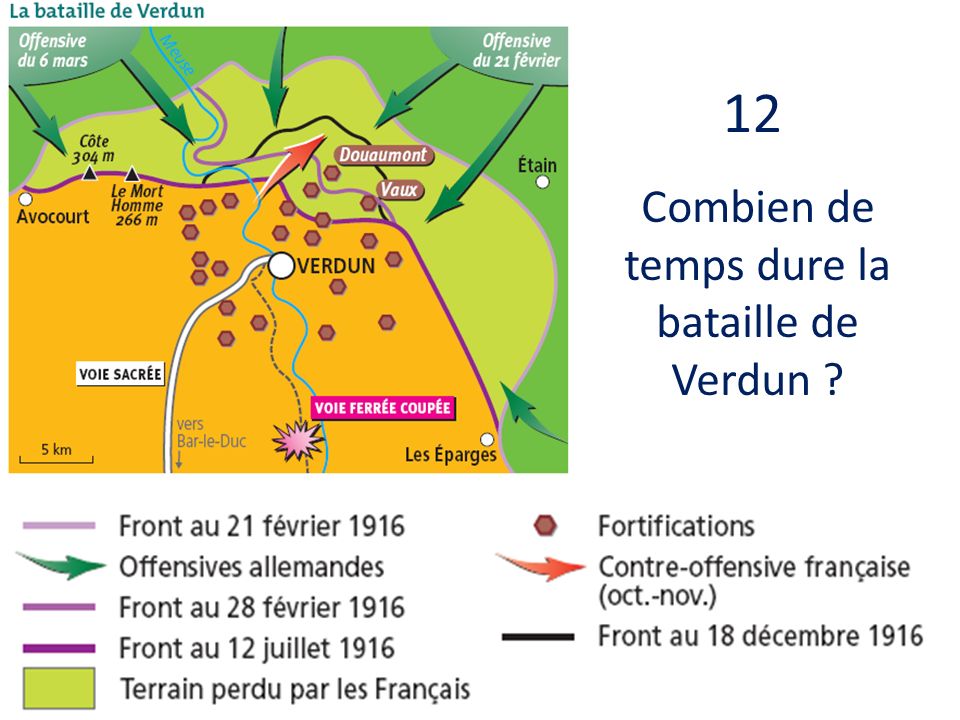
The battle can also be compared to chess. Phase 1 was Germany’s opening gambit, trying to quickly take key positions. Phase 2 was France’s strategic response, carefully maneuvering to regain control and ultimately force a draw (though at a terrible cost).
The phrase "On ne passe pas!" has become deeply embedded in French culture, embodying a spirit of resistance and defiance in the face of adversity.
Cultural Reference: Visit the Verdun Memorial, a poignant reminder of the sacrifices made during the battle. It's a powerful and moving experience that will leave a lasting impression. And maybe, grab a delicious croissant afterwards to reflect on what you learned.
Réflexion (Reflection)
The Battle of Verdun, despite its horrific scale, offers valuable lessons that resonate even today. It reminds us of the importance of resilience, adaptability, and the power of the human spirit in the face of adversity. We may not face the same challenges as the soldiers at Verdun, but we all encounter obstacles in our lives. Learning from history can help us navigate those challenges with greater courage and determination.
So, the next time you're facing a difficult situation, remember the "poilus" (French soldiers) at Verdun. Remember their unwavering spirit, their resilience in the face of unimaginable hardship, and their determination to never give up. And remember, even in the darkest of times, there is always hope for a brighter future. Courage!