Ok, imagine this. The other day, I was arguing with my little cousin (he’s 8, so, you know, always right) about whether you could jump to the moon. Obviously, I said no. But he was adamant, claiming some superhero or other could totally do it. Which got me thinking...how far is the moon, anyway? It feels close enough to admire, especially on a clear night. But close enough to jump? Definitely not. But how not close are we talking?
So, that's what we're tackling today. Let's dive into the cosmic abyss and figure out just how much space separates us from our celestial neighbour. Get ready, because it's a number that might make your head spin!
The Nitty-Gritty: Distance in Kilometers (and Miles, for our American Friends)
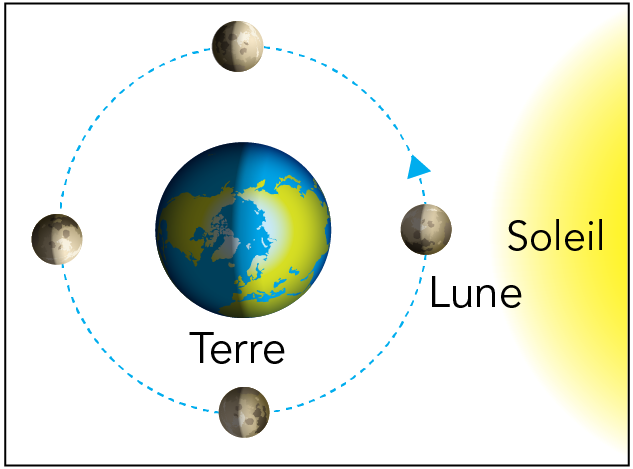
Alright, brace yourselves. The distance between the Earth and the Moon isn't a fixed number. Why? Because the Moon's orbit around the Earth is an ellipse, not a perfect circle. Think of it like an oval instead of a disc. So, sometimes the Moon is closer to us (at a point called perigee), and sometimes it's further away (at apogee). We're dealing with fluctuations here!
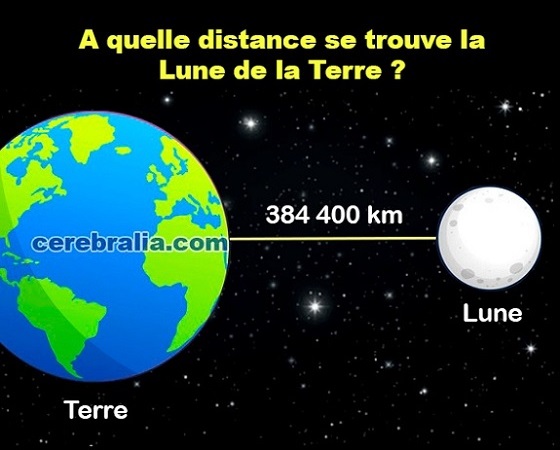
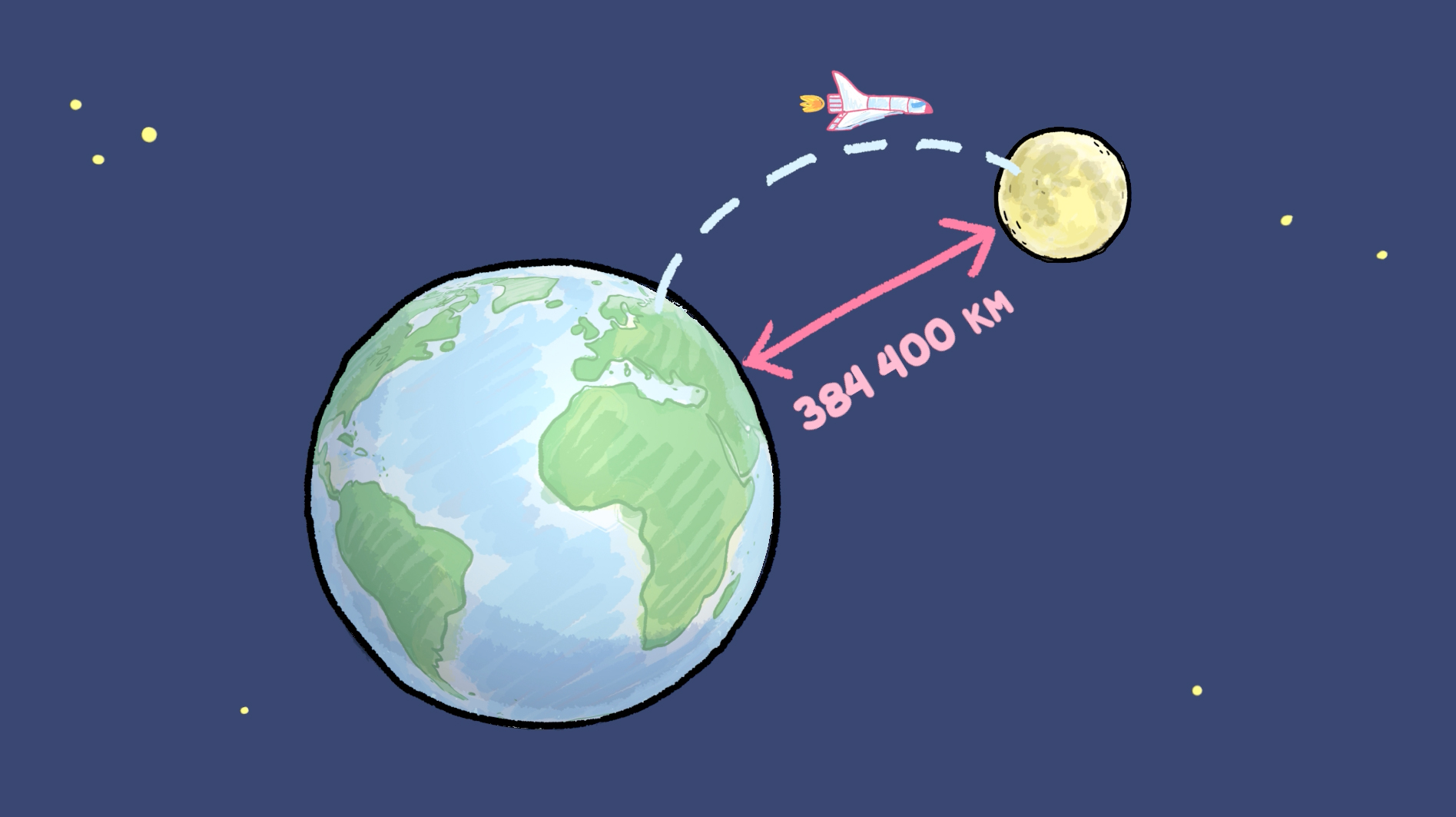
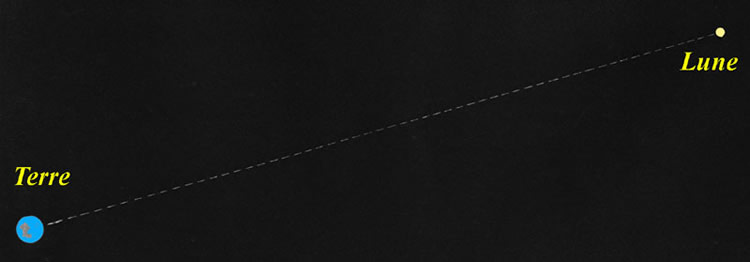
- Average Distance: The average distance is roughly 384,400 kilometers (or about 238,900 miles). That’s a lot of kilometers, people.
- Perigee (Closest Point): At its closest, the Moon can be around 363,104 kilometers (225,623 miles) away. Still a pretty long drive, even with warp speed.
- Apogee (Farthest Point): At its farthest, the Moon stretches to approximately 405,696 kilometers (252,088 miles). Feels like you could lose your keys between here and there, doesn't it?
Those differences, between the closest and farthest points, aren't negligible! It's a variation of over 42,000 kilometers. That explains why sometimes the Moon appears bigger and brighter (during a supermoon, which happens near perigee). Okay, sidebar: Supermoons are awesome. Just saying.
Putting the Distance into Perspective (Because Numbers Are Boring, Right?)
Okay, numbers are great and all, but let's try to wrap our heads around this distance in a way that makes sense. Here are a few fun comparisons:
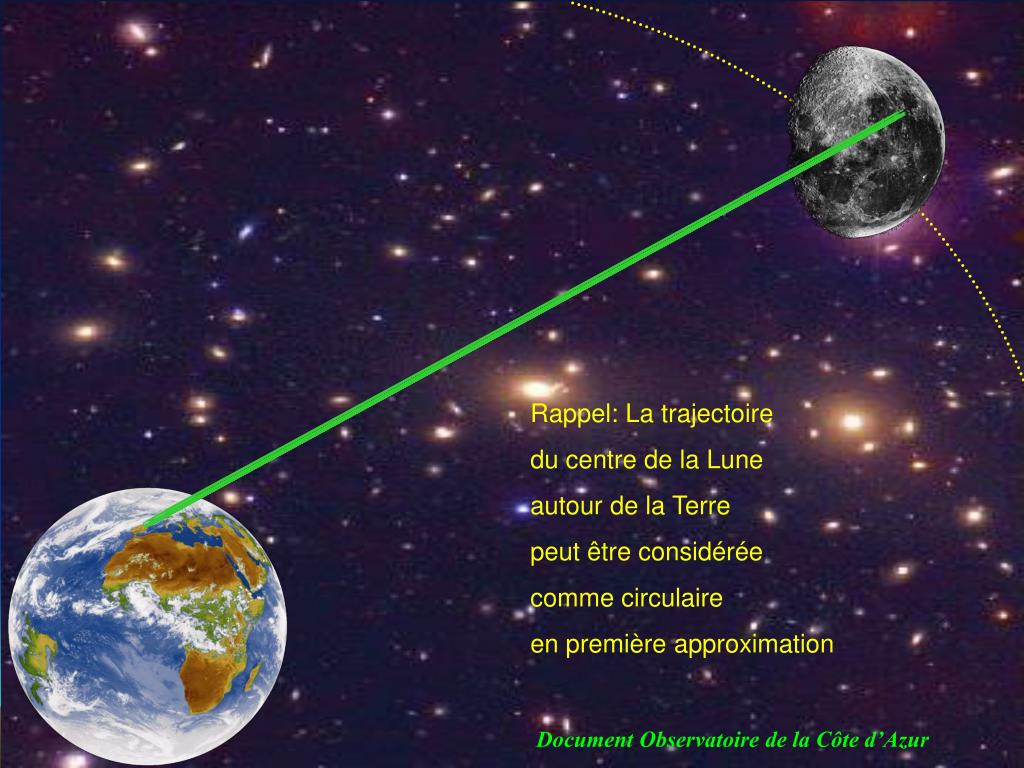
How Many Earths?
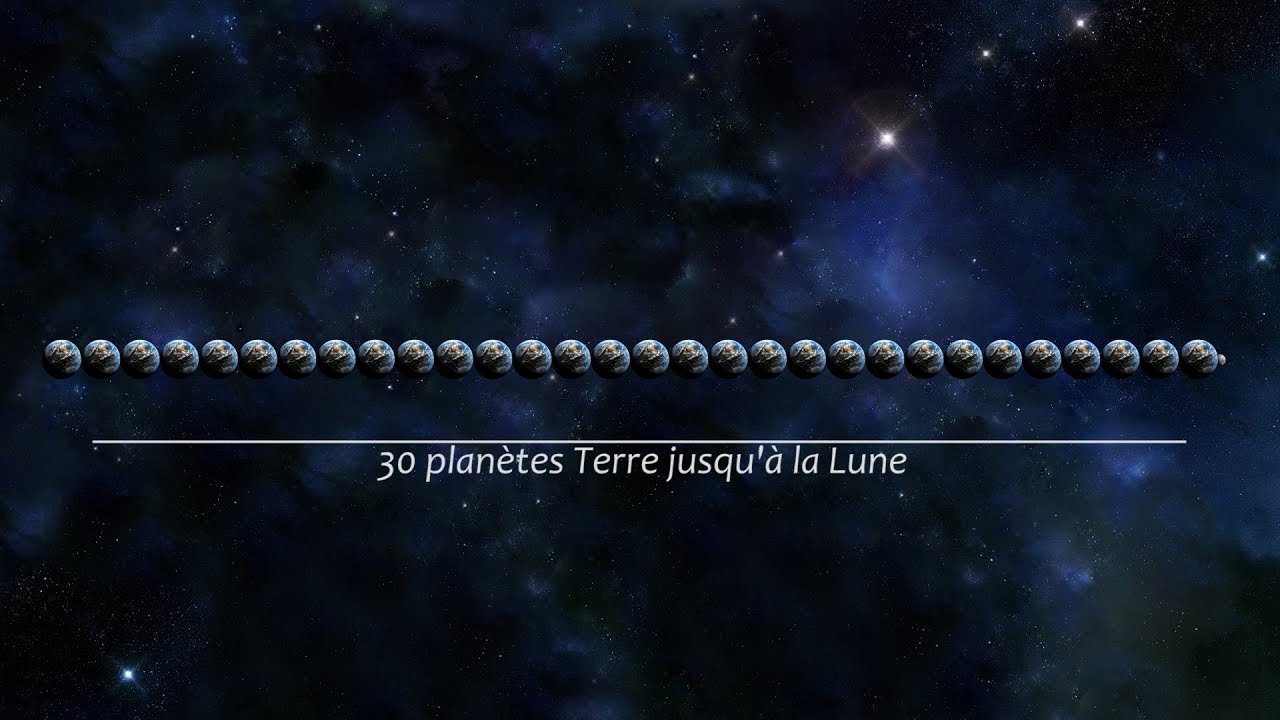
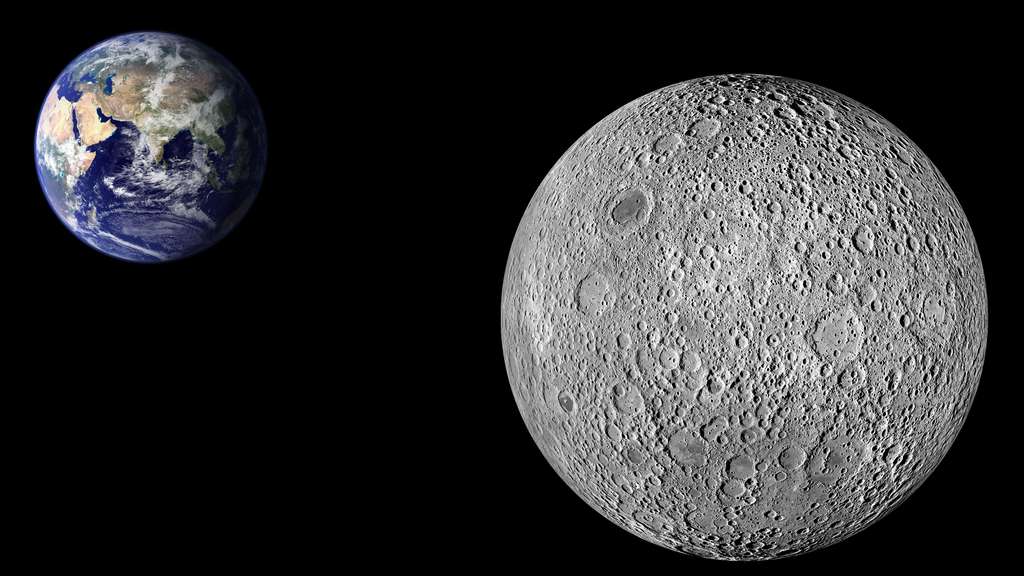
If you could line up Earths from here to the Moon, you could fit about 30 Earths in the space between us. Imagine stacking 30 planet Earths end to end. Pretty mind-blowing, isn't it?
Driving There (Don't Try This at Home!)
Let's say you could drive to the Moon (hypothetically, of course). And let's say you were cruising at a constant speed of 100 kilometers per hour (about 62 mph). How long would it take? Buckle up, because it would take approximately 160 days of non-stop driving! That’s like half a year spent behind the wheel. Road trip from hell, anyone?

Flying There (Slightly Faster, But Still a Trek)
If you hopped on a commercial jet, traveling at an average speed of 800 kilometers per hour (around 500 mph), it would still take you about 20 days to reach the Moon. So much for a quick weekend getaway. You'd need some serious in-flight entertainment.
The Speed of Light: Relatively Quick!
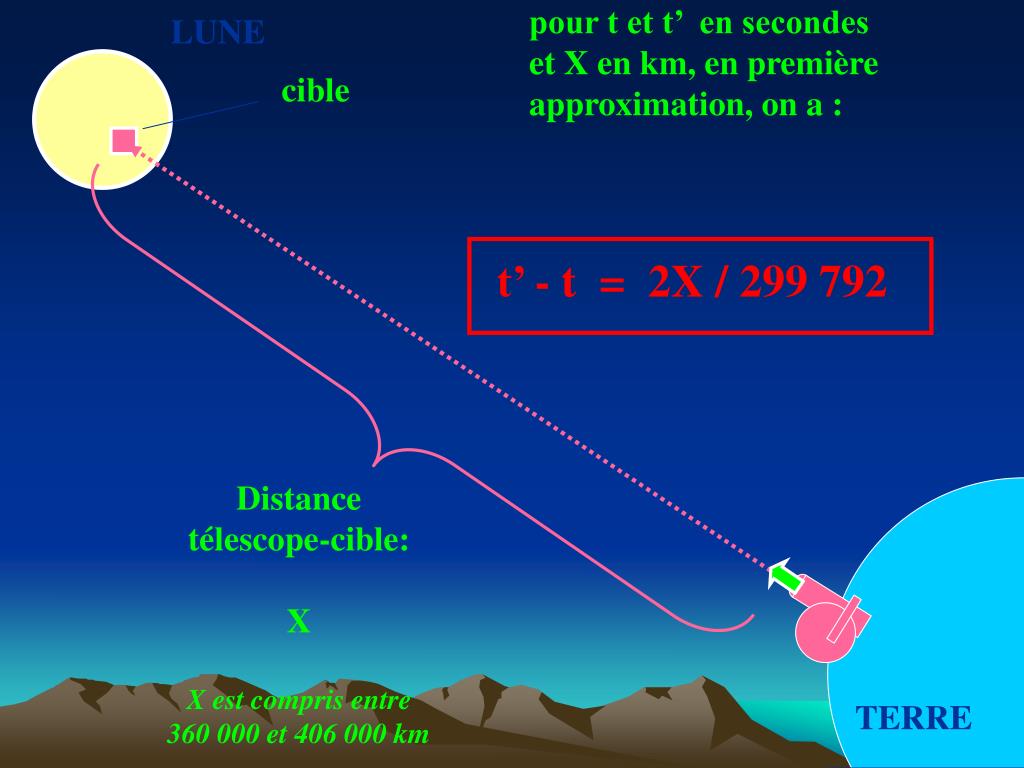
Light, being the speed demon that it is, can travel from the Earth to the Moon in just over 1 second (about 1.255 seconds, to be precise). So, technically, when you look at the Moon, you're seeing it as it was just over a second ago. Pretty cool, right? (I think so, anyway.)

Why Does the Distance Matter?
So, besides settling arguments with know-it-all cousins, why is knowing the distance to the Moon important?
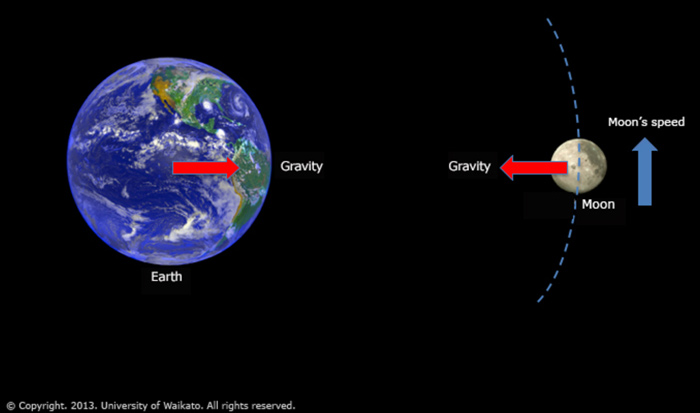
- Tides: The Moon's gravitational pull is the main cause of our tides. The closer the Moon is, the stronger its pull, and the higher the tides. (Surfer dudes, take note!)
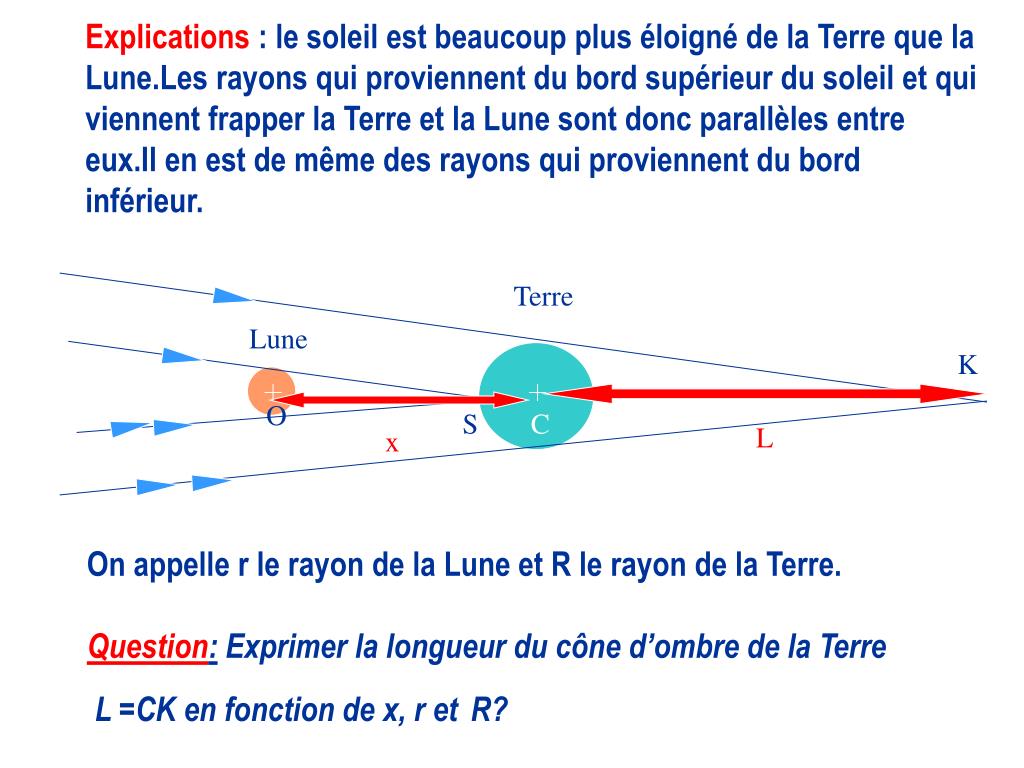
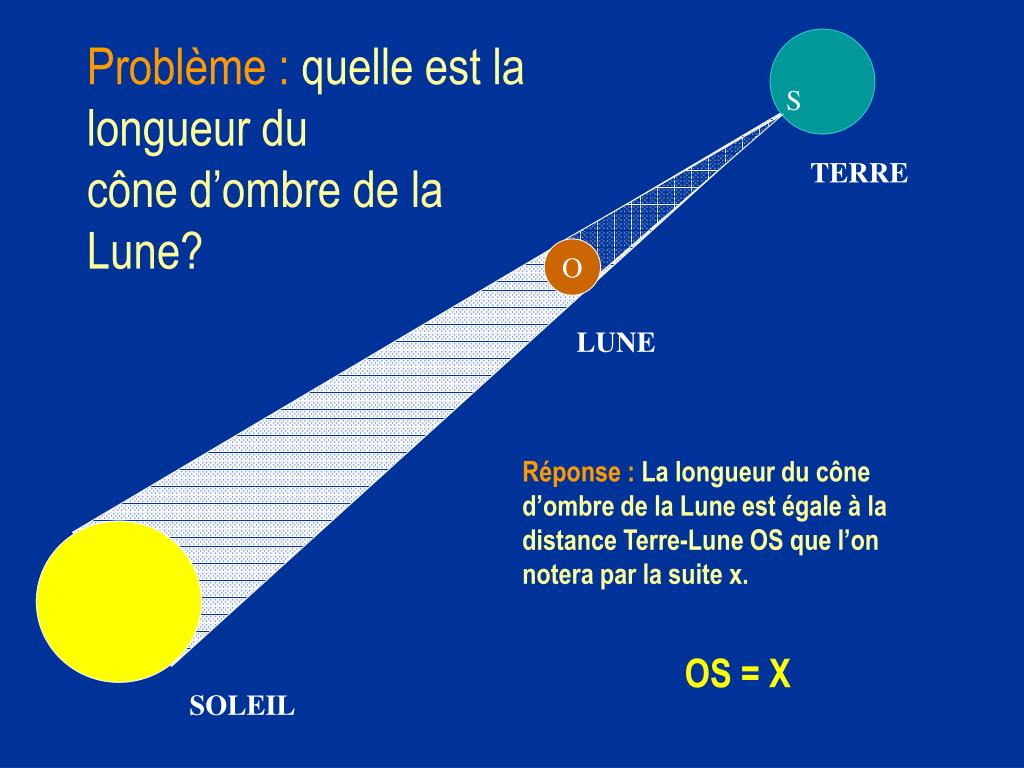
- Eclipses: The distance between the Earth and the Moon plays a crucial role in whether we experience a total solar eclipse, a partial solar eclipse, or an annular solar eclipse (where a ring of sunlight is visible around the Moon). It's all about alignment and distance!
- Space Travel: Obviously, knowing the exact distance to the Moon is essential for planning and executing lunar missions. You can't just wing it when you're trying to land a spacecraft on the surface. (Well, you could, but it probably wouldn't end well.)
- Scientific Research: Precise measurements of the Earth-Moon distance are used for various scientific studies, including testing theories of gravity and understanding the Earth's rotation. The Moon is more than just a pretty face; it's a valuable research tool!
Fun Facts About the Earth-Moon Distance (Just Because!)
- The Moon is slowly drifting away from the Earth! It's moving about 3.8 centimeters (1.5 inches) further away each year. Don't worry, it's a gradual process, and we won't lose it anytime soon. But in billions of years, things will be different.
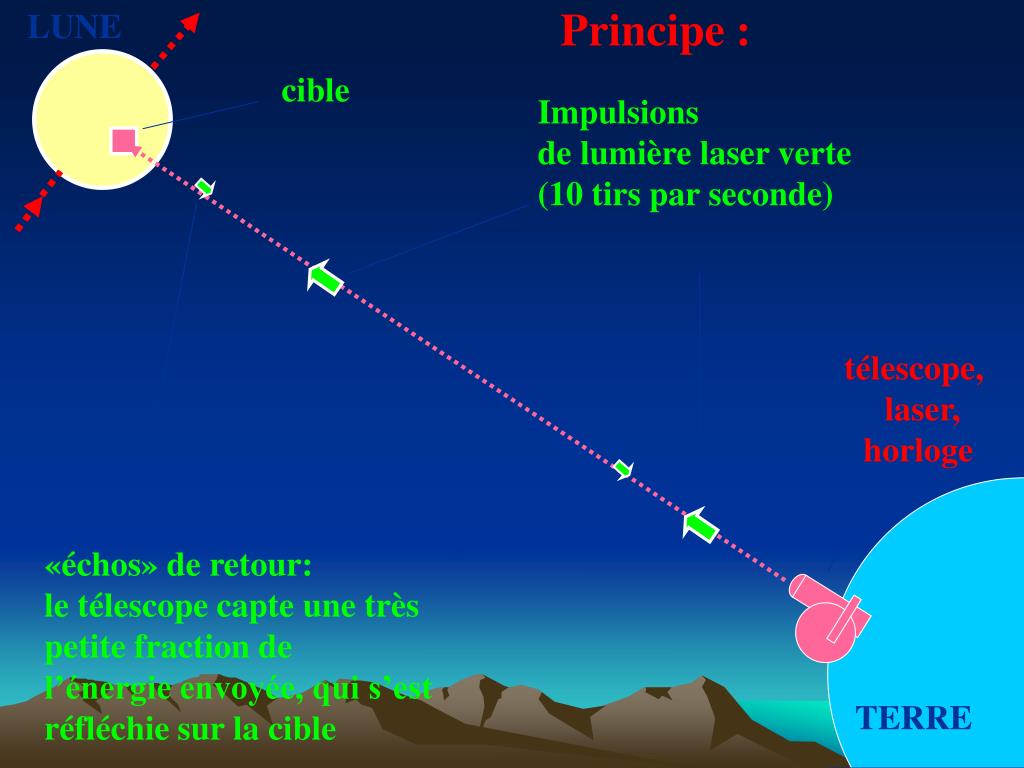
- The Apollo astronauts placed reflectors on the Moon, allowing scientists to bounce laser beams off them and measure the Earth-Moon distance with incredible accuracy. Talk about a high-tech measuring tape!
- The term "lunatic" comes from the belief that the Moon could affect people's mental state. I'm not sure if there's any scientific basis for that, but it's an interesting tidbit. Maybe my cousin is right... nah, just kidding (mostly).
Conclusion: Still Pretty Far Away, But Still Worth Looking Up
So, there you have it. The distance between the Earth and the Moon is a fascinating, ever-changing number that has a significant impact on our planet. While jumping to the Moon is definitely out of the question for us mere mortals, it's still pretty amazing to think about the vastness of space and the celestial dance that's constantly happening above our heads.
Next time you look up at the Moon, remember how far away it really is. And maybe, just maybe, you'll appreciate it a little bit more. I know I will. Now, back to arguing with my cousin...