Salut tout le monde! Ever looked at a French curriculum and thought, "CP? CE1? It sounds like robot language!" Don't worry, you're not alone. I've been there, scratching my head and muttering about French alphabet soup. But guess what? It's actually super simple, and understanding these abbreviations opens up a whole new world of understanding – especially if you're interacting with the French education system, helping kids learn, or just plain curious!
Let's dive in, shall we? We’re going to crack the code, decode the acronyms, and maybe even have a little fun while we're at it! Prêt? (Ready?)
Breaking Down the Code: CP, CE1, CE2, CM1, CM2
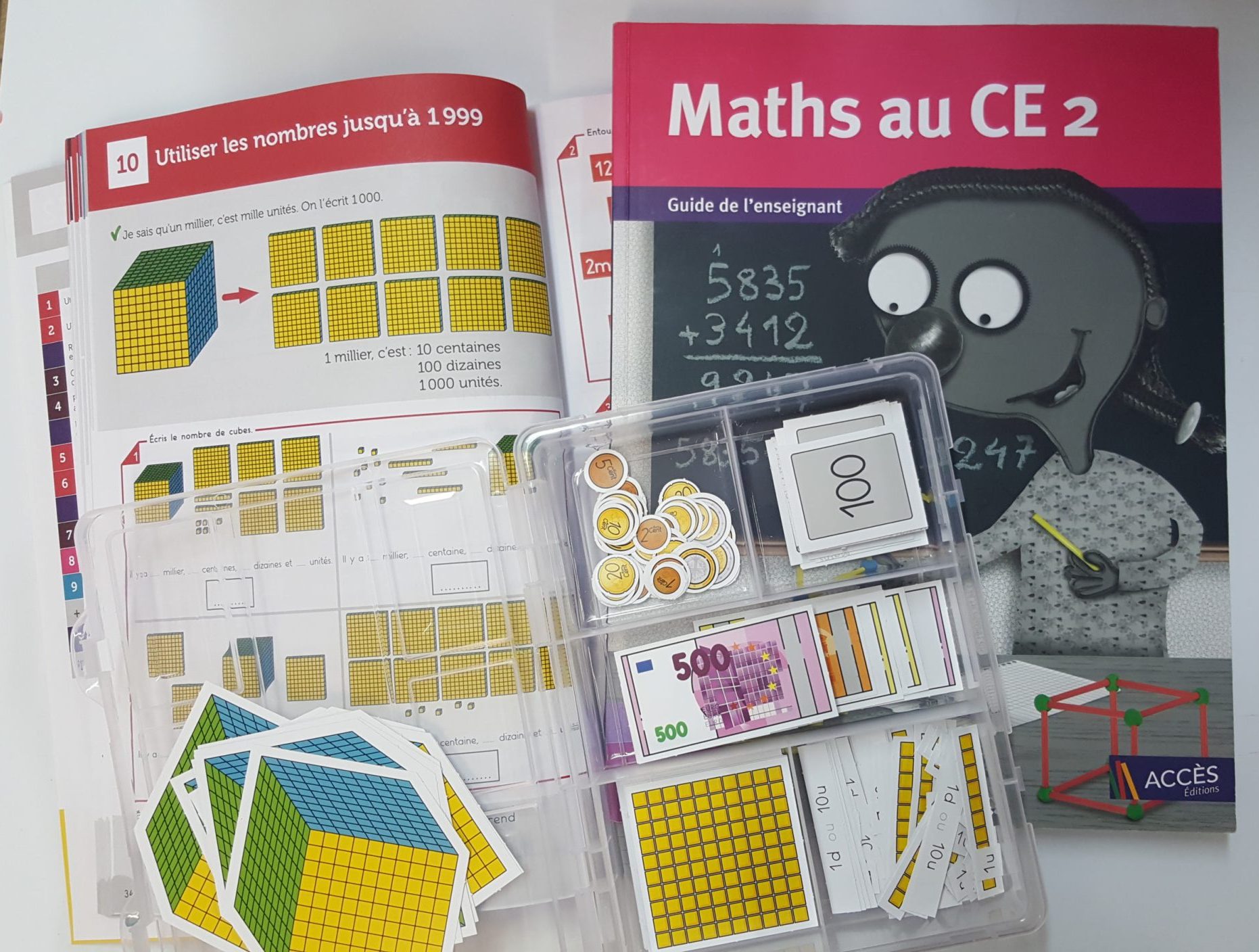
Okay, so here's the deal. CP, CE1, CE2, CM1, and CM2 are simply the names of the first five years of elementary school in France. Think of it like this: Kindergarten, 1st Grade, 2nd Grade, 3rd Grade, 4th Grade... but in French, and with slightly different age ranges. Isn’t that fantastic?
CP: Cours Préparatoire (Preparatory Course)
CP, or Cours Préparatoire, is essentially the first year of elementary school. It's when French kids typically start at around age 6. This is a big deal year because it’s when they officially learn to read and write! Imagine the excitement! It’s all about getting them prepped (hence, préparatoire!) for the rest of their schooling journey.
So, if you hear someone talking about "un enfant en CP," they're talking about a child in their first year of elementary school, learning to read and write like a pro. Trop cool! (Too cool!)
CE1: Cours Élémentaire 1ère année (Elementary Course, 1st year)
Next up, we have CE1, or Cours Élémentaire 1ère année. This translates to "Elementary Course, 1st year." Kids are usually around 7 years old in CE1. They build on what they learned in CP, strengthening their reading and writing skills and diving into more complex concepts. Think of it as solidifying the foundation.

CE1 is where the basics become… well, more basic! They're getting comfortable with sentence structure, tackling slightly longer texts, and starting to express themselves more fluently in writing. It's a year of significant growth and consolidation. Don't you think that's just amazing?
CE2: Cours Élémentaire 2ème année (Elementary Course, 2nd year)
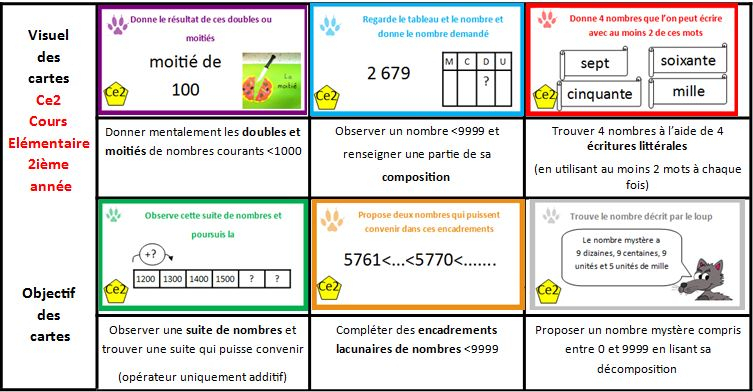
Following CE1 is CE2, or Cours Élémentaire 2ème année ("Elementary Course, 2nd year"). Age 8 is the magic number here. CE2 is when things start to get a bit more challenging. They're expanding their vocabulary, learning more grammar rules, and applying their knowledge in more complex ways.
This year is also important because they start to focus on different types of writing (narrative, descriptive, etc.). They are also introduced to more sophisticated math concepts. Bravo! (Well done!)
CM1: Cours Moyen 1ère année (Middle Course, 1st year)
We're halfway there! CM1 stands for Cours Moyen 1ère année ("Middle Course, 1st year"). Now we're talking about 9-year-olds! At this stage, students are transitioning into more advanced material. They're learning more complex grammar, exploring different literary genres, and delving deeper into math and science.
CM1 is like a bridge year, preparing them for the final stretch of elementary school. The workload increases, and the expectations are higher. But with the foundation they've built in the previous years, they're ready for the challenge. It’s impressive to watch!
CM2: Cours Moyen 2ème année (Middle Course, 2nd year)
Finally, we arrive at CM2, or Cours Moyen 2ème année ("Middle Course, 2nd year"). These are the 10-year-olds, the graduating class of elementary school! This is their last year before entering collège (middle school). CM2 is a year of review and consolidation, making sure they have a solid grasp of all the key concepts they've learned.
They're preparing for the big leap to a new school environment and a more demanding curriculum. It’s a moment of accomplishment and anticipation. And guess what? They are learning about new subjects like Geography and History. This is the year of preparation!
Why Should You Care?
Okay, so you might be thinking, "This is all well and good, but why do I need to know this?" Excellent question! Here are just a few reasons why understanding CP, CE1, CE2, CM1, and CM2 can be super useful and even make your life more fun:
* Helping Kids Learn French: If you're a parent, tutor, or teacher, understanding these grade levels will help you tailor your lessons and activities to the appropriate level. * Navigating the French Education System: Moving to France with children? This knowledge will be invaluable when enrolling them in school. * Understanding French Culture: Learning about the education system gives you a deeper insight into French culture and society. * Traveling to France: Even just knowing the terms can enhance your conversations with locals and give you a better understanding of their lives. * Learning French Yourself: Understanding the structure of education can help you grasp the language faster and more effectively. * Being a Knowledgeable Human: Let's be honest, it's just cool to know things! N'est-ce pas? (Isn’t it?)More Than Just Letters and Numbers
It’s crucial to recognize that each of these levels signifies significant developmental milestones. Consider this: children learn how to read and write in CP and CE1. These skills unlock a plethora of opportunities for learning and creativity. Every level that follows builds upon this critical foundation.

The French education system, while different from others, strives to provide a structured and comprehensive learning experience. It’s designed to nurture young minds and prepare them for future success. And you, my friend, are now one step closer to understanding it!
Ready to Learn More?
So, there you have it! CP, CE1, CE2, CM1, CM2 – no longer a mystery, but a gateway to understanding the French education system. Now, if you really want to dive deep, explore resources like the French Ministry of Education website, check out French curriculum guides, or even talk to French teachers and parents.
Don't be afraid to ask questions and embrace the learning process. After all, learning is a lifelong adventure! And who knows, maybe you'll even inspire others to explore the fascinating world of French education. Isn't that a wonderful thought?
Go forth and explore! Bonne chance! (Good luck!) And remember, learning is a journey, not a destination. Enjoy the ride!