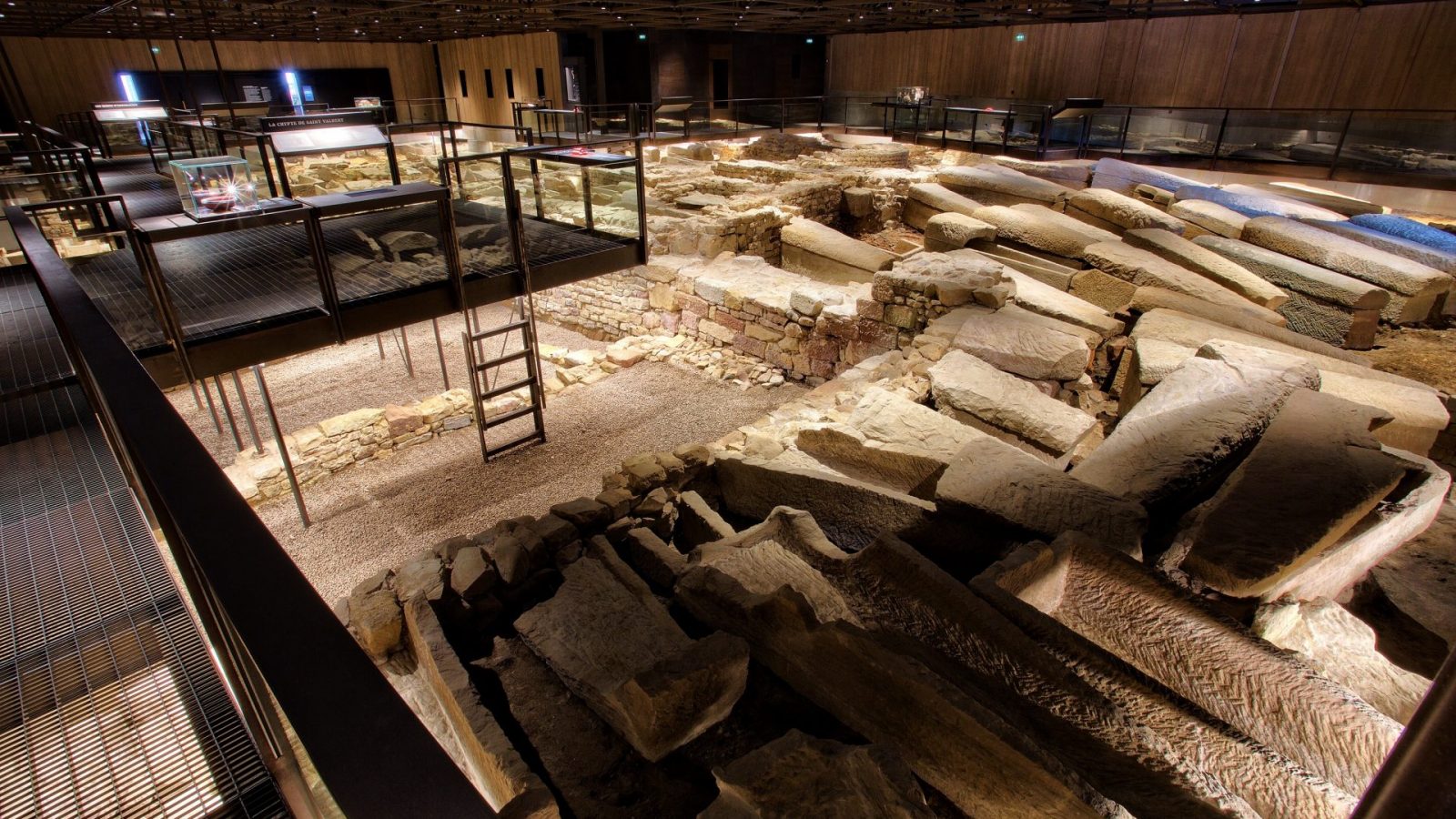
Okay, picture this: Me, awkwardly balancing a croissant and a café au lait in the Marais, trying to decipher a plaque on a crumbling building. It mentioned something about "l'Ecclesia." My French, usually decent enough for ordering pastries and complaining about Parisian traffic, utterly failed me. I thought, "Ecclesia? Sounds like some fancy brand of perfume… or maybe a rare cheese?" (Spoiler alert: it's neither. Though, a cheese named Ecclesia would be kind of awesome, wouldn't it?)
Turns out, "l'Ecclesia" is a much older concept than artisanal cheese. And trust me, it's way more interesting than just another building plaque. So, grab your favorite beverage (croissant optional), and let’s dive in!
What in the World Is l'Ecclesia?
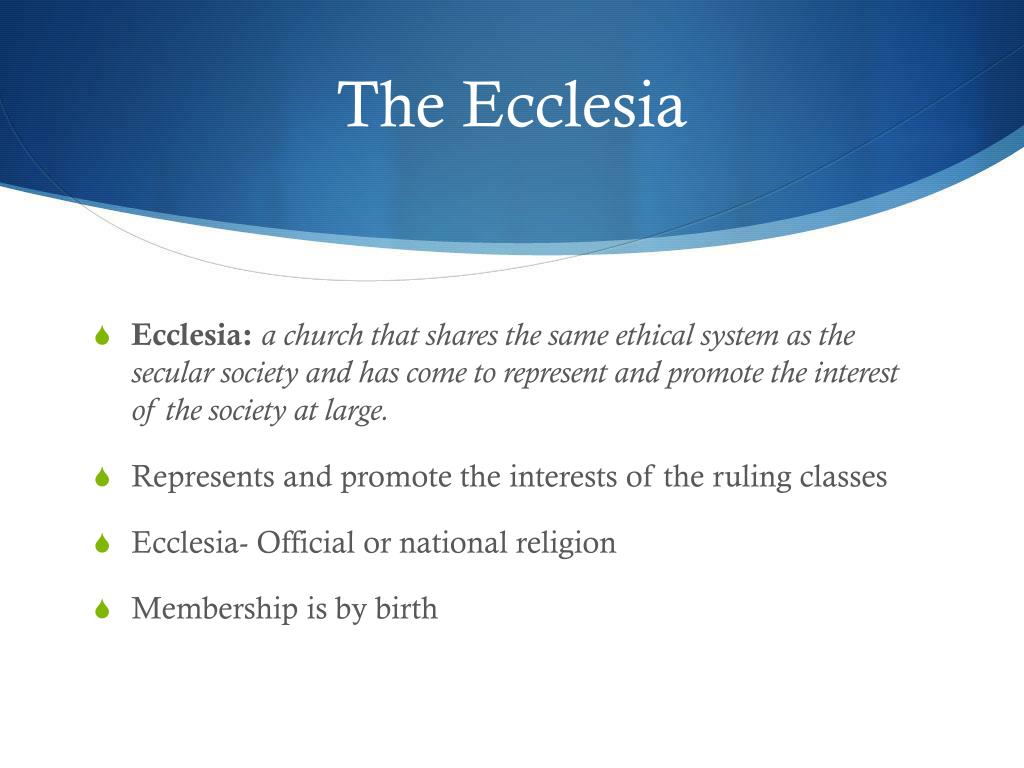
Simply put, l'Ecclesia (écrit avec un 'E' majuscule, parce qu'on parle d'un concept bien spécifique!) refers to the Christian Church, understood not just as a physical building, but as the community of believers. Think of it as the "people of God" gathered together. It's a concept deeply rooted in history, philosophy, and, of course, theology.
You might be thinking, "Okay, cool. So it's just 'the Church.' What's the big deal?" Well, the big deal is how the word itself reveals a lot about the early understanding of Christianity. It's not just a passive group of people showing up to a building on Sunday. There's more to it, way more.
A Little Trip Down Etymology Lane
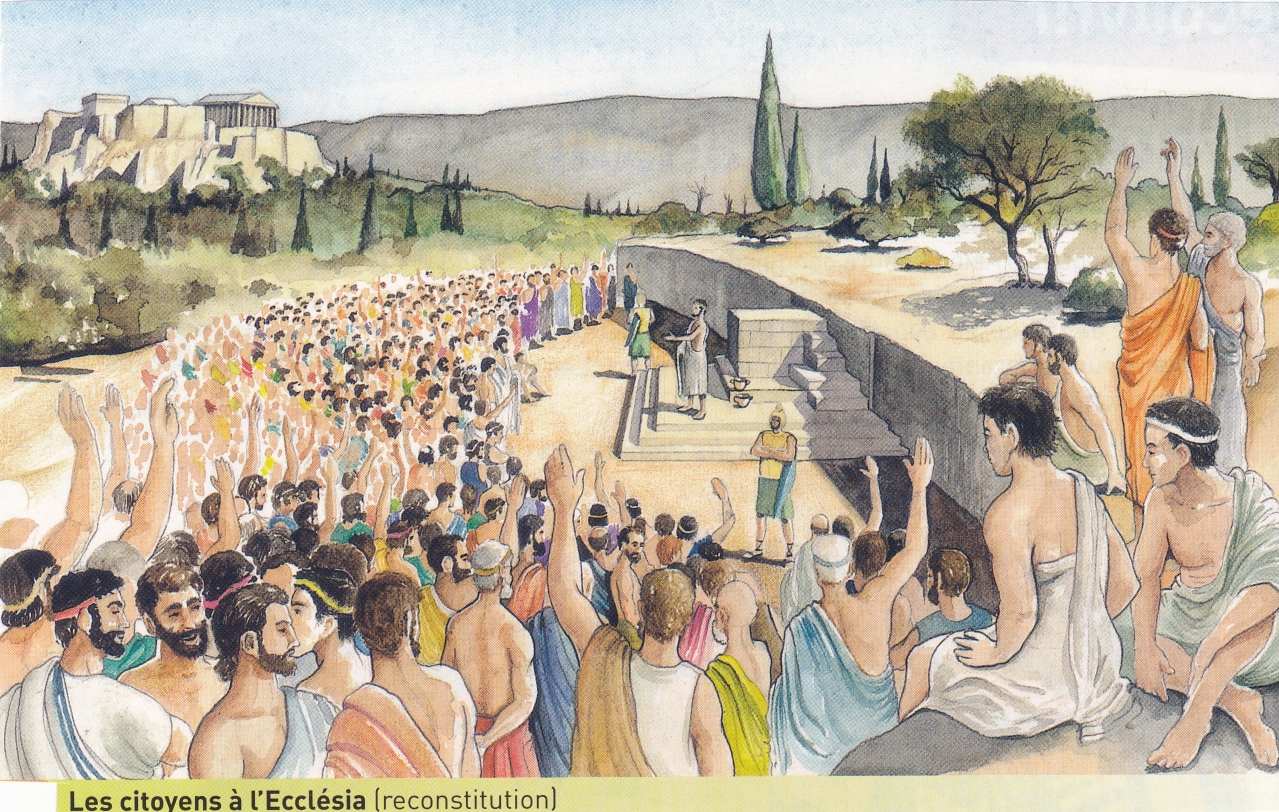
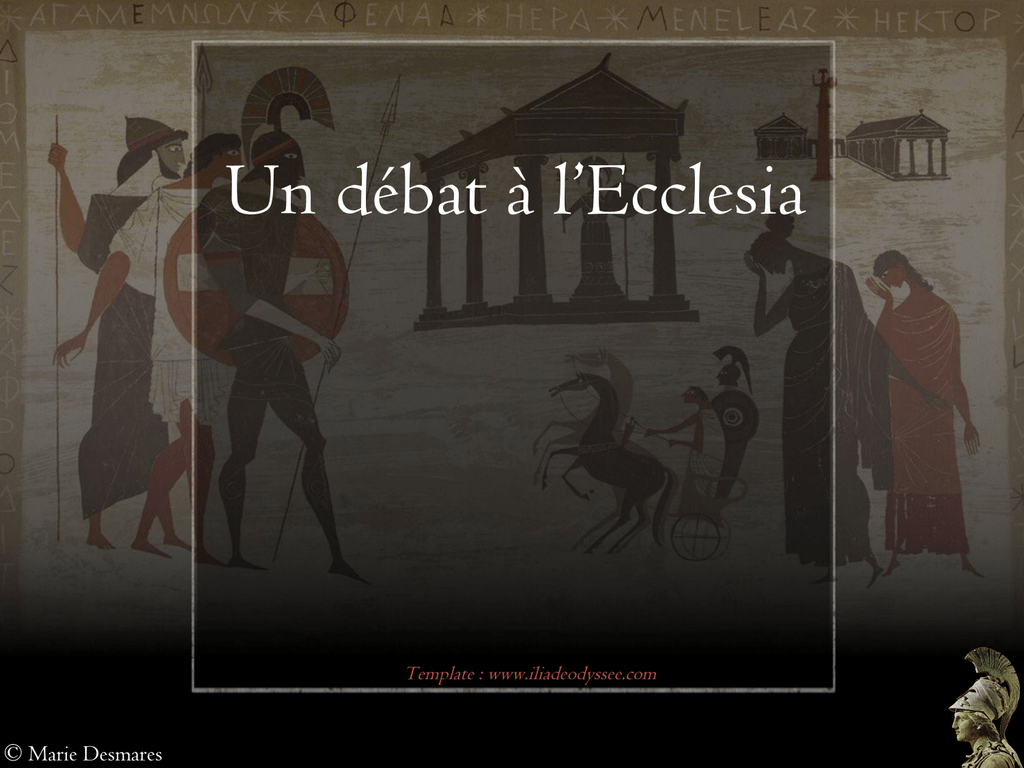
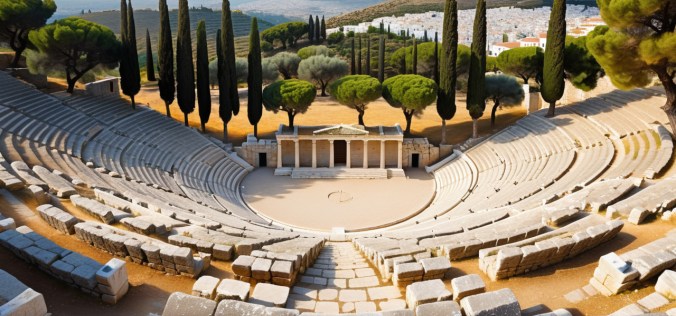
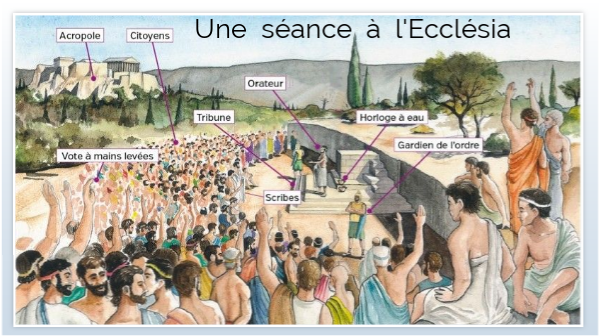
The word "Ecclesia" comes from the Greek word ἐκκλησία (ekklēsia). Now, this is where things get interesting. In ancient Greece, the ekklēsia wasn't a religious term at all! It was the assembly of citizens called to deliberate and make decisions about the city-state. Basically, it was the town hall meeting, but with potentially more toga-wearing.

Think about that for a second. The early Christians chose this word to describe their community. They weren't just picking a random label. They were intentionally connecting their identity to the idea of a gathering of people with a specific purpose, a group that played a role in shaping their society.
It implies:
- Agency: The members aren't passive; they're actively participating.
- Community: It's about more than just individual faith; it's about belonging to something bigger.
- Purpose: The gathering has a reason, a mission. It's not just a social club.
L'Ecclesia: Beyond the Building
So, while the modern Church often involves buildings (cathedrals, chapels, community centers, you name it), l'Ecclesia is primarily about the people. It's about the relationships, the shared beliefs, and the common mission that binds them together. You could say the building is just the (often beautiful) container, while l'Ecclesia is the precious content.
Think of it like this: a band can play in a concert hall, but the band is more than the building. It's the musicians, the music, and the shared experience with the audience. L'Ecclesia is like that band, playing the music of faith, hope, and love in the world.
Key Characteristics of l'Ecclesia:
- A Called-Out Community: The "ek-" part of ekklēsia means "out of" or "from." So, it suggests that members are "called out" from the world to form a distinct community. Not necessarily in a separatist way, but with a different focus and set of values.
- Centered on Christ: This is Christianity, after all! The teachings and example of Jesus are the foundation of everything.
- Mission-Oriented: L'Ecclesia isn't just about internal spiritual growth; it's about sharing the message of faith and serving others. Think of acts of charity, social justice, and simply being a good neighbor.
- Diverse and Inclusive (Ideally): While the historical reality hasn't always lived up to the ideal, the concept of l'Ecclesia ideally embraces people from all walks of life. It's supposed to be a place where differences are celebrated, not divisions. (Easier said than done, I know! But it's the goal.)
L'Ecclesia Today: Still Relevant?
In a world that often feels fragmented and disconnected, the idea of l'Ecclesia – a community bound together by shared values and a common purpose – feels more relevant than ever. Of course, the modern Church faces its own set of challenges. Skepticism, secularization, and internal divisions can all test its relevance.
But at its core, l'Ecclesia is about more than just religious dogma. It's about:
- Finding Meaning: Connecting with something bigger than yourself.
- Building Relationships: Forming meaningful connections with others.
- Making a Difference: Contributing to the well-being of the world.
And those are things that pretty much everyone can relate to, regardless of their religious beliefs (or lack thereof).
Beyond the Traditional Church:
It's also worth noting that the spirit of l'Ecclesia can be found in many places beyond the walls of a church. Community groups, activist organizations, and even online communities can embody the same principles of shared purpose, mutual support, and collective action. Think about any group of people who come together to make a positive impact on the world. That, in a way, is l'Ecclesia in action.
So, What Did We Learn?
Hopefully, you now have a better understanding of what l'Ecclesia is all about. It's not just a word, it's a concept rich in history and meaning. It's a reminder that faith is not just a private matter; it's something that connects us to others and calls us to action. It's about being part of a community that strives to make the world a better place, one croissant (or act of kindness) at a time.
And next time you see that word on a plaque in Paris (or anywhere else!), you'll know it's not just a fancy perfume or a rare cheese. It's a reminder of the power of community, the importance of purpose, and the enduring relevance of faith in the world.
Now, if you'll excuse me, I'm off to find that Ecclesia-themed cheese. (Okay, maybe not. But a girl can dream, right?)
À bientôt!