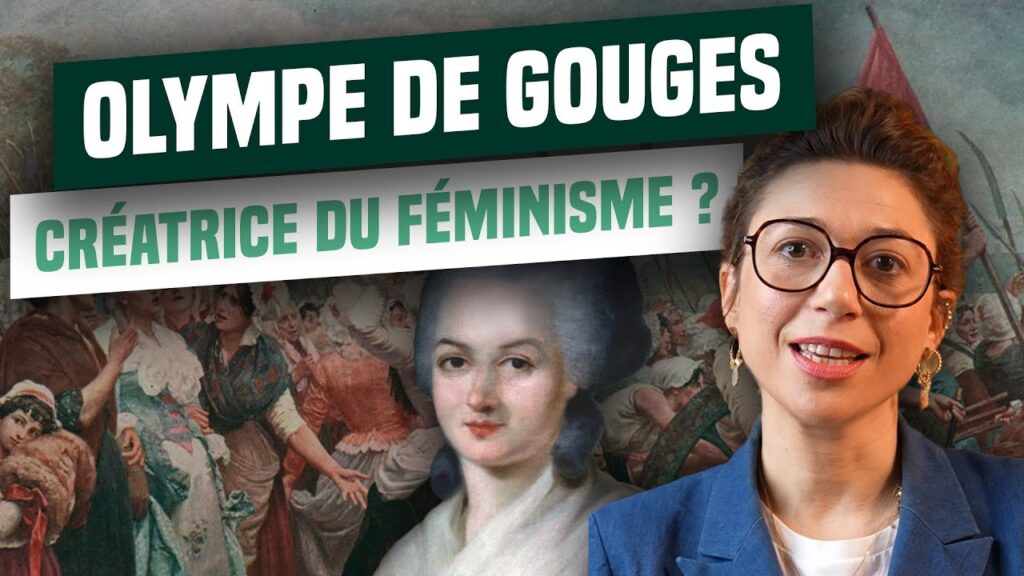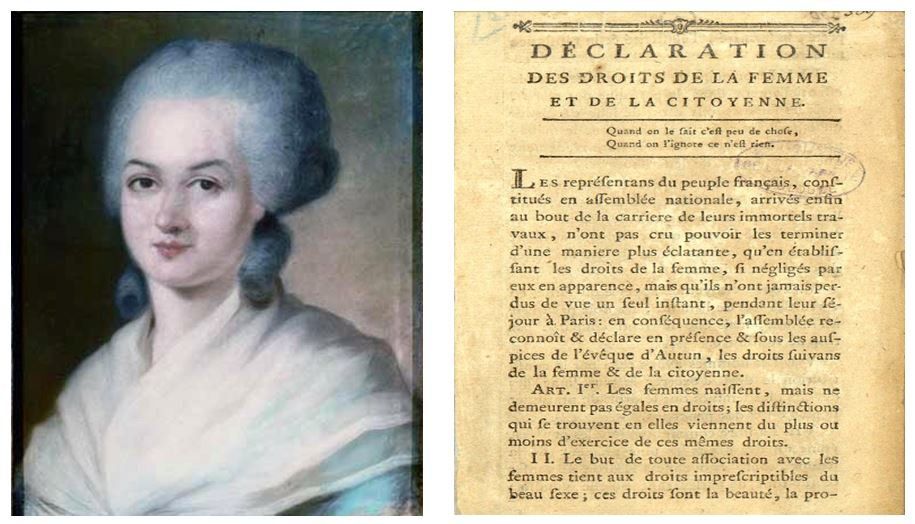
Alright, mes amis, gather 'round! Let me tell you a story – a story about a woman so fierce, so ahead of her time, she makes Joan of Arc look like a shrinking violet. I'm talking about Olympe de Gouges, folks! The queen (unofficial, sadly) of radical French feminism before "feminism" was even really a word.
Who Was This Firecracker, Anyway?
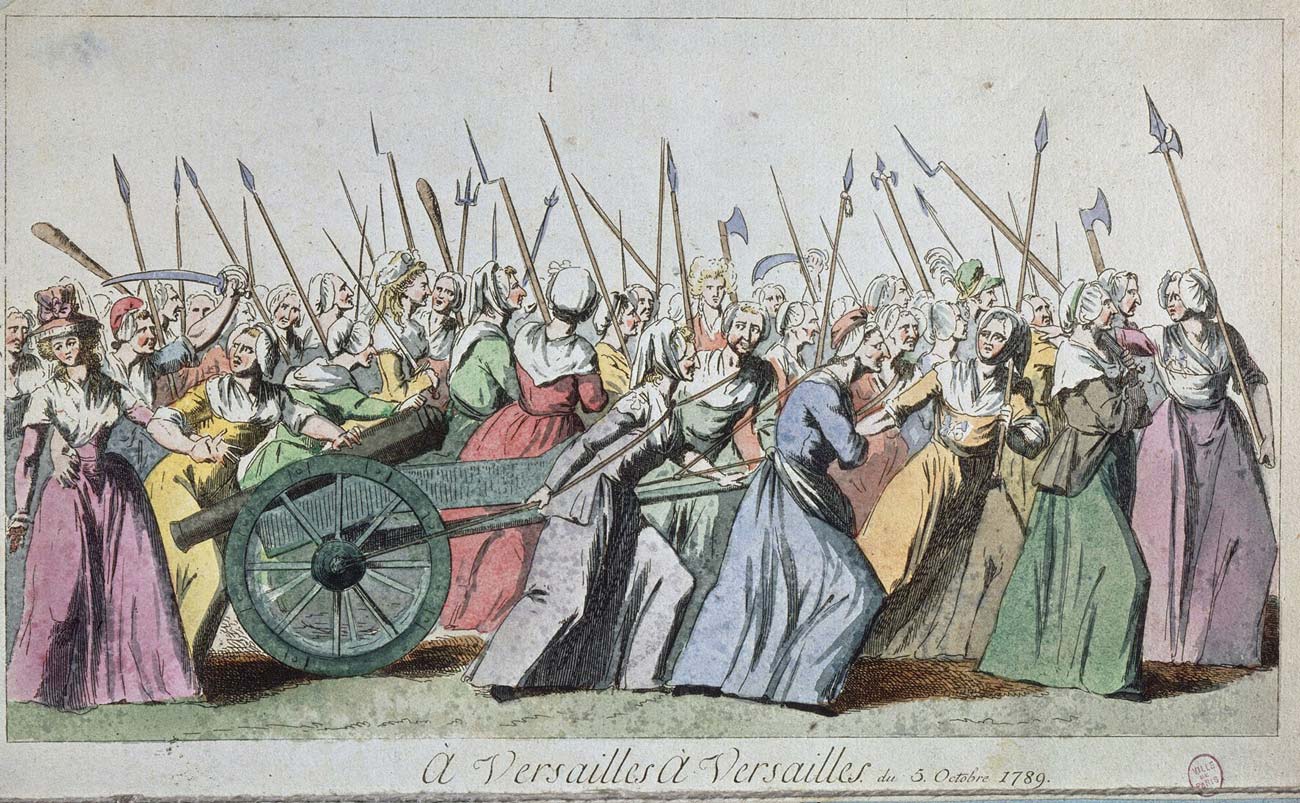
Imagine the French Revolution. You know, the one with the wigs, the guillotines, and Marie Antoinette allegedly saying "Let them eat cake" (spoiler alert: she probably didn't). Everyone was talking about "liberté, égalité, fraternité!" Freedom, equality, brotherhood! Sounds great, right? Except… it was mostly brotherhood. Women were still expected to, you know, knit silently in the corner and look pretty. Enter Olympe.
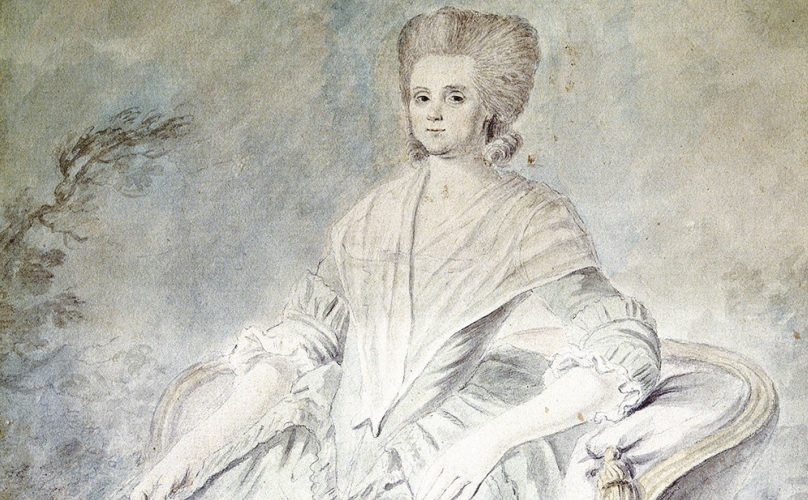
Olympe de Gouges (born Marie Gouze, but let's be honest, "Olympe" is way more dramatic) wasn't born with a silver spoon in her mouth. In fact, there's a bit of a mystery surrounding her parentage – whispers of her being the illegitimate daughter of a nobleman, which, if true, adds another layer of intrigue to her already fascinating life. She married young, was widowed quickly, and decided, "Nah, marriage is not for me." Good on you, Olympe! She moved to Paris and reinvented herself as a writer and playwright, tackling controversial social issues like slavery and the treatment of women. Talk about a glow-up!
She Didn't Just Write, She Acted
Olympe wasn't content to just sit in her Parisian apartment and pen fiery pamphlets. She was out there, engaging with the political debates, lobbying for reforms, and generally making sure her voice was heard. Think of her as the Beyoncé of the French Revolution, but with even more pointed political commentary. And probably fewer sparkly outfits, although I’d like to think she rocked a fantastic bonnet.
The Declaration That Shook the Establishment
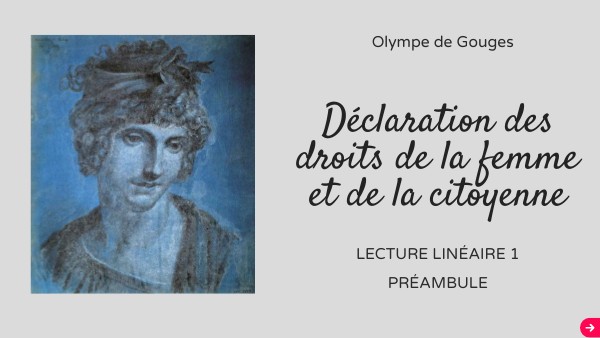
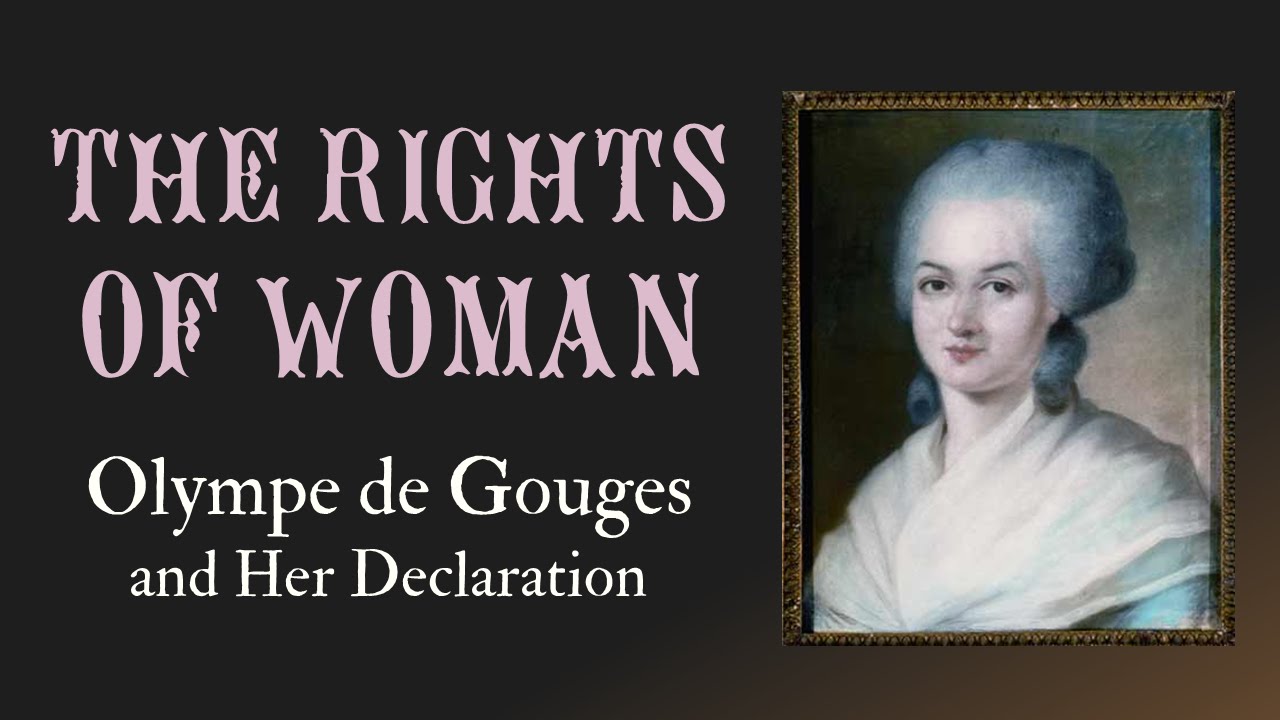
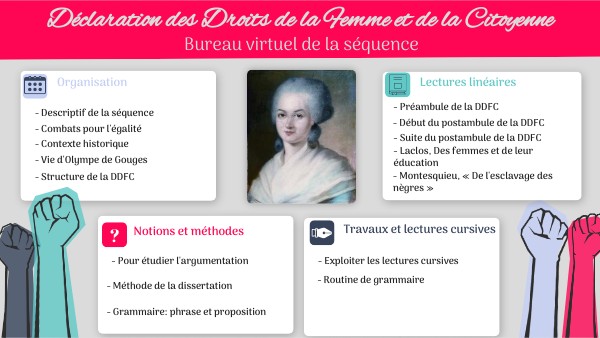
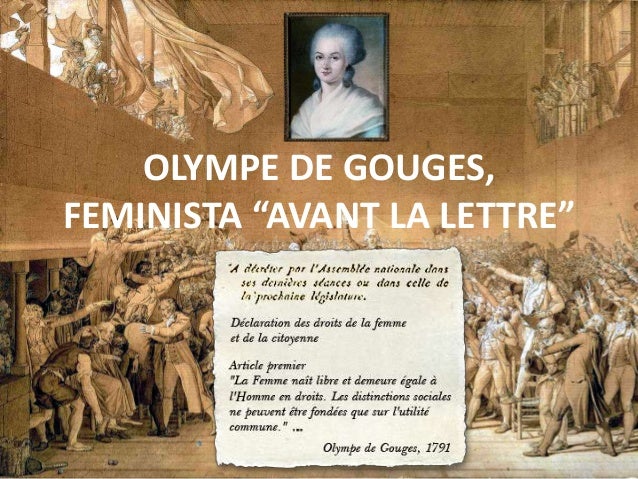
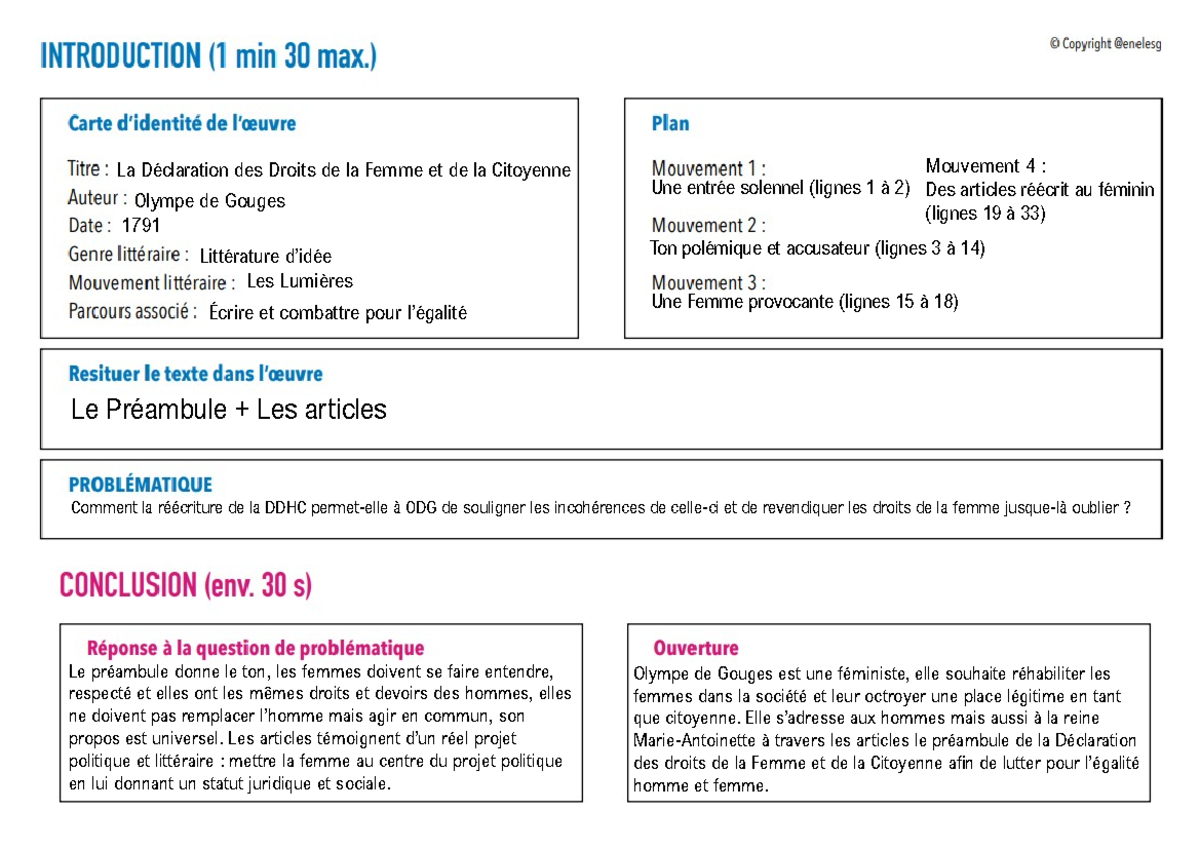
Now, let's get to the pièce de résistance, the thing Olympe is most famous for: the "Declaration of the Rights of Woman and of the Female Citizen" (1791). This was her response to the "Declaration of the Rights of Man and of the Citizen," which, surprise, surprise, conveniently forgot about the "woman" part. It was basically like the Founding Fathers saying, "All men are created equal… except, you know, half the population." Olympe wasn't having any of it.

Her Declaration was a point-by-point rebuttal, a hilarious (in a darkly satirical way) takedown of the Revolution's hypocrisy. She argued that women should have the same rights as men – the right to vote, the right to own property, the right to education, the right to… well, basically, all the rights. It was revolutionary (pun intended!), audacious, and, unfortunately, largely ignored by the powers that be. They were probably too busy arguing about powdered wigs and whether to execute the king.
Some Killer Lines from the Declaration:
- "Woman is born free and remains equal to man in rights." Bam! Take that, Robespierre!
- "The goal of all political association is the preservation of the natural and imprescriptible rights of woman and man." In other words, if women aren't included, it's not a real political association.
- "Liberty and justice consist of restoring all that belongs to another; thus, the exercise of the natural rights of woman has no other limits than those that perpetual tyranny of man opposes to them; these limits must be reformed according to the laws of nature and reason." She's basically calling out the patriarchy for being, well, tyrannical.
She wasn't just demanding equality, she was also highlighting the absurdity of denying it. Imagine someone saying, "Only people with blue eyes should vote." It sounds ridiculous, right? That's the kind of logical leap Olympe was exposing when she pointed out the exclusion of women.
Her Downfall and Untimely Exit
Sadly, Olympe's outspokenness and radical views ultimately led to her demise. During the Reign of Terror, she criticized Robespierre and the Jacobins, advocating for a more moderate form of government. This was a major no-no. Criticizing Robespierre was basically like volunteering to be a pinata at a particularly violent birthday party. The official reason for her execution was "sedition," but really, it was because she dared to challenge the status quo and speak truth to power.
She was guillotined in 1793. A tragic end for a woman who fought so passionately for justice and equality. Some historians say she even went to the guillotine with her head held high, defiant to the very end. Legend says she announced to the crowd: "Children of the Fatherland, you will avenge my death one day!" Now that's a mic drop moment!

Why She Matters Today
So, why should we care about a woman who lived and died over 200 years ago? Because Olympe de Gouges was a visionary. She saw the flaws in the French Revolution's promise of equality and dared to call them out. She understood that freedom and justice are not truly achievable until they are extended to everyone, regardless of gender. Her declaration, though initially ignored, became a foundational document for the women's rights movement and continues to inspire activists today.
Think about it: every time a woman runs for office, every time a law is passed protecting women's rights, every time someone challenges gender inequality, Olympe de Gouges' spirit is there, cheering them on. She may be gone, but her words and her legacy continue to resonate. She reminds us that the fight for equality is never truly over and that we must always be vigilant in defending the rights of all people.
In Conclusion: Olympe de Gouges – Total Badass
So, next time you're feeling discouraged about the state of the world, remember Olympe de Gouges. Remember her courage, her wit, and her unwavering commitment to justice. She may have lost her head (literally), but her voice is still ringing loud and clear. And if you ever find yourself in a debate about women's rights, just channel your inner Olympe and unleash some of that revolutionary fire. After all, égalité isn't just a word – it's a right! À la vôtre, Olympe!