Okay, imagine this: Moi, last summer, determined to finally have a thriving tomato plant. I meticulously watered it, talked to it (don't judge!), even serenaded it (okay, maybe I'm exaggerating the serenading part). But, after a promising start, those little green hopefuls just... withered. Sigh. Turns out, I'd forgotten the most crucial ingredient. And no, it wasn't fertilizer – although, yeah, that probably would have helped. It was the sun! The sun, mes amis, is basically the boss of everything. Including that fickle water cycle we all learned about in school.
So, how exactly does our big, burning star dictate whether my tomatoes live or die? Let's dive in!
The Water Cycle: A Very Brief Refresher
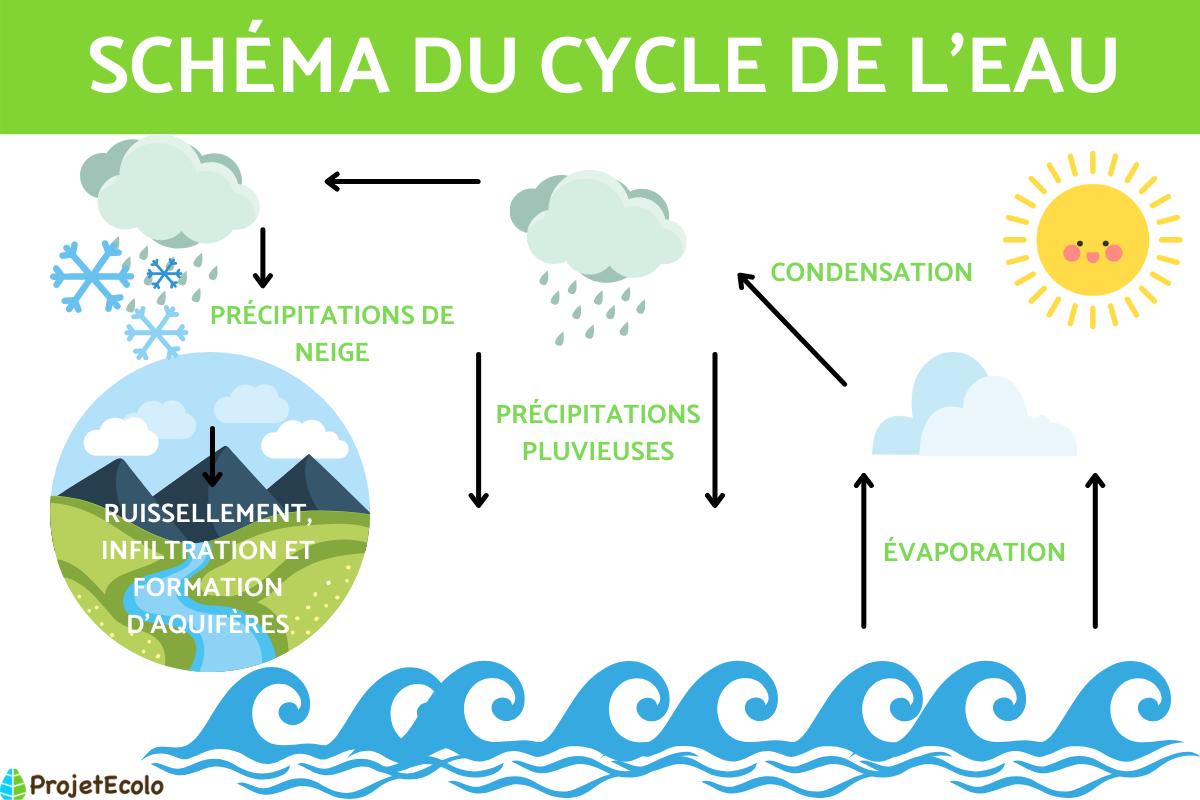
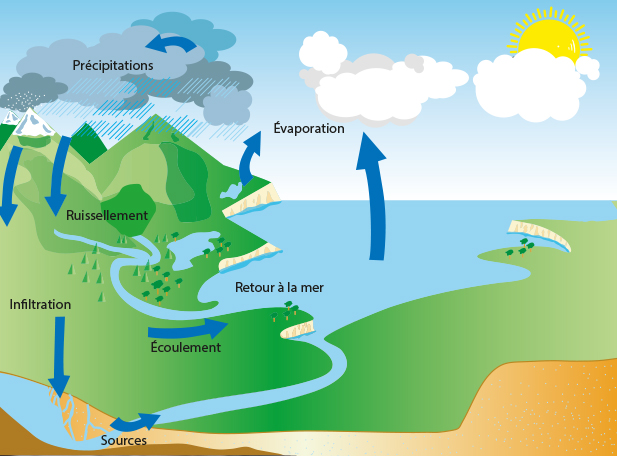
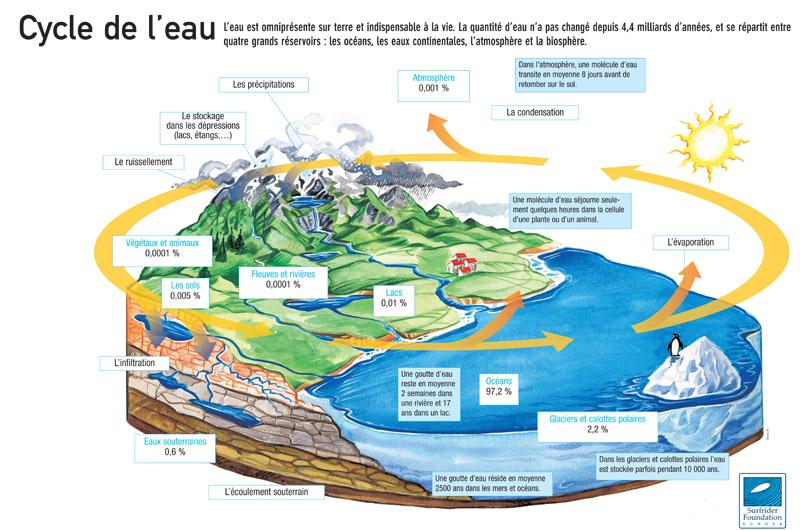
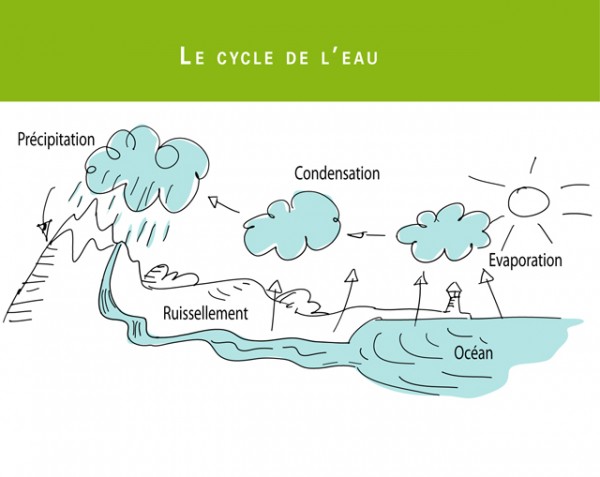
We all know the basics, right? Water evaporates, forms clouds, rains (or snows, or hails, depending on the season – hello, climate change!), and then... repeats. But that’s like saying a soufflé is just flour, eggs, and sugar. It's technically true, but misses all the delicious nuance. And the potential for disaster if you forget the vanilla extract (or the sun, in this case).
Step 1: Evaporation - Sun's the MVP
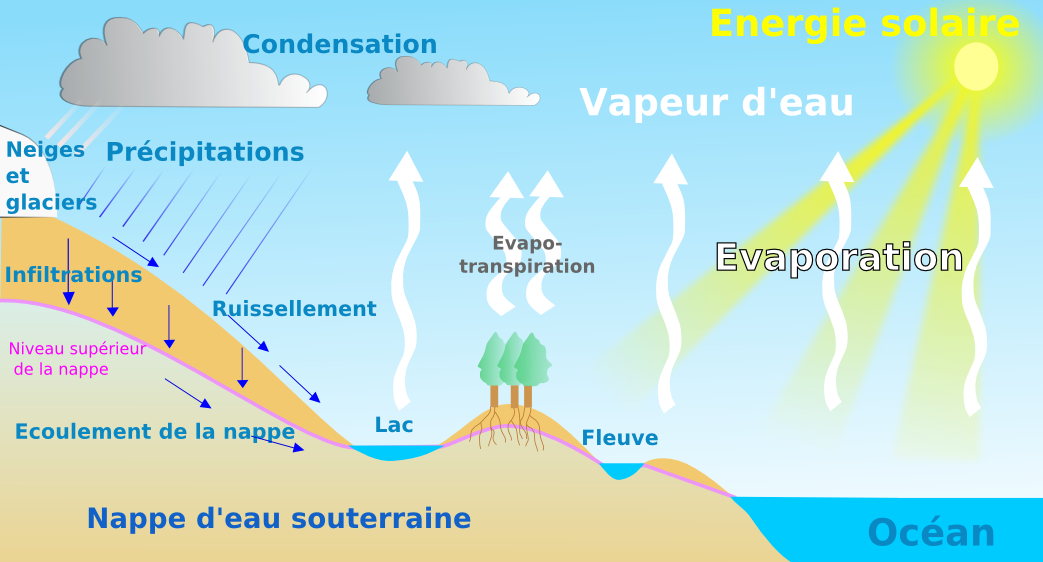
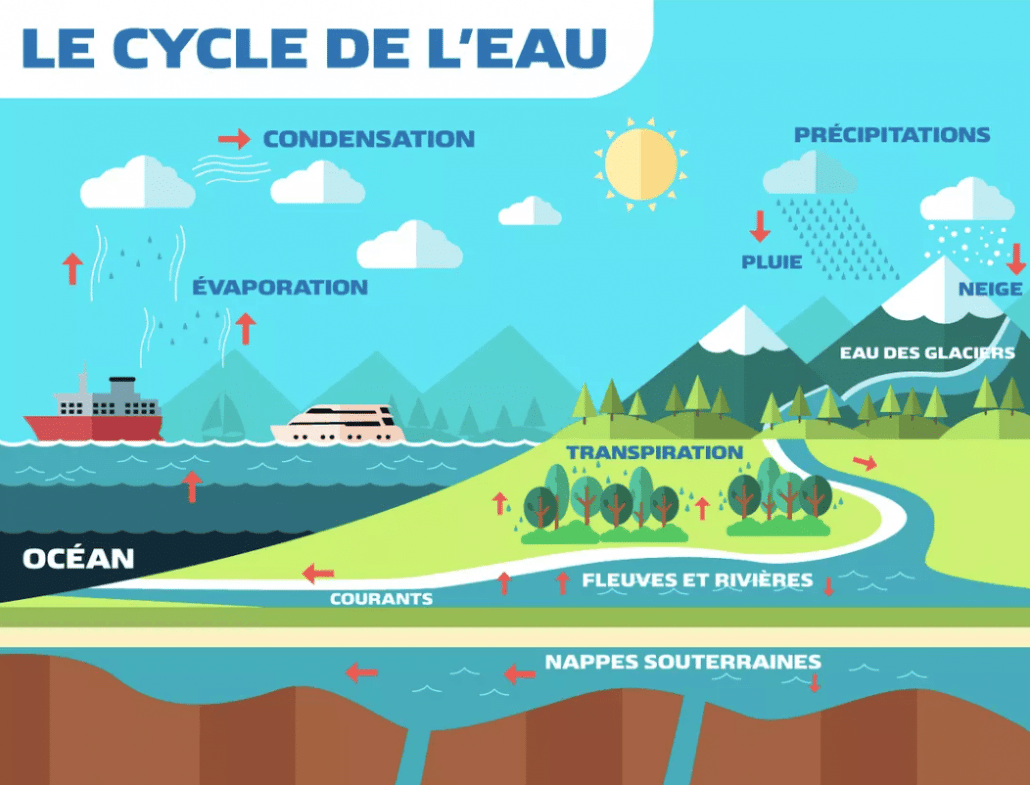
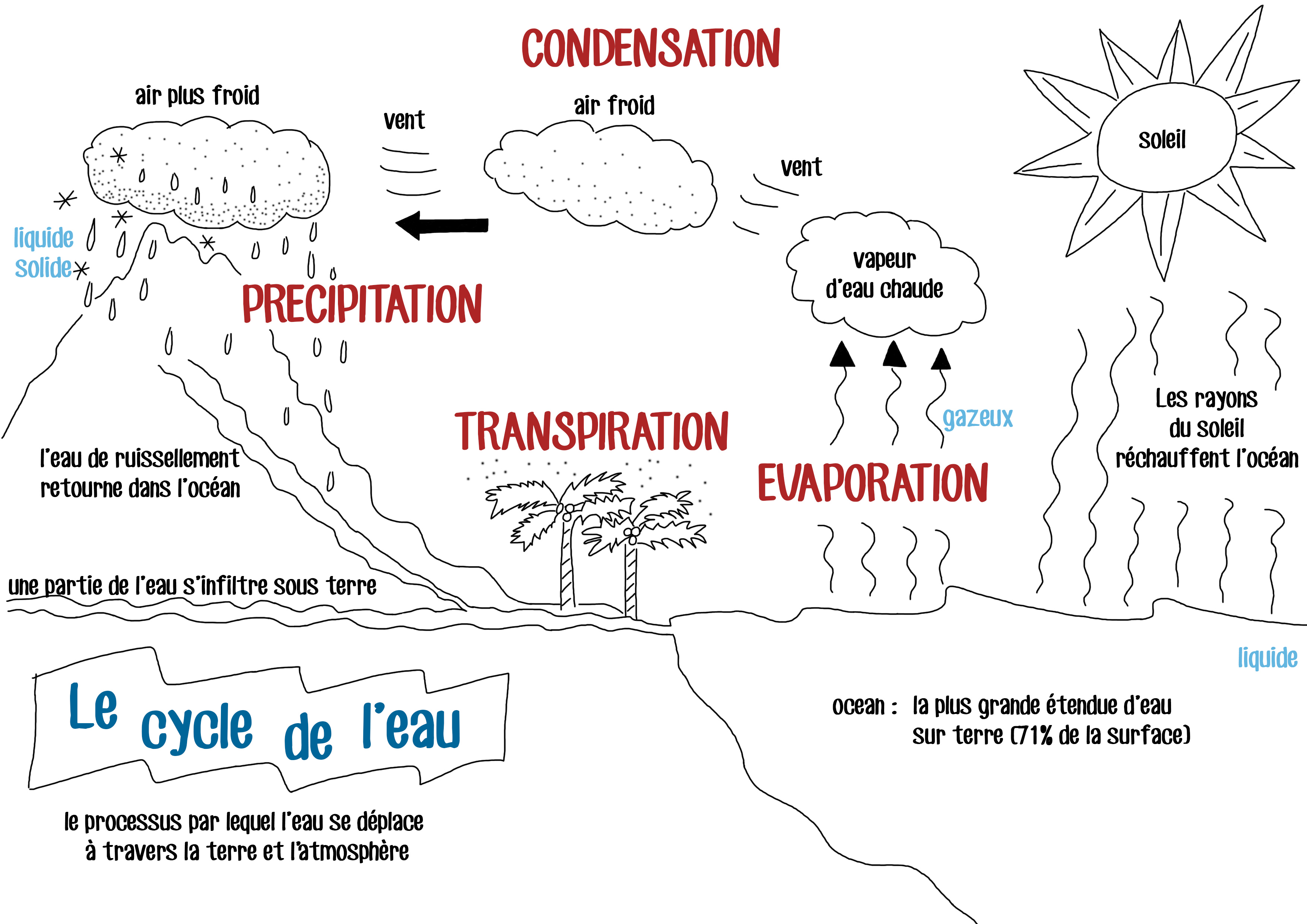
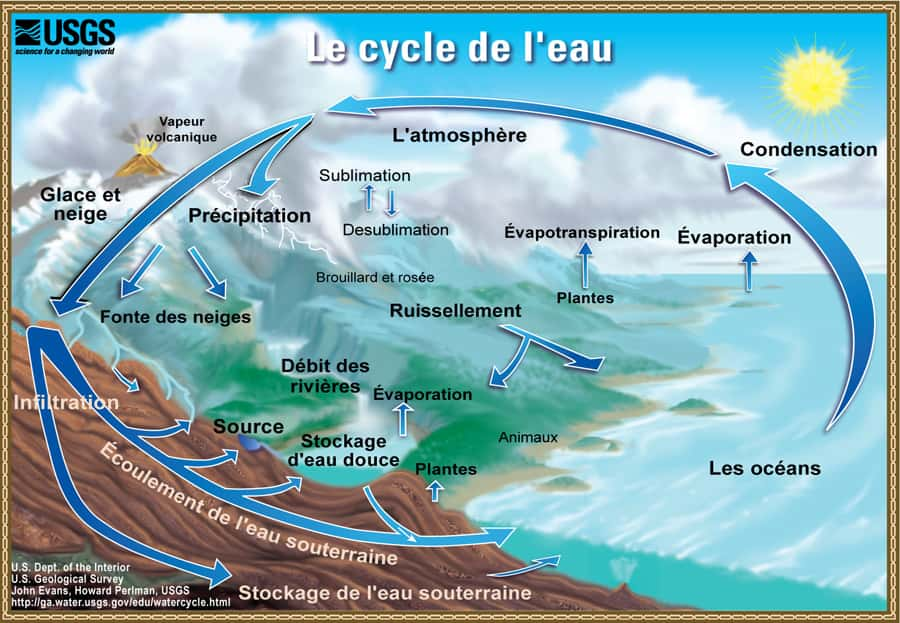
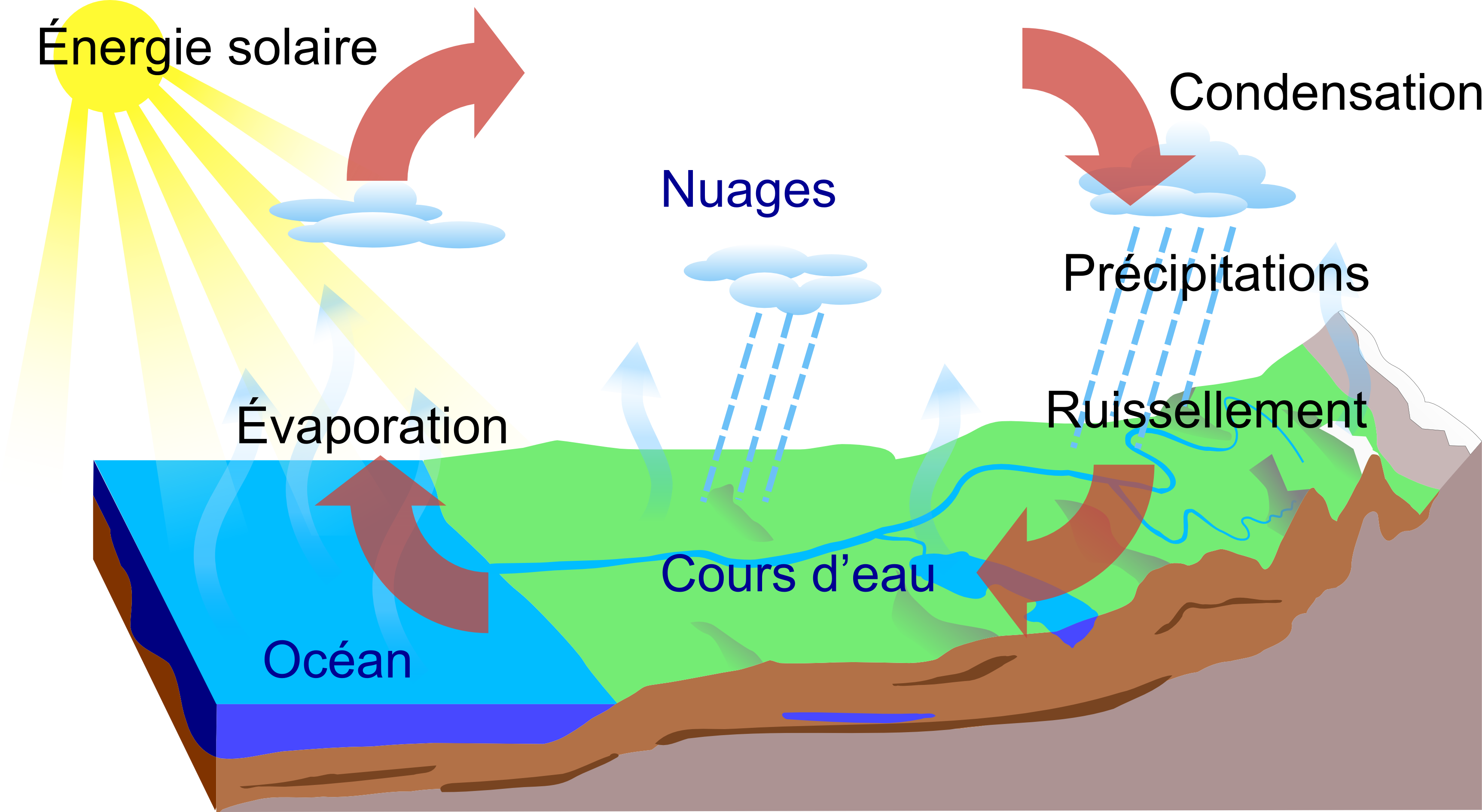
This is where the sun struts onto the stage and demands attention. Evaporation, the transformation of liquid water into water vapor, is powered by the sun's energy. Think of it like this: the sun’s rays are like tiny little energy pellets, bouncing off the water molecules and giving them the oomph they need to break free from the liquid state. So, without the sun blasting its glorious rays onto the Earth's surface (oceans, lakes, rivers, your neighbor’s neglected swimming pool), we wouldn’t have nearly as much water vapor floating around. Less water vapor = less clouds = less rain = sad tomatoes (and everything else).
Imagine trying to boil water without a stove. It's going to take a long time, if it happens at all. That's essentially what we're talking about with evaporation and the sun. It's the essential heat source, the prime mover, the... okay, I'll stop with the dramatic metaphors.
Step 2: Transpiration - Plants Doing Their Thing (Thanks to the Sun, Again!)
Here’s a fun fact that often gets overlooked: plants also contribute significantly to the water cycle through a process called transpiration. Basically, they absorb water through their roots and then release it as vapor through tiny pores (stomata) on their leaves. And guess what drives transpiration? You guessed it – the sun! The sun's heat creates a "pull" that helps draw water up from the roots and out through the leaves. Think of it like a natural, solar-powered irrigation system. (Except, you know, way more complex and essential.)
Without the sun's energy fueling transpiration, plants would struggle to survive (and so would we, since we rely on them for food, oxygen, and general pleasantness). So, give a little thanks to the sun next time you bite into a juicy apple. You're welcome.
Step 3: Condensation - Clouds Forming (Still Connected to the Sun!)
Okay, so we've got water vapor floating around in the atmosphere. What happens next? Condensation! As the water vapor rises and cools (the higher you go, the colder it gets – think about climbing a mountain), it transforms back into liquid water, forming tiny droplets that cling to microscopic particles in the air. These droplets eventually clump together to form clouds.
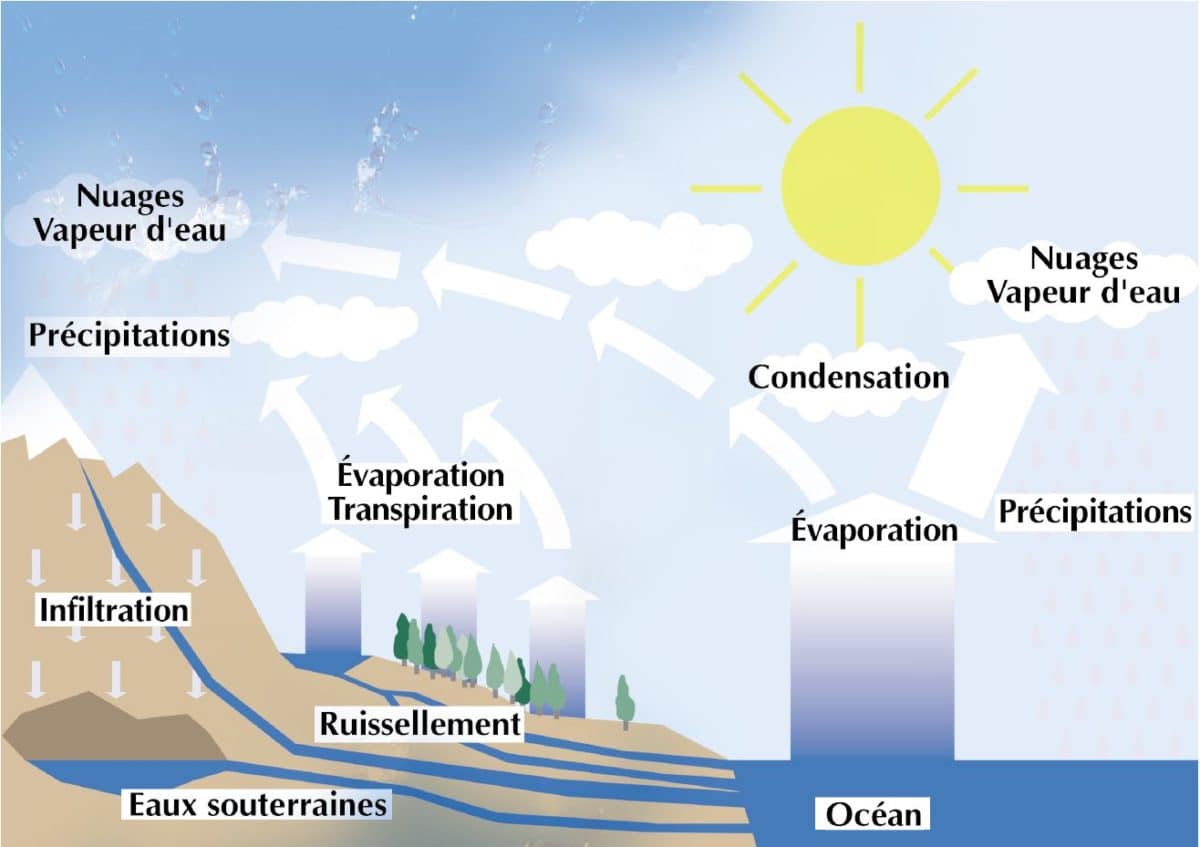
While the sun isn't directly involved in the condensation process itself, its role in evaporation sets the whole thing in motion. No evaporation = no water vapor = no clouds = staring at a perpetually blue sky. Which, while aesthetically pleasing, wouldn't be very sustainable.
Step 4: Precipitation - Rain, Rain, Go Away...Or, Please Stay!
The grand finale! When the water droplets in clouds become too heavy, they fall back to Earth as precipitation – rain, snow, sleet, hail, you name it. This is how water returns to the Earth's surface, replenishing our rivers, lakes, and groundwater supplies. And, of course, watering my (hopefully now thriving) tomato plant.
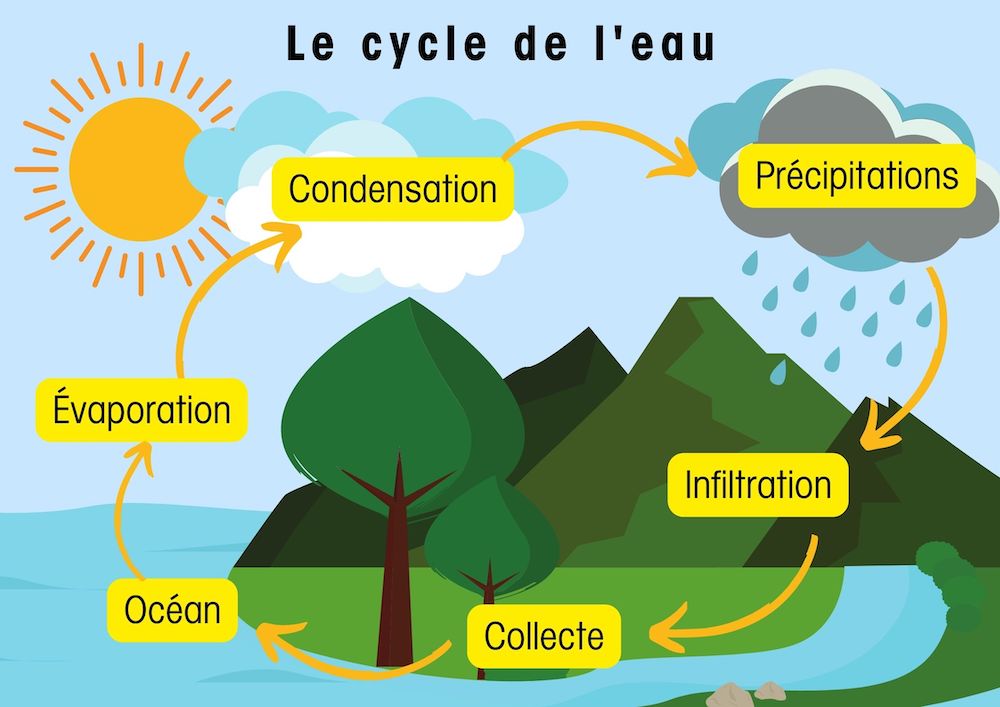
Again, the sun’s role here is indirect, but absolutely crucial. Without the sun-powered evaporation and transpiration fueling the entire cycle, there simply wouldn't be enough water in the atmosphere to produce significant precipitation. It’s all connected, like a really complicated (and incredibly important) domino effect.
Why This Matters: The Big Picture
So, the sun is essential for the water cycle. Big deal, right? Well, actually, it is a big deal. The water cycle is fundamental to life on Earth. It provides us with fresh water for drinking, agriculture, and industry. It regulates temperatures, influences weather patterns, and supports ecosystems. Without a healthy water cycle, our planet would be a very different (and much less habitable) place.
- Agriculture: Imagine trying to grow crops without rain. Good luck!
- Drinking Water: Where do you think your tap water comes from? Rivers, lakes, and groundwater, all replenished by precipitation.
- Ecosystems: From rainforests to deserts, every ecosystem relies on the water cycle.
- Climate Regulation: Water vapor is a greenhouse gas, which helps to regulate Earth's temperature.
Basically, the sun is the unsung hero (or, rather, the blazing hero) of the water cycle. It’s the engine that drives the whole process, and without it, we'd be in serious trouble.
Climate Change and the Water Cycle: A Worrying Trend
Now, here’s the less cheerful part. Climate change is messing with the water cycle. Rising temperatures are causing more evaporation, which can lead to more intense rainfall in some areas and prolonged droughts in others. It's all becoming more unpredictable, more extreme, and, frankly, more worrying. Think more floods, more droughts, and a lot more uncertainty about the future of our water resources.
Understanding the role of the sun in the water cycle is even more important now than ever before. By grasping these fundamental processes, we can better understand the impacts of climate change and develop strategies to mitigate its effects. Plus, maybe, just maybe, I’ll finally figure out how to keep my tomato plants alive and thriving, regardless of what Mother Nature throws my way. (Wish me luck!)
So, next time you feel the sun on your face, take a moment to appreciate its power and its vital role in sustaining life on Earth. And maybe spare a thought for that poor, sun-deprived tomato plant. It deserves it.