Okay, imagine this: you're eavesdropping (don't act like you haven't done it!) on a conversation at a café. Two people are arguing about… whether pineapple belongs on pizza. (Seriously? Still?). But here's the thing: you only hear one side. You catch snippets like, "It's an abomination!" and "You're ruining a perfectly good pizza!" Now, try forming an opinion. Hard, right? You're missing crucial context, the why behind the pizza blasphemy.
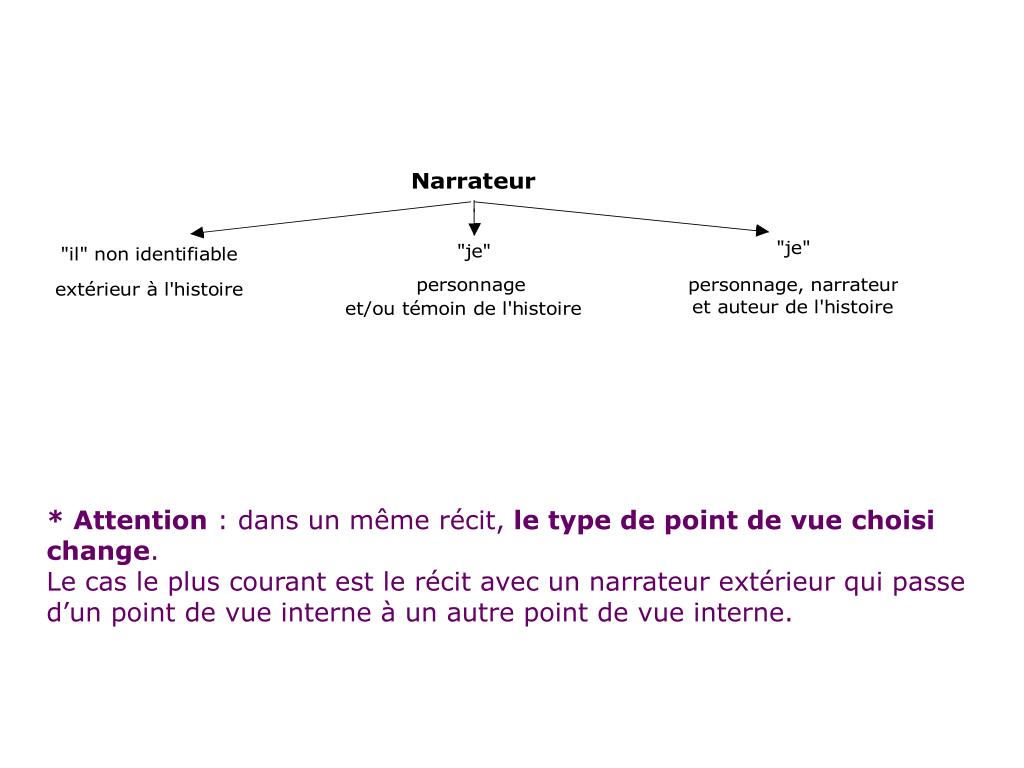
That little café drama, my friends, is a perfect illustration of why understanding point de vue interne, or internal point of view, is so important. It's not just about storytelling, though it's massive in that realm. It's about understanding how anyone – a character in a book, a person you're talking to, even yourself – perceives and interacts with the world.
What Exactly Is Point De Vue Interne?
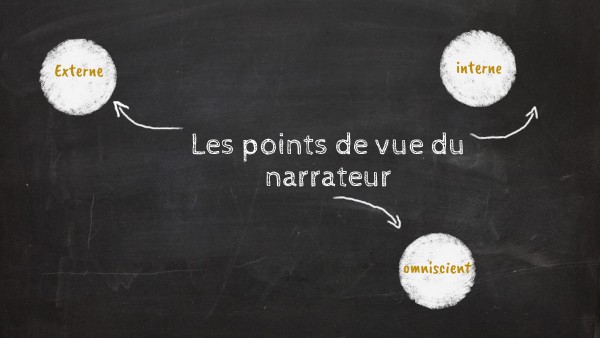
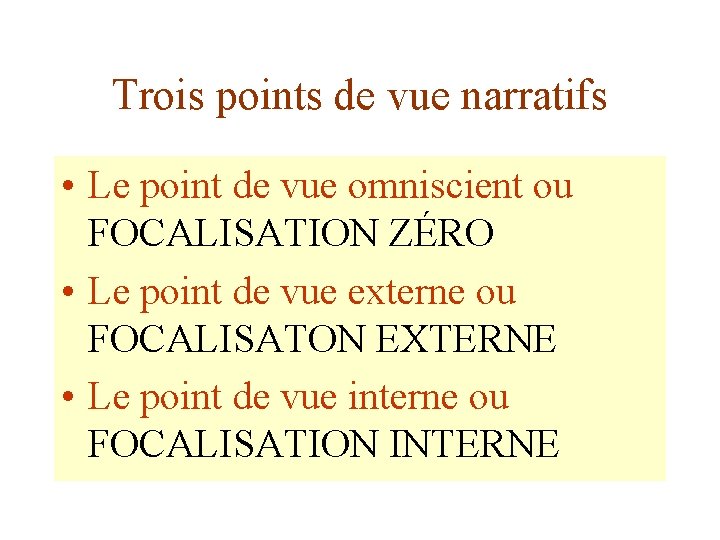
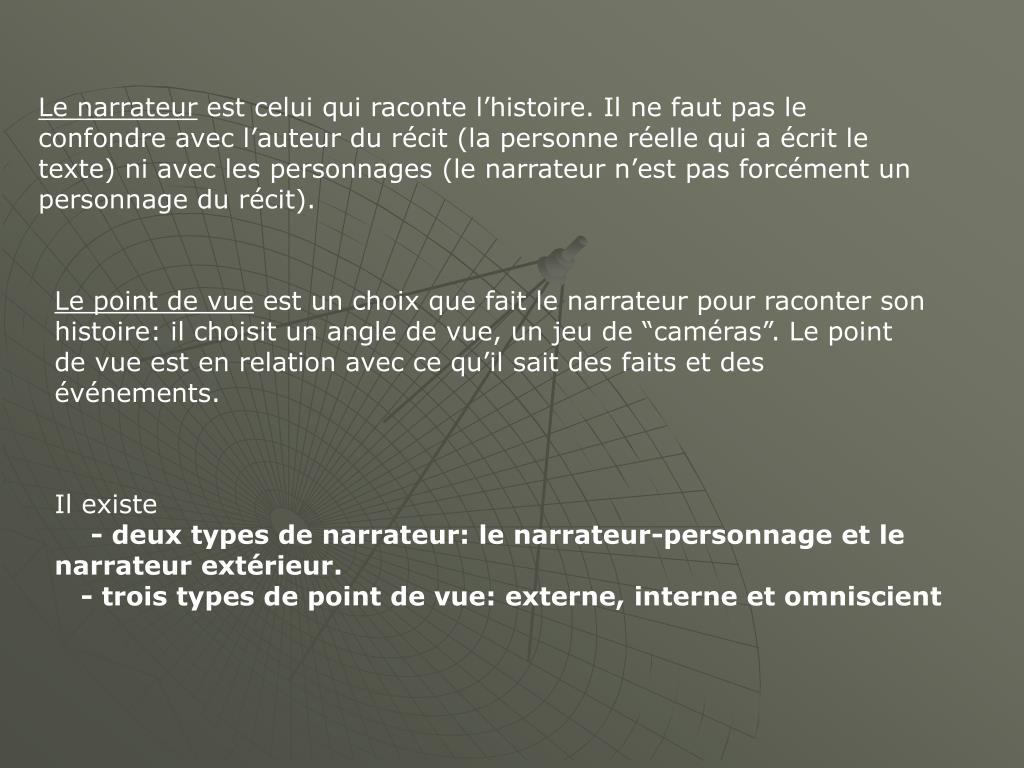
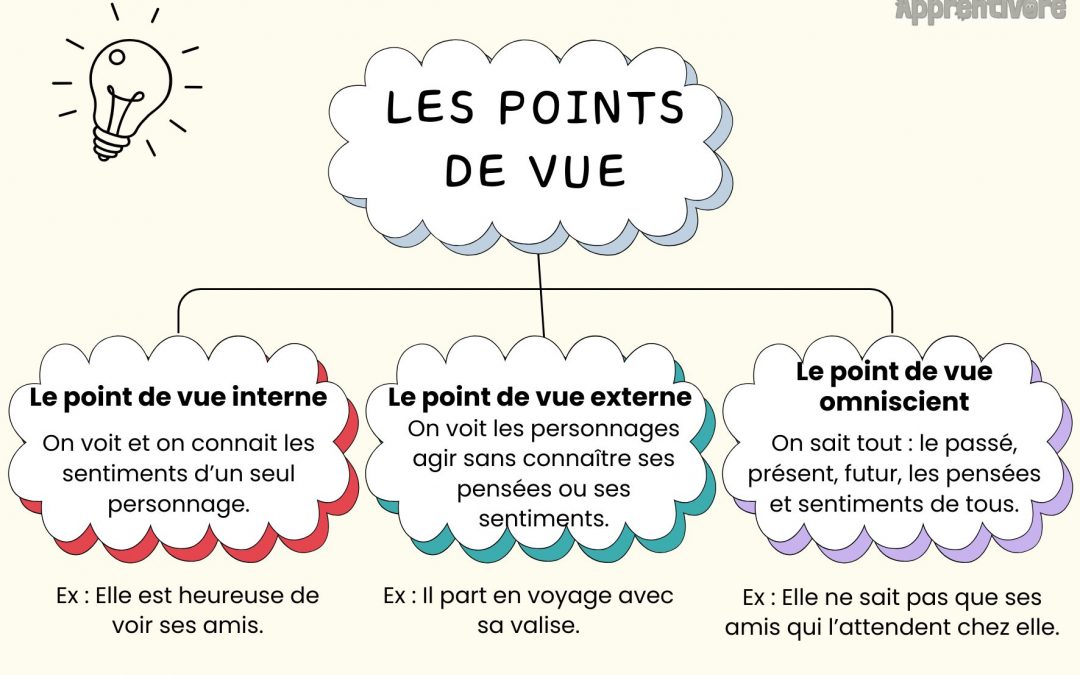
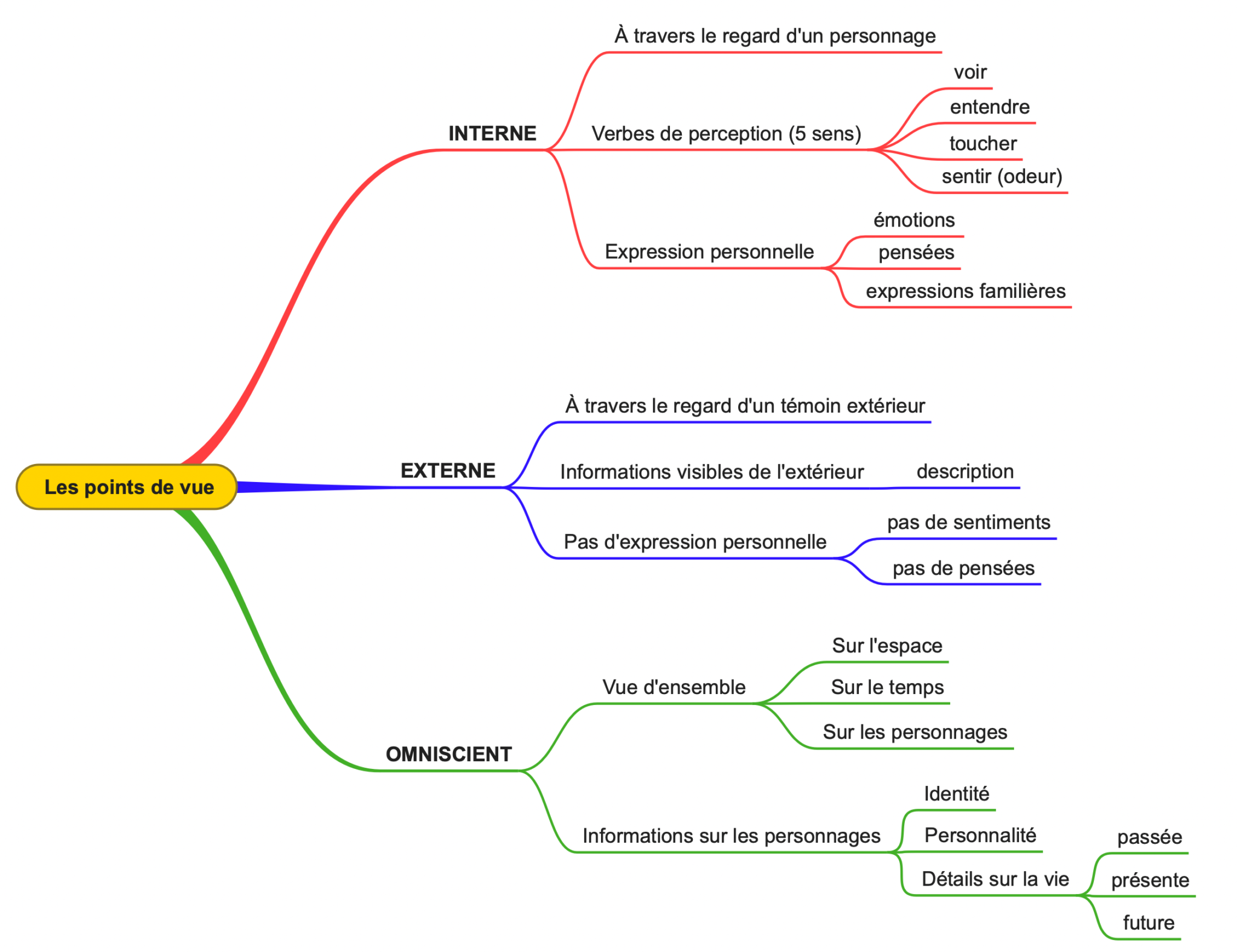
Alright, let's break it down. Point de vue interne, in its simplest form, is the perspective of a character within the story. It's seeing the world through their eyes, feeling their emotions, and hearing their thoughts. It's being inside their head, experiencing everything as they do.
Think of it like wearing a pair of their glasses. Suddenly, everything looks a little different, colored by their experiences, biases, and beliefs. Want to know what makes a character tick? Internal point of view is your golden ticket!
Different Flavors of Internal Perspective
Now, things get a little more nuanced. There isn't just one way to use internal point of view. We have a few options, each with its own strengths and weaknesses. Let's explore:
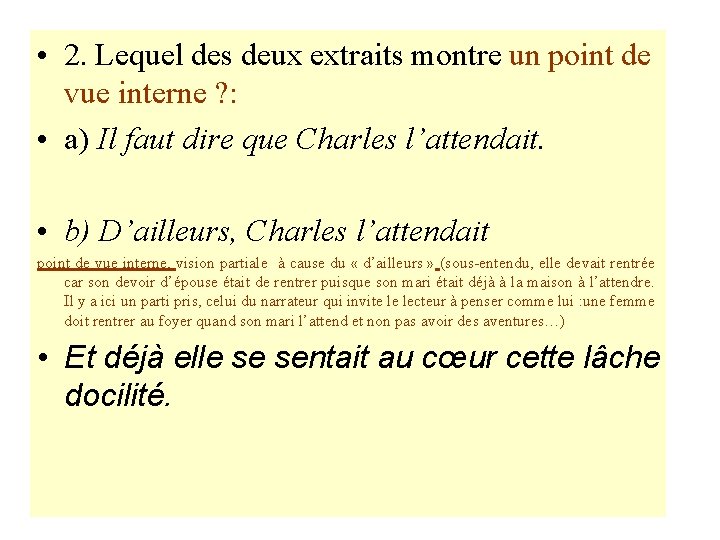
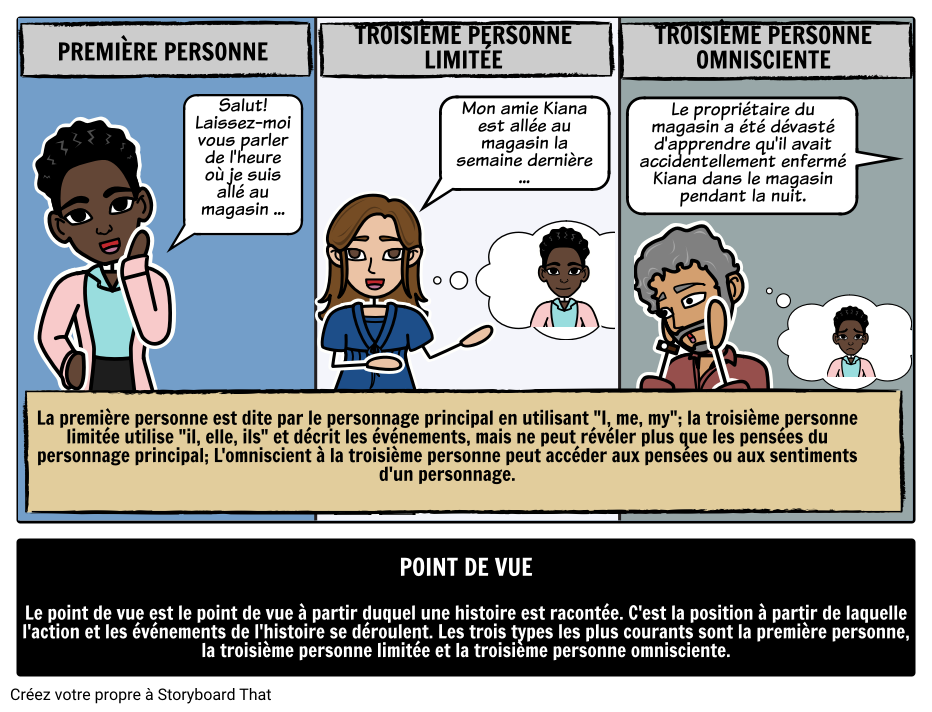
- First-Person Narrative: "I walked into the café, smelling the rich aroma of coffee and dreading the pineapple pizza debate." This is as intimate as it gets. You are the character. You only know what they know, see what they see, and feel what they feel. It's fantastic for building empathy and drawing the reader into the character's emotional world. But (and there's always a "but," isn't there?), it's limited. You can't know what other characters are thinking unless your narrator is a mind reader (which, let's be honest, would be pretty cool).
- Third-Person Limited: "She walked into the café, smelling the rich aroma of coffee and dreading the pineapple pizza debate." Similar to first-person, but using "he," "she," or "they." You're still stuck inside the character's head, but there's a little more distance. You get a slightly wider view, but still limited to their perspective. It offers a balance between intimacy and flexibility. This allows you to explore the thoughts and feelings of one character at a time, while still maintaining a sense of distance.
- Free Indirect Discourse (FID): This is where things get really interesting (and a little tricky). FID blends the narrator's voice with the character's thoughts and feelings. It's like the narrator is subtly channeling the character. For example: "She walked into the café. Oh god, not the pineapple pizza debate again." See how the phrase "Oh god, not the pineapple pizza debate again" feels like her inner monologue, even though it's presented in third person? FID is a powerful tool for subtly revealing a character's inner world without explicitly stating their thoughts. It's a way of showing, not telling.
Each of these approaches provides a unique lens through which the reader experiences the story. The choice depends on the story you want to tell and the effect you want to create.
Why Bother With All This Perspective Stuff?
Good question! Why go through all the trouble of choosing a specific point of view? Well, here's the deal:
- Empathy and Connection: Internal point of view allows readers to connect with characters on a deeper level. By experiencing the world through their eyes, we understand their motivations, their fears, and their hopes. We become invested in their journey. Remember that pineapple pizza debate? Suddenly, you might understand (though I still don't approve!) why someone would defend such a culinary crime.
- Building Suspense and Mystery: By limiting the reader's knowledge to what the character knows, you can create suspense and mystery. The reader is as clueless as the character, leading to a more immersive and engaging experience. Ever watched a horror movie where you know the monster is lurking behind the door, but the character doesn't? That's the power of limited perspective!
- Character Development: Internal point of view is essential for character development. By delving into a character's thoughts and feelings, we can see how they change and grow throughout the story. We understand why they make the choices they do. It's like watching a flower bloom, petal by petal.
- Controlling Information: As the author, you're in control of what the reader knows. By carefully choosing the point of view, you can reveal information gradually, creating tension and intrigue. You can withhold information to keep the reader guessing, or reveal a shocking secret to create a dramatic twist. It's all about controlling the flow of information to maximize the impact of the story.
Beyond Storytelling: Point De Vue Interne in Real Life
Okay, so we've talked a lot about its use in fiction. But honestly, understanding internal point of view is crucial in real life. Think about it:
- Communication: When you're talking to someone, try to consider their perspective. What are their experiences? What are their biases? Understanding their internal point of view can help you communicate more effectively and avoid misunderstandings. It's like trying to see the world through their eyes, even if you don't agree with them.
- Conflict Resolution: In a conflict, it's easy to get caught up in your own perspective. But try to step back and consider the other person's point of view. What are their motivations? What are their fears? Understanding their internal perspective can help you find common ground and resolve the conflict more peacefully.
- Self-Awareness: Understanding your own internal point of view is just as important. What are your biases? What are your beliefs? Recognizing your own perspective can help you make more informed decisions and avoid being swayed by your emotions.
So, next time you're in a conversation, reading a book, or watching a movie, take a moment to consider the internal point of view. Who is telling the story? What are their biases? How is their perspective shaping the narrative? You might be surprised at what you discover!
And hey, maybe, just maybe, you'll start to understand why some people put pineapple on pizza. (Okay, probably not. But a girl can dream, right?).
So, there you have it! A crash course on point de vue interne. Now go forth and explore the inner worlds of characters (and people!) around you. You might just learn something new.