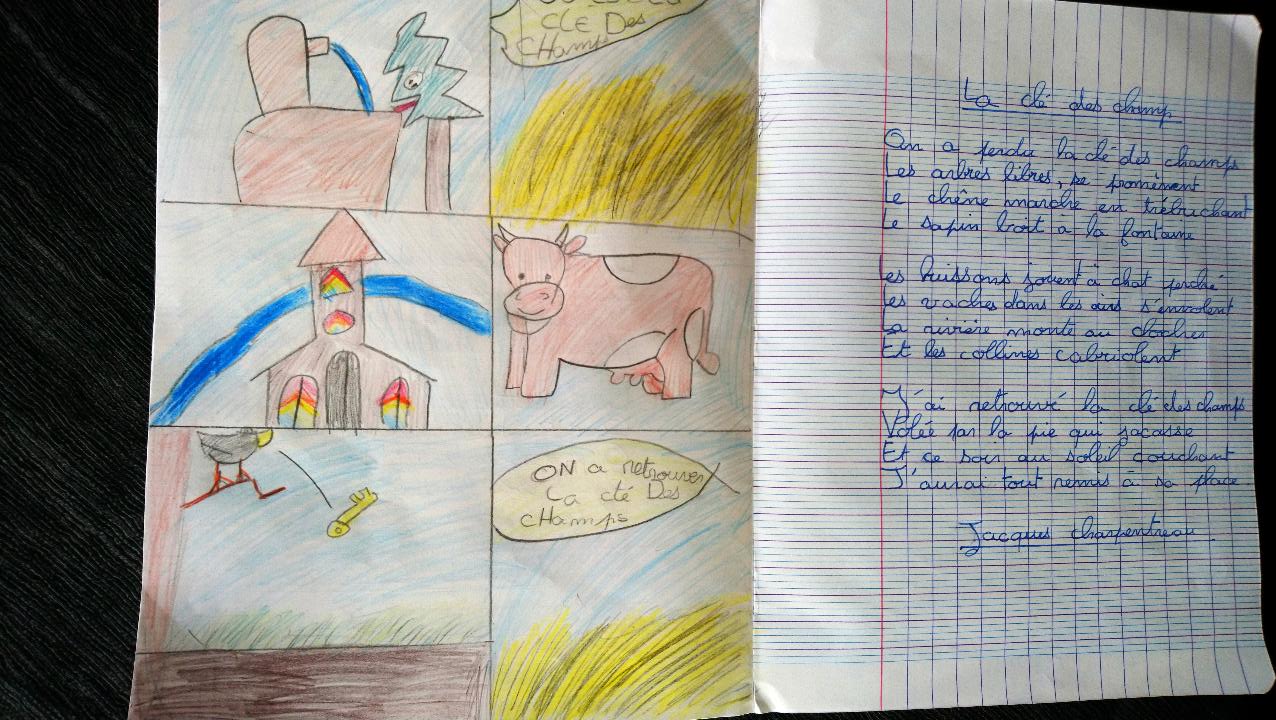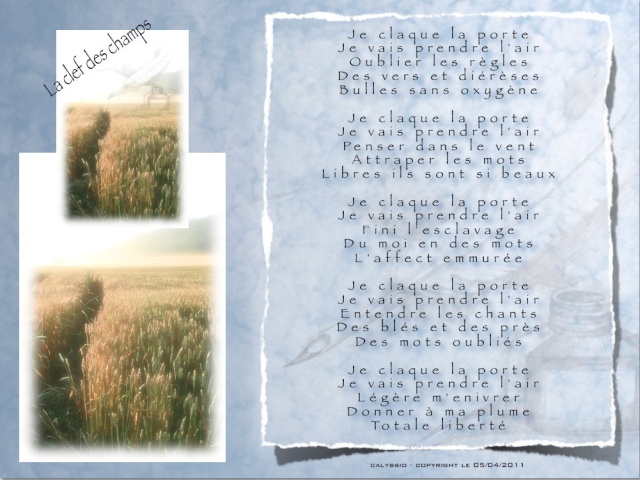
Okay, picture this. Me, clutching a lukewarm café au lait, desperately trying to decipher a poem scribbled on a napkin. It wasn't just any poem, mind you. It was supposed to be profound, insightful, a window into the soul... But all I got was a headache and a vague feeling that I should probably water my plants. Anyone else been there? Yeah, thought so. That, my friends, is when I started thinking seriously about poetry – specifically, making it accessible. And that’s when I stumbled upon the concept that poetry is a key that opens up new fields of understanding.
La Clé des Champs: More Than Just a Pretty Phrase
La Clé des Champs. Doesn't it just roll off the tongue? Literally, it translates to "the key to the fields," which, I'll admit, sounds a little bit like the title of a children's book. But trust me, it’s deeper than that. It hints at something bigger, more liberating. Think of it as the key to unlocking… well, everything!
Essentially, it's the idea that poetry, when approached with an open mind (and maybe a good dictionary, let’s be real), can unlock a deeper understanding of ourselves, the world around us, and everything in between. It's about seeing the beauty in the mundane, finding meaning in the chaos, and, dare I say it, even feeling a little bit… enlightened? Okay, maybe that’s pushing it. But you get the idea.
Why Poetry Gets a Bad Rap
Let’s be honest, poetry can be intimidating. Remember those high school English classes where you spent hours dissecting a sonnet, only to conclude that the poet was probably just really, really sad? Ugh. No wonder so many people run screaming in the opposite direction.
But the truth is, poetry doesn't have to be stuffy and pretentious. It doesn't have to be crammed with obscure metaphors and archaic language. It can be simple, raw, and utterly relatable. Think of your favorite song lyrics. Think of a heartfelt text message from a friend. That's poetry. It’s just… concentrated. Boiled down to its essence.

Unlocking the Fields: Practical Tips
So, how do we actually use poetry as this "key to the fields" thing we've been talking about? Here are a few ideas to get you started:
- Read widely: Don't just stick to the classics (although, by all means, read them if you enjoy them!). Explore different styles, different eras, different voices. Find poets who resonate with you. There are tons of contemporary poets writing incredible stuff, so don't be afraid to venture beyond Shakespeare.
- Don't be afraid to be confused: Poetry isn't always about instant understanding. Sometimes, it's about letting the words wash over you, letting the images sink in, even if you don't fully grasp the meaning right away. Think of it as planting a seed in your brain. It might take time to sprout.
- Read aloud: This is a big one! Poetry is meant to be heard. Reading aloud helps you to appreciate the rhythm, the rhyme (if there is one), and the overall musicality of the language. Plus, it just feels good. Trust me on this. (Try it! Seriously. Right now. Go read a poem out loud. I'll wait.)
- Write your own!: Don't worry, you don't have to be the next Rimbaud. Just start writing. It could be a single line, a short verse, a rambling stream of consciousness. The point is to experiment with language, to express yourself, to find your own voice. (And hey, if it's terrible, nobody has to see it!)
- Find a community: Join a poetry group, attend a reading, or simply share your favorite poems with friends. Talking about poetry can help you to understand it better and appreciate it on a deeper level. Plus, it's always fun to connect with like-minded people.
Poetry as a Tool for Self-Discovery
One of the most powerful things about poetry is its ability to help us understand ourselves better. When we read a poem that resonates with us, it's like looking into a mirror. We see our own thoughts, feelings, and experiences reflected back at us.
Poetry can help us to:
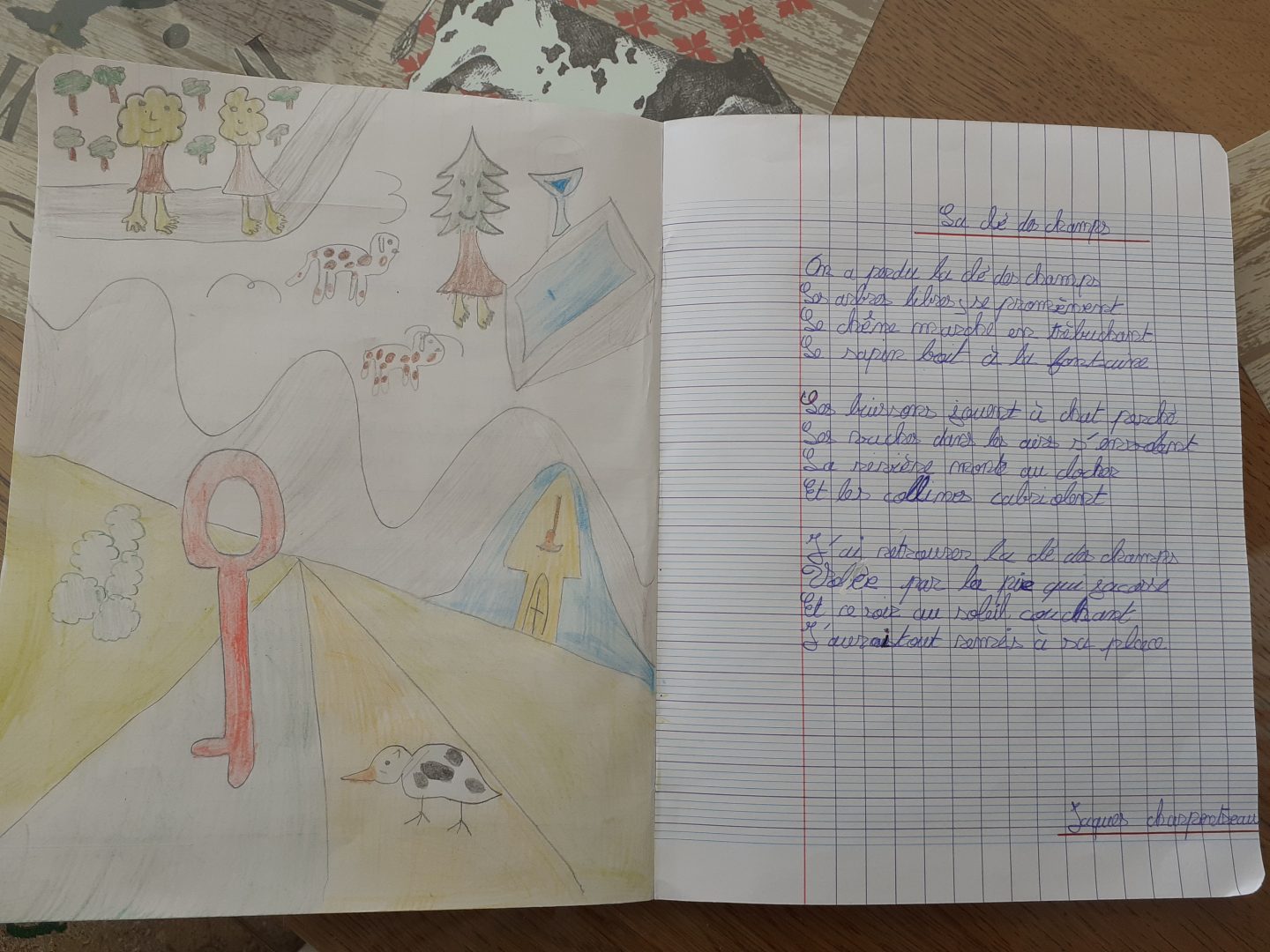
- Process difficult emotions: Writing or reading about pain, grief, loss, anger, or joy can be a cathartic experience. It allows us to acknowledge and explore our feelings in a safe and creative way.
- Gain new perspectives: Poetry can challenge our assumptions and help us to see the world in a new light. It can introduce us to different cultures, different experiences, and different ways of thinking.
- Connect with our inner selves: In a world that is constantly bombarding us with information and distractions, poetry can provide a space for quiet reflection and introspection. It allows us to tune out the noise and connect with our own thoughts, feelings, and values.
Beyond the Self: Poetry and the World
But poetry isn't just about individual self-discovery. It also has the power to connect us to something larger than ourselves. It can help us to understand the world around us, to empathize with others, and to work towards a more just and equitable society.
Think of protest poetry. Think of love poems. Think of poems that celebrate nature. Poetry has the power to inspire, to challenge, to heal, and to transform.
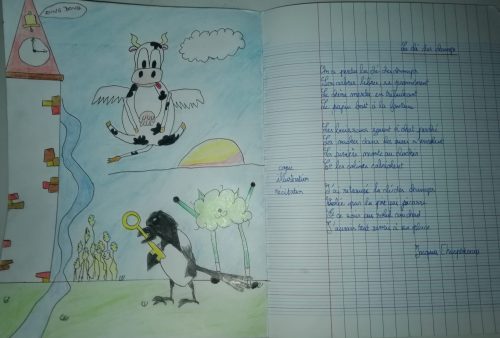
La Clé des Champs: A Lifelong Journey
So, is poetry the ultimate key to unlocking all the secrets of the universe? Probably not. But it is a powerful tool that can help us to understand ourselves, the world around us, and everything in between. It's a journey, not a destination. A process of exploration, discovery, and growth.
And who knows? Maybe, just maybe, that cryptic poem on the napkin wasn't so meaningless after all. Maybe it was just waiting for me to find the right key to unlock its secrets. Or maybe it was just really bad poetry. Either way, I'm glad it led me to this. To the idea that poetry, approached with the right mindset, can open up a whole new world of possibilities. A world full of beauty, meaning, and connection. A world where even the most mundane things can be transformed into something extraordinary. So go forth, my friends, and unlock those fields!
What are some of your favorite poems? Let me know in the comments!