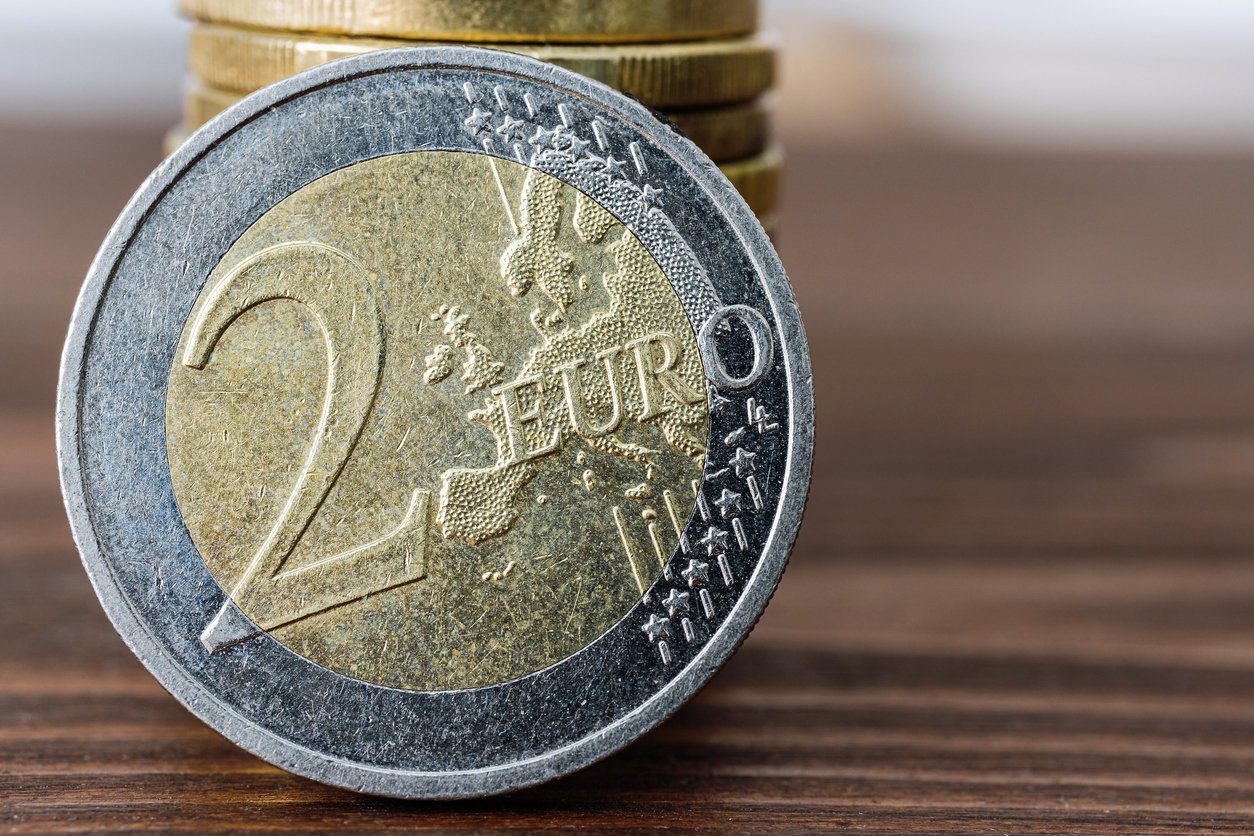
Okay, so picture this: I’m rummaging through my wallet, desperately searching for enough change to buy a baguette (because, you know, France). I pull out a handful of coins, mostly coppers and the odd shiny €1, but then… bam! A €2 coin. "Score!" I think, grabbing my carb-loaded prize. But then, back home, curiosity gets the better of me. I remember hearing whispers about certain €2 coins being worth more than, well, €2. Could I have struck gold (or, you know, copper-nickel alloy)? The internet rabbit hole beckoned…
Turns out, my friends, the world of collectible €2 coins is a surprisingly deep and fascinating one. It’s not just about having spare change; it's about historical significance, limited mintages, and the thrill of the hunt! So, let’s dive in and explore the crazy world of €2 coins that might just be worth more than your morning coffee.
Why Are Some €2 Coins So Special?
It's not like every €2 coin is suddenly a treasure chest waiting to be unlocked. There are a few key reasons why some of these circular pieces of metal become highly sought-after. Think of them as tiny, portable historical artifacts!
- Limited Mintage: This is the big one. When a country releases a commemorative €2 coin with a very low production run, suddenly the demand outweighs the supply. Simple economics, really. And this, dear reader, is where the big bucks can lie.
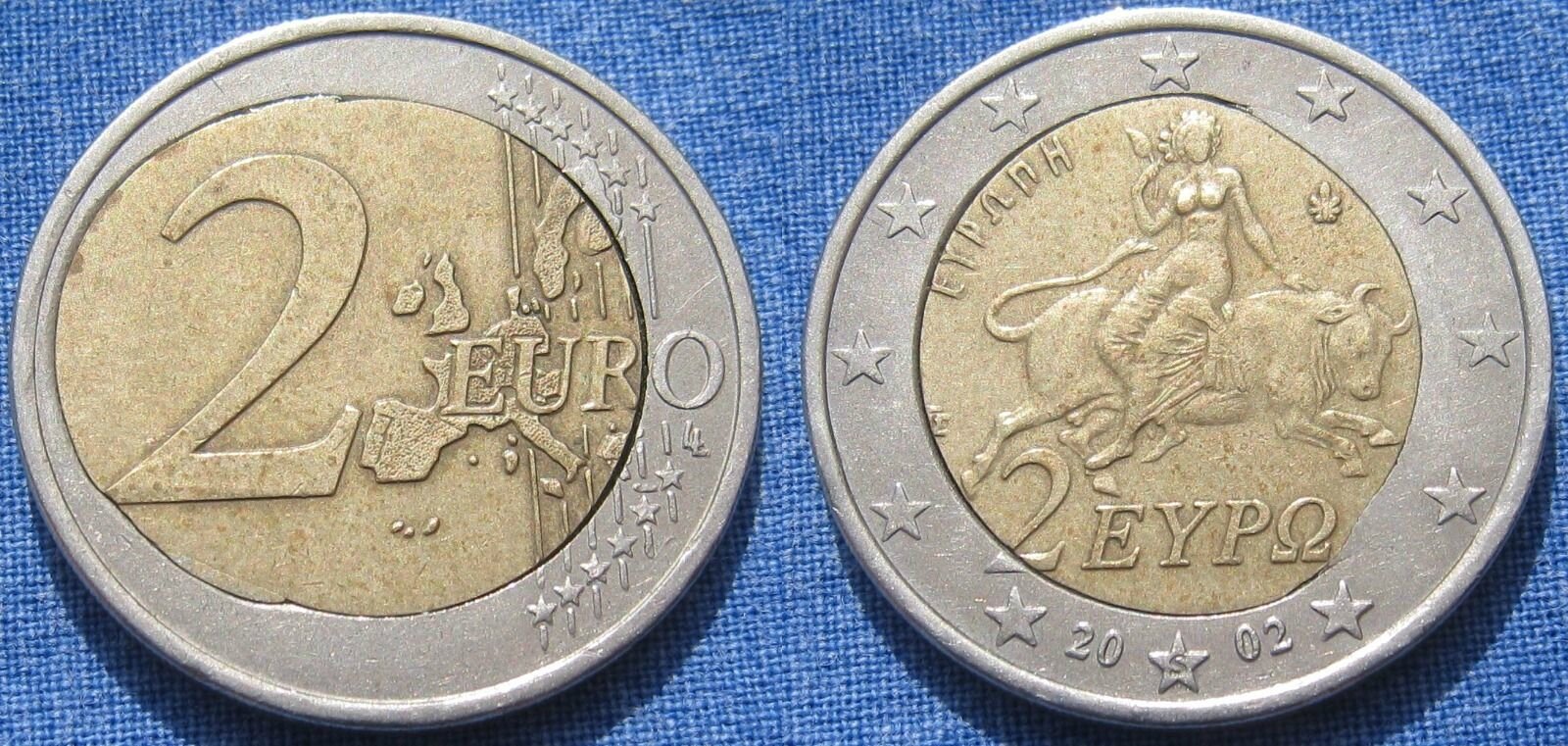
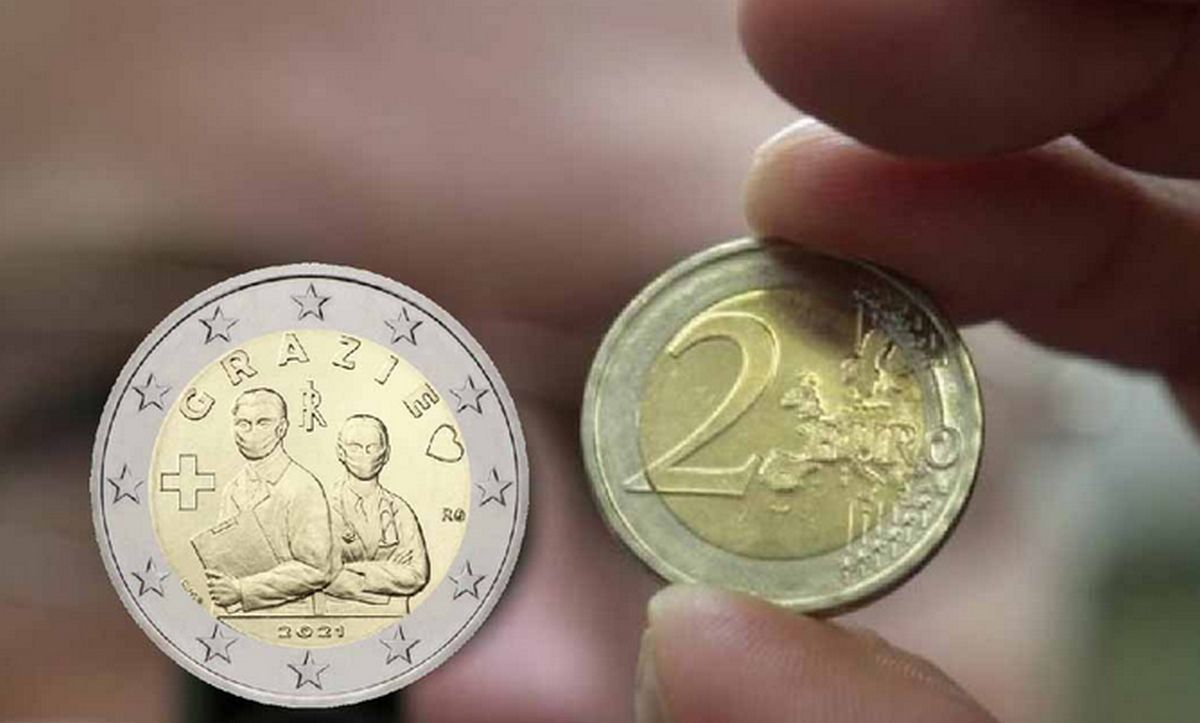
- Errors: We all make mistakes, even minting machines! Printing errors, design flaws, or even incorrect metal composition can make a coin incredibly rare and valuable. Imagine finding a €2 coin with the map of Europe upside down! (Okay, maybe not that dramatic, but you get the idea.)
- Historical Significance: Commemorative coins are often released to celebrate important historical events, anniversaries, or figures. The more significant the event, the more desirable the coin can become to collectors.
- Country of Origin: Certain smaller countries, or those with a strong collector base, can see their coins appreciate more quickly. Think Monaco, Vatican City, or San Marino. They tend to produce fewer coins in general, making them automatically more desirable.
So, Which Coins Should You Be Looking For?
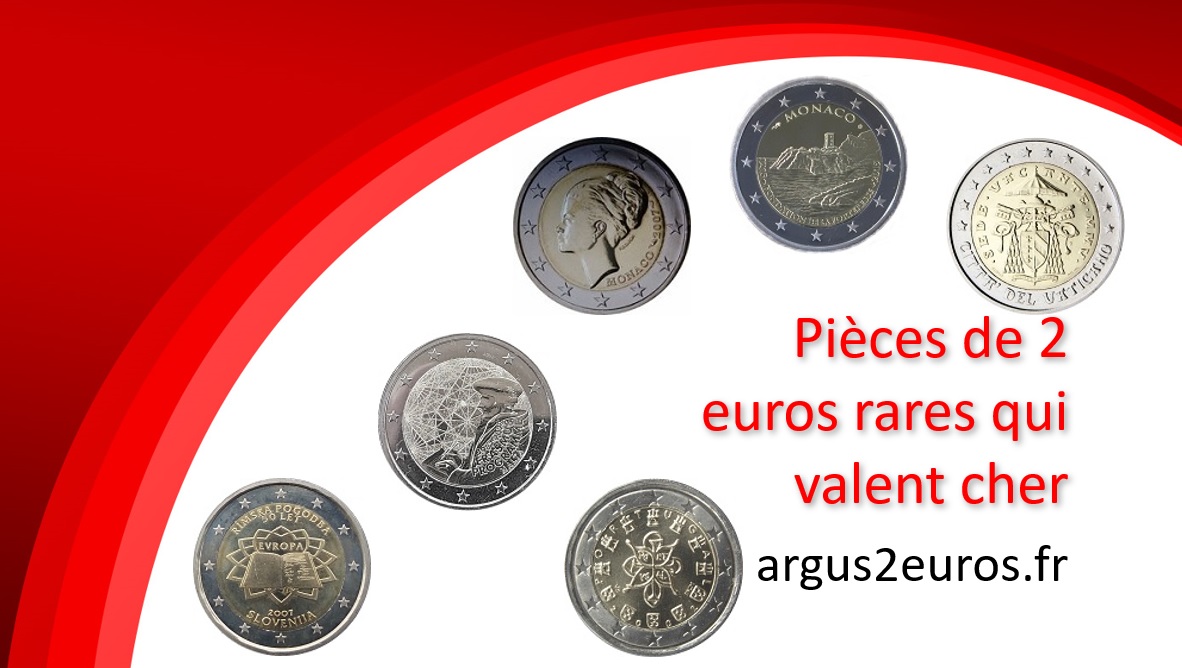
Alright, let’s get down to the nitty-gritty. Here are a few examples of €2 coins that are known for their value (but remember, prices fluctuate!):
The Monaco Factor: Grace Kelly's Legacy
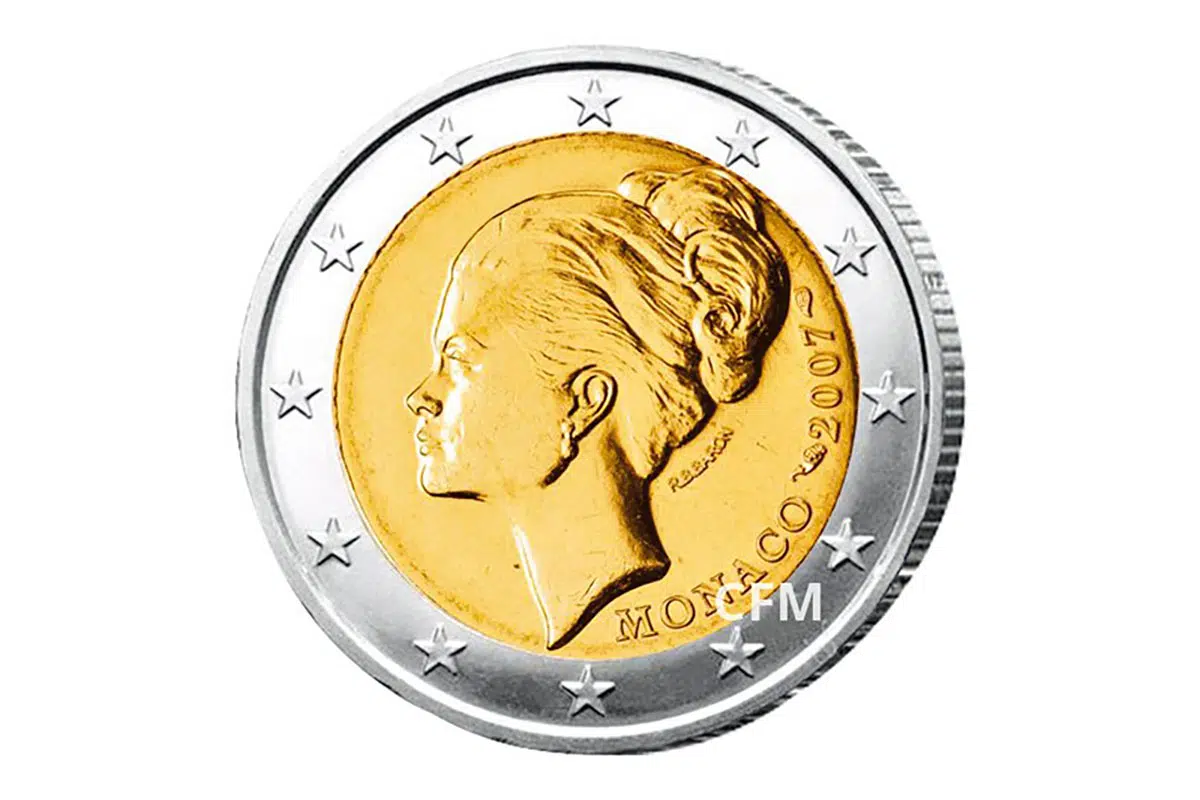
Anything from Monaco tends to be pricey, and the 2007 Grace Kelly €2 coin is a prime example. It commemorates the 25th anniversary of Princess Grace's death and has a very low mintage. Finding one of these in your pocket change is like winning a mini-lottery! Seriously, if you find one, don't spend it on a baguette. Treat yourself to something fancier.
Vatican City's Rarity
Coins from Vatican City are also highly collectible, often featuring popes or religious themes. Keep an eye out for any Vatican City €2 coins, especially those with low mintages or commemorating specific events. Their rarity instantly boosts their value.
San Marino's Tiny Treasures
Like Monaco and Vatican City, San Marino has a relatively small output of coins, making them highly sought after by collectors. Any commemorative €2 coin from San Marino is worth a second look.
Specific Commemorative Editions (A Few Examples)
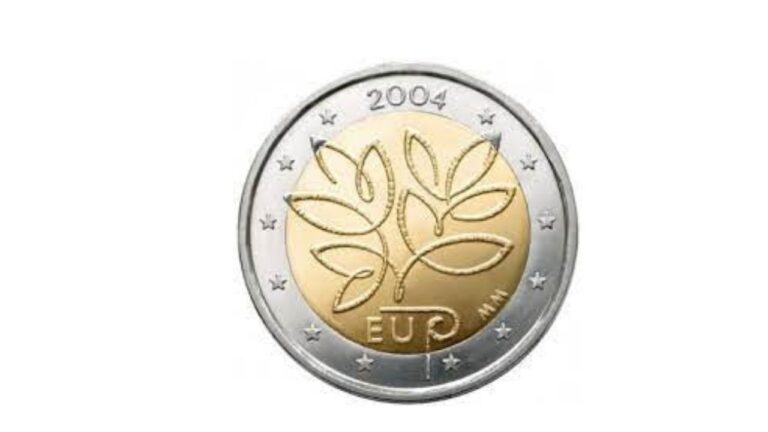
- 2009 European Economic and Monetary Union (EMU) coins: Many countries released coins commemorating the 10th anniversary of the EMU. Some of these, particularly those from smaller countries with low mintages, can be worth more than their face value.
- Coins with unique designs: Certain countries occasionally release €2 coins with strikingly different designs, making them stand out from the crowd and attract collectors.
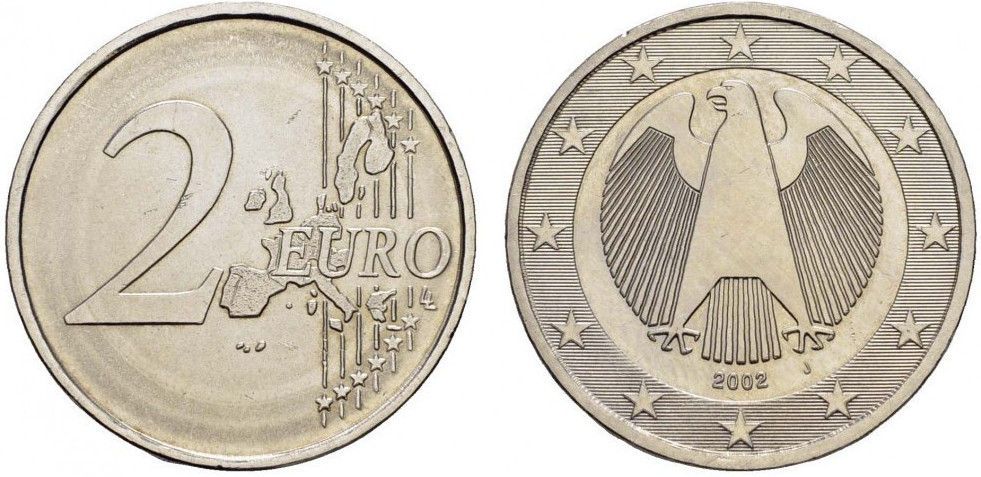
- Certain German "Bundesländer" Series coins: Germany releases a series of €2 coins depicting each of its 16 states (Bundesländer). Some of the earlier editions, especially those from smaller states, can be quite valuable.
How to Identify a Potentially Valuable €2 Coin
Okay, so you're now armed with some basic knowledge. But how do you actually spot a potentially valuable coin in the wild (or, you know, in your piggy bank)?
- Check the Date and Country: Look closely at the date and the country of origin on the coin. This is the first step in identifying its potential rarity.
- Examine the Design: Pay attention to the design. Is it a standard design, or is it a commemorative edition? If it's commemorative, what event or person does it celebrate?
- Look for Errors: Inspect the coin closely for any errors, such as printing mistakes, design flaws, or unusual metal composition. This requires a keen eye and maybe even a magnifying glass!
- Consult a Coin Catalog or Website: There are numerous online resources and coin catalogs that list the mintage figures and estimated values of different €2 coins. Use these resources to research your coin and determine its potential worth. A quick Google search with "€2 coin value" should point you in the right direction.
- Consider the Condition: The condition of the coin is also important. A pristine, uncirculated coin will always be worth more than a worn or damaged one.
Where to Sell Your Valuable €2 Coins
So, you've identified a potential treasure! Congratulations! Now, how do you turn that metal disc into cold, hard cash (or, you know, a slightly larger baguette)?

- Online Marketplaces: Platforms like eBay, Delcampe, and similar online marketplaces are popular options for selling collectible coins. Be sure to take clear photos and provide accurate descriptions to attract potential buyers. Do your research on pricing before you list!
- Coin Dealers: Local coin dealers can offer a quick and easy way to sell your coins. However, be aware that they will typically offer a lower price than you might get on an online marketplace, as they need to make a profit.
- Coin Auctions: Auction houses specializing in coins can be a good option for selling more valuable or rare coins. However, they typically charge a commission on the sale.
- Coin Collecting Forums: There are numerous online forums dedicated to coin collecting. These forums can be a good place to connect with other collectors, learn more about your coins, and potentially find a buyer.
A Word of Caution
Before you get carried away and start emptying your bank account to buy up every €2 coin you can find, a word of caution is necessary.
- The Market Fluctuates: The value of collectible coins can fluctuate depending on market conditions, demand, and other factors. What's valuable today might not be as valuable tomorrow.
- Beware of Scams: Be wary of online scams or offers that seem too good to be true. Always do your research and deal with reputable buyers and sellers.
- It's a Hobby, Not a Get-Rich-Quick Scheme: Collecting €2 coins can be a fun and rewarding hobby, but it's not a guaranteed way to get rich. Approach it with realistic expectations and enjoy the process of learning and collecting.
Final Thoughts
So, there you have it: a brief introduction to the surprisingly lucrative world of collectible €2 coins. Keep your eyes peeled when you’re handling change, and who knows, you might just stumble upon a hidden gem! And even if you don't find a fortune, you'll at least have a good story to tell (and maybe enough for an extra croissant). Happy hunting! And remember, even if you don't find a valuable coin, a €2 coin is still… well, €2!