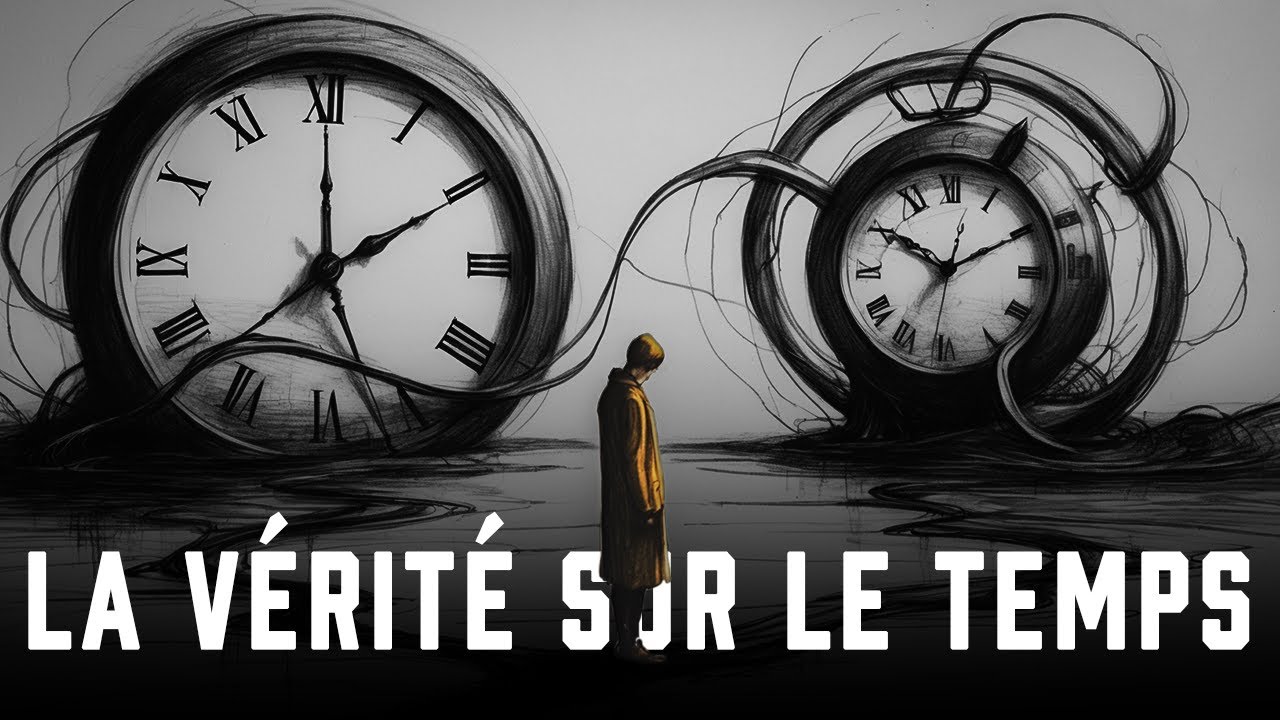
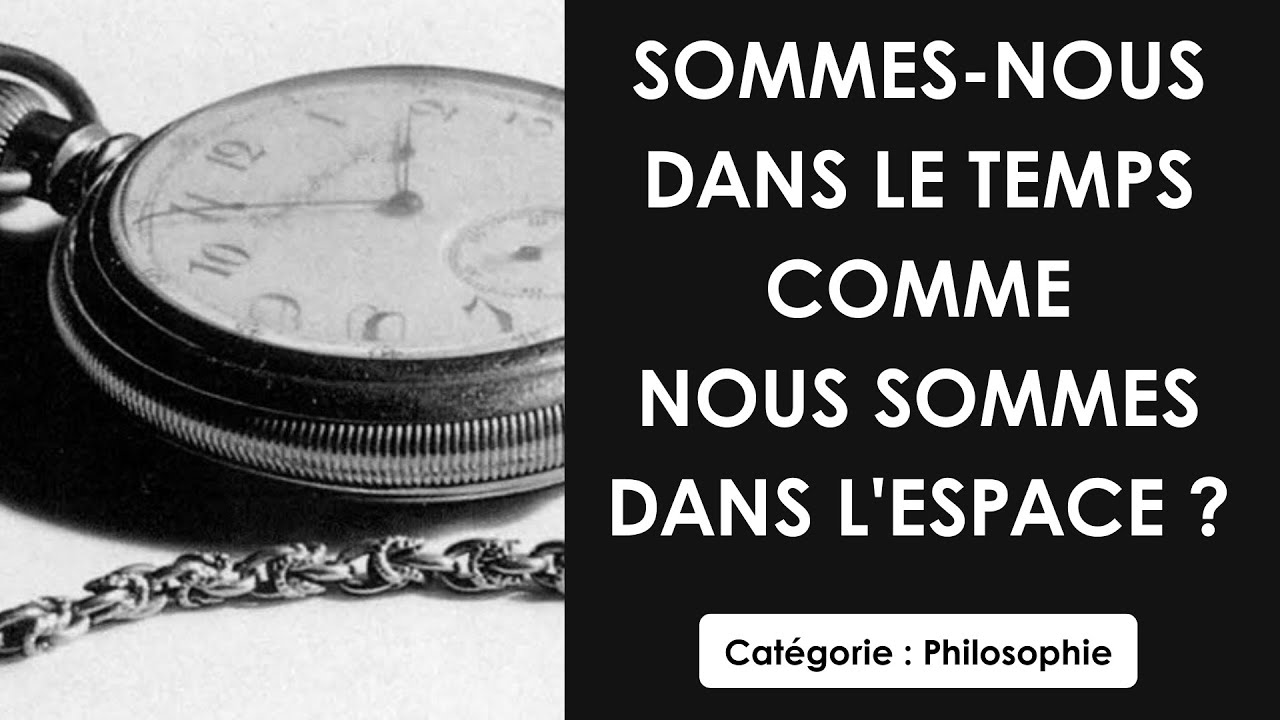
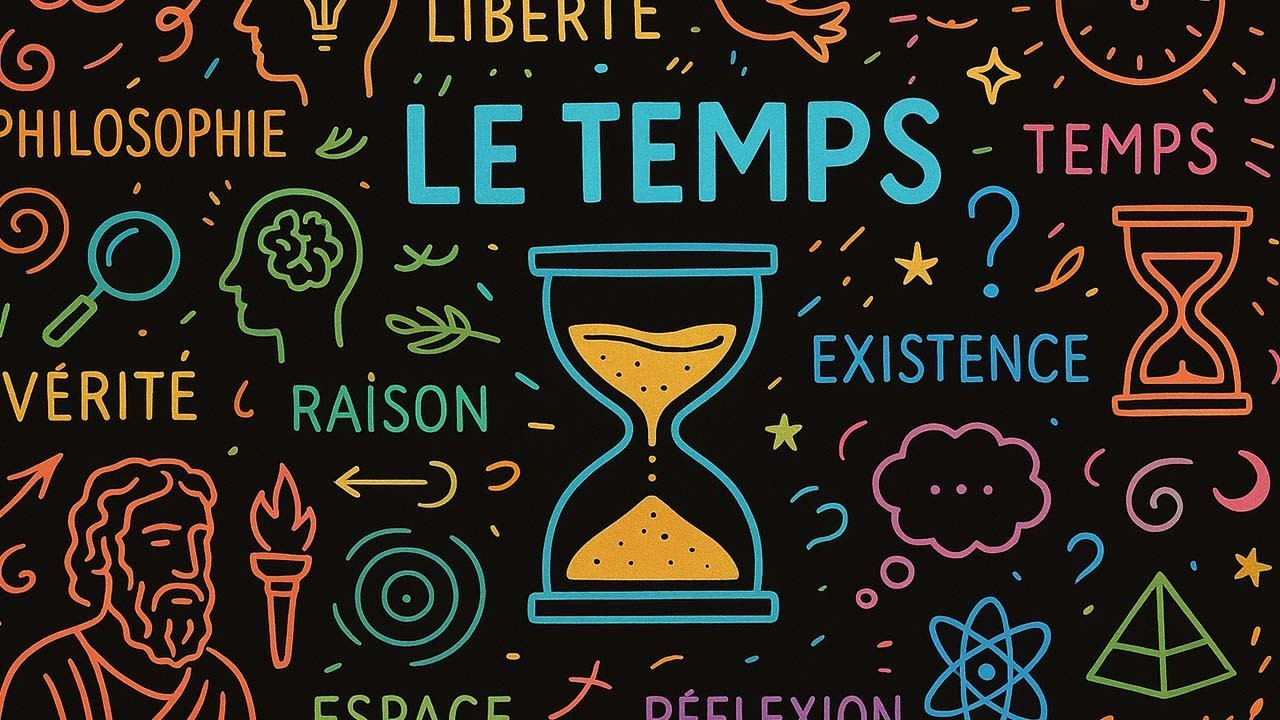
Ah, le temps! This elusive, infuriating, occasionally delightful thing we call time. Seriously, who invited it to the party? And why does it always seem to leave just when things are getting good? Today, mes amis, we’re diving headfirst into the philosophical deep end to explore… Le Temps. But don't worry, we'll keep our heads above water with a healthy dose of humor. Think of it as philosophy for people who'd rather be napping.
What is Le Temps, Anyway? (Besides a Giant Headache)
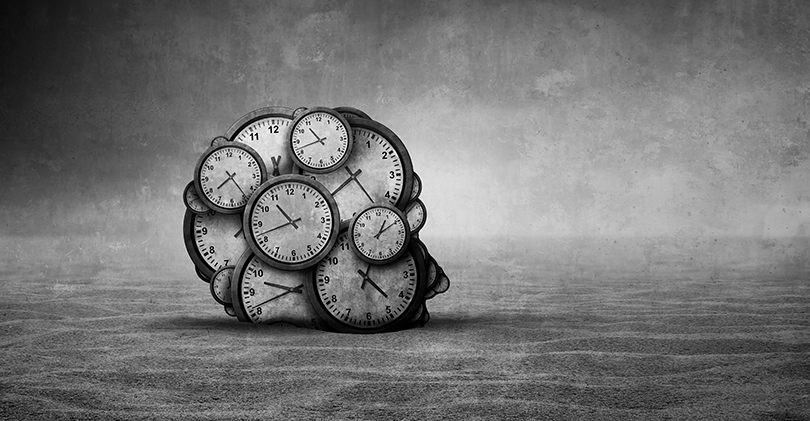
Trying to define time is like trying to catch smoke with a butterfly net. You can see it, you can feel its effects, but grab it? Niet! For philosophers, time isn't just a thing you measure with a clock. It's a fundamental dimension of existence, shaping our experiences, our memories, and even our identities. Pretty heavy stuff for a Tuesday, non?
Different Perspectives on the Tick-Tock
So, who gets to decide what time really is? Well, everyone, apparently! Here’s a quick rundown of some major philosophical viewpoints:
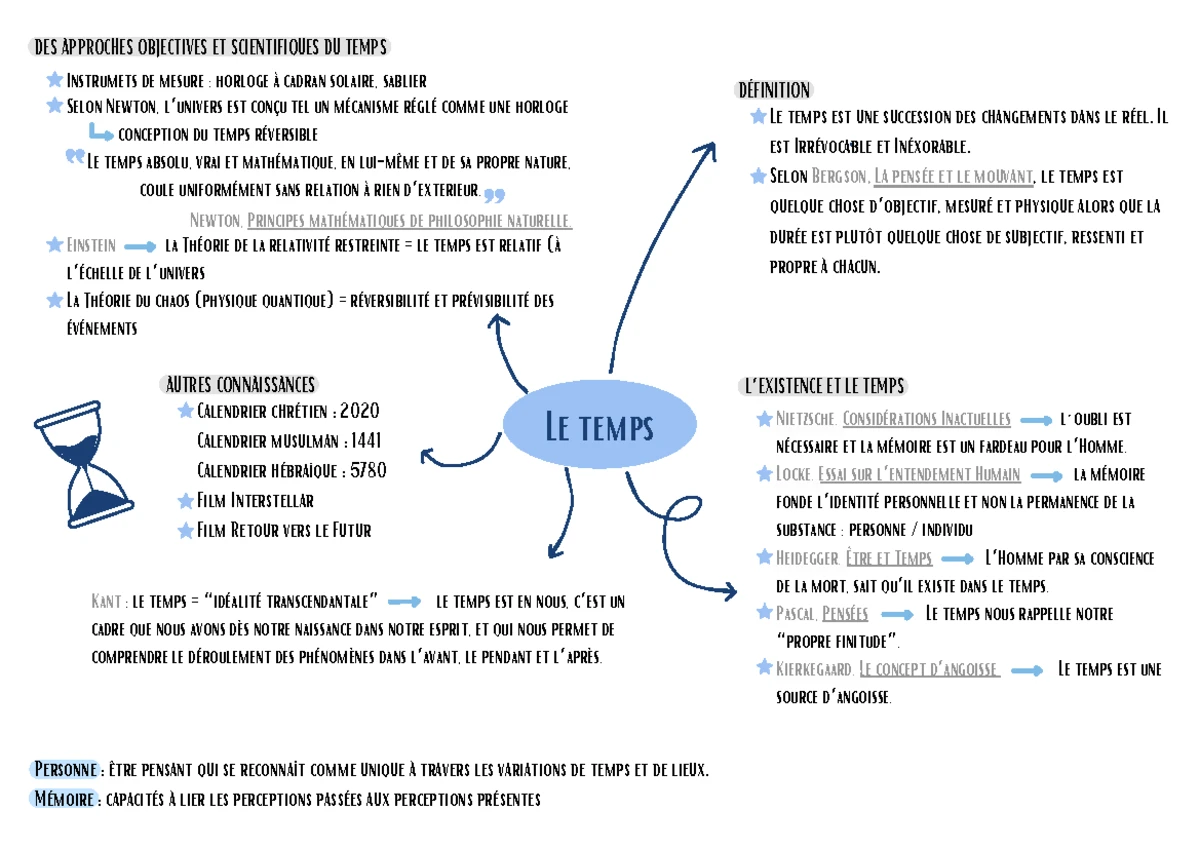
- Objective Time: This is the "time marches on" camp. Think of it like a giant, cosmic clock ticking away regardless of whether you're watching cat videos or solving world hunger. Newton was a big fan. He believed time was a uniform, absolute thing, flowing steadily onward. Basically, time is a stubborn mule, and we’re just along for the ride.
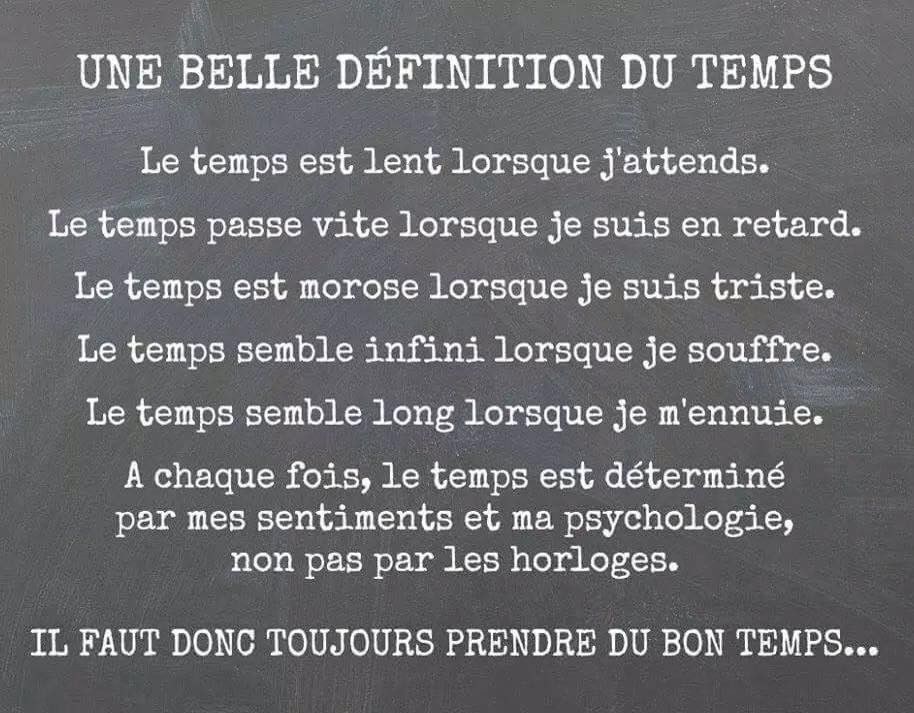
- Subjective Time: Ah, now we're talking! This perspective argues that time is all in your head. It's shaped by your perceptions, your emotions, and your experiences. Remember that excruciatingly boring meeting that felt like it lasted a week? That's subjective time at its finest! Bergson championed this view, emphasizing the qualitative, lived experience of time, or durée. A minute can feel like an eternity when you're waiting for your pizza to arrive.
- Relational Time: This one's a bit of a compromise. It suggests that time isn't a thing in itself, but rather a relationship between events. Think of it like this: Event A happens before Event B. That's time! No need for cosmic clocks or personal feelings. Leibniz was a key proponent. He argued that time is simply the order of succession of perceptions. Essentially, time is a cosmic dance between happenings.
Famous Philosophers and Their Timey-Wimey Theories
Ready to meet the intellectual heavyweights who spent their lives pondering the mysteries of time? Buckle up!
Plato: Time as a Moving Image of Eternity
Plato, that wise old Greek dude, believed that the real world was the world of Forms – perfect, eternal, unchanging. Our world, the one we see and touch, is just a shadowy imitation of that perfect realm. So, what about time? According to Plato, time is a "moving image of eternity." It's like a pale reflection of the eternal realm, constantly changing and decaying. Imagine trying to take a selfie in a funhouse mirror – that’s time according to Plato. Always distorted, never quite the real deal.
Aristotle: Time as a Measure of Change
Aristotle, Plato's star pupil (who eventually decided his teacher was a tad bit out there), took a more practical approach. He defined time as "the number of motion in respect of 'before' and 'after'." In other words, time is a way of measuring change. If nothing changed, there would be no time. So, the next time you're stuck in traffic, just remember, you're experiencing the very essence of time (albeit in a deeply frustrating way).

Saint Augustine: Time and the Human Soul
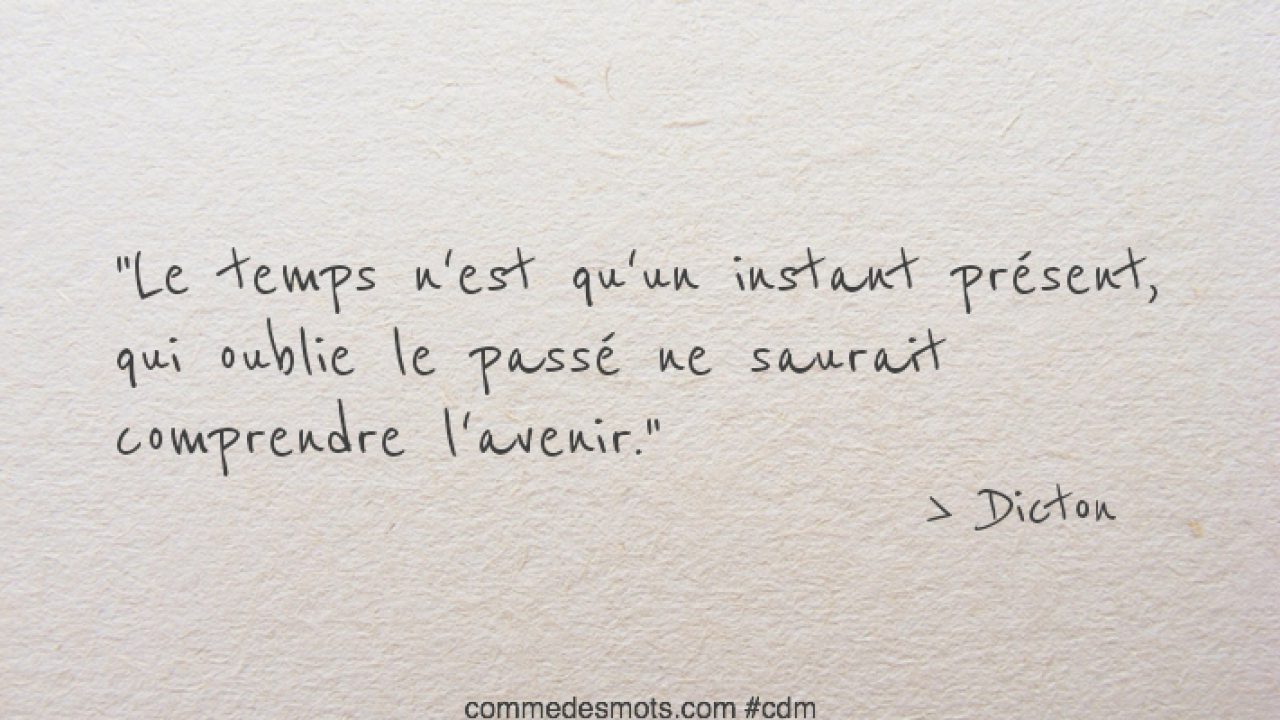
Saint Augustine, a brilliant theologian and philosopher, wrestled with the paradoxes of time in his Confessions. He famously asked, "What, then, is time? If no one asks me, I know; if I want to explain it to someone who asks, I do not know." He believed that time exists only in the human soul – in our memories of the past, our awareness of the present, and our anticipation of the future. Time, for Augustine, is intimately linked to our inner lives. So, the next time you lose track of time while daydreaming, blame Augustine!
Immanuel Kant: Time as a Form of Intuition
Immanuel Kant, the king of German philosophy (and probably the king of complicated sentences too), argued that time is not an objective feature of the world, but rather a "form of intuition." This means that time is a fundamental structure of our minds that shapes how we experience the world. We can't perceive anything without perceiving it in time. Think of time as the lenses through which we see reality. You can't take them off, and you can't see without them. So, if you're ever feeling lost in time, remember, it's just your brain doing its thing.
Henri Bergson: Durée and Lived Experience
We've already touched on Bergson, but he deserves a second look. He vehemently opposed the idea of time as a linear, measurable entity. Instead, he emphasized the concept of durée – the continuous, flowing, and qualitative experience of time. For Bergson, time is not a series of discrete moments, but rather a dynamic and evolving process. Imagine a river flowing – that’s durée. It's always moving, always changing, and always unique. Try explaining that to your boss when you’re late for work!

Martin Heidegger: Time and Being
Heidegger, the master of existential angst (and philosophical jargon), explored the relationship between time and being in his magnum opus, Being and Time. He argued that our understanding of time is fundamental to our understanding of ourselves and our existence. He distinguished between "authentic" time, which is lived in relation to our own mortality, and "inauthentic" time, which is merely a series of moments to be filled. Basically, Heidegger wants you to stop wasting time and start living! But, you know, in a profoundly philosophical way.
Why Bother Thinking About Time? (Besides to Impress People at Parties)
Okay, okay, I get it. All this philosophical mumbo jumbo can seem a bit… well, pointless. But trust me, pondering the nature of time can actually be quite beneficial. Here’s why:
- It Makes You More Mindful: Thinking about time forces you to be more aware of the present moment. You start to appreciate the fleeting nature of life and the importance of making the most of each day. Instead of rushing through life on autopilot, you begin to savor the small things.
- It Helps You Prioritize: When you realize that time is finite, you become more selective about how you spend it. You start to focus on the things that truly matter to you and let go of the things that are just time-wasters. Goodbye, endless scrolling through social media!
- It Gives You Perspective: Contemplating the vastness of time can put your own problems into perspective. Suddenly, that minor setback at work doesn't seem so catastrophic anymore. You realize that life is a long and winding road, and that there will always be ups and downs.
- It's Just Plain Interesting!: Let's be honest, philosophical discussions about time can be incredibly fascinating. They challenge your assumptions, expand your horizons, and make you think about the world in new and unexpected ways. Plus, you'll have plenty of witty things to say at your next dinner party.
Time Management Tips (Philosophically Inspired!)
Now that we've explored the philosophical depths of time, let's get practical. Here are some time management tips inspired by our philosophical gurus:

- Embrace Durée (Bergson): Stop trying to cram every minute of your day with activities. Instead, focus on experiencing each moment fully and mindfully. Savor your meals, engage in meaningful conversations, and take time to appreciate the beauty around you.
- Live Authentically (Heidegger): Don't waste your time on things that don't align with your values and goals. Identify what truly matters to you and dedicate your time and energy to those things. Be true to yourself, and don't let others dictate how you spend your time.
- Remember Your Mortality (Heidegger, again): Okay, this might sound a bit morbid, but it's actually quite liberating. Recognizing that your time on this planet is limited can motivate you to live more intentionally and make the most of every day. Don't put off your dreams for "someday." Start pursuing them now!
- Focus on What You Can Control (Stoics): While you can't control the passage of time itself, you can control how you spend it. Focus on managing your own actions and attitudes, and don't worry about things that are beyond your control.
- Take Time to Reflect (Augustine): Regularly set aside time for self-reflection. Examine your past experiences, evaluate your present circumstances, and plan for your future. This will help you gain clarity and direction in your life.
Common Misconceptions About Time (Busted!)
Let's clear up a few common misconceptions about time, shall we?
- Misconception: Time is money.
- Reality: Time is more valuable than money. You can always make more money, but you can't get back lost time.
- Misconception: I don't have enough time.
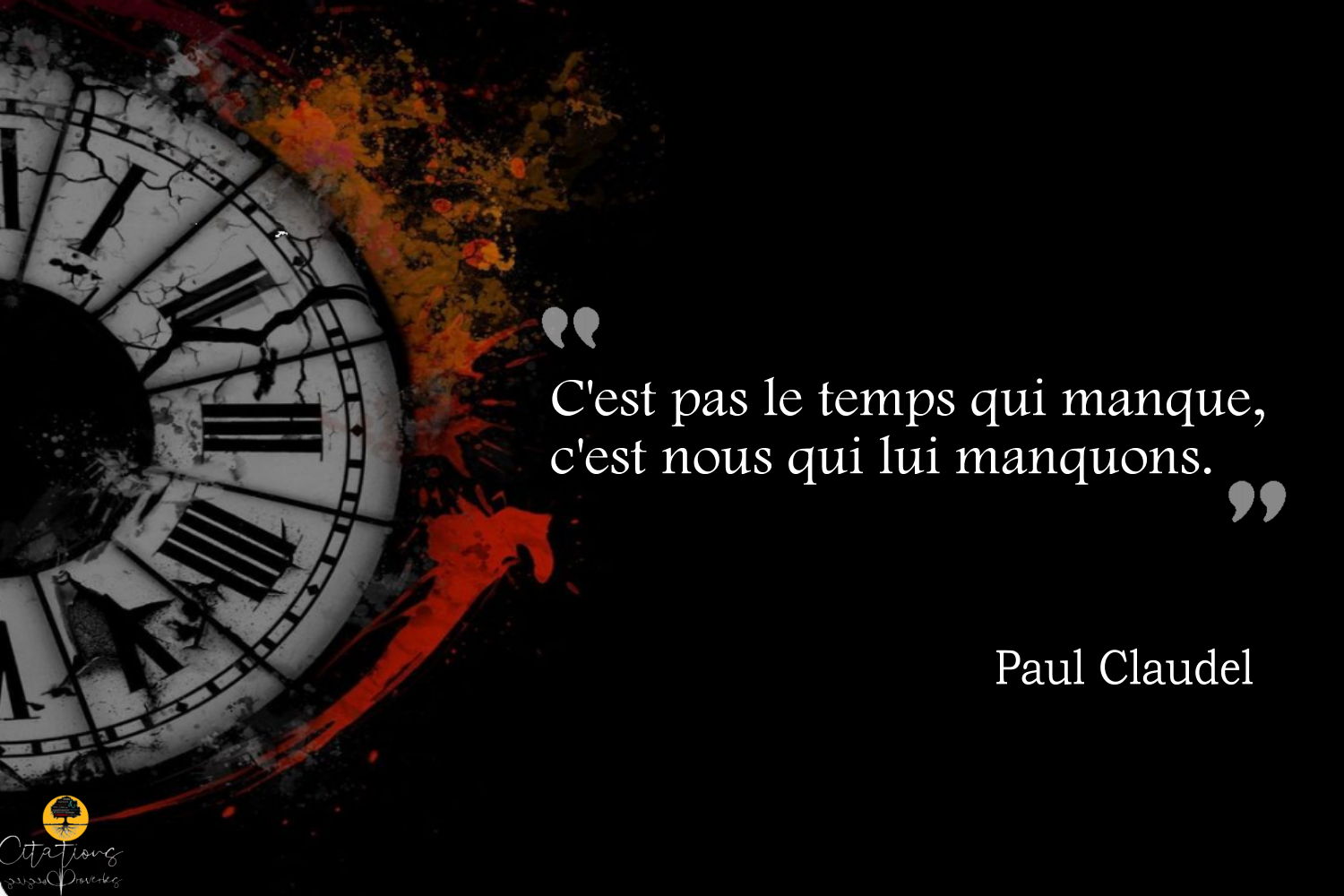
- Reality: You have the same amount of time as everyone else. It's all about how you choose to use it.
- Misconception: Multitasking is efficient.
- Reality: Multitasking actually reduces productivity and increases stress. Focus on one task at a time for optimal results.
- Misconception: I'll relax later.
- Reality: Make time for relaxation and self-care now. You'll be more productive and happier in the long run.
- Misconception: Time heals all wounds.
- Reality: Time can help, but it's not a cure-all. You need to actively work through your pain and trauma to heal properly.
The Paradoxes of Time (Because Philosophy Wouldn't Be Fun Without Them!)
Time is full of paradoxes that have puzzled philosophers for centuries. Here are a few of the most mind-bending:
- The Arrow Paradox (Zeno): An arrow in flight is always at rest at any given instant. If it's always at rest, how can it ever move? This paradox challenges our understanding of motion and time as continuous processes.
- The Grandfather Paradox (Time Travel): If you travel back in time and kill your grandfather, would you still be born? This paradox highlights the logical inconsistencies of time travel and the potential for altering the past.
- The Ship of Theseus: If you replace every plank of wood in a ship, is it still the same ship? This paradox raises questions about identity, change, and the nature of objects over time.
Time in Pop Culture (From Doctor Who to Back to the Future)
Time travel, time loops, and temporal anomalies have captivated audiences for decades. Here are a few of our favorite pop culture depictions of time:
![Le Temps en Philosophie [Bac] ⌚ - Sherpas](https://sherpas.com/blog/content/uploads/2021/10/Le-temps-2.jpg)
- Doctor Who: The Doctor, a time-traveling alien, explores the universe in his TARDIS, a time machine disguised as a blue police box. The show explores themes of time, memory, and the consequences of altering the past.
- Back to the Future: Marty McFly travels back in time and accidentally interferes with his parents' meeting, threatening his own existence. The movie explores the complexities of time travel and the butterfly effect.
- Groundhog Day: Phil Connors, a cynical weatherman, is forced to relive the same day over and over again. The movie explores themes of redemption, self-improvement, and the meaning of life.
- Inception: Dom Cobb, a skilled thief, enters people's dreams to steal their secrets. The movie explores the subjective nature of time and the blurring lines between reality and illusion.
- Interstellar: A group of astronauts travels through a wormhole to find a new home for humanity. The movie explores the effects of relativity on time and the possibility of time dilation.
The Future of Time (According to Sci-Fi)
Science fiction has always been fascinated with the possibilities of manipulating and controlling time. Here are a few futuristic scenarios involving time:
- Time Travel for Everyone: Imagine a world where time travel is commonplace, allowing people to visit historical events or even alter their own past. What could possibly go wrong?
- Time Dilation Colonies: Humans establish colonies on planets where time passes much slower than on Earth, effectively extending their lifespans. But what would it be like to live in a world where time is so relative?
- Digital Immortality: People upload their consciousness into computers, achieving a form of digital immortality and transcending the limitations of time. But would this be true immortality, or just a simulation?
- Temporal Warfare: Nations engage in time wars, altering past events to gain an advantage in the present. This could create paradoxes and alternate realities that threaten the fabric of spacetime.
- The End of Time: The universe reaches a point where time ceases to exist, leading to the ultimate entropy and the end of all things. Pretty bleak, huh?
Time: A Final Thought (Before We Run Out)
So, what have we learned? Time is complicated, confusing, and utterly fascinating. It's a philosophical rabbit hole that can lead to endless debates and mind-bending paradoxes. But it's also a fundamental aspect of our existence that shapes our experiences, our memories, and our identities. Take a moment to appreciate the gift of time, and make the most of every fleeting moment. And remember, even if you can't control time, you can control how you spend it. Choose wisely!
Conclusion: Tick-Tock, The End!
Well, folks, that’s a wrap! We’ve journeyed through the philosophical intricacies of le temps, from Plato’s eternal Forms to Heidegger’s existential angst. If you're not completely dizzy, I commend you! Now, go forth and ponder the meaning of time… or, you know, just binge-watch your favorite show. After all, even the most profound philosophers need a break. And hey, at least you can now impress (or bore) your friends with your newfound knowledge. Just don't blame me if they start checking their watches. À bientôt! (And try not to be late!)

![[53] Citation Celebre Temps](https://i0.wp.com/fr.rightwords.eu/imgupl/quote-photostock/38176p48.jpg)