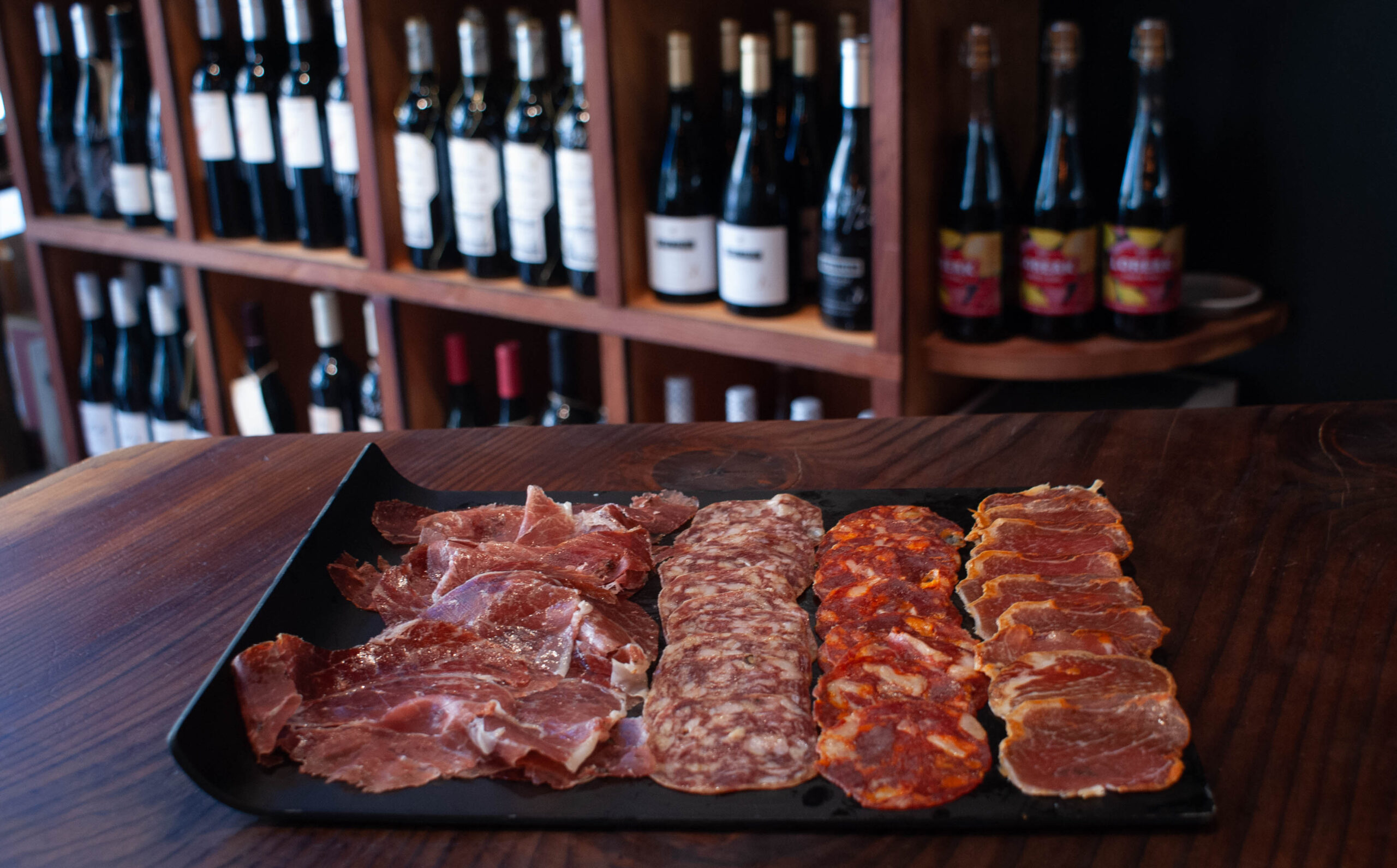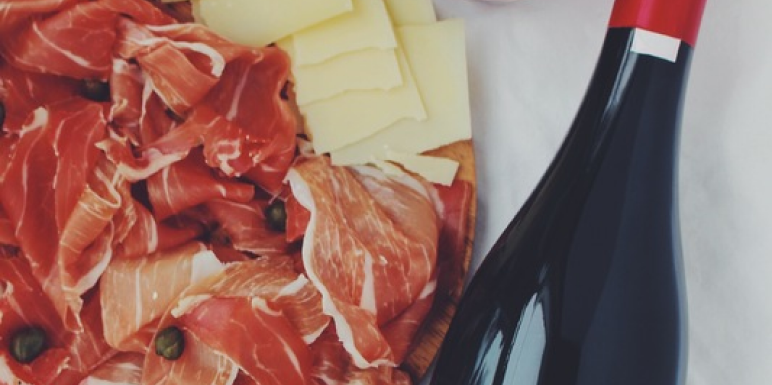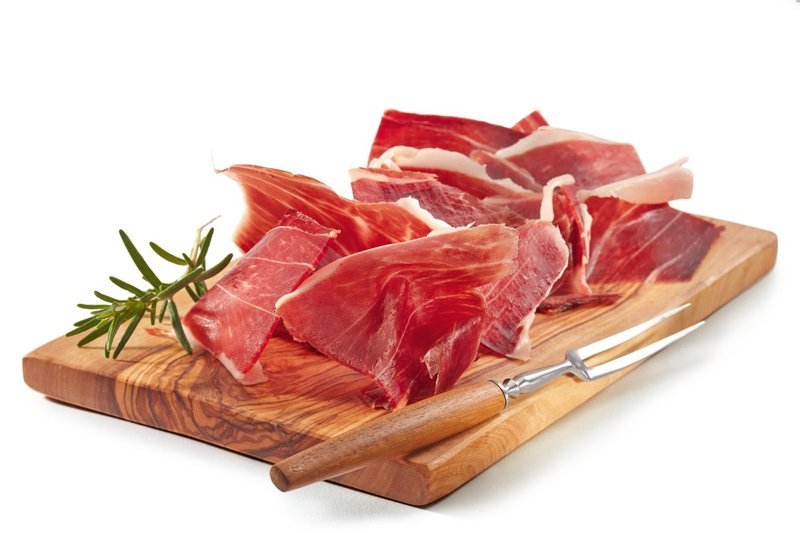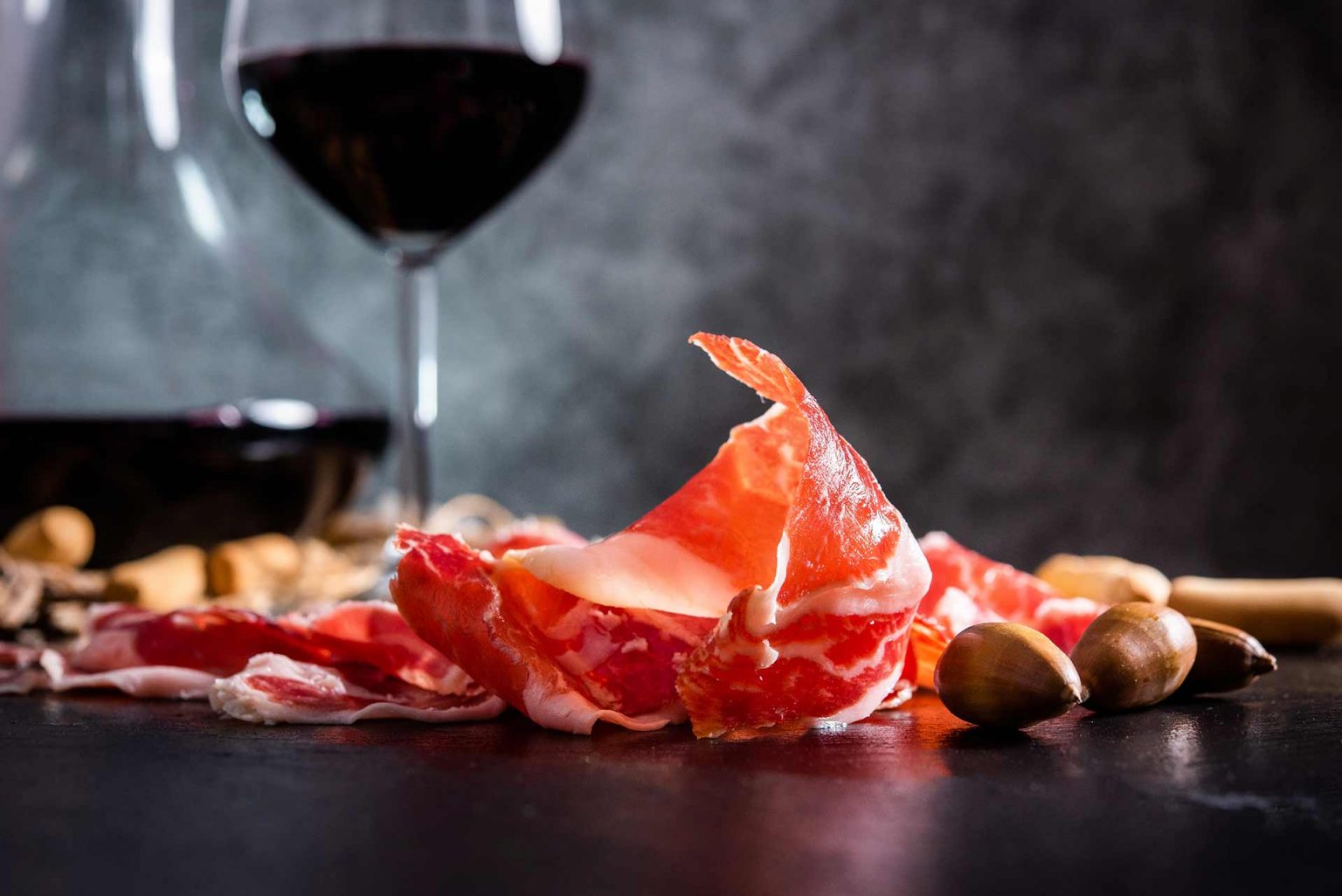
Okay, picture this: me, in a tiny tapas bar in Seville, sweat practically dripping off my forehead (it was August, after all). I’m staring at this plate of shimmering, dark red meat. It looked… expensive. Like, ‘mortgage payment’ expensive. My friend, sensing my hesitation, just grinned and said, “Just try it. You’ll understand.” He was right. One bite, and suddenly the heat, the crowds, everything just… faded. All that was left was this incredibly rich, nutty, melt-in-your-mouth flavour. That, my friends, was my first encounter with the magic that is Pata Negra. And it changed. Everything. (Dramatic, I know, but it’s true!)
Now, I know what you’re thinking: “Okay, okay, fancy ham. Get on with it.” But Pata Negra isn’t just “fancy ham.” It’s an experience. It's a culmination of centuries of tradition, a deep connection to the land, and, let's be honest, some pretty spoiled pigs. And when you start diving into the world of Pata Negra, you inevitably stumble upon names like Pata Negra Bellota et Cie. So, what exactly is that all about? Let’s find out, shall we?
Decoding the Deliciousness: What is Pata Negra Bellota?
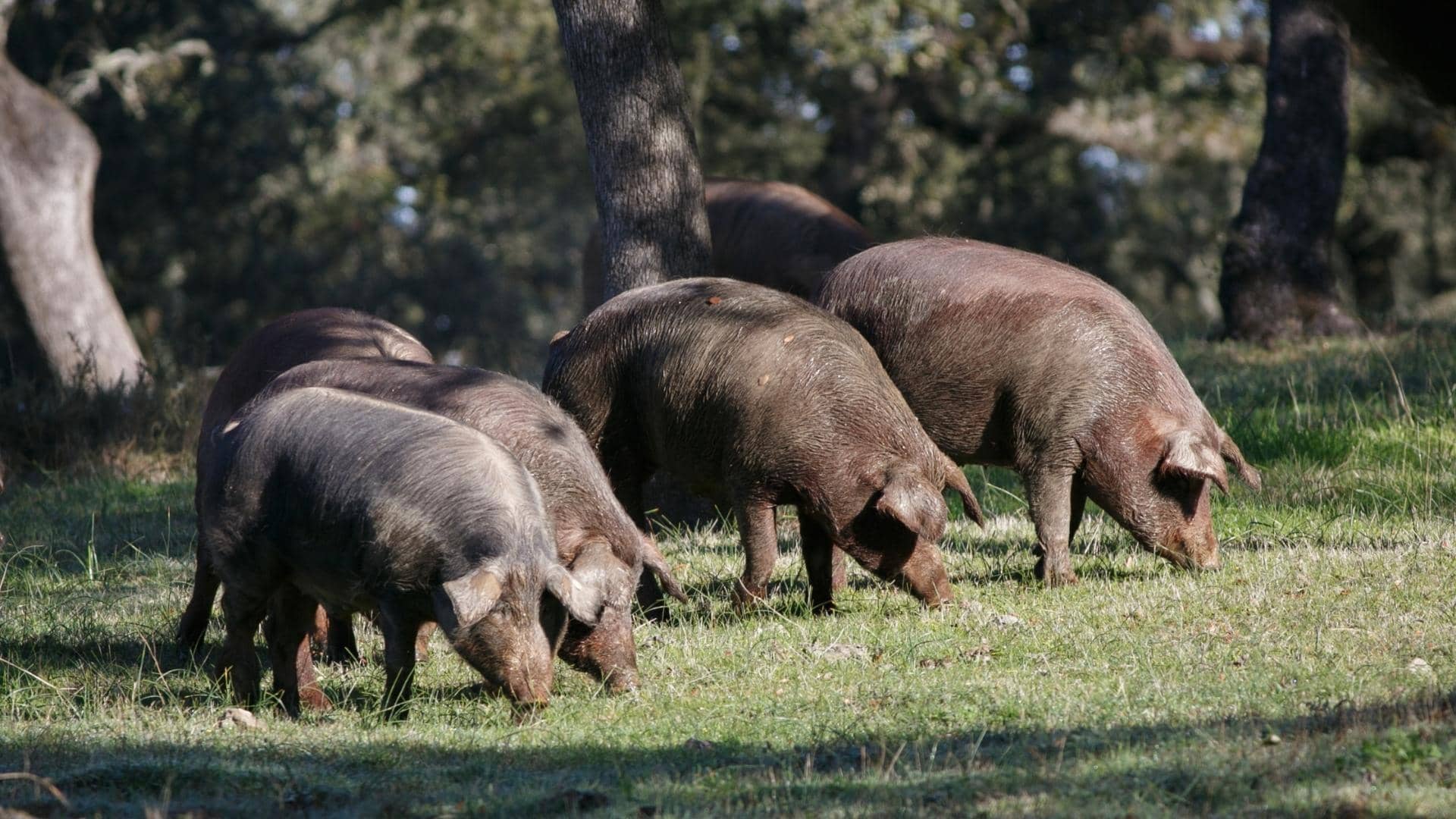
First things first, let's break down the terminology. “Pata Negra” literally translates to "black hoof." This refers to the breed of pig – the Iberian pig – which often has black hooves. However, not all Iberian pigs produce Pata Negra ham. That's where the "Bellota" part comes in.
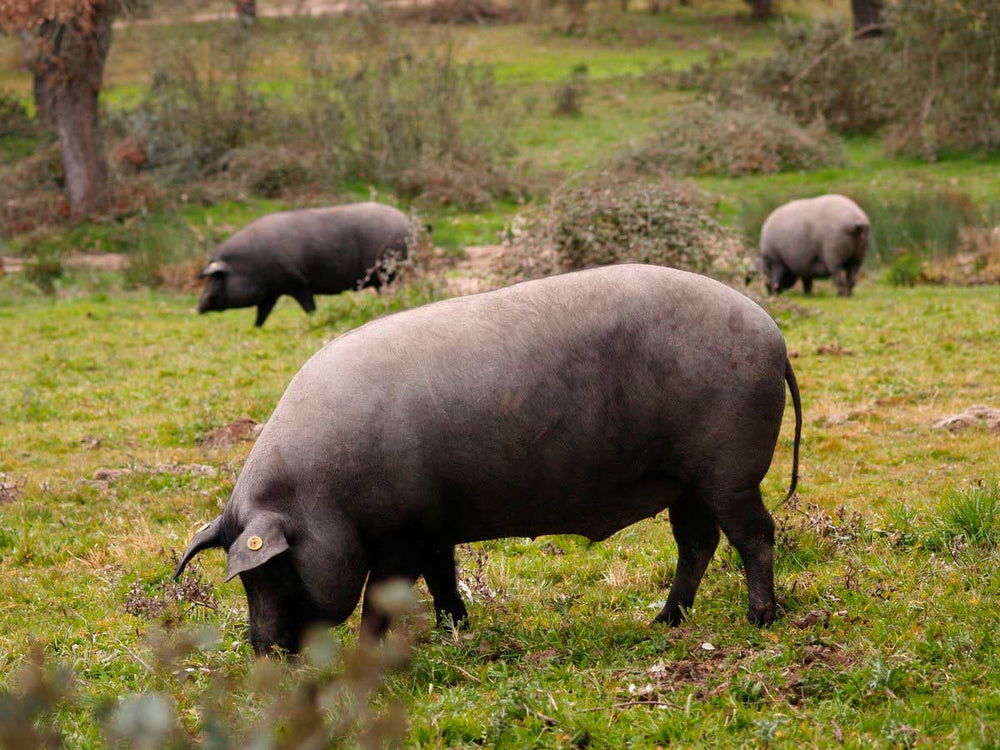
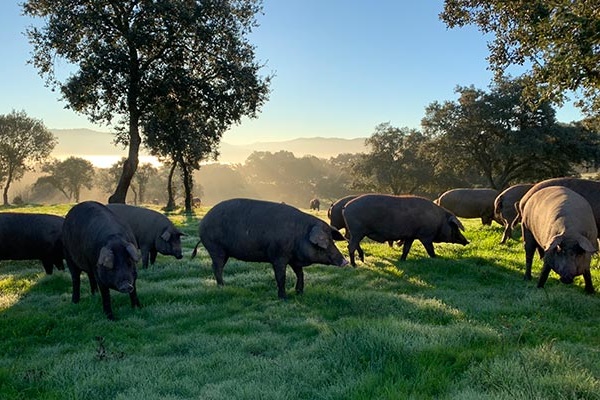
“Bellota” means acorn in Spanish. And these aren’t just any acorns; we’re talking about the sweet, flavorful acorns that fall from oak trees in the dehesa, a unique ecosystem found in southwestern Spain (and parts of Portugal). This is where the magic truly happens. Iberian pigs destined to become Bellota-grade ham spend their final months roaming freely in these dehesas, gorging themselves on acorns. Think of it as an all-you-can-eat acorn buffet for pigs. Lucky them!
So, Pata Negra Bellota ham comes from Iberian pigs that have primarily eaten acorns during their fattening stage. This acorn-rich diet is what gives the ham its characteristic nutty flavor, its marbling of fat, and its incredibly tender texture. It's like the Kobe beef of the pork world, only… ham-ier. (Sorry, I had to.)

Why the fuss about the acorns?
- Flavor profile: Acorns are packed with oleic acid, the same healthy fat found in olive oil. This contributes to the ham's distinctive, complex flavor and aroma. Think nutty, sweet, and subtly earthy.
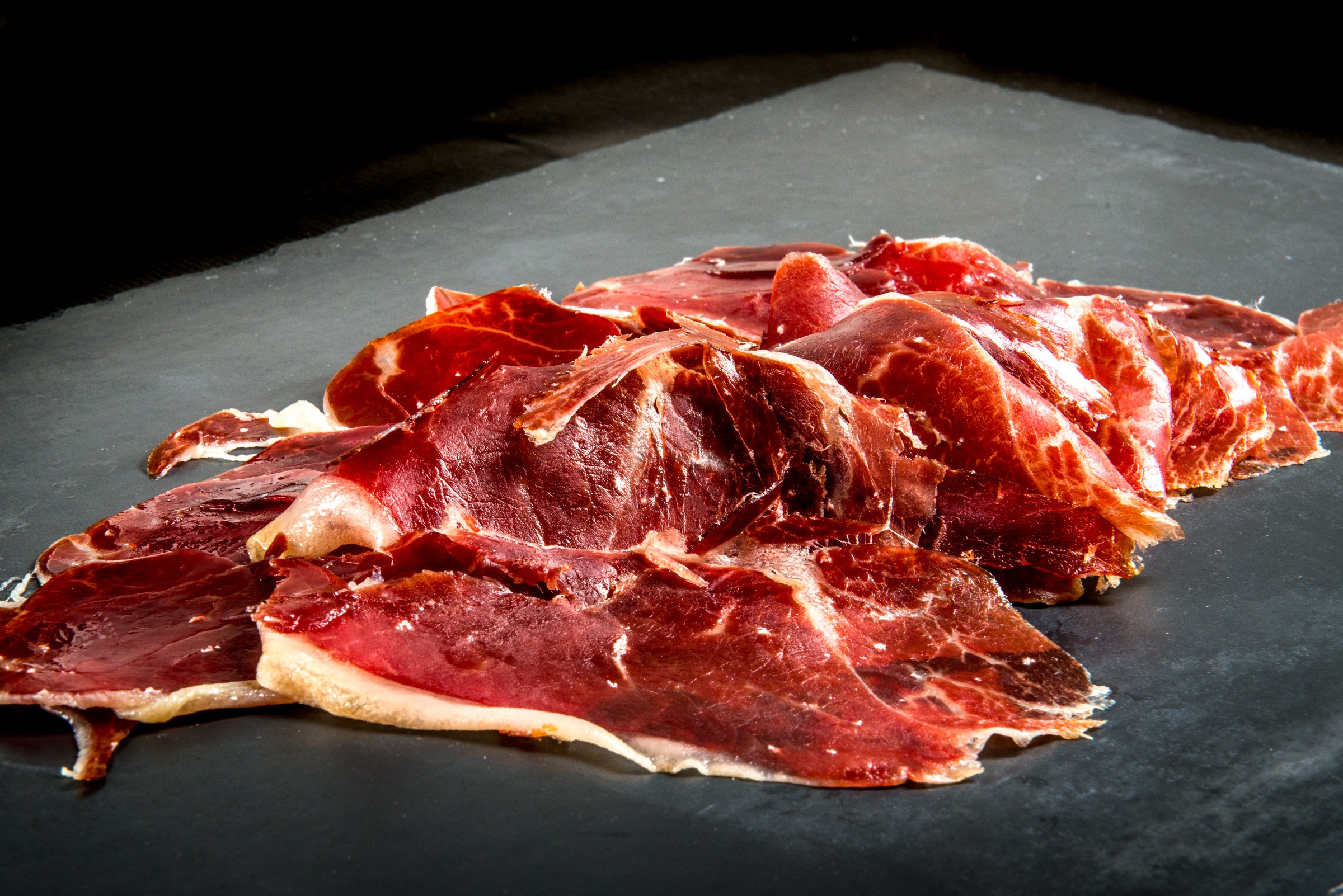
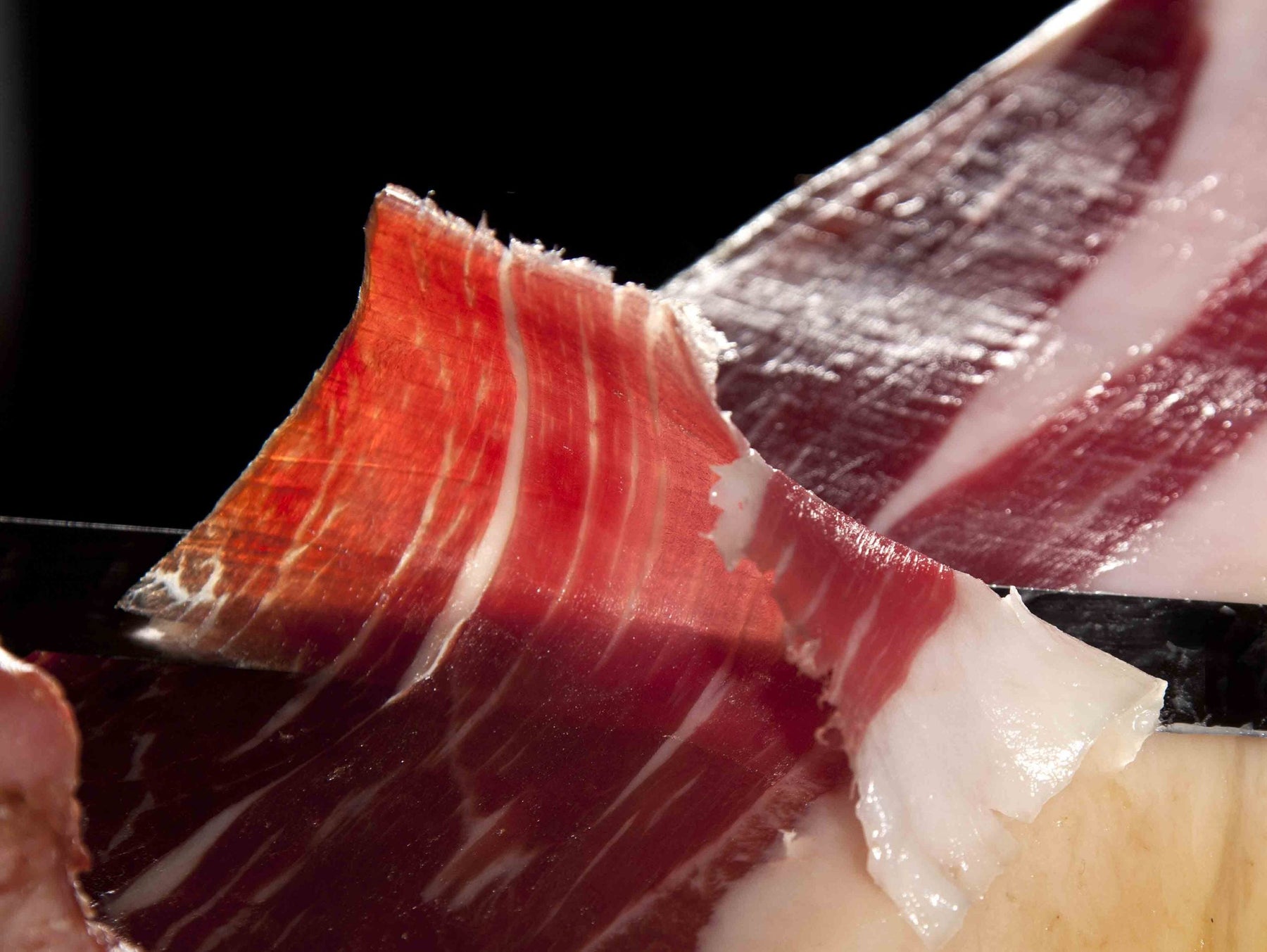
- Marbling: The acorn diet promotes the development of intramuscular fat, creating the beautiful marbling that makes the ham so tender and flavorful. This fat literally melts in your mouth.
- Texture: The constant movement and grazing in the dehesa also contributes to the ham's unique texture. It’s not chewy; it’s almost… silky.
Basically, the acorns are the secret weapon in the Pata Negra Bellota arsenal. They transform the ordinary into the extraordinary. Which brings us to…
Pata Negra Bellota et Cie: More Than Just a Name
Now, let's tackle the "et Cie" part of Pata Negra Bellota et Cie. "Et Cie" is French for "and Company." This usually indicates that the company is a partnership or has multiple owners. It implies a certain level of collaboration and perhaps a longer history. It's a classic touch that often suggests tradition and expertise. (Although, let's be real, sometimes it's just a marketing ploy. But hopefully not in this case!)
Finding definitive information about the specific history and structure of every company that uses “Pata Negra Bellota et Cie” can be tricky. It's not always a brand name in itself but often used by smaller producers or distributors to indicate their focus on high-quality Bellota ham and their collaborative approach. Think of it as a signal, a badge of honor saying, “We take this ham seriously!”
Here's what we can generally assume about a company using this designation:
- Focus on Quality: The "Pata Negra Bellota" part immediately tells you they are dealing with top-tier Iberian ham. They are likely sourcing from reputable farms and prioritizing quality over quantity.
- Traditional Methods: The "et Cie" suggests a commitment to traditional curing and aging methods. These are not mass-produced hams; they are carefully crafted over time.
- Expertise: The company likely has a deep understanding of the entire process, from raising the pigs to curing the ham. They know their stuff.
- Potential for Small-Scale Production: Unlike some of the larger industrial producers, "et Cie" often hints at a smaller, more artisanal scale of production. This can translate to more attention to detail and a higher level of craftsmanship.
However – and this is a big however – it's crucial to do your research! The term "Pata Negra" isn't always legally protected in every region, and some companies might try to capitalize on its cachet without adhering to the highest standards. (Yes, unfortunately, ham fraud is a thing.)
How to Spot the Real Deal: Tips for Buying Pata Negra Bellota
So, how do you ensure you’re getting the genuine article? Here are a few things to look for:
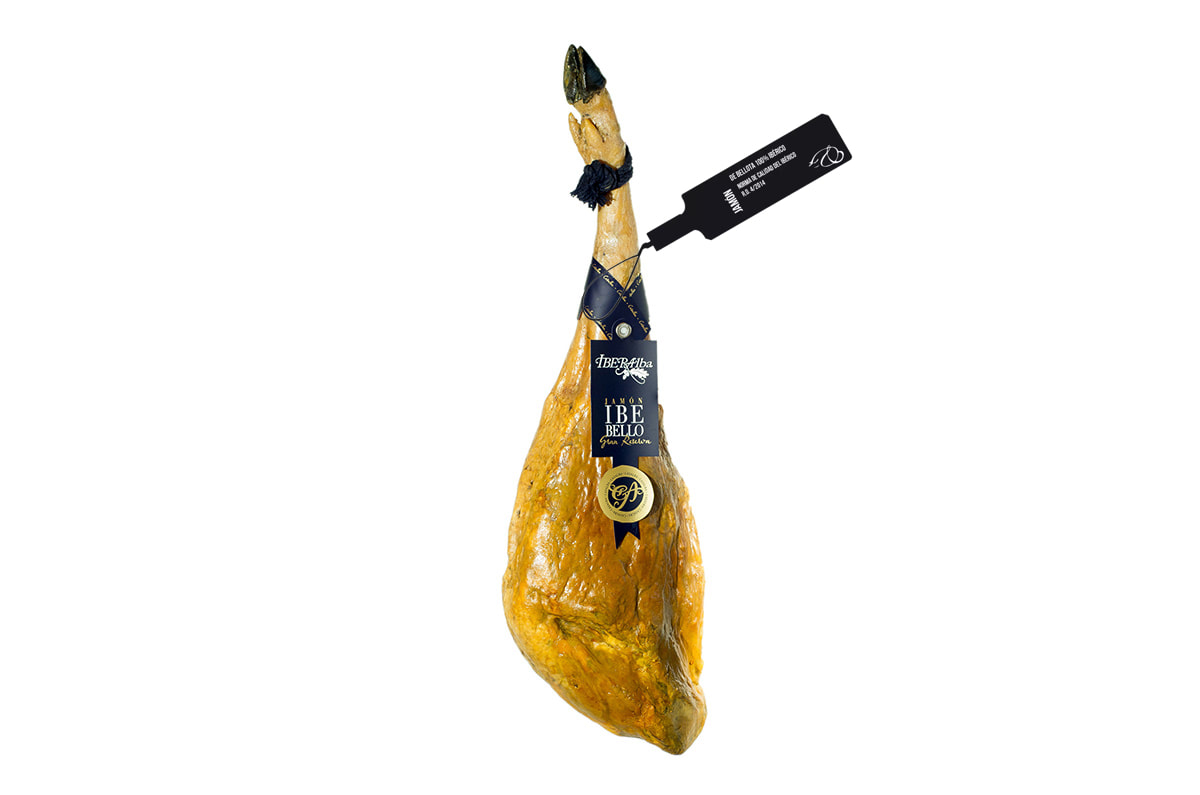
- Check the Label: Look for the official seals of approval from organizations that regulate Iberian ham production. These seals guarantee that the ham meets specific quality standards. Look for DOP (Denominación de Origen Protegida) labels, which indicate the ham's origin and production methods are protected by law.
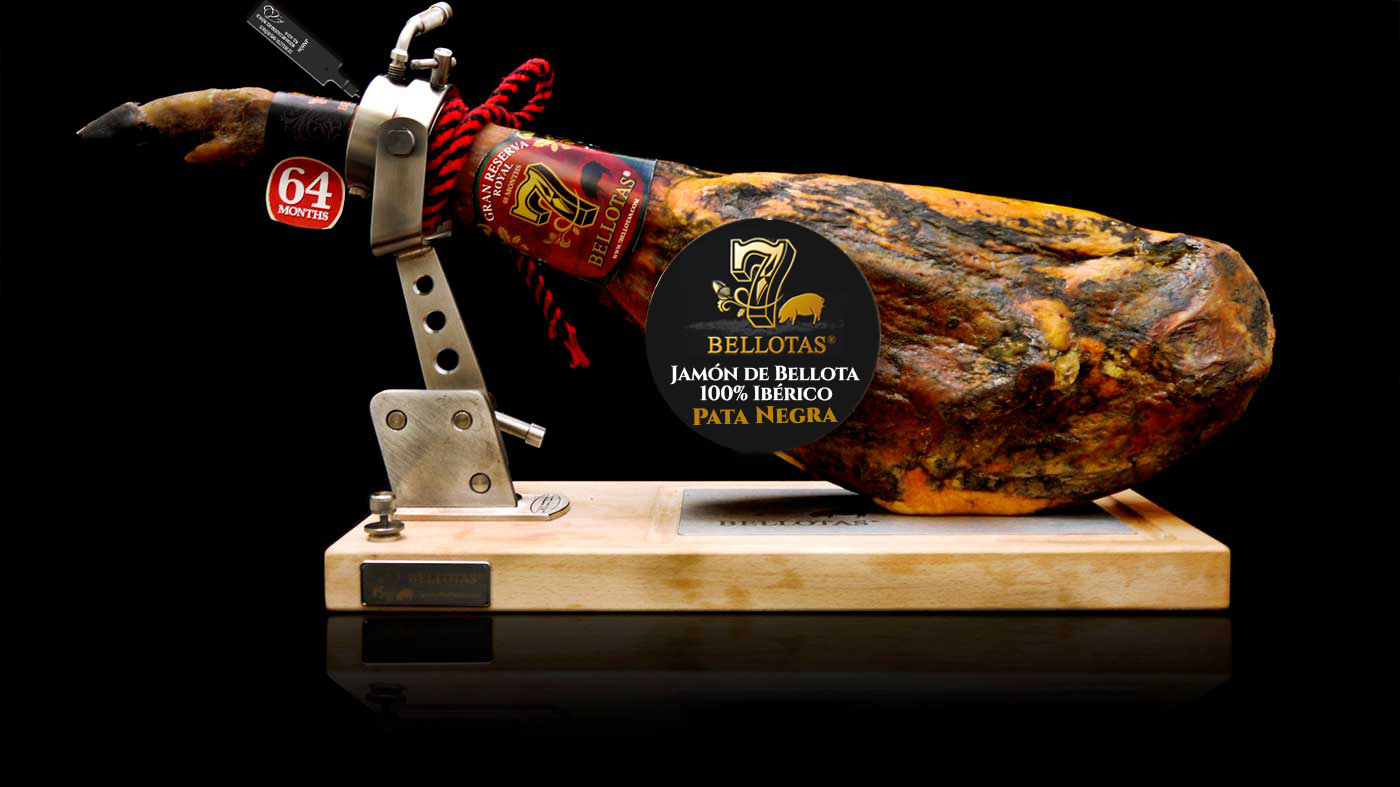
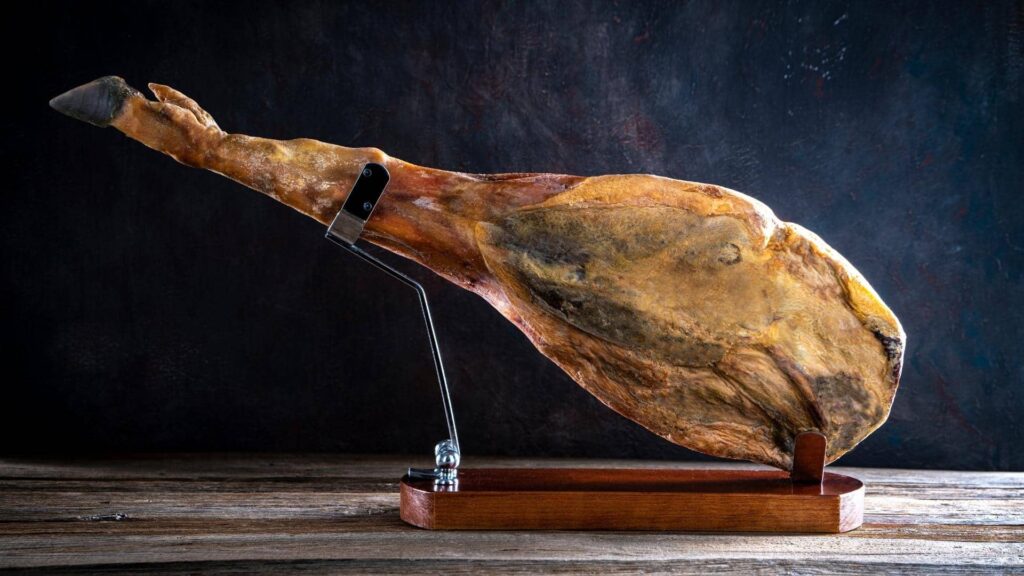
- Inspect the Leg: A true Pata Negra Bellota ham will have a slender leg with a black hoof. The fat should be marbled throughout the meat, not just around the edges. The texture should be firm but not dry.
- Ask Questions: Don't be afraid to ask the vendor about the ham's origin, the pigs' diet, and the curing process. A reputable seller will be happy to provide you with detailed information.
- Trust Your Senses: The ham should have a rich, complex aroma that's both nutty and slightly sweet. When you taste it, the flavor should be intense and long-lasting. The fat should melt in your mouth, leaving a pleasant aftertaste. If it tastes bland or greasy, it's probably not the real deal.
- Consider the Price: Pata Negra Bellota is not cheap. If the price seems too good to be true, it probably is. Remember, you're paying for years of tradition, specialized breeding, and a unique curing process.
Think of it like wine. You wouldn’t just buy any old bottle of wine without doing a little research, would you? The same principle applies to Pata Negra. (Unless you do buy any old bottle of wine, in which case, no judgement!)
Beyond the Plate: The Cultural Significance of Pata Negra
Pata Negra isn't just food; it's a cultural icon in Spain. It's deeply intertwined with the country's history, its traditions, and its identity. It's a symbol of celebration, of craftsmanship, and of the good life. Serving Pata Negra is a sign of respect and generosity. It's a way to share a piece of Spanish heritage with your guests.
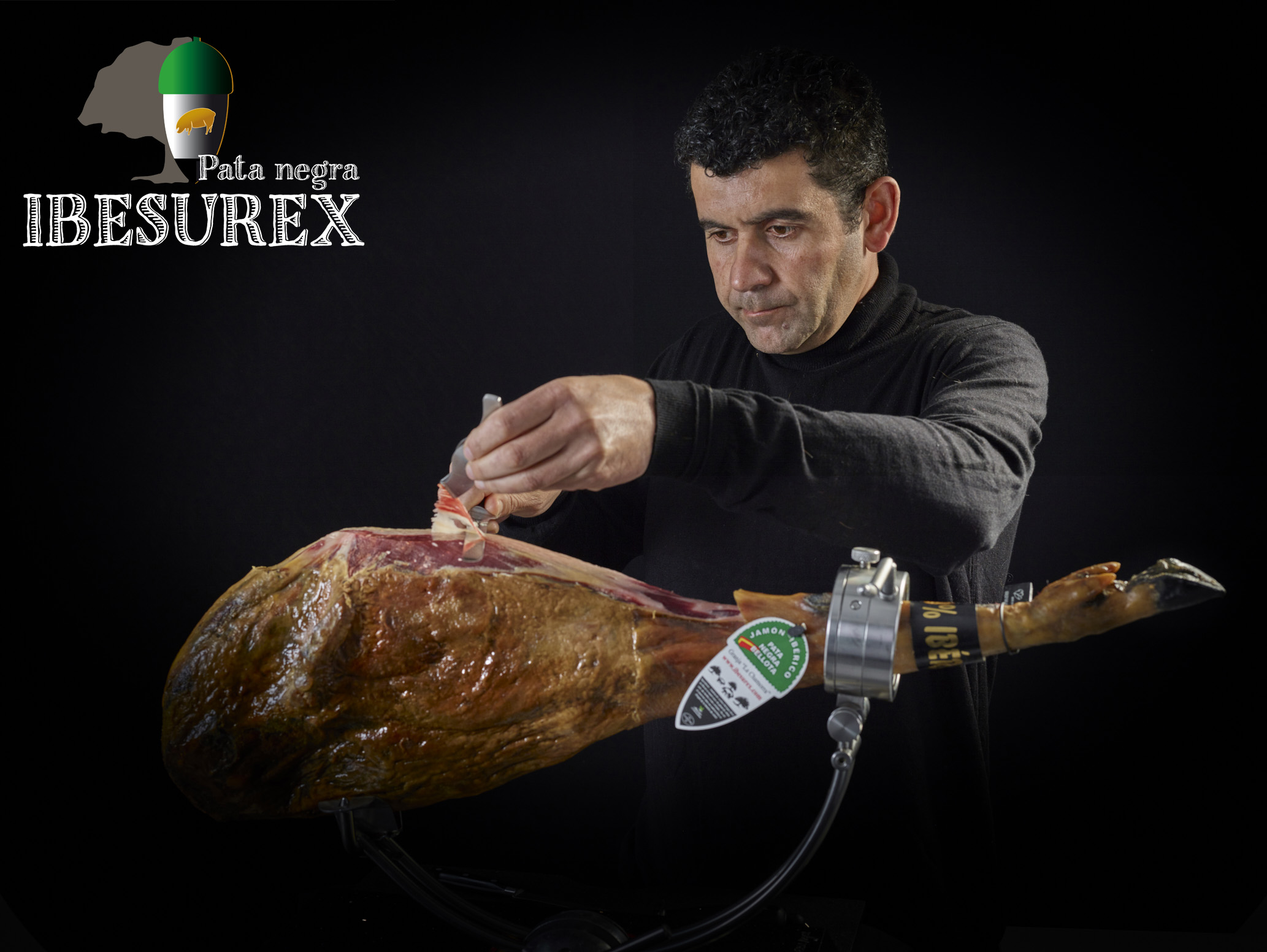
And honestly, the simple act of slicing and enjoying Pata Negra can be a meditative experience. The delicate aroma, the intricate marbling, the explosion of flavor on your palate – it's a moment to slow down, appreciate the simple things, and savor the present. (Okay, maybe I’m getting a little carried away. But seriously, it’s good stuff!)

Final Thoughts: Is Pata Negra Bellota Worth the Hype (and the Price)?
Ultimately, the decision of whether or not to splurge on Pata Negra Bellota is a personal one. It's an investment, no doubt about it. But if you appreciate fine food, if you're looking for a truly unique culinary experience, and if you want to treat yourself (or someone special) to something truly extraordinary, then I say go for it!
Just remember to do your research, buy from a reputable source, and savor every single bite. Because when it comes to Pata Negra Bellota, it's not just about the ham; it's about the story, the tradition, and the unforgettable flavors that will transport you to the heart of Spain. And maybe, just maybe, it will change your life, just like it changed mine. (Okay, maybe not entirely changed my life. But it definitely made it tastier.)
Now, if you’ll excuse me, I think I need a tapas break. And you know what that means… ¡Salud!