Okay, imagine this: you're at a library, right? You're searching for this super important book – maybe it's for a presentation that could literally make or break your career (no pressure!). You finally find it, flip it open, and BAM! The first thing you see is... a blank page. Or maybe a faded title, printed in Comic Sans. I shudder just thinking about it. That, my friend, is a missed opportunity of epic proportions.
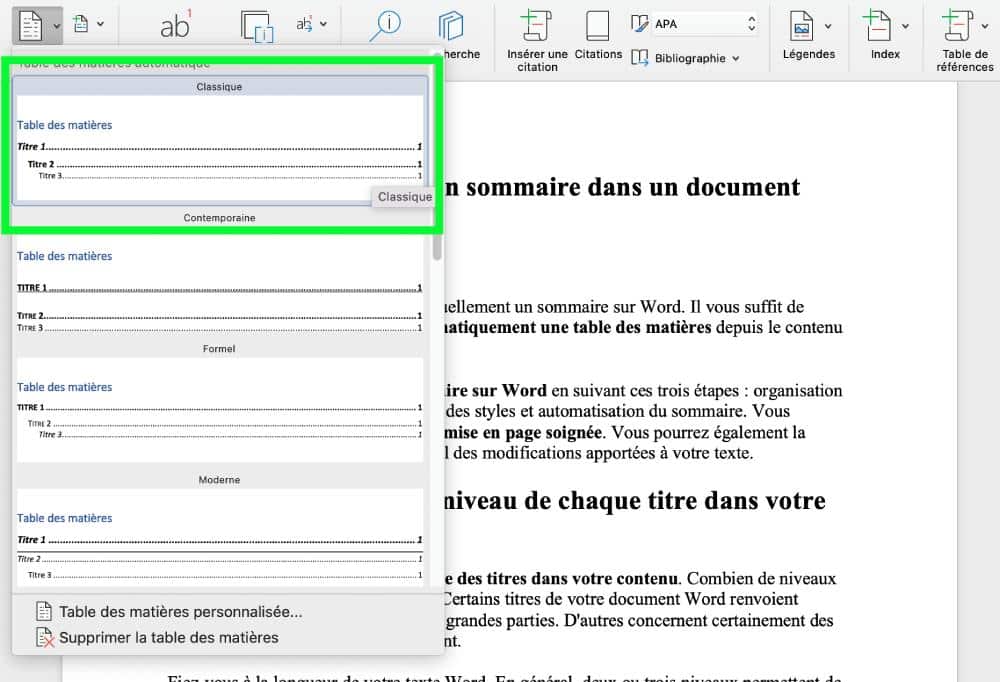
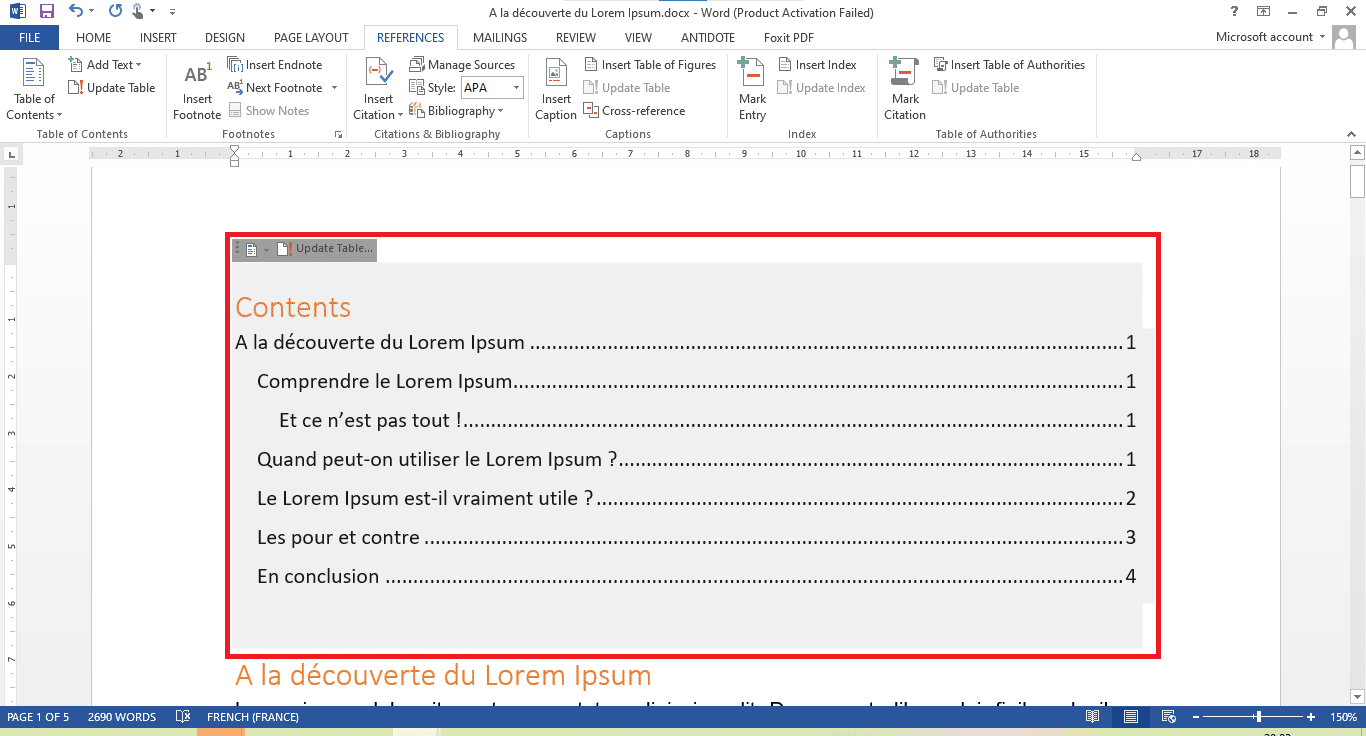
And that, dear reader, is precisely why we're talking about the page de garde (or title page) and its place in the sommaire (table of contents).
What's the Big Deal About a Page de Garde?
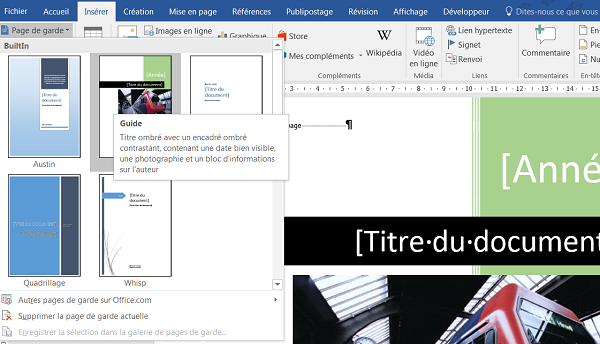
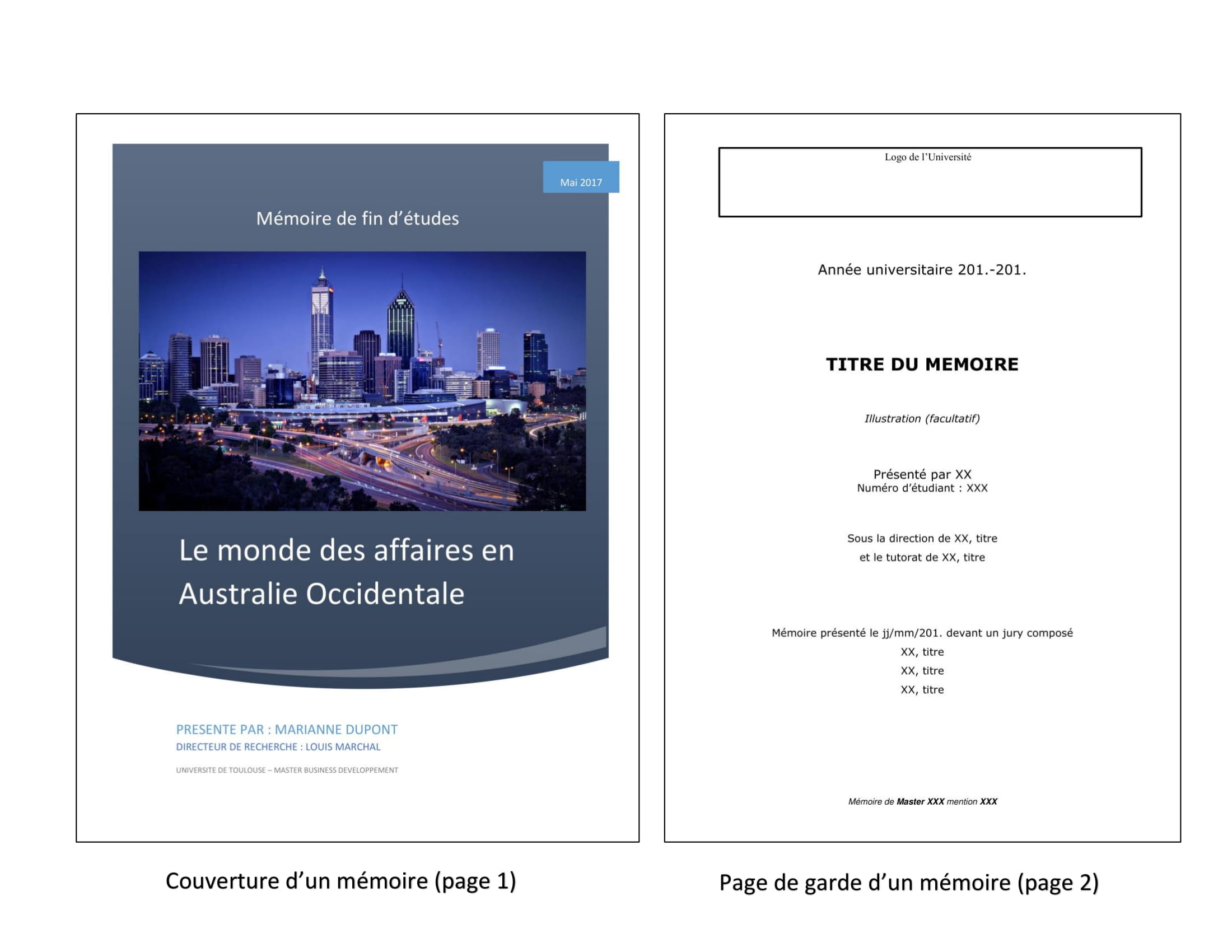
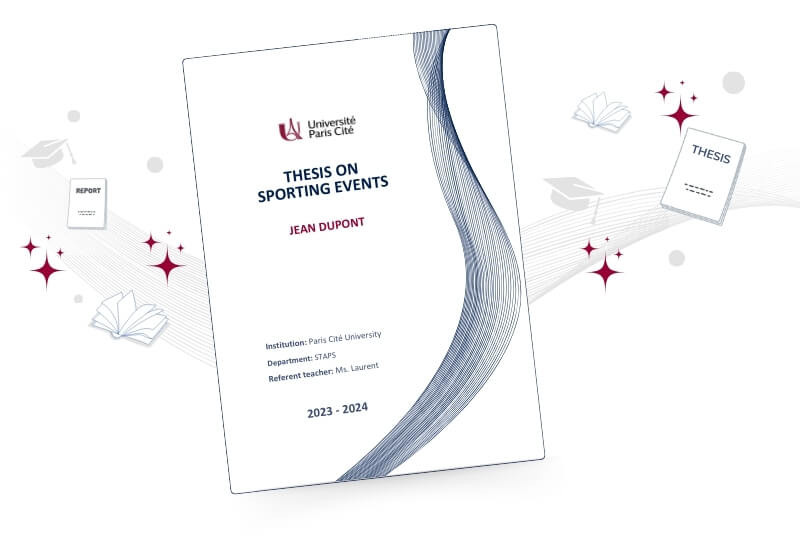
Let's be real. In the grand scheme of things, it's "just a page." But it’s more than that! It’s your first impression. Think of it as the cover letter for your magnum opus. It's a chance to grab attention, set the tone, and subtly hint at the brilliance within.
- Professionalism: It instantly elevates your document. Ditch the amateur hour vibes!
- Clarity: It clearly identifies the document. (Groundbreaking, I know!)
- Branding: If it's for a business or project, it reinforces your brand identity. Think consistent fonts, colors, and maybe even a logo.
- Context: A well-designed page de garde can even provide a brief overview or highlight key information.
(Are you taking notes? You should be! Just kidding… mostly.)
Page de Garde and the Sommaire: A Love Story?
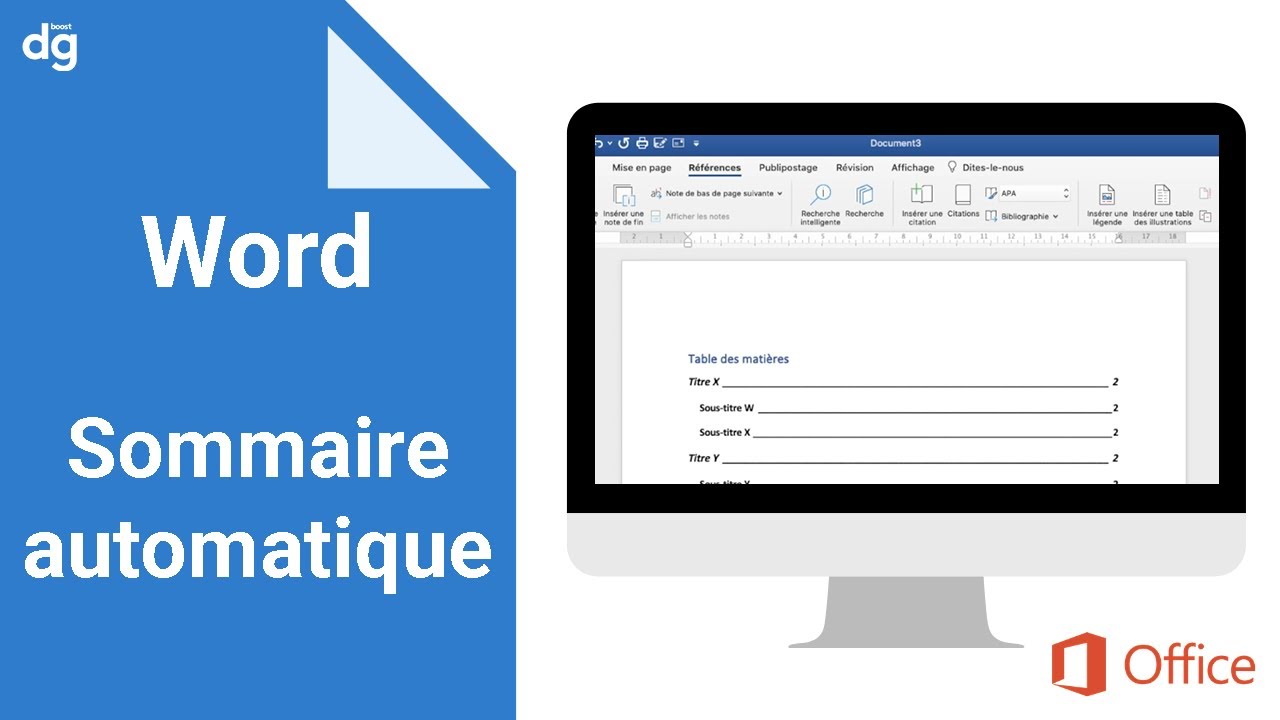
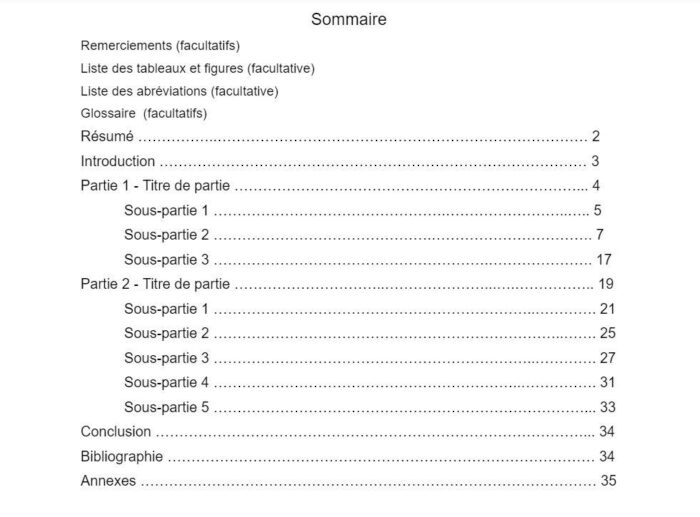
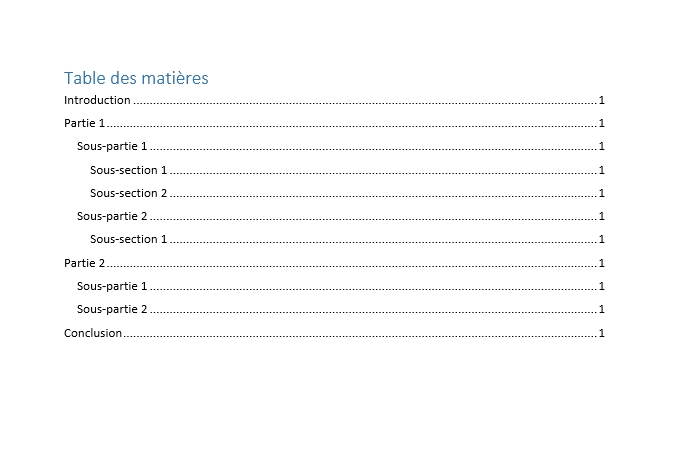
Now, where does the sommaire fit in? Well, that depends. Traditionally, the page de garde comes before the sommaire. It's the grand entrance, followed by the map of everything to come. However, this also depend on your formatting guide so don't quote me on that!
Here’s where it can get tricky. Some purists might argue that the sommaire shouldn't include the page de garde in its page numbering. The reasoning? The page de garde is considered "preliminary" material. It’s like the movie credits – important, but not part of the actual story. The numbering usually starts with the first chapter (or introduction, if you have one).
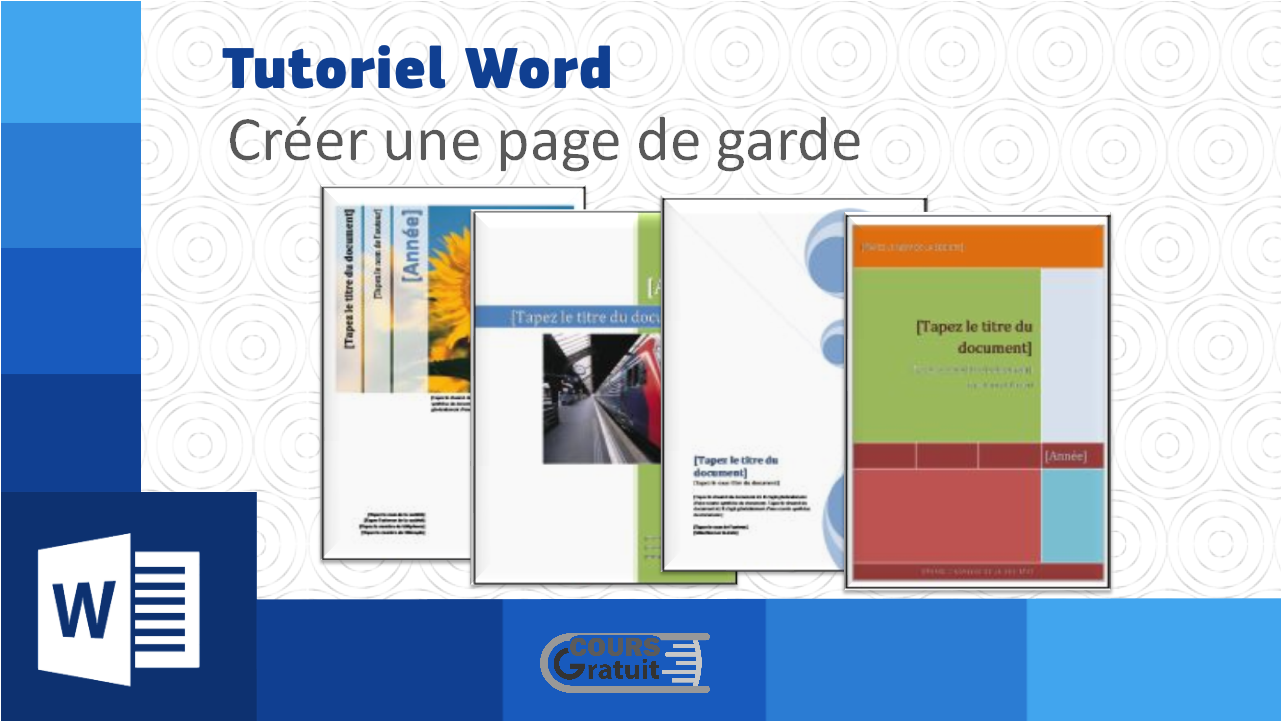
But... and this is a big but... there's no universal rule carved in stone. My advice? Know your audience and the document's purpose. Is it a formal academic paper? Stick to the traditional rules. Is it a creative portfolio? Go wild (within reason, of course!).
Things to Keep in Mind
- Less is often more. Don't clutter it with too much information or distracting graphics. Simplicity can be powerful.
- Font matters! Choose a font that's readable and complements the overall style of your document.
- Consistency is key. Use the same branding elements as the rest of your document.
- Check your formatting guide! Especially if it's a school or work assignment. They often have specific requirements.
So there you have it! The humble page de garde: a small page with a big impact. Don't underestimate its power. And remember, even if you're just writing a grocery list (a very important document, I might add), a little bit of design flair never hurt anyone!

+Sommaire+(page+5).jpg)


![[Tuto] Comment faire un sommaire sur Word ? (Table des matières)](https://exceller-avec-la-bureautique.com/wp-content/uploads/2019/11/13-Faire-un-sommaire-sur-Word-Final.png)